Dec. 16, 2025
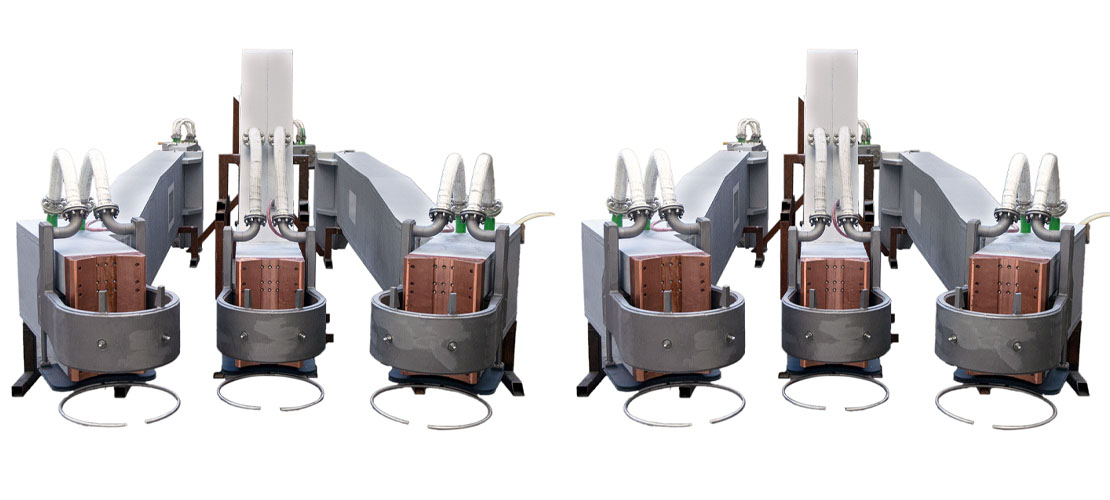
Ladle refining furnaces consume a large amount of electrical energy during operation. As a key component connecting the power supply to the electrodes, the conductive arm has a significant impact on the overall electrical consumption of the system. The conductive arm is responsible for supplying power to the electrodes, thereby heating and raising the temperature of molten steel. Therefore, its design should meet the requirements of light weight, high stiffness, low impedance, and long service life. One end of the electrode arm is supported by the lifting column, while the other end clamps the electrode. Reducing the weight of the conductive arm can lower the power required for electrode lifting, while significantly improving the response speed and control accuracy of the electrode regulation system.
During the operation of a ladle refining furnace, short-circuit discharges occur among the three-phase electrodes, generating high-power and high-temperature arcs within the molten steel. These arcs induce strong electromagnetic vibrations in the conductive arms. Consequently, conductive arms must possess excellent structural stability and mechanical strength. In addition, to ensure rapid melting of furnace materials, low electrical resistance and reactance are required. Given the high-temperature operating environment, conductive arms are generally equipped with internal water-cooling systems, and their structures are optimized to minimize static dust-induced arcing, thereby extending service life.
Early conductive arms based on conductive tube designs have gradually been phased out due to complicated maintenance requirements. Subsequently, copper-clad steel plate conductive arms were developed abroad. Compared with traditional all-steel conductive arms, their electrical performance was improved; however, they still exhibited notable drawbacks. These structures are relatively heavy—approximately 20% heavier than traditional all-steel arms—negatively affecting the responsiveness of electrode regulation systems. Furthermore, each phase is designed as an independent unit with structural differences, meaning that damage to an electrode holder requires the entire arm to be taken offline, resulting in extended maintenance periods and reduced production continuity.
Traditional all-steel conductive arms consist of a steel support structure and conductive pipes. Due to the high density and poor electrical conductivity of steel, these arms suffer from excessive weight, high electrical losses, short service life, and poor maintainability. Moreover, to meet conductivity and safety requirements, busbar connections are complex and time-consuming, and strong electromagnetic vibrations during heating increase maintenance demands for conductive pipes.
Copper–steel composite conductive arms represent an upgraded version of all-steel designs. By using copper plates on the outer surface of the arm for current conduction, conductive steel or copper pipes are eliminated, integrating both support and conduction functions into a single structure. This design effectively reduces arm impedance and improves electrical performance. However, the thickness of the copper layer is limited, resulting in insufficient conductive cross-sectional area and leaving room for further impedance reduction.
All-aluminum alloy conductive arms are fabricated using welded aluminum alloy plates in a box-type structure with internal water-cooling channels. This design ensures sufficient strength and stiffness while significantly r
educing overall weight. Lower arm mass effectively reduces system resonance, improves electrode regulator sensitivity, and enables electrode lifting speeds of up to 15 m/min. As a result, electrode movement becomes more responsive, three-phase current imbalance is greatly reduced, electrode consumption is lowered, and overall operational efficiency is improved.
All-aluminum alloy conductive arms offer notable advantages, including corrosion resistance, rust prevention, and low weight. Compared with traditional all-steel arms, their weight can be reduced by approximately 40%. This significantly enhances the responsiveness of the electrode lifting system and allows the use of larger-diameter electrodes, increasing secondary current and improving overall furnace electrical efficiency.
Due to reduced impedance, both active power and input power are increased. Statistical data indicate that input power can be increased by approximately 9%, while the average power factor improves by about 4%, shortening the refining cycle by roughly 3.5%. In addition, reduced vibration during operation lowers electrode consumption by about 4% and improves system stability. These characteristics make all-aluminum alloy conductive arms one of the most advanced technologies currently available for ladle refining furnaces.
The box-type structure of all-aluminum alloy conductive arms integrates conduction and mechanical support, resulting in a simple, rigid, deformation-resistant design that is reliable and easy to maintain. Electrically, both resistance and reactance are significantly lower than those of traditional conductive arms. Furthermore, the absence of insulating plates at the electrode holder prevents arc formation caused by the accumulation of charged dust, thereby reducing damage to electrode holders.
From a cost perspective, the elimination of copper materials provides certain manufacturing cost advantages. Considering the corrosive effects of cooling water, magnesium alloy composite materials are typically applied for electrochemical corrosion protection, with a protection cycle of approximately five years. Under normal cooling and anti-corrosion conditions, the designed service life of all-aluminum alloy conductive arms can exceed ten years.
During retrofitting, the existing short network and water-cooled cables can remain unchanged. The removed copper–steel composite conductive arms and electrode holders may be reused as spare parts for other furnaces. Only minor adjustments to the lifting columns are required, and the original hydraulic system remains unaffected.
An economic benefit analysis based on Bensteel’s No. 5 LF furnace is presented. The furnace produces approximately 12,000 heats annually, with an average power-on time of 13 minutes per heat, molten steel weight of 165 tons, and an average active power of 17 MW. The average electrical energy consumption per ton of steel is approximately 22.32 kWh. Assuming a 3% energy-saving rate after adopting all-aluminum alloy conductive arms, annual electricity savings amount to approximately 1.326 million kWh. At an electricity price of 0.56 RMB/kWh, this corresponds to an annual cost saving of about 742,500 RMB.
In addition, assuming electrode consumption of 0.01 kg/kWh, annual electrode usage is approximately 44.19 tons. With an electrode unit price of 17.41 RMB/kg and a consumption reduction of 4%, the annual electrode cost saving is about 307,800 RMB. Combined electricity and electrode savings total approximately 1.05 million RMB per year, indicating that the retrofit investment can be recovered within three years, demonstrating strong economic feasibility.
Since the successful application of all-aluminum alloy conductive arm technology in Germany, it has been successively adopted in countries such as the United States, the United Kingdom, and France. In China, Baosteel Group first applied this technology to a 300-ton ladle refining furnace in 1999, achieving favorable results. With increasingly stringent energy-saving requirements in the steel industry, all-aluminum alloy conductive arms—due to their superior electrical performance, mechanical characteristics, and economic benefits—are expected to be more widely adopted and to become an important development direction for energy-efficient electric furnace technologies.
Latest News
Submerged Arc Furnace: Structural Design, Operating Principles, and Core Equipment Analysis
Jun. 09, 2026
May. 27, 2026
Latest Products
Customized metallurgical machinery and equipment range: Electric Arc Furnace, Submerged Arc Furnace, LF Refining Furnace, Vacuum Furnace, Induction Furnace, Dust Remove System, Water Treatment Equipment, etc. Providing the most advanced equipment integration services, metallurgical equipment can be customized according to different needs of customers, and production capacity can be adjusted according to customer requirements.
Electric Arc Furnace
Submerged Arc Furnace
LF Refining Furnace
VD / VOD Vacuum Refining Furnace
Induction Furnace
Furnace Accessories
The 5 ton electric arc furnace for steel-making is a special purpose equipment that makes ordinary steel, quality carbon steel, alloy steel and non-corrosive steel with electric arc as heat source and scrap steel (iron) as raw material.
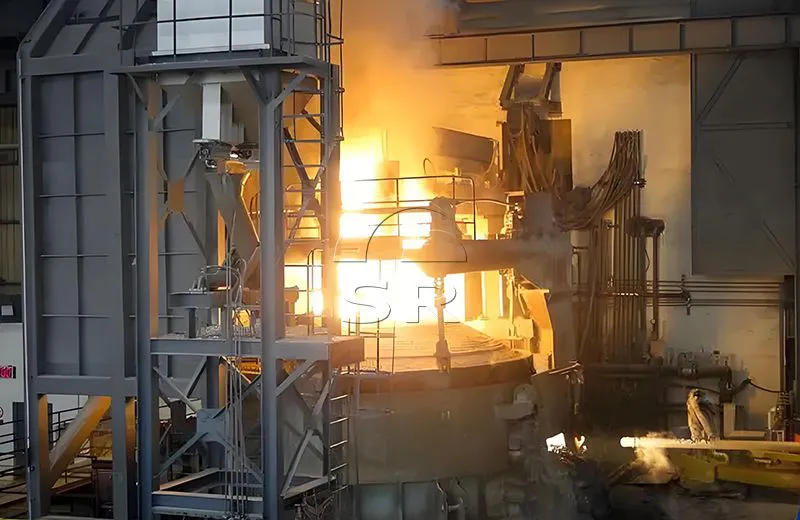
15-ton electric arc furnace is used for the short-process steelmaking process, using 100% scrap steel or scrap steel + molten iron (pig iron), or scrap steel + sponge iron (DRI) as raw materials for steelmaking.
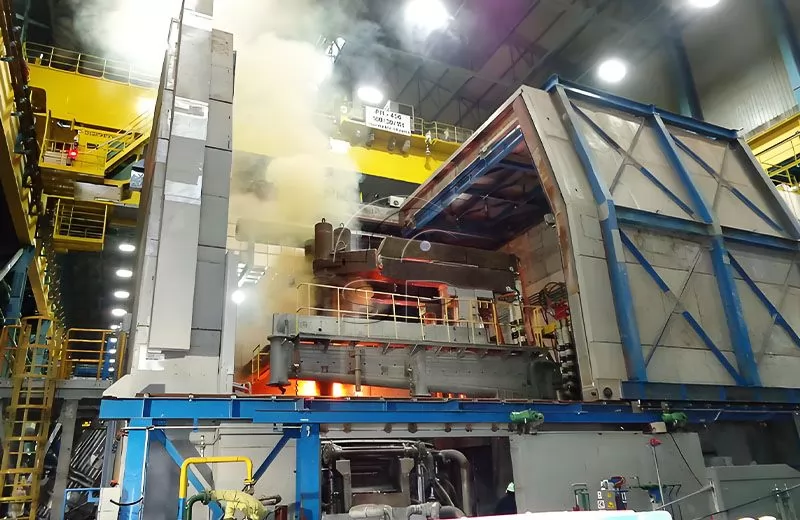
The 30-ton AC electric arc furnace is used to melt scrap steel to produce steel. Electrical energy is used to melt scrap steel. An arc forms between the charged material and the electrode.
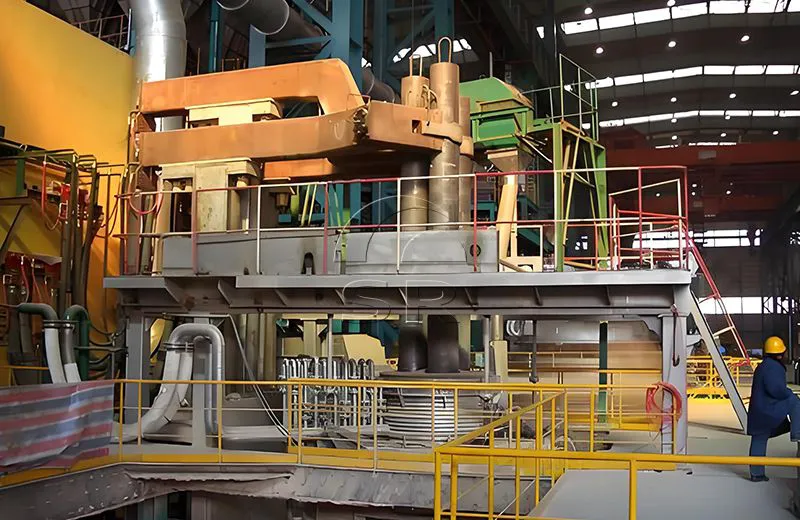
30 Ton electric arc furnace is used for steelmaking short process smelting, using 100% scrap steel or scrap steel + molten iron (pig iron), or scrap steel + sponge iron (DRI) as raw materials for steelmaking.
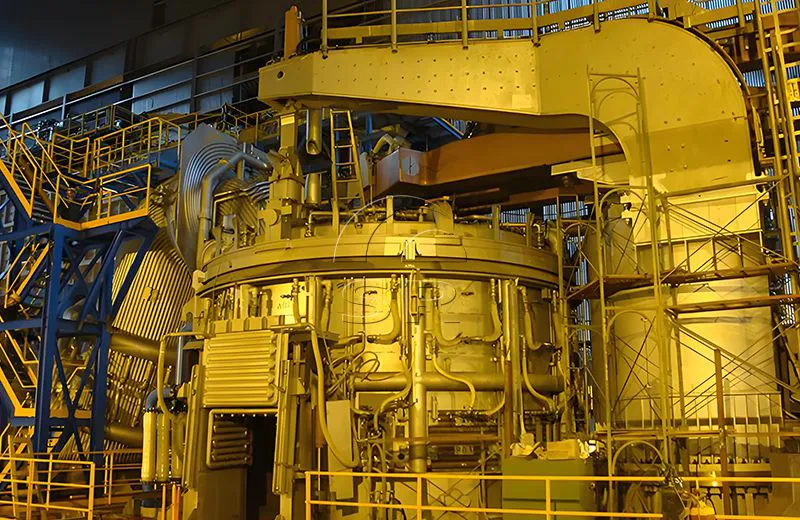
The 50-ton ultra-high power electric arc furnace (50TUPH EAF) adopts ultra-high power, high impedance technology, bottom tapping technology (ETB), furnace wall oxygen oil burner and furnace door carbon-oxygen gun technology.
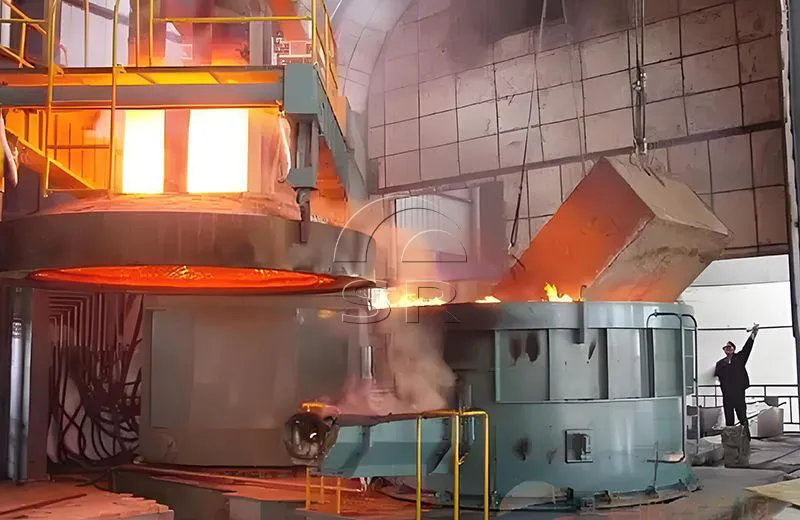
DC electric arc furnace is an electric arc furnace supplying electric energy with DC power supply. There is only one electrode on the top of the DC arc furnace, which is the negative electrode, and the bottom electrode is the positive electrode.
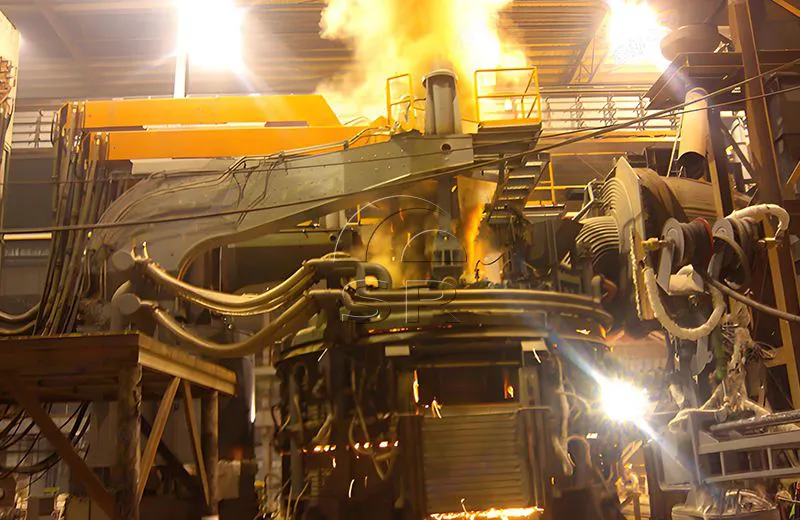
Electric arc furnaces are used to melt scrap steel for steel production. Electrical energy is used to melt scrap steel. An arc forms between the charged material and the electrode. The heat generated by the arc melts the scrap.
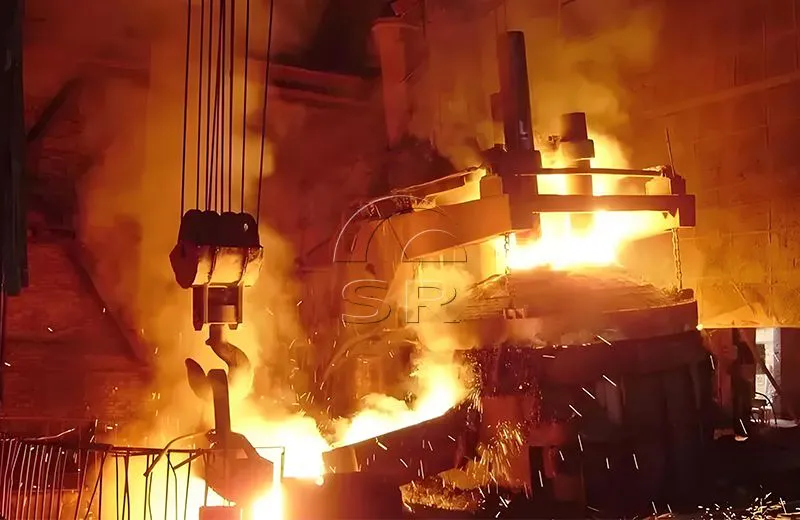
Electric arc furnace steel making is a steelmaking method that uses the thermal effect of electric arc to heat the charge for melting.
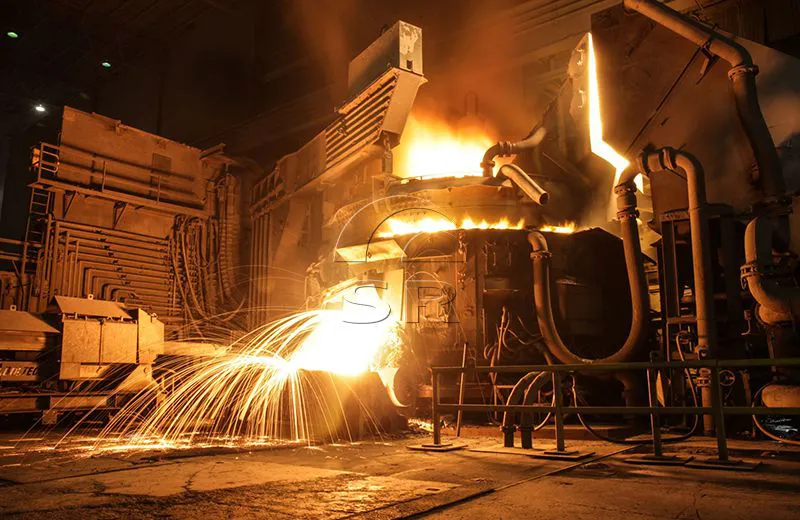
Ultra-high power electric arc furnace mainly changes the arc characteristics of high voltage and long arc to the arc characteristics of high current, low voltage and short arc
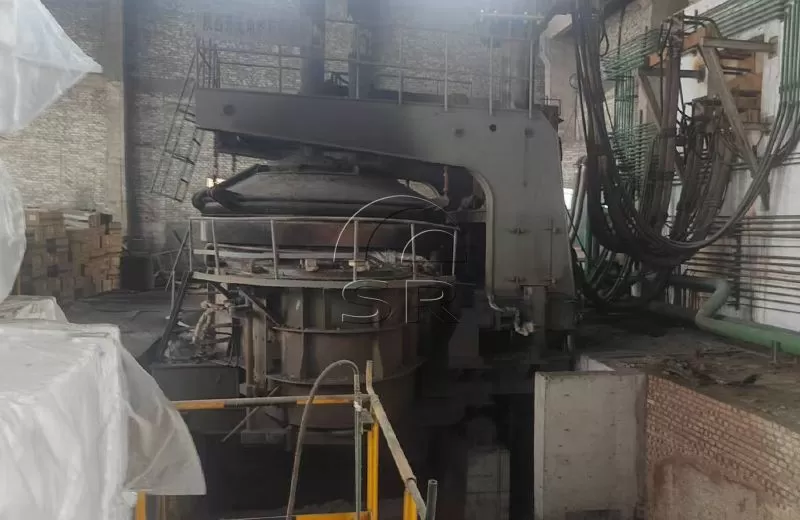
1 ton electric arc furnace is used for melting steel and titanium scrap metal. The principle of electric arc furnace is based on the generation of direct current, which converts electrical energy into heat energy through electrodes to melt the metal.
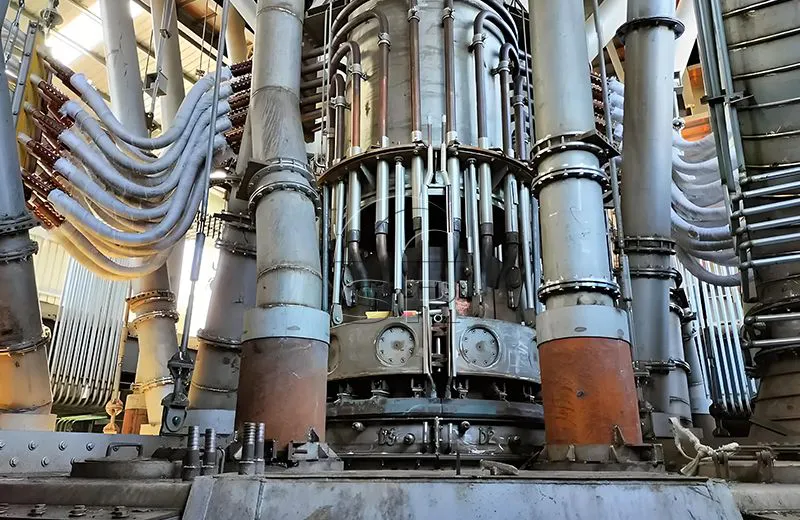
The closed pig iron furnace (submerged arc furnace iron making) is a non-blast furnace iron making method. Under the premise of guaranteeing the power supply, it is easy to solve the problem by using the reducing agent required by the submerged arc furnace iron making.
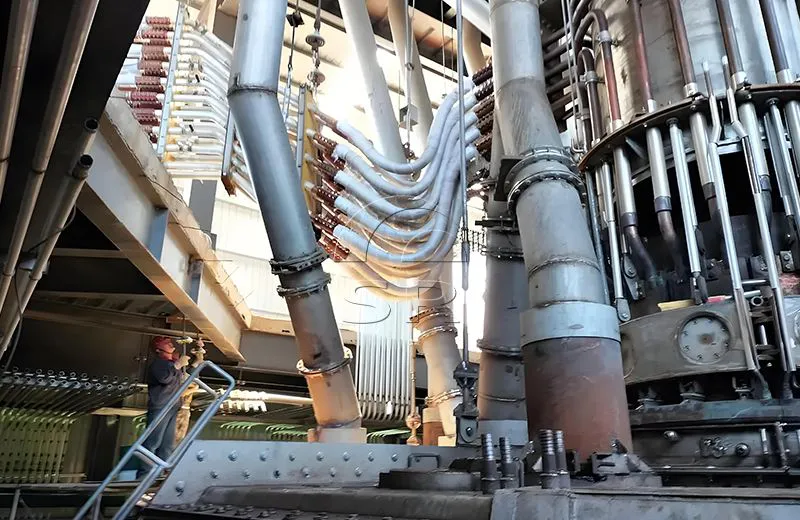
The main mechanical device design of Sanui ferroalloy refining furnace combines China's national conditions and draws on international advanced technologies such as Demark and Pyremate.
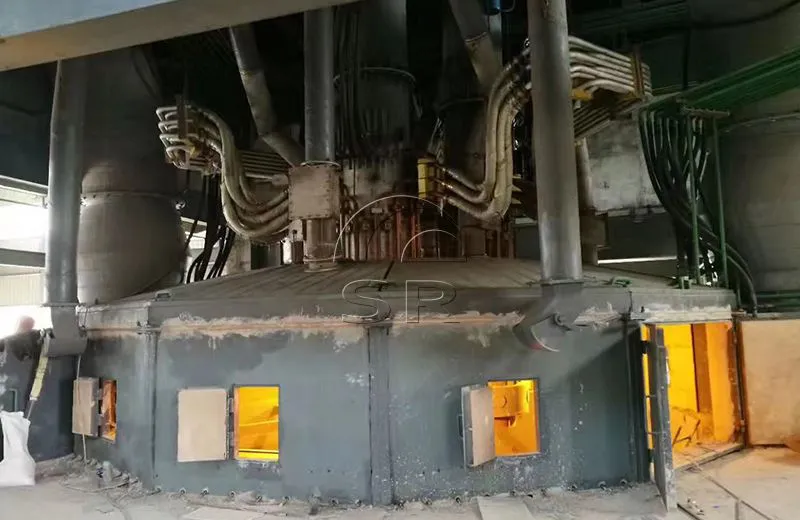
The Ferronickel submerged arc furnace is a special submerged arc furnace used for smelting nickel-iron alloy. Its main function is to add nickel ore, carbonaceous reducing agent (such as coke) and limestone and other raw materials into the furnace in a certain proportion
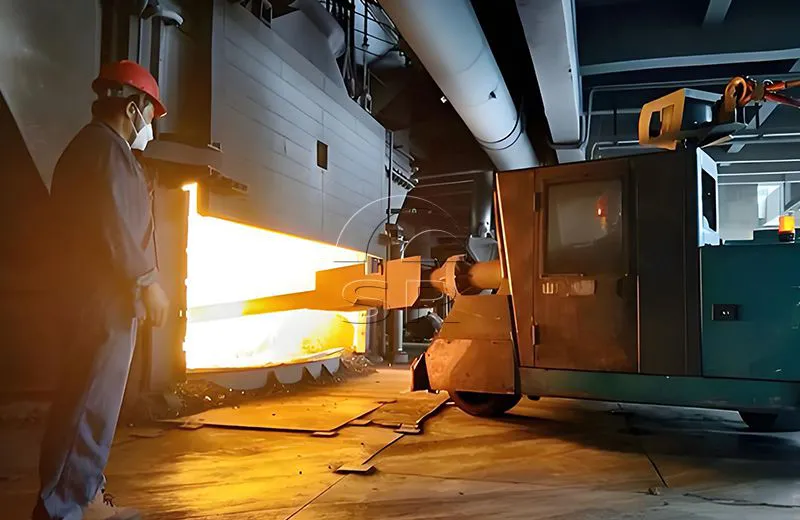
The main mechanical device design of Sanui ferrosilicon furnace combines China's national conditions and draws on international advanced technologies such as Demark and Pyremate.
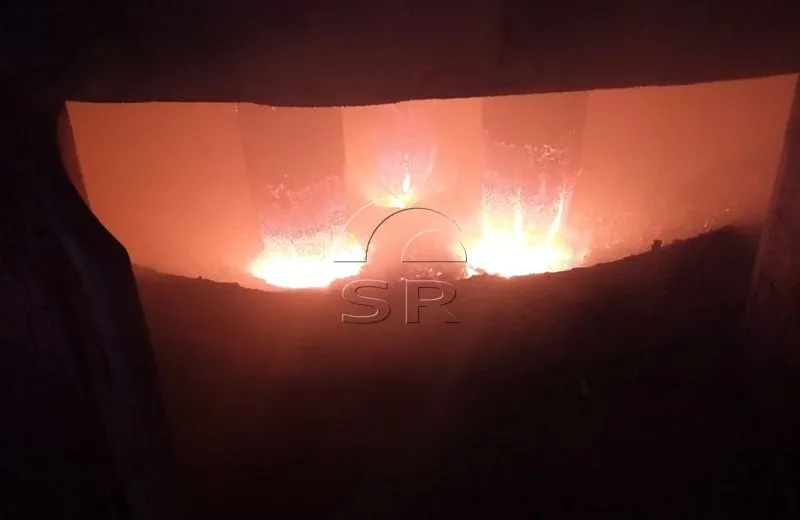
The main mechanical device design of Sanui high carbon ferrochrome furnace combines China's national conditions and draws on international advanced technologies such as Demark and Pyremate.
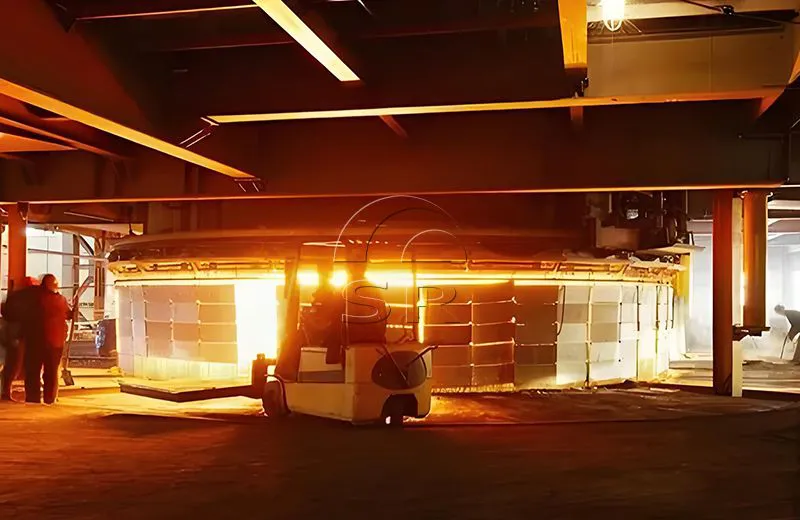
Industrial silicon submerged arc furnace is an important equipment in silicon ore processing, playing a key role in the silicon industry.
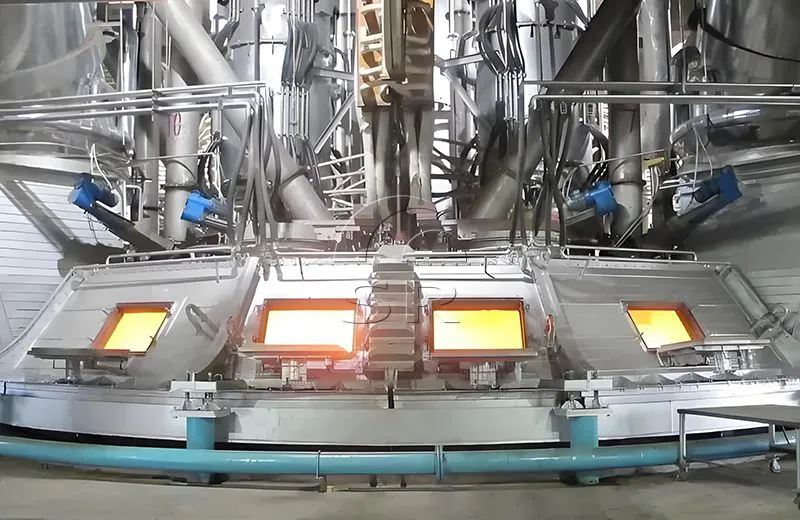
The manganese silicon alloy furnace is mainly used to smelt silicon-manganese alloy, which is an alloy containing silicon and manganese.
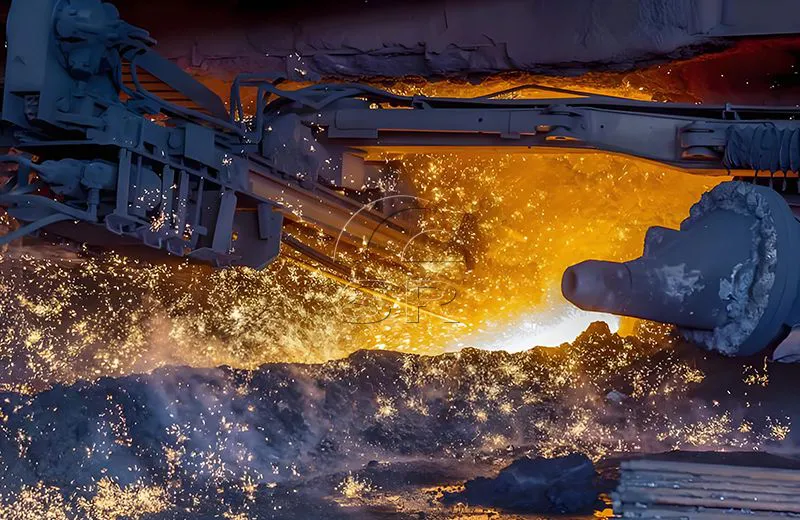
The design of the submerged arc furnace main mechanical device by Sanui is based on China's national conditions and draws on international advanced technologies such as Demark and Perlmutter.
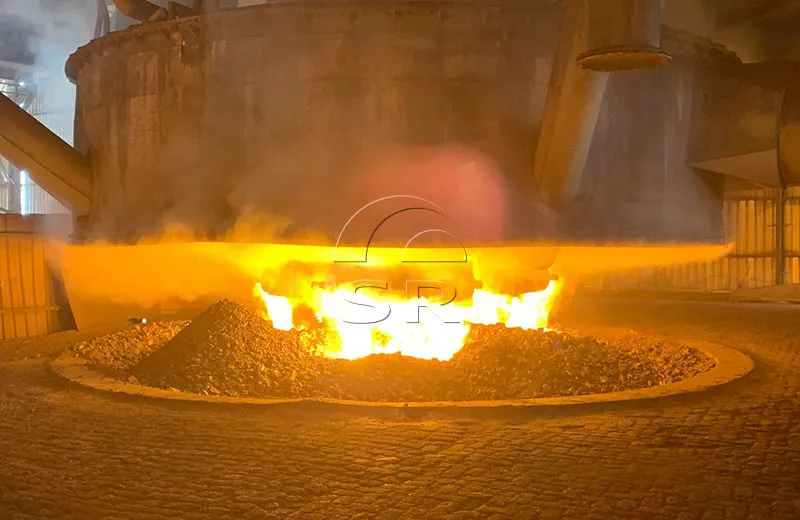
Submerged electric arc furnace is mainly used for reducing and smelting raw materials such as ore, carbonaceous reducing agent and solvent. It mainly produces ferroalloys such as ferrosilicon, ferromanganese, ferrochrome, ferrotungsten, silicon-manganese alloy, etc.
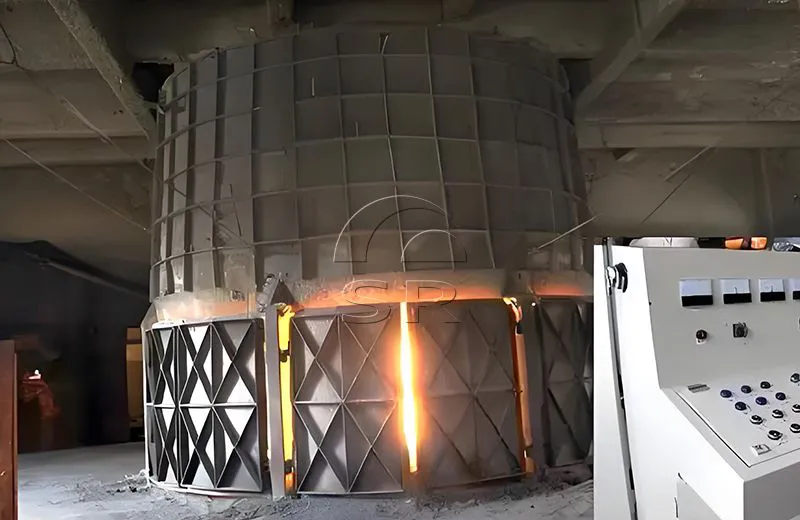
Titanium slag production adopts titanium slag electric furnace (circular furnace and rectangular furnace according to its shape) smelting process.
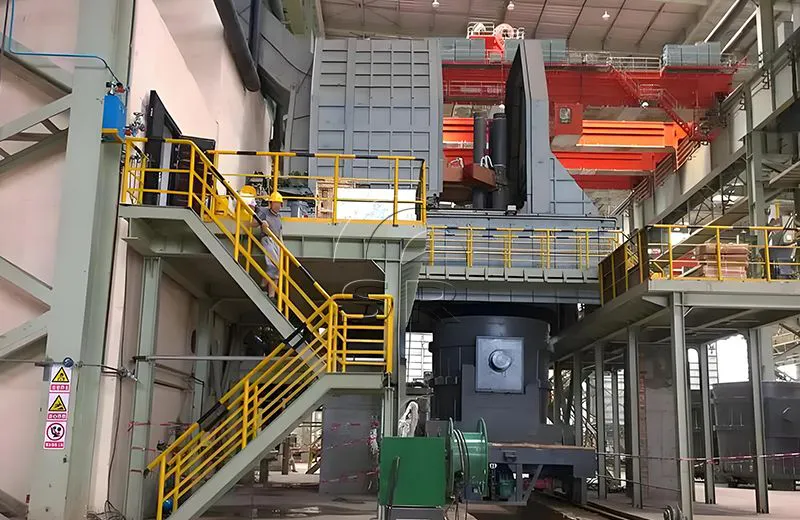
The LF 20 T ladle refining furnace has the functions of arc heating under normal pressure, argon blowing and stirring at the bottom of the ladle, and reducing slag making in the ladle.
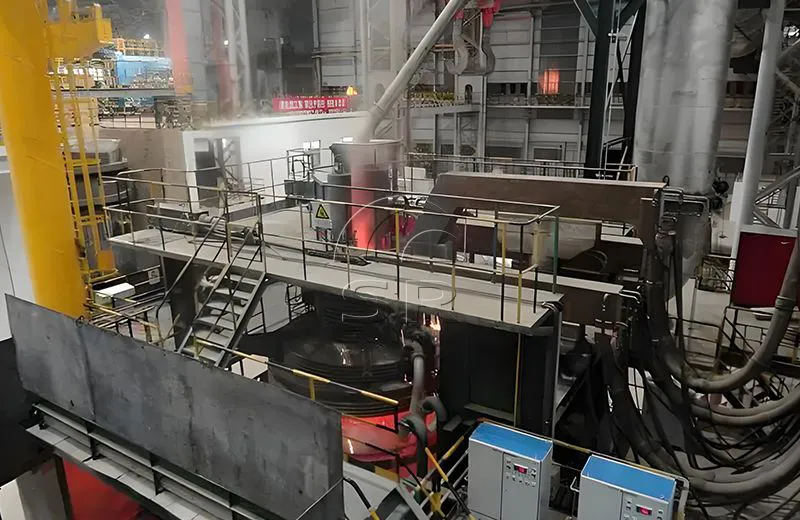
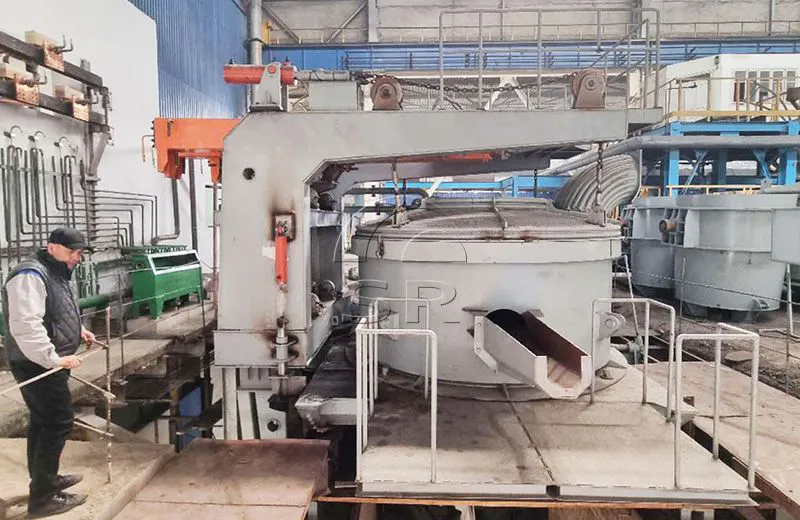
LF ladle refining furnace is a bottom-blown argon ladle furnace with three-phase submerged arc heating under normal pressure. It is a device for refining molten steel in a ladle.
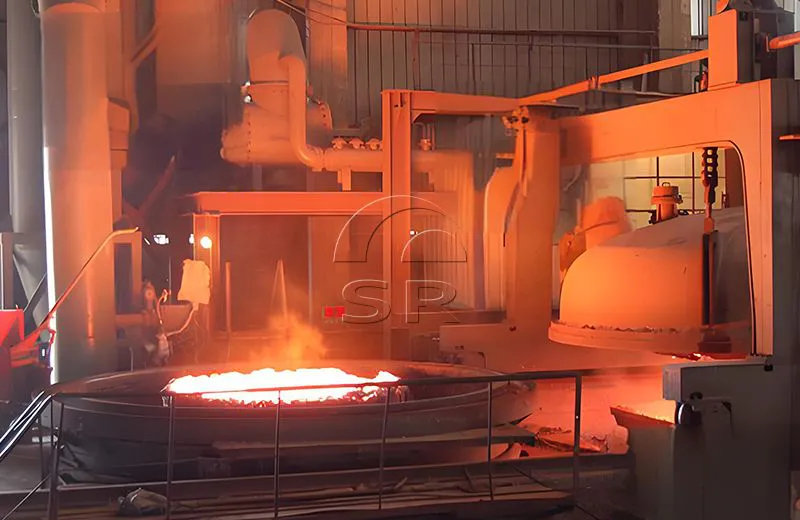
VD vacuum refining furnace is a commonly used refining process equipment, mainly used for deoxidation, impurity removal and other operations of molten steel, so as to obtain high purity, low impurity content of high quality steel.
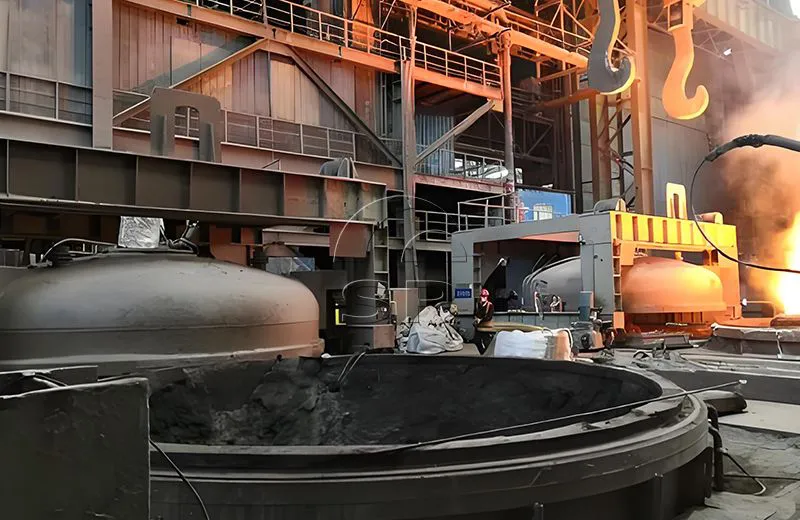
VOD vacuum refining furnace has multiple functions such as vacuum degassing, oxygen blowing decarburization, vacuum charging, argon blowing stirring, non-vacuum temperature measurement sampling, wire feeding, etc.
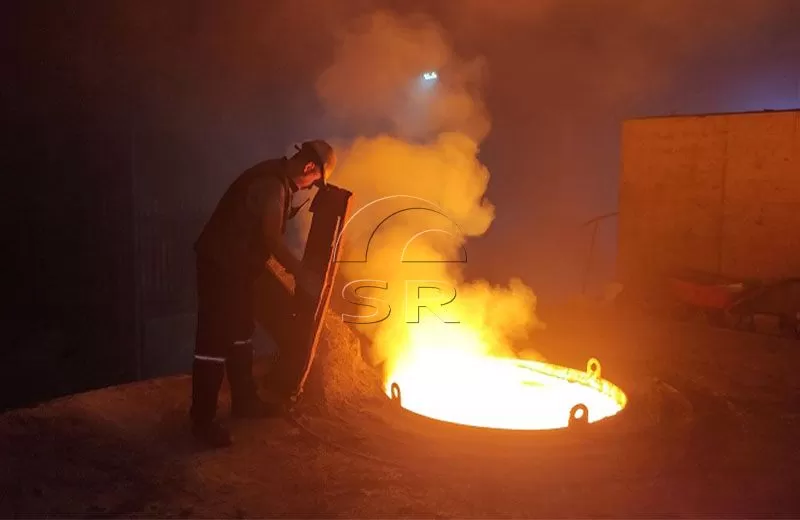
The cast steel melting induction furnace has outstanding advantages in heat penetration or melting soft magnetic alloys, high resistance alloys, platinum group alloys, heat-resistant, corrosion-resistant, wear-resistant alloys and pure metals.
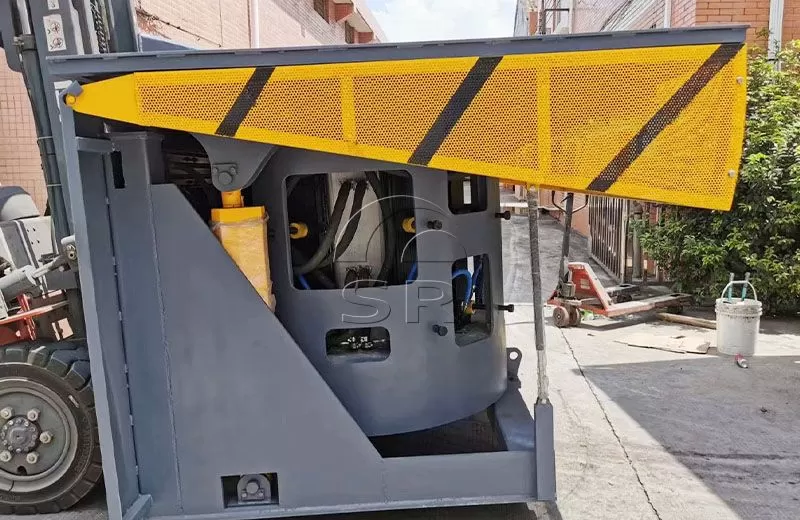
Metal silicon smelting furnace is a metal silicon medium frequency melting furnace, which consists of furnace body, water and electricity introduction system, furnace tilting device, etc. It has fast melting temperature rise, easy to control furnace temperature and high production efficiency.
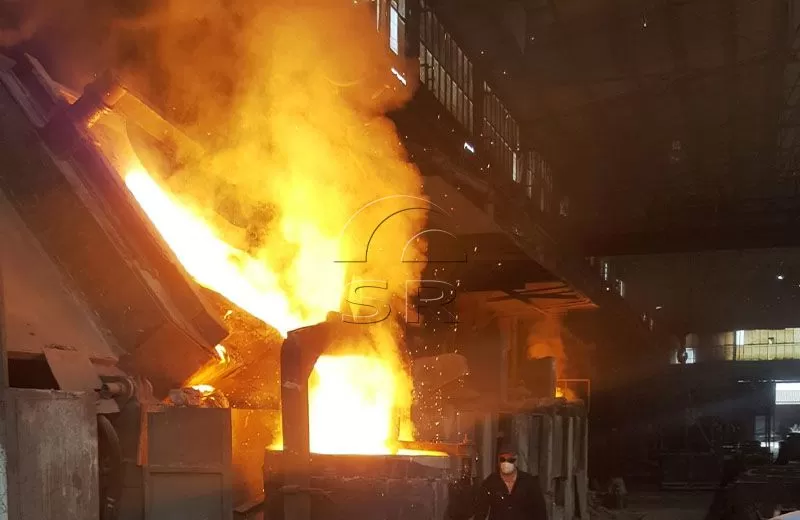
Medium frequency induction furnace mainly used for melting steel, alloy steel, special steel, stainless steel, and can also be used for melting and casting non-ferrous metals such as copper, aluminum, lead, zinc, etc. The customized range of induction furnaces sold by Sanrui ranges from 0.1 tons to 10 tons.
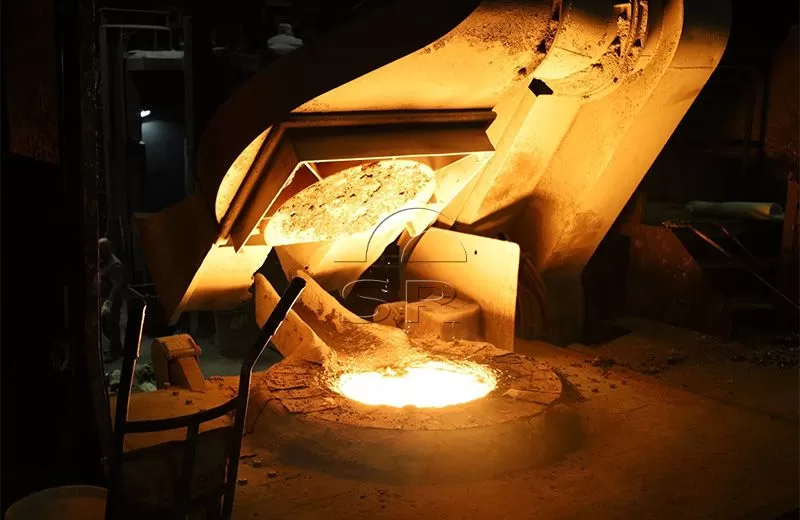
Medium frequency induction furnaces are mainly used for melting steel, alloy steel, special steel, stainless steel, and can also be used for melting and casting non-ferrous metals such as copper, aluminum, lead, and zinc.
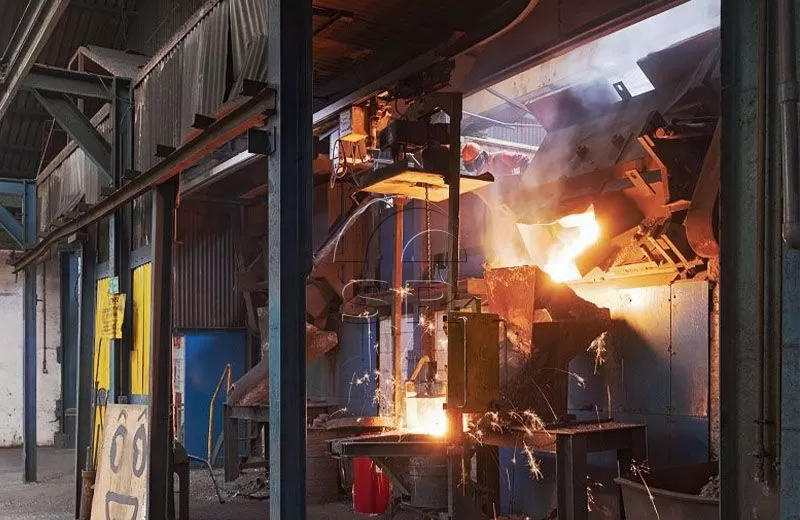
Medium frequency aluminum melting furnace is used for melting and heating aluminum, scrap aluminum, aluminum ingots, and aluminum alloys; The melting capacity ranges from 100KG to 3000KG.
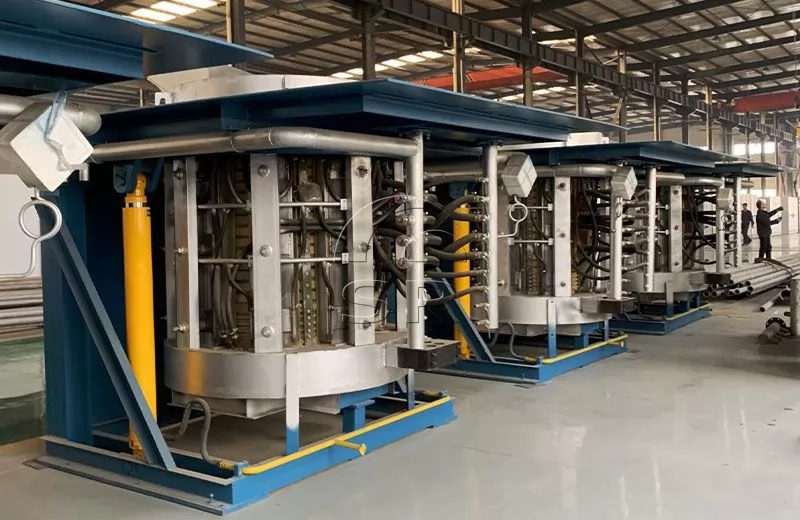
An induction furnace is an electric furnace that uses the induction electrothermal effect of the material to heat or melt the material. The main components of an induction furnace are sensors, furnace body, power supply, capacitors and control system.
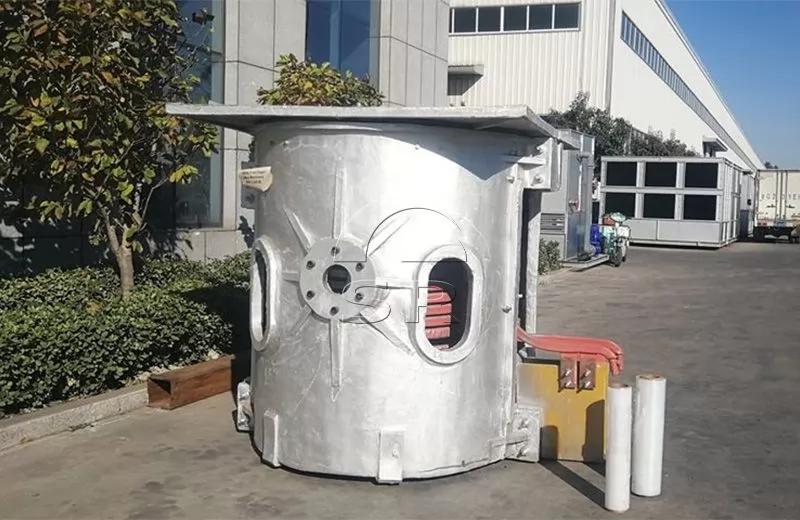
The 3-ton medium frequency coreless induction furnace adopts a 6-phase 12-pulse double rectifier control system. A 2000KVA special rectifier transformer is used for the 2000KW medium frequency power supply.
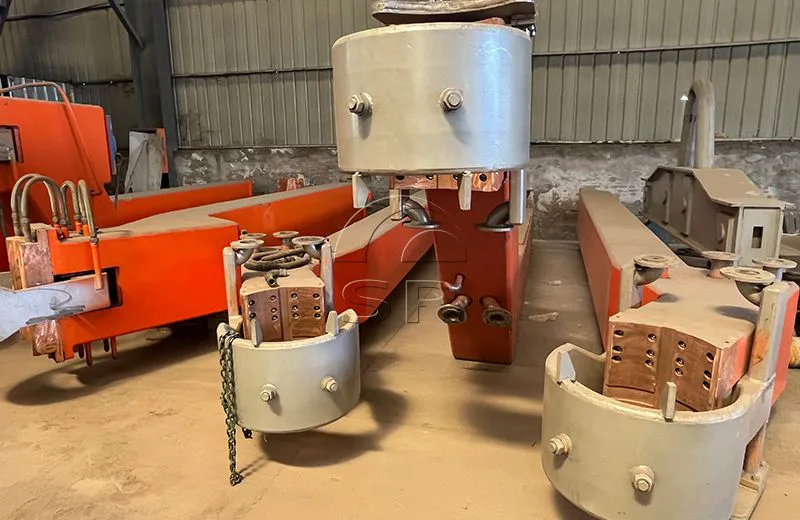
The conductive arm of an electric arc furnace (EAF) is primarily composed of the front electrode conductive arm holder, a water-cooled clamping ring, the arm body, and the rear conductive copper plate.
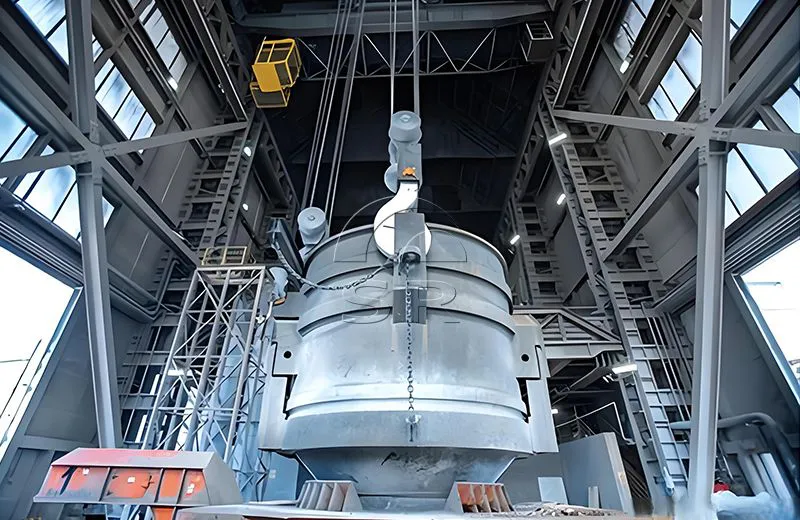
The scrap charging basket of the electric arc furnace is mainly used for loading and conveying raw materials such as scrap steel into the electric arc furnace for smelting.
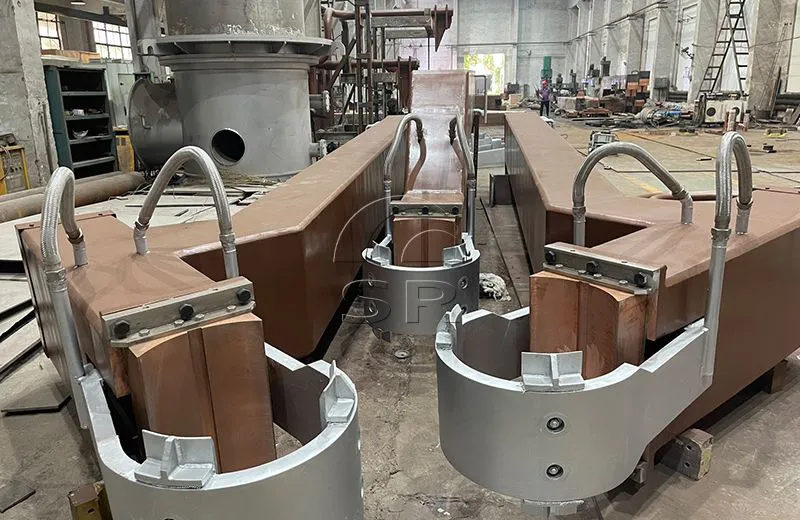
There are many insulation links between the EAF electrode holder and the conductive cross arm body, which greatly simplifies the cconductive cross arm structure and is a new type of electrode arm on the ultra-high power arc furnace.
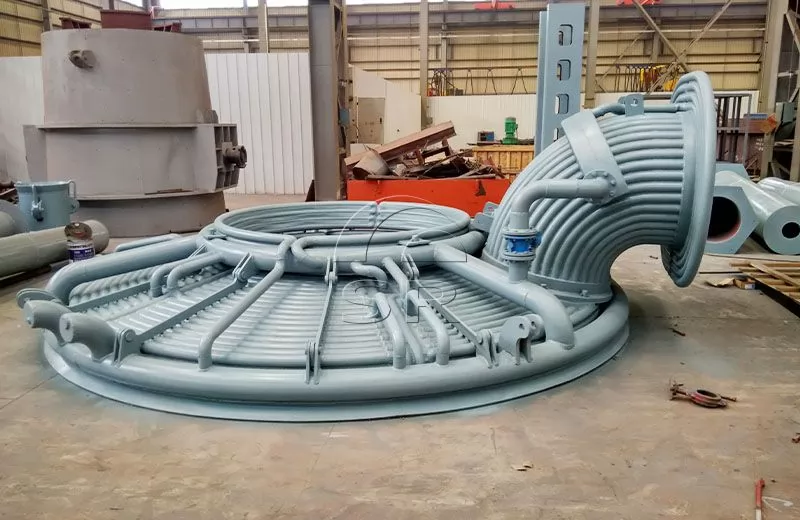
Generally, the furnace cover of the electric arc furnace adopts the tubular water-cooled closed tube furnace cover structure.
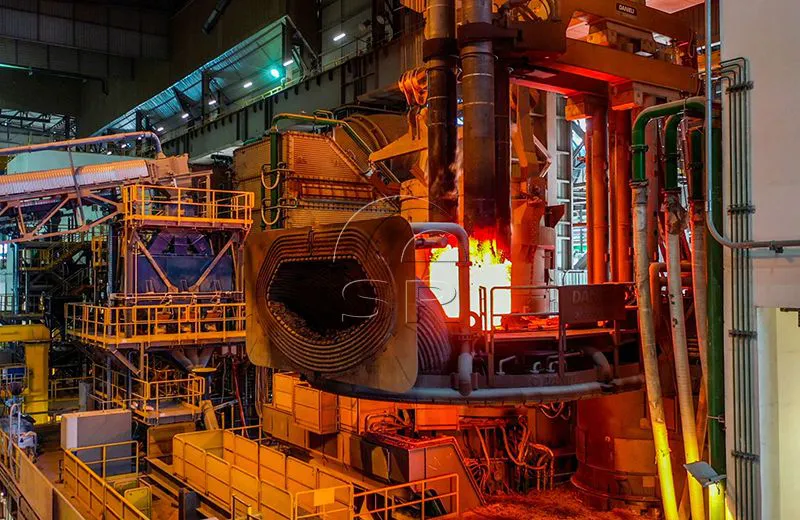
The electrode lifting mechanism of electric arc furnace is composed of conductive cross arm and electrode column device.
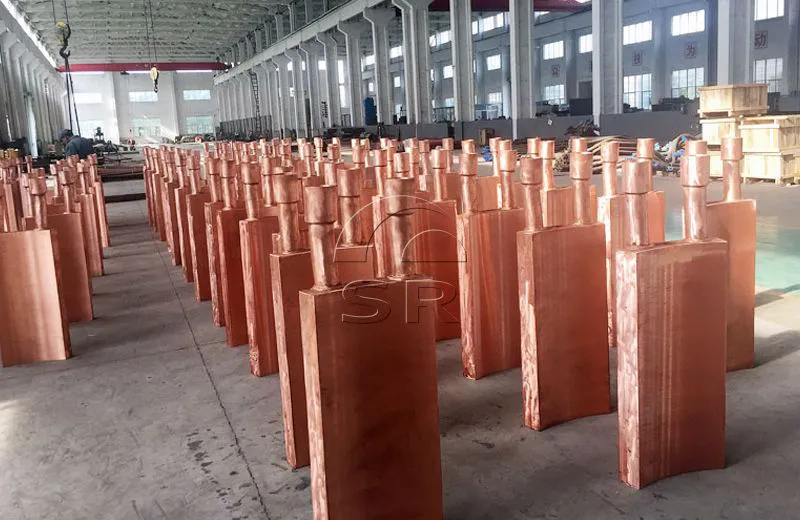
Forged copper tile is one of the main accessories in submerged arc furnace (silicon metal furnace, calcium carbide furnace and iron alloy furnace). It generates heat energy due to passing through large current at high temperature, and is easy to be damaged due to poor working environment.
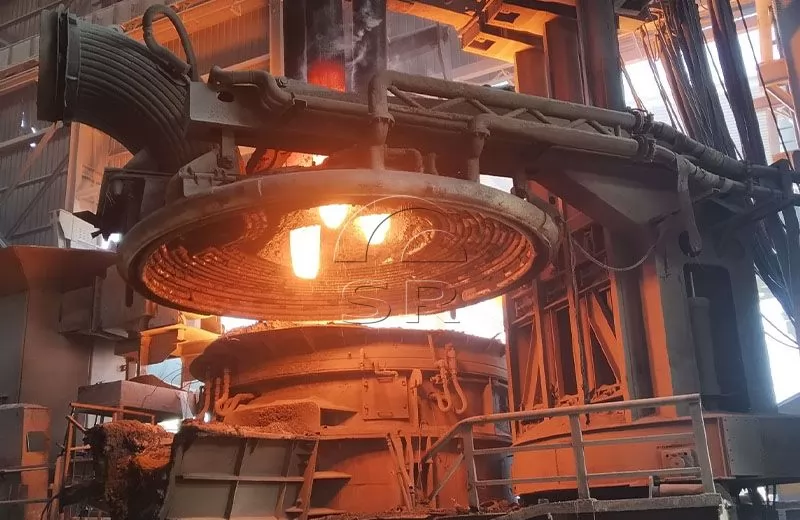
The furnace cover lifting and rotating device consists of a furnace cover lifting mechanism, a rotating mechanism and a rotating frame.
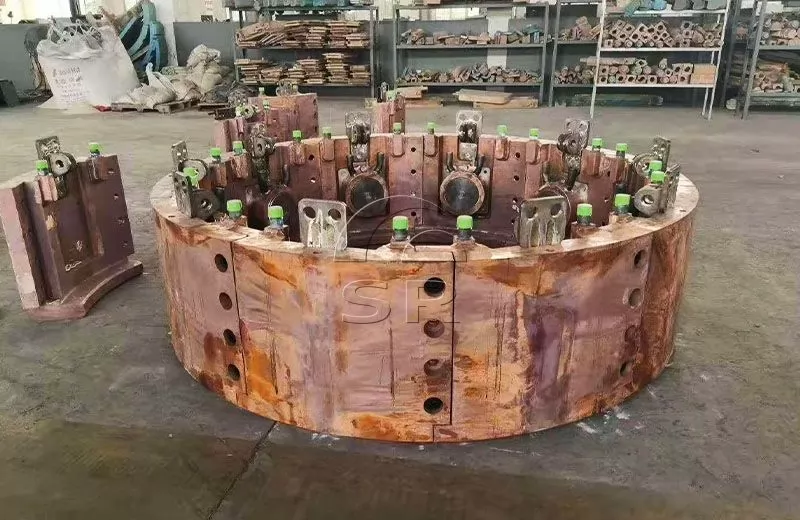
Submerged arc furnace pressure ring is used to monitor the change of air pressure in the furnace in real time, and adjust the air pressure automatically or manually according to the preset parameters to ensure the stability of air pressure in the furnace
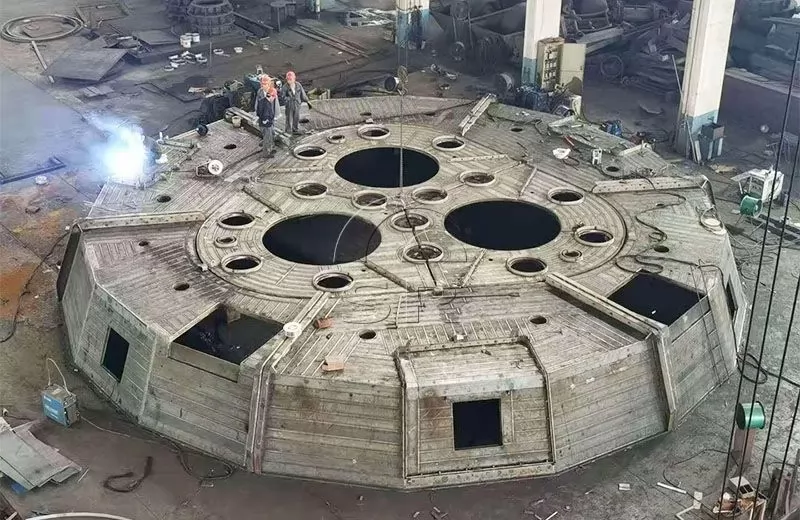
Submerged arc furnace water-cooled Roof is an important part of submerged arc furnace (also known as electric arc furnace, calcium carbide furnace or mining furnace), which is mainly used to close the top of furnace body and bear the high temperature and pressure in the furnace.
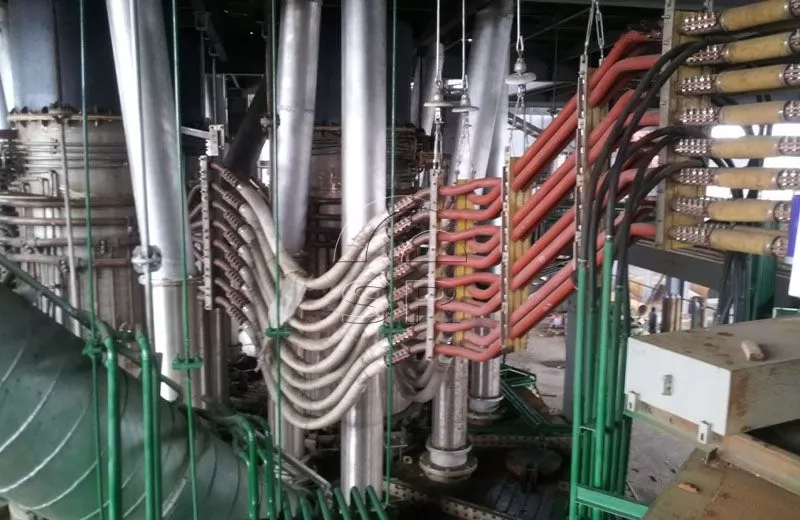
Short network bus systems), also known as high current line, refers to the general term of the carrier fluid from the secondary outlet terminal of the transformer to the electrode (including the electrode).
Navigation
E-mail: anna@srfurnace.com
Tel: +86 159 2955 5868
WhatsApp: +86 159 2955 5868
Add:
Room 422, 4th Floor, Building D, No. 5, Phase I, Fengdong Free Trade Industrial Park, Xixian New District, Shaanxi Province