Dec. 23, 2025
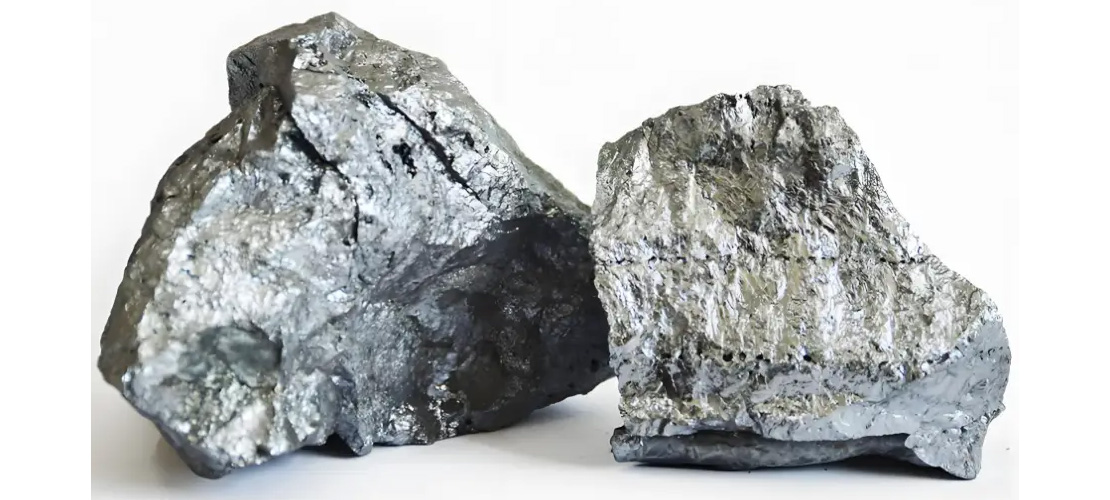
Silicon-manganese alloy is an important type of ferroalloy, widely used in the iron and steel smelting industry. Ferroalloys are generally classified into several series based on their composition and function, such as silicon-based, manganese-based, and chromium-based alloys. Ferrosilicon and silicon manganese are the most commonly used ferroalloy materials in steelmaking, primarily as deoxidizers and alloying additives to remove harmful elements such as oxygen and sulfur from molten steel, thereby improving the quality and performance of the steel. In addition, the silicon element in ferrosilicon can also be used in the smelting of metallic magnesium.
Silicon manganese alloy is an alloy composed of manganese, silicon, iron, and small amounts of carbon and other elements. It is a widely used and high-volume ferroalloy. It is a commonly used composite deoxidizer in steelmaking, with a significant deoxidizing effect, and also a reducing agent in the production of metallic manganese from low-carbon iron and the electrosilicon thermal process. Silicon-manganese alloy can be smelted continuously in large, medium, and small submerged arc furnaces. Silicon-manganese is abundant in southwestern China, including Yunnan, Guizhou, Guangxi, and Hunan. Raw materials for producing silicon-manganese alloy include manganese ore, manganese-rich slag, silica, and coke.
Ferrosilicon is an iron-silicon alloy composed of iron and silicon. It is produced by smelting coke, steel scrap, and quartz (or silica) in an electric furnace. Because silicon and oxygen readily combine to form silicon dioxide, ferrosilicon is commonly used as a deoxidizer in steelmaking. Furthermore, the large amount of heat released during SiO2 formation contributes to both deoxidation and increased steel temperature. Ferrosilicon is also widely used as an alloying element in low-alloy structural steel, spring steel, bearing steel, heat-resistant steel, and electrical silicon steel. In ferroalloy production and the chemical industry, it is frequently used as a reducing agent.
In steelmaking, molten iron is typically decarburized and impurities such as phosphorus and sulfur are removed through oxygen blowing or the addition of oxidants. However, during this process, the oxygen content in the molten steel continuously increases, with oxygen primarily existing as FeO. If oxygen cannot be effectively removed, it will severely affect the mechanical properties and internal quality of the steel billet.
Therefore, it is necessary to add elements with strong affinity for oxygen and easy slag discharge to molten steel for deoxidation. The order of element affinity for oxygen from weakest to strongest is: chromium → manganese → carbon → silicon → vanadium → titanium → boron → aluminum → zirconium → calcium.
For this reason, commonly used deoxidizing ferroalloys in steelmaking are mainly composed of elements such as silicon, manganese, aluminum, and calcium, with ferrosilicon and silicon-manganese alloys being the most important deoxidizing materials.
Silicon-manganese alloys not only have deoxidizing functions but can also be used as important alloying additives. The addition of alloying elements can not only reduce the impurity content in steel but also precisely control the chemical composition of the steel, thereby improving the overall performance of the steel.
Common alloying elements include: silicon, manganese, chromium, molybdenum, vanadium, titanium, tungsten, cobalt, boron, niobium, etc.
Different types and amounts of alloying elements result in significant differences in the strength, toughness, wear resistance, heat resistance, and processing performance of steel, thus meeting the needs of different industrial sectors.
Ferrosilicon can also act as a reducing agent in ferroalloy production. For example:
Ferrosilicon can be used to produce ferromolybdenum, ferrovanadium, and other ferroalloys;
Silicon-chromium alloys can be used as reducing agents for medium- and low-carbon ferrochrome;
Silicon-manganese ferroalloys can be used for the refining production of medium- and low-carbon ferromanganese.
This characteristic makes ferrosilicon and silicon-manganese alloys equally important in the field of deep processing of ferroalloys.
① Manganese ore price. Regarding the main ferroalloys—manganese, chromium, and silicon—while domestic resources of silica are abundant and inexpensive, manganese ore, due to its lower grade, higher mining costs, and limited reserves, requires imports for about one-third of its production. Manganese ore accounts for a significant portion of the production cost of ferromanganese alloys. my country is extremely short of chromium ore resources and relies almost entirely on imports, making it a substantial component of the cost structure of ferrochrome.
② Electricity and coke prices. The production cost of ferromanganese alloys mainly consists of the procurement costs of manganese ore, electricity, and coke. Manganese ore costs account for approximately 55%-60%, electricity costs for approximately 20%-30%, and coke costs for approximately 10%-15%. Furthermore, many companies, in addition to using domestically produced low-phosphorus, low-iron, low-sulfur, and low-silicon manganese ore, purchase a blend of imported and domestic ores for smelting to improve the grade of raw materials entering the furnace, increase manganese recovery, and reduce electricity consumption and production costs.
① Raw Material Prices. Ferrosilicon is an iron alloy synthesized from silicon, iron, and coke. Its price is naturally affected by the prices of these raw materials. Rising raw material prices increase the cost of synthesizing ferrosilicon, thus raising its price.
② Ferrosilicon Production. The production volume of ferrosilicon determines the market supply, which in turn affects its market price.
③ Import and Export Volume. The volume of ferrosilicon imports and exports in my country also affects the domestic price.
④ National Policies. A series of relevant national policies also affect ferrosilicon prices, such as environmental protection policies and import/export tariffs.
In summary:
Silicon significantly improves the elasticity, magnetic conductivity, and strength of steel;
Manganese reduces the brittleness of steel, improves hot working performance, and simultaneously increases the strength, hardness, and wear resistance of steel.
Manganese is an indispensable basic functional raw material for producing high-quality steel. In the steelmaking process, manganese not only effectively removes harmful impurities such as sulfur and oxygen, but also comprehensively improves the quality of steel by enhancing its physical properties. Currently, the role of manganese in steel production remains irreplaceable by other elements.
Latest News
Submerged Arc Furnace: Structural Design, Operating Principles, and Core Equipment Analysis
Jun. 09, 2026
May. 27, 2026
Latest Products
Customized metallurgical machinery and equipment range: Electric Arc Furnace, Submerged Arc Furnace, LF Refining Furnace, Vacuum Furnace, Induction Furnace, Dust Remove System, Water Treatment Equipment, etc. Providing the most advanced equipment integration services, metallurgical equipment can be customized according to different needs of customers, and production capacity can be adjusted according to customer requirements.
Electric Arc Furnace
Submerged Arc Furnace
LF Refining Furnace
VD / VOD Vacuum Refining Furnace
Induction Furnace
Furnace Accessories
The 5 ton electric arc furnace for steel-making is a special purpose equipment that makes ordinary steel, quality carbon steel, alloy steel and non-corrosive steel with electric arc as heat source and scrap steel (iron) as raw material.
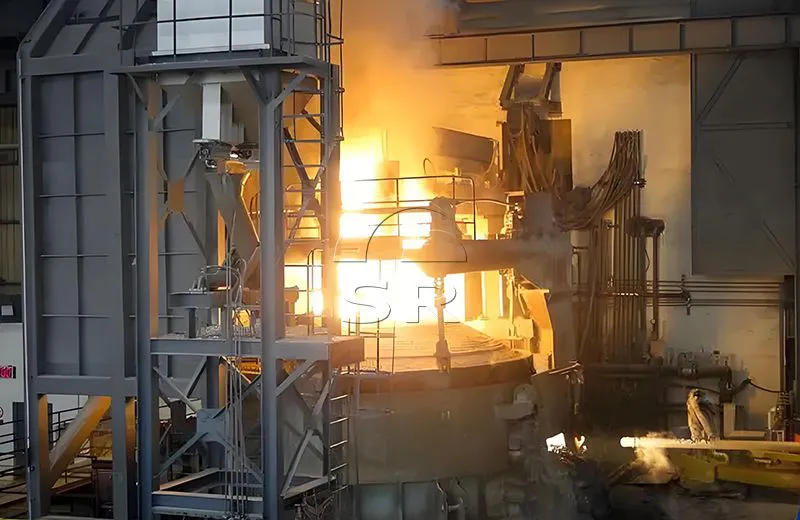
15-ton electric arc furnace is used for the short-process steelmaking process, using 100% scrap steel or scrap steel + molten iron (pig iron), or scrap steel + sponge iron (DRI) as raw materials for steelmaking.
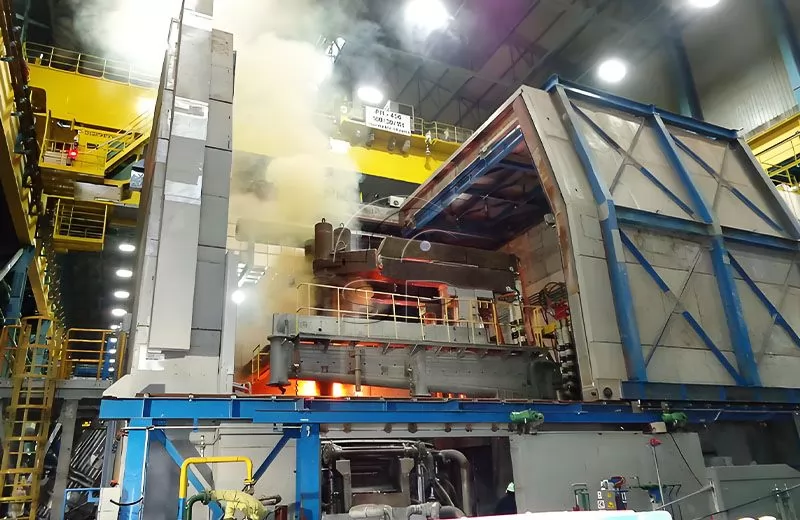
The 30-ton AC electric arc furnace is used to melt scrap steel to produce steel. Electrical energy is used to melt scrap steel. An arc forms between the charged material and the electrode.
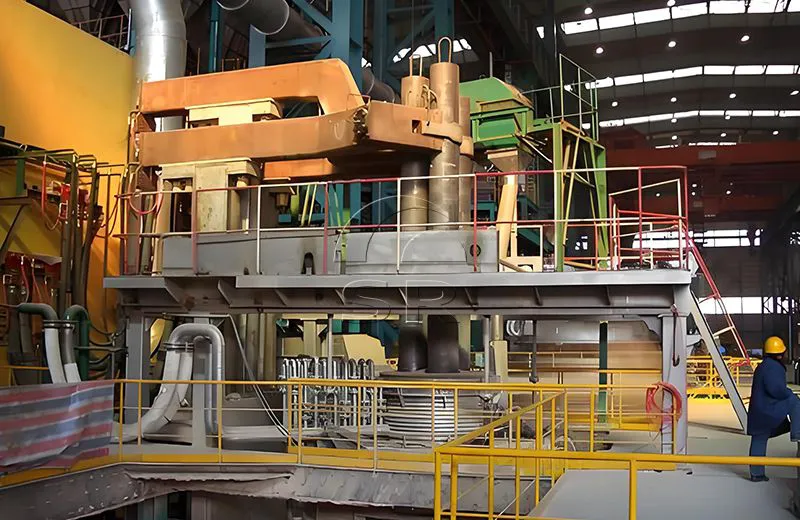
30 Ton electric arc furnace is used for steelmaking short process smelting, using 100% scrap steel or scrap steel + molten iron (pig iron), or scrap steel + sponge iron (DRI) as raw materials for steelmaking.
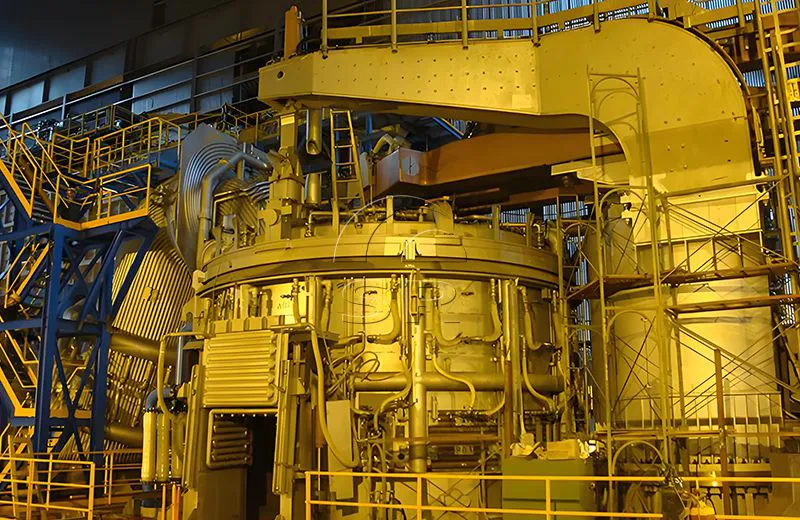
The 50-ton ultra-high power electric arc furnace (50TUPH EAF) adopts ultra-high power, high impedance technology, bottom tapping technology (ETB), furnace wall oxygen oil burner and furnace door carbon-oxygen gun technology.
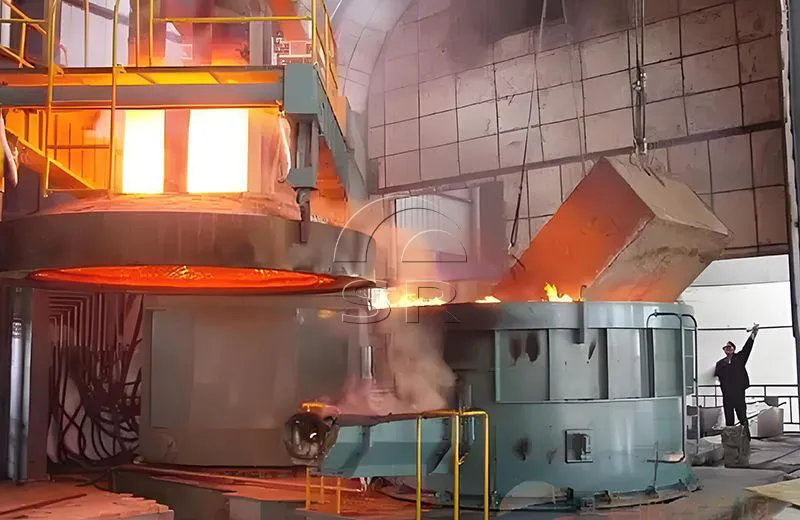
DC electric arc furnace is an electric arc furnace supplying electric energy with DC power supply. There is only one electrode on the top of the DC arc furnace, which is the negative electrode, and the bottom electrode is the positive electrode.
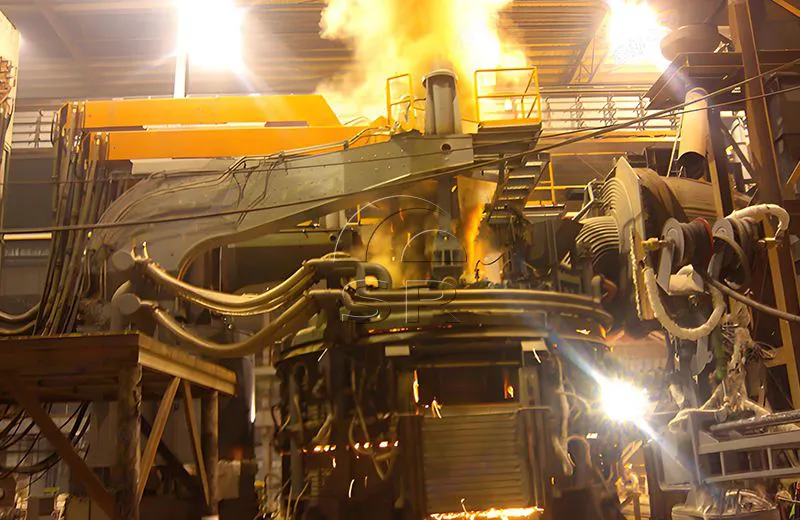
Electric arc furnaces are used to melt scrap steel for steel production. Electrical energy is used to melt scrap steel. An arc forms between the charged material and the electrode. The heat generated by the arc melts the scrap.
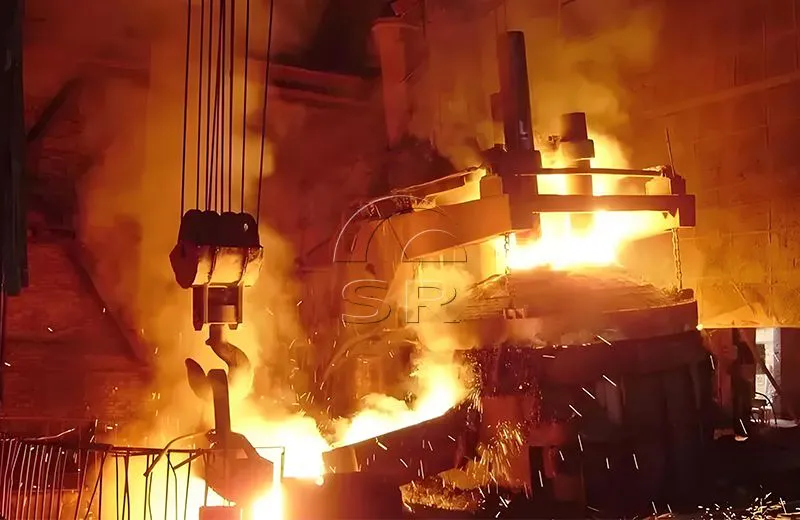
Electric arc furnace steel making is a steelmaking method that uses the thermal effect of electric arc to heat the charge for melting.
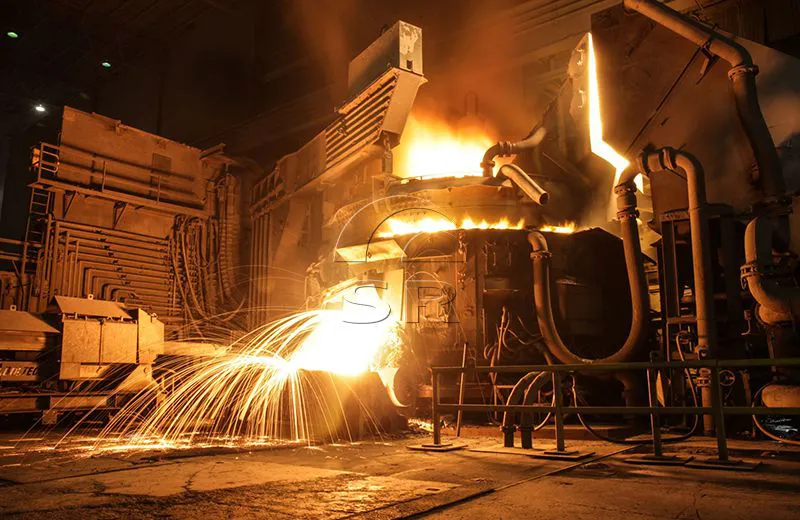
Ultra-high power electric arc furnace mainly changes the arc characteristics of high voltage and long arc to the arc characteristics of high current, low voltage and short arc
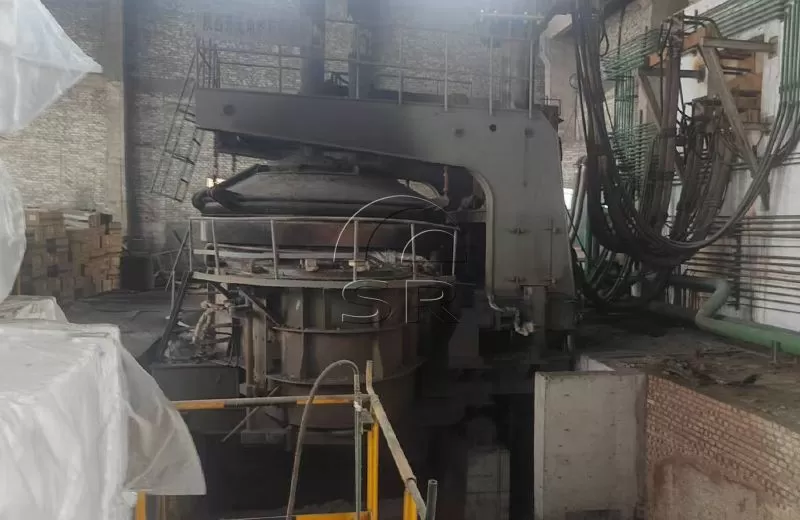
1 ton electric arc furnace is used for melting steel and titanium scrap metal. The principle of electric arc furnace is based on the generation of direct current, which converts electrical energy into heat energy through electrodes to melt the metal.
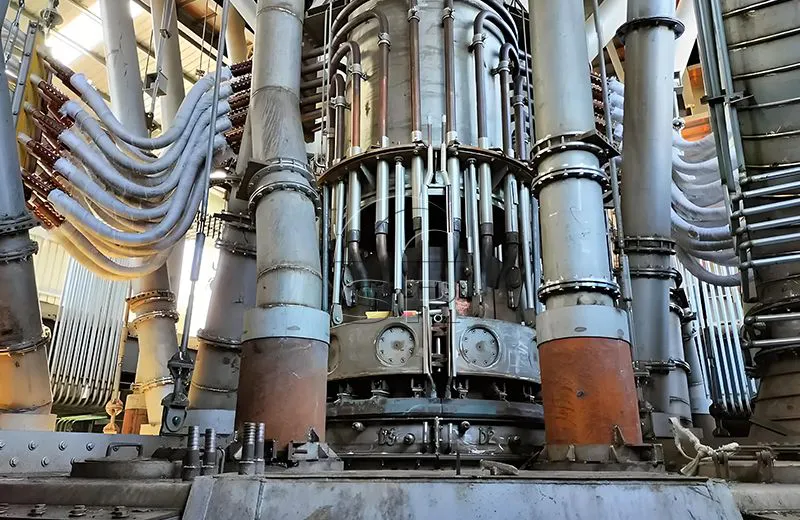
The closed pig iron furnace (submerged arc furnace iron making) is a non-blast furnace iron making method. Under the premise of guaranteeing the power supply, it is easy to solve the problem by using the reducing agent required by the submerged arc furnace iron making.
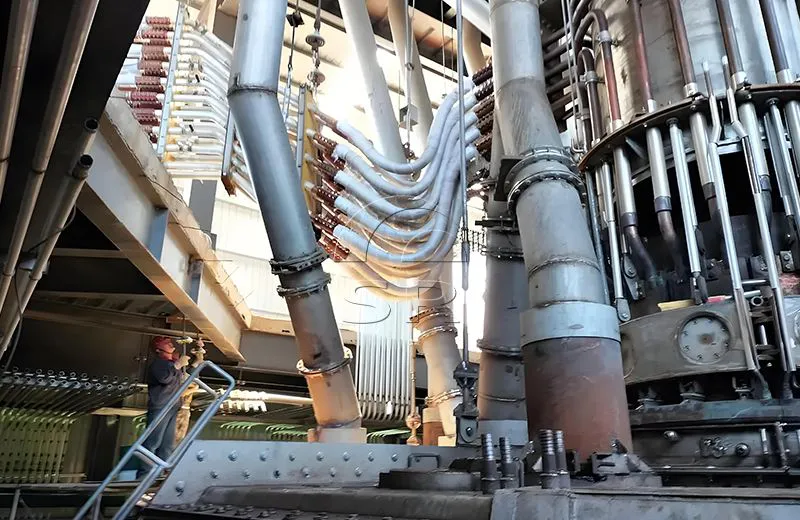
The main mechanical device design of Sanui ferroalloy refining furnace combines China's national conditions and draws on international advanced technologies such as Demark and Pyremate.
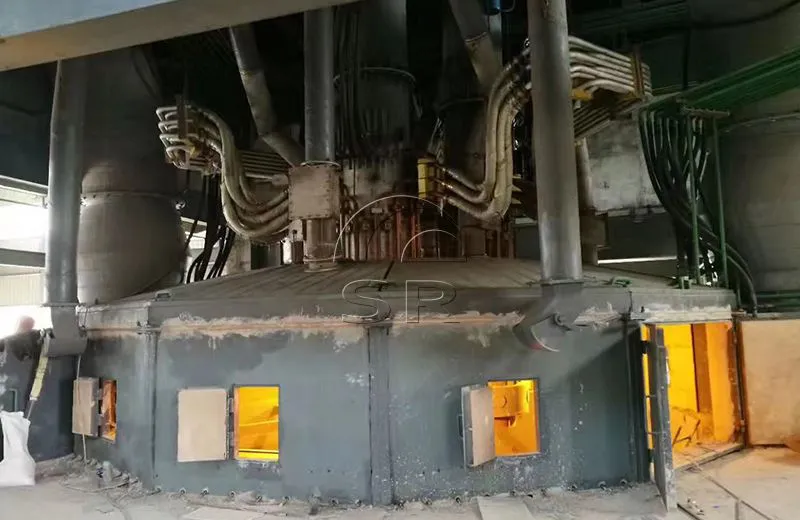
The Ferronickel submerged arc furnace is a special submerged arc furnace used for smelting nickel-iron alloy. Its main function is to add nickel ore, carbonaceous reducing agent (such as coke) and limestone and other raw materials into the furnace in a certain proportion
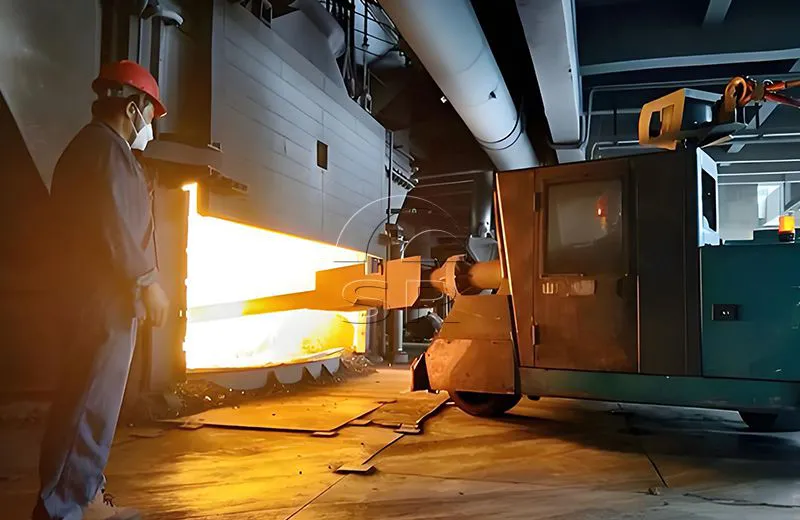
The main mechanical device design of Sanui ferrosilicon furnace combines China's national conditions and draws on international advanced technologies such as Demark and Pyremate.
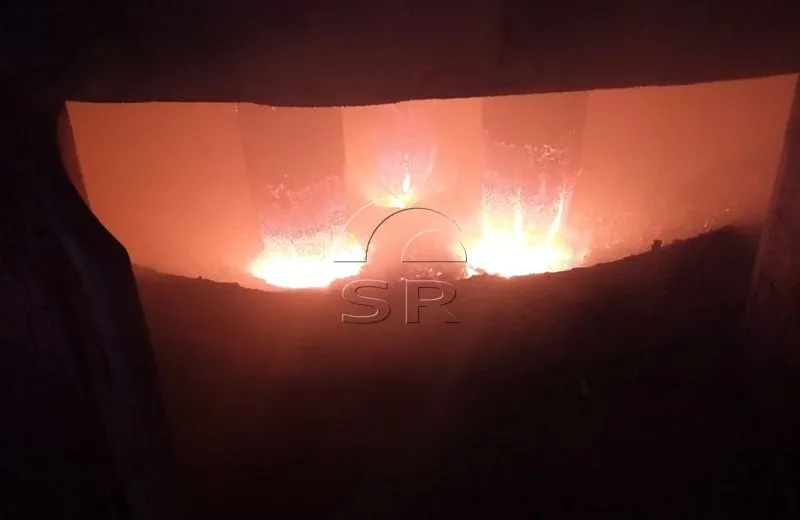
The main mechanical device design of Sanui high carbon ferrochrome furnace combines China's national conditions and draws on international advanced technologies such as Demark and Pyremate.
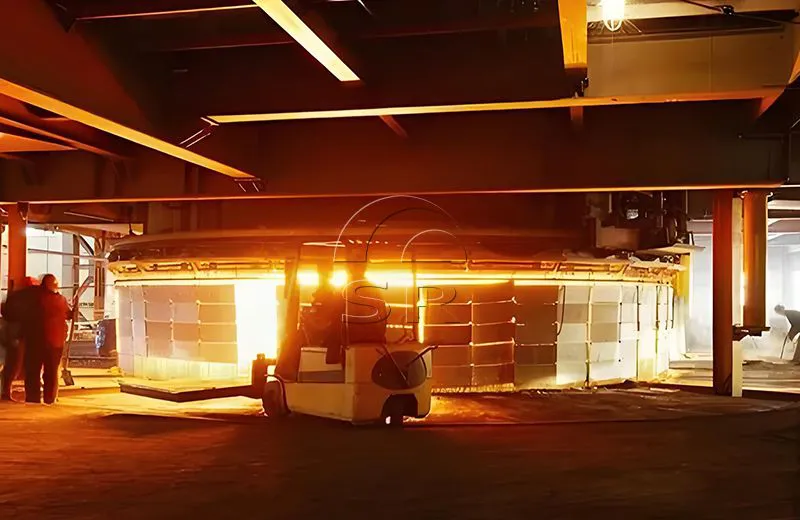
Industrial silicon submerged arc furnace is an important equipment in silicon ore processing, playing a key role in the silicon industry.
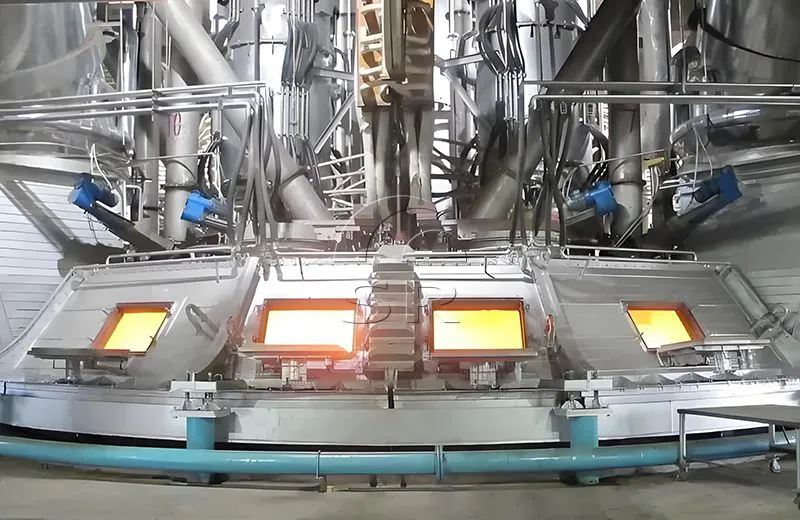
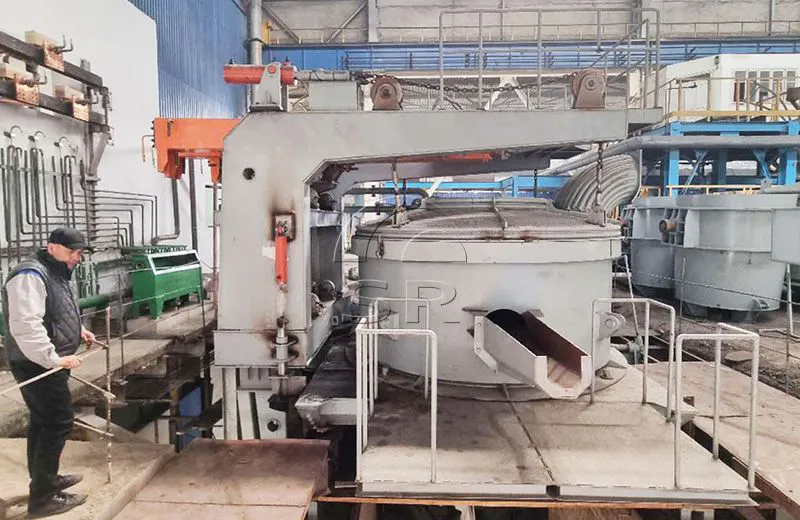
The manganese silicon alloy furnace is mainly used to smelt silicon-manganese alloy, which is an alloy containing silicon and manganese.
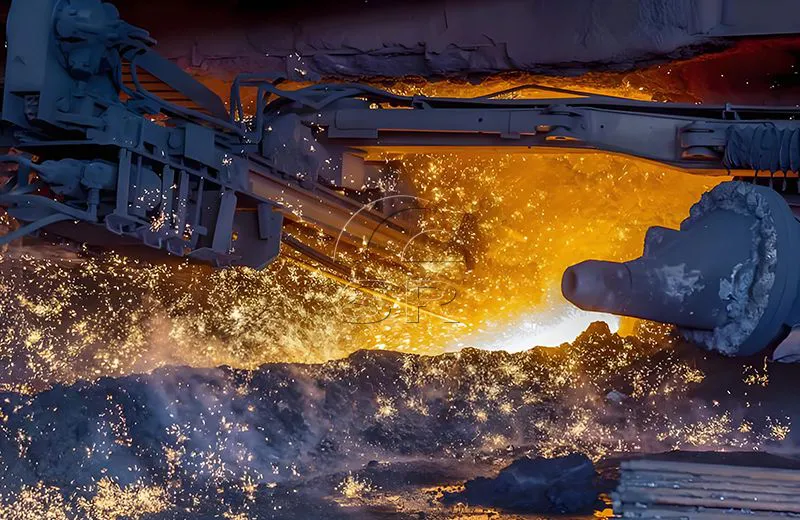
The design of the submerged arc furnace main mechanical device by Sanui is based on China's national conditions and draws on international advanced technologies such as Demark and Perlmutter.
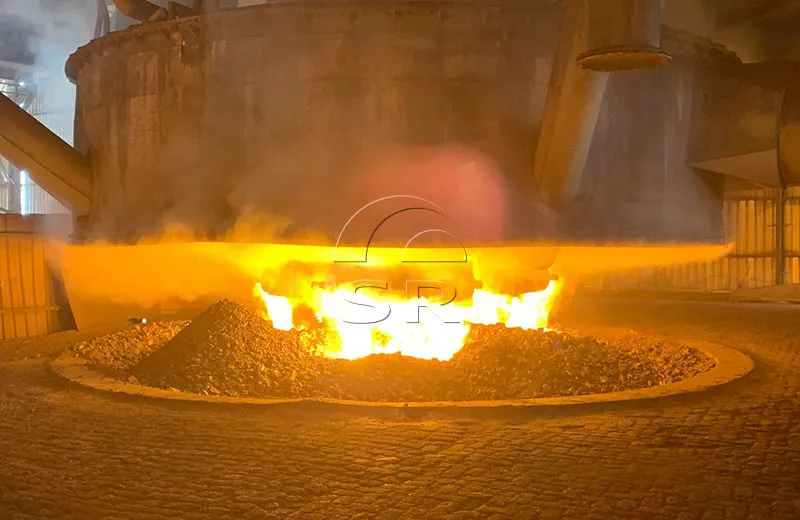
Submerged electric arc furnace is mainly used for reducing and smelting raw materials such as ore, carbonaceous reducing agent and solvent. It mainly produces ferroalloys such as ferrosilicon, ferromanganese, ferrochrome, ferrotungsten, silicon-manganese alloy, etc.
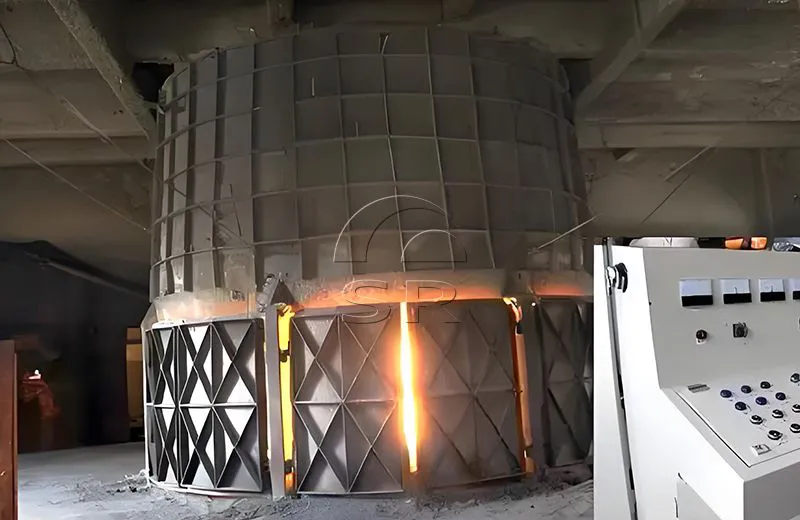
Titanium slag production adopts titanium slag electric furnace (circular furnace and rectangular furnace according to its shape) smelting process.
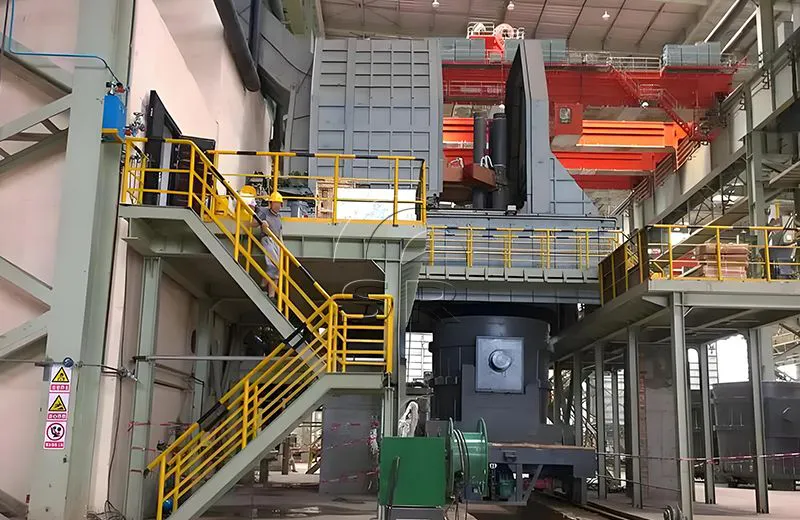
The LF 20 T ladle refining furnace has the functions of arc heating under normal pressure, argon blowing and stirring at the bottom of the ladle, and reducing slag making in the ladle.
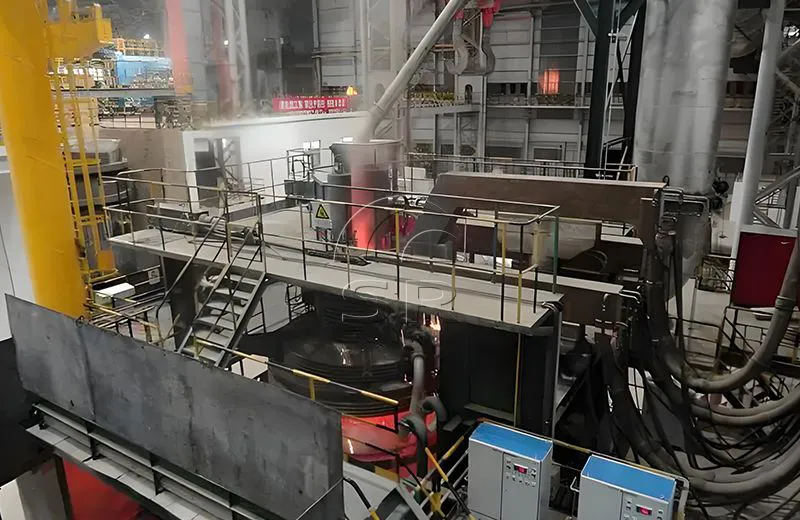
LF ladle refining furnace is a bottom-blown argon ladle furnace with three-phase submerged arc heating under normal pressure. It is a device for refining molten steel in a ladle.
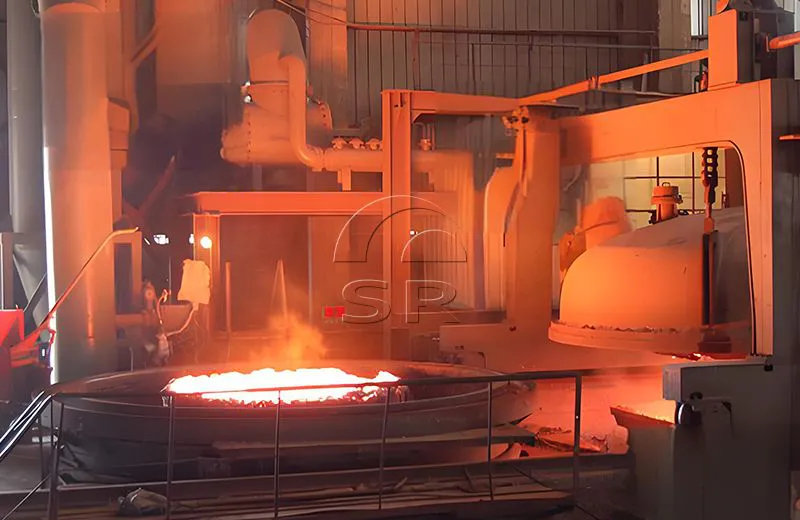
VD vacuum refining furnace is a commonly used refining process equipment, mainly used for deoxidation, impurity removal and other operations of molten steel, so as to obtain high purity, low impurity content of high quality steel.
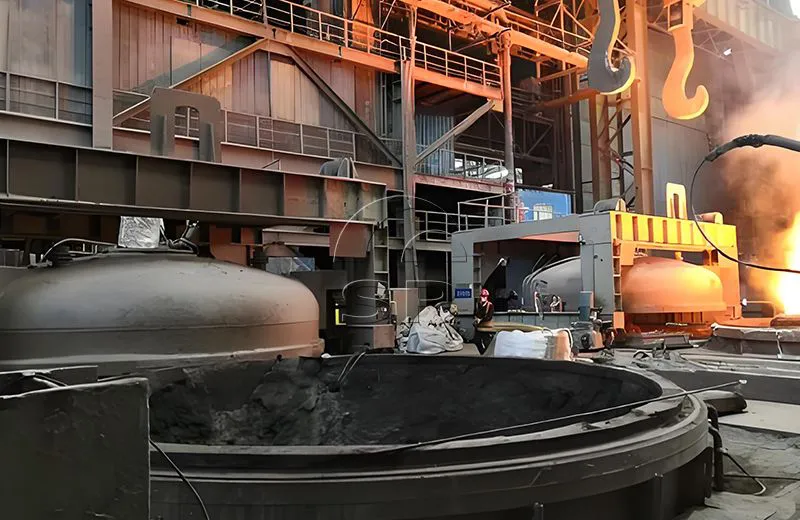
VOD vacuum refining furnace has multiple functions such as vacuum degassing, oxygen blowing decarburization, vacuum charging, argon blowing stirring, non-vacuum temperature measurement sampling, wire feeding, etc.
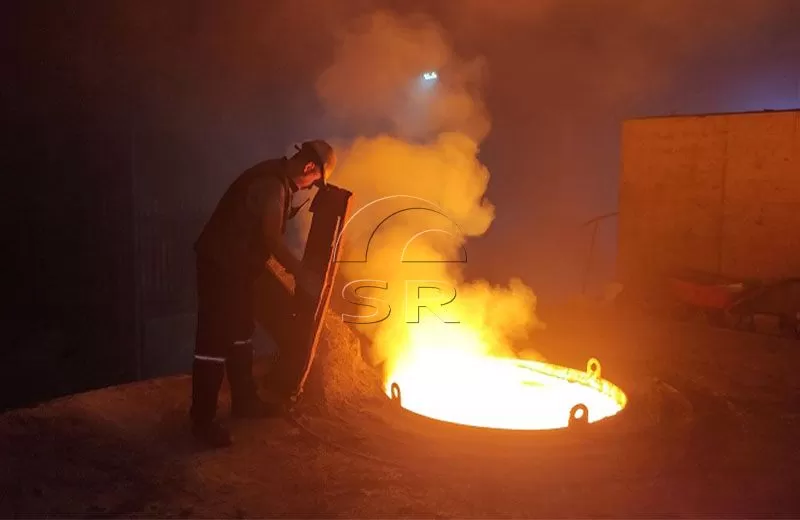
The cast steel melting induction furnace has outstanding advantages in heat penetration or melting soft magnetic alloys, high resistance alloys, platinum group alloys, heat-resistant, corrosion-resistant, wear-resistant alloys and pure metals.
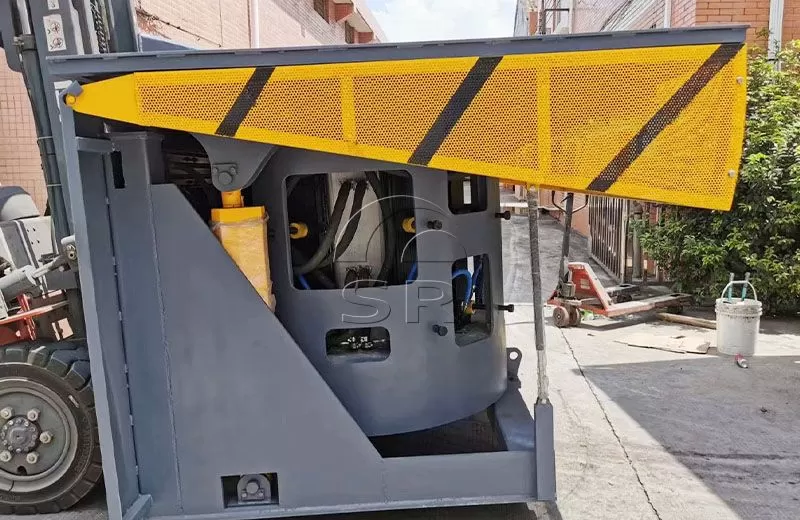
Metal silicon smelting furnace is a metal silicon medium frequency melting furnace, which consists of furnace body, water and electricity introduction system, furnace tilting device, etc. It has fast melting temperature rise, easy to control furnace temperature and high production efficiency.
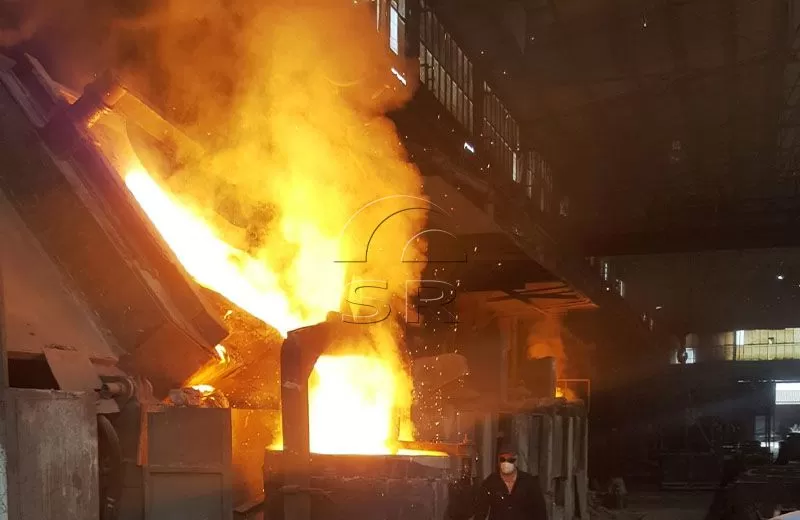
Medium frequency induction furnace mainly used for melting steel, alloy steel, special steel, stainless steel, and can also be used for melting and casting non-ferrous metals such as copper, aluminum, lead, zinc, etc. The customized range of induction furnaces sold by Sanrui ranges from 0.1 tons to 10 tons.
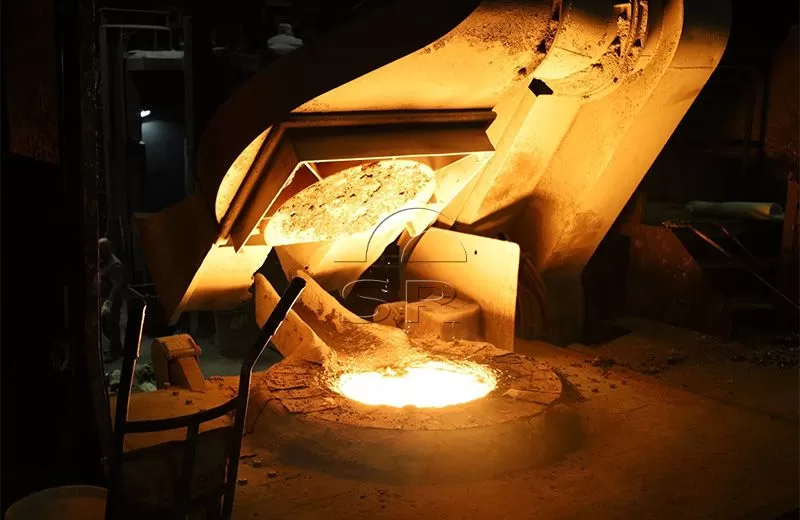
Medium frequency induction furnaces are mainly used for melting steel, alloy steel, special steel, stainless steel, and can also be used for melting and casting non-ferrous metals such as copper, aluminum, lead, and zinc.
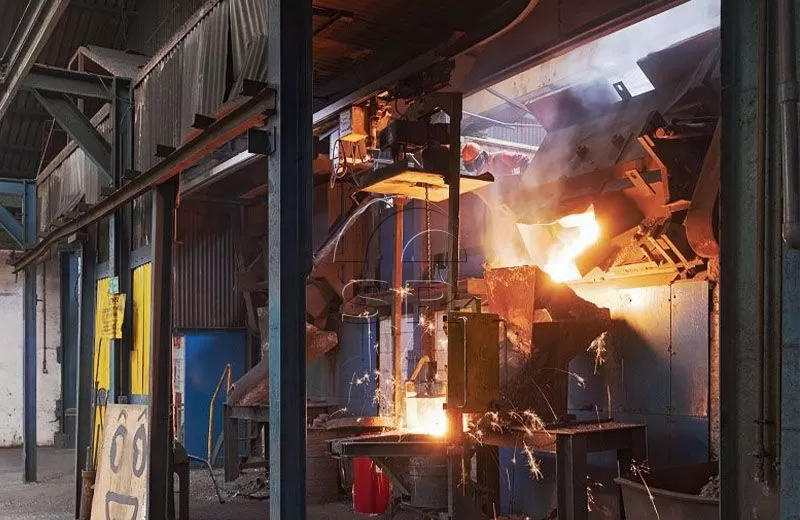
Medium frequency aluminum melting furnace is used for melting and heating aluminum, scrap aluminum, aluminum ingots, and aluminum alloys; The melting capacity ranges from 100KG to 3000KG.
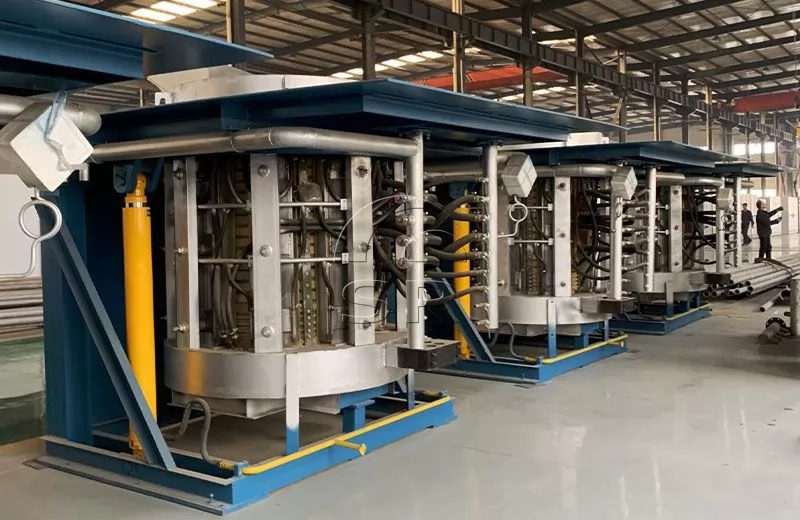
An induction furnace is an electric furnace that uses the induction electrothermal effect of the material to heat or melt the material. The main components of an induction furnace are sensors, furnace body, power supply, capacitors and control system.
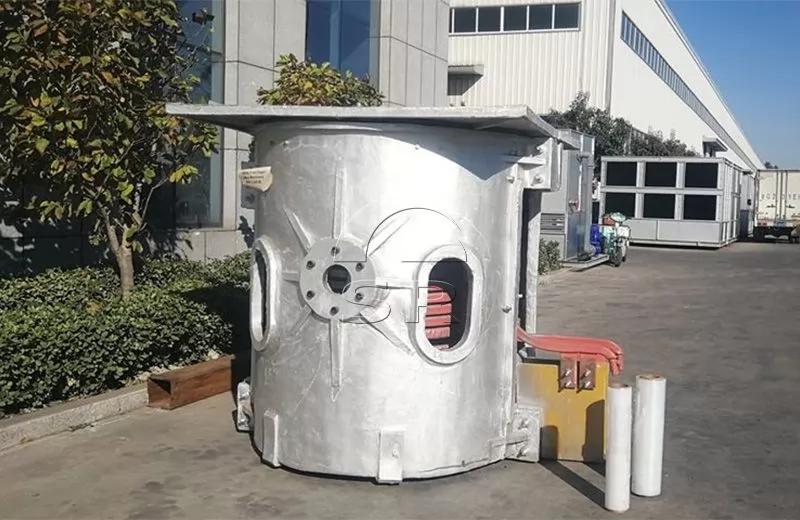
The 3-ton medium frequency coreless induction furnace adopts a 6-phase 12-pulse double rectifier control system. A 2000KVA special rectifier transformer is used for the 2000KW medium frequency power supply.
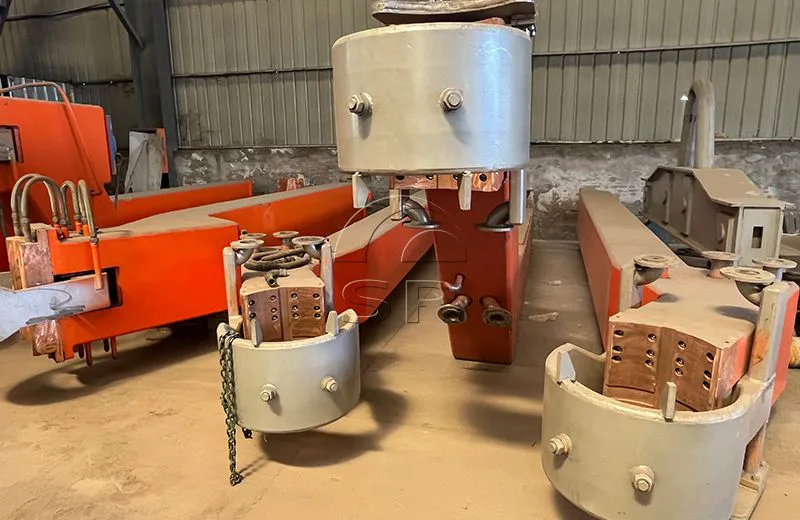
The conductive arm of an electric arc furnace (EAF) is primarily composed of the front electrode conductive arm holder, a water-cooled clamping ring, the arm body, and the rear conductive copper plate.
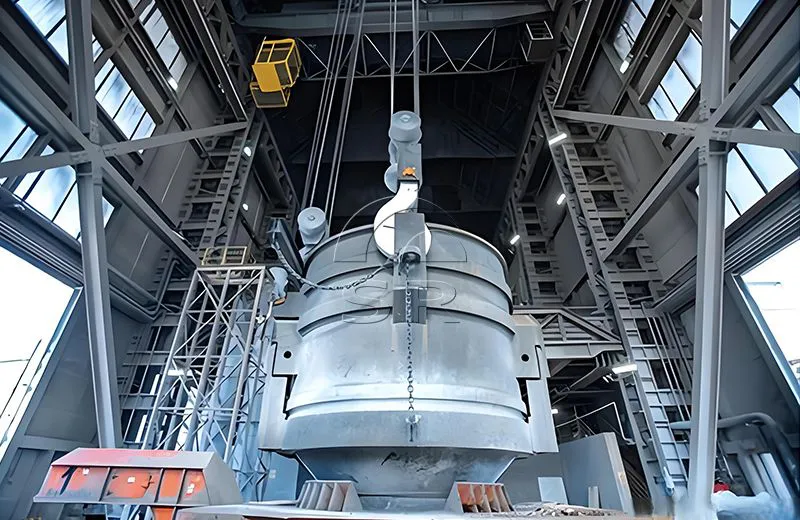
The scrap charging basket of the electric arc furnace is mainly used for loading and conveying raw materials such as scrap steel into the electric arc furnace for smelting.
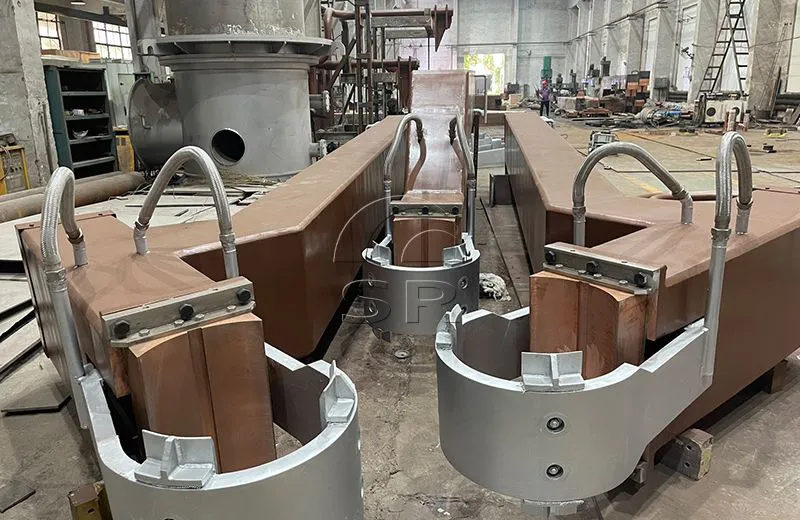
There are many insulation links between the EAF electrode holder and the conductive cross arm body, which greatly simplifies the cconductive cross arm structure and is a new type of electrode arm on the ultra-high power arc furnace.
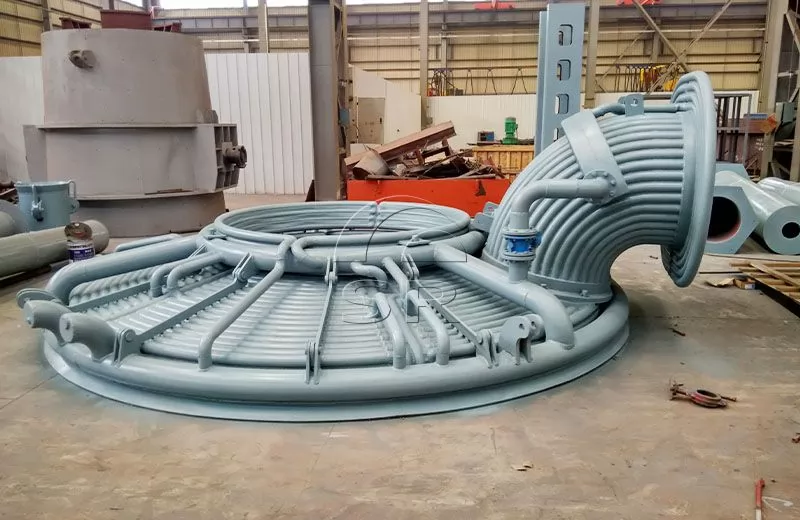
Generally, the furnace cover of the electric arc furnace adopts the tubular water-cooled closed tube furnace cover structure.
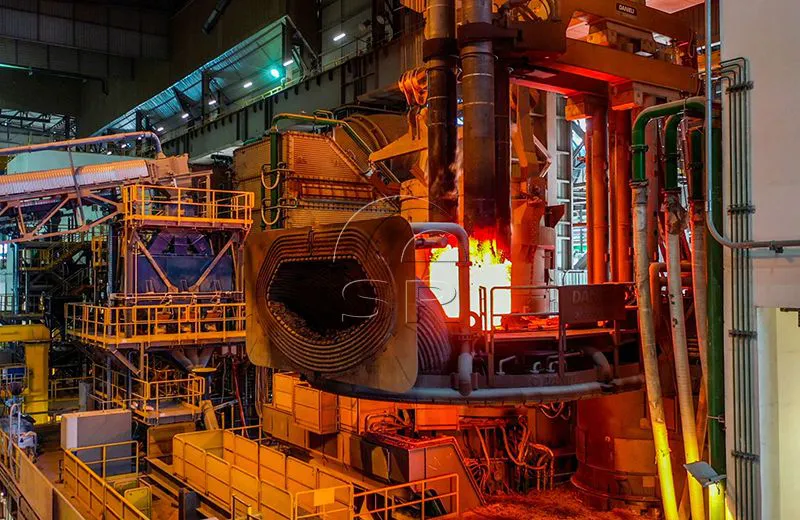
The electrode lifting mechanism of electric arc furnace is composed of conductive cross arm and electrode column device.
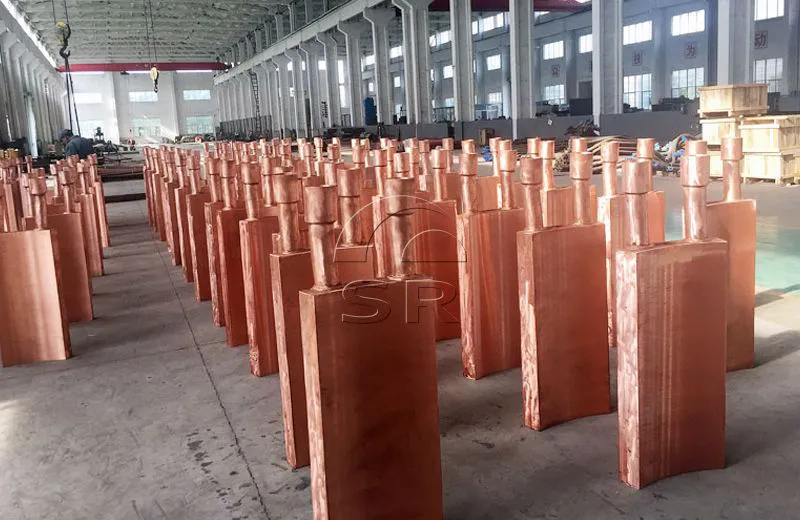
Forged copper tile is one of the main accessories in submerged arc furnace (silicon metal furnace, calcium carbide furnace and iron alloy furnace). It generates heat energy due to passing through large current at high temperature, and is easy to be damaged due to poor working environment.
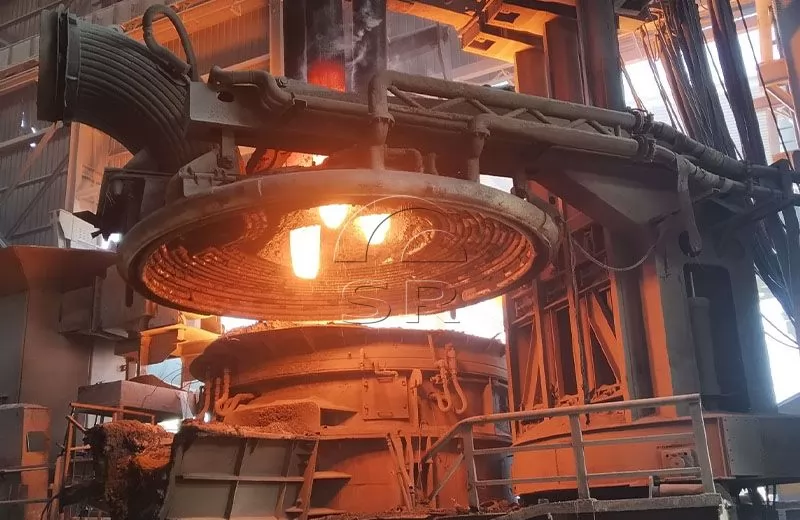
The furnace cover lifting and rotating device consists of a furnace cover lifting mechanism, a rotating mechanism and a rotating frame.
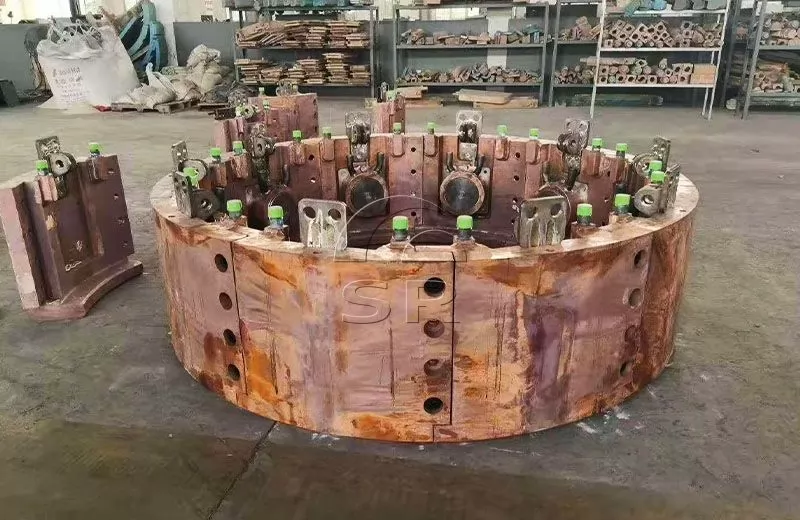
Submerged arc furnace pressure ring is used to monitor the change of air pressure in the furnace in real time, and adjust the air pressure automatically or manually according to the preset parameters to ensure the stability of air pressure in the furnace
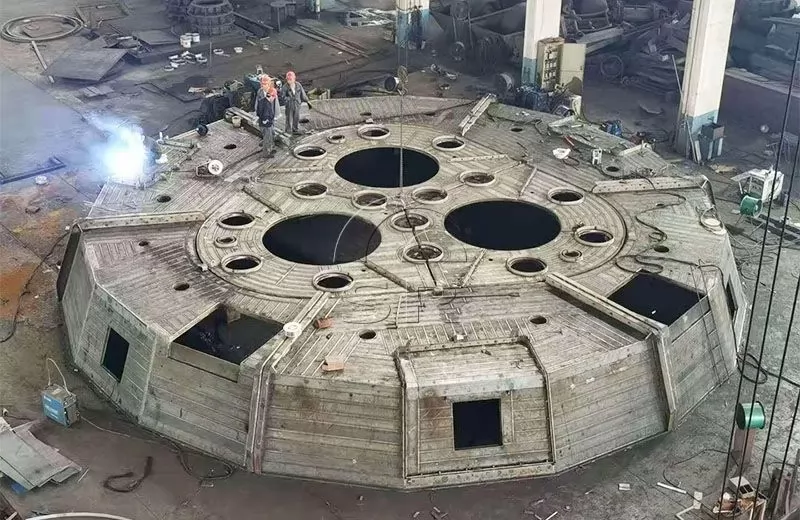
Submerged arc furnace water-cooled Roof is an important part of submerged arc furnace (also known as electric arc furnace, calcium carbide furnace or mining furnace), which is mainly used to close the top of furnace body and bear the high temperature and pressure in the furnace.
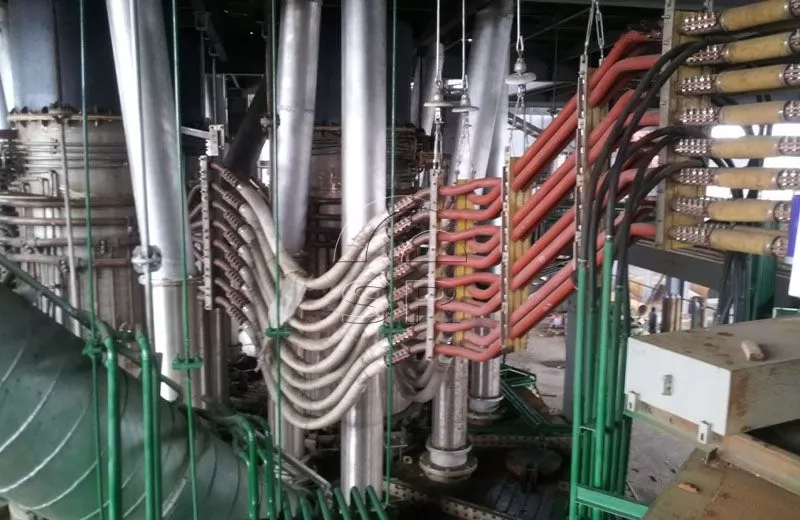
Short network bus systems), also known as high current line, refers to the general term of the carrier fluid from the secondary outlet terminal of the transformer to the electrode (including the electrode).
Navigation
E-mail: anna@srfurnace.com
Tel: +86 159 2955 5868
WhatsApp: +86 159 2955 5868
Add:
Room 422, 4th Floor, Building D, No. 5, Phase I, Fengdong Free Trade Industrial Park, Xixian New District, Shaanxi Province