Dec. 22, 2025

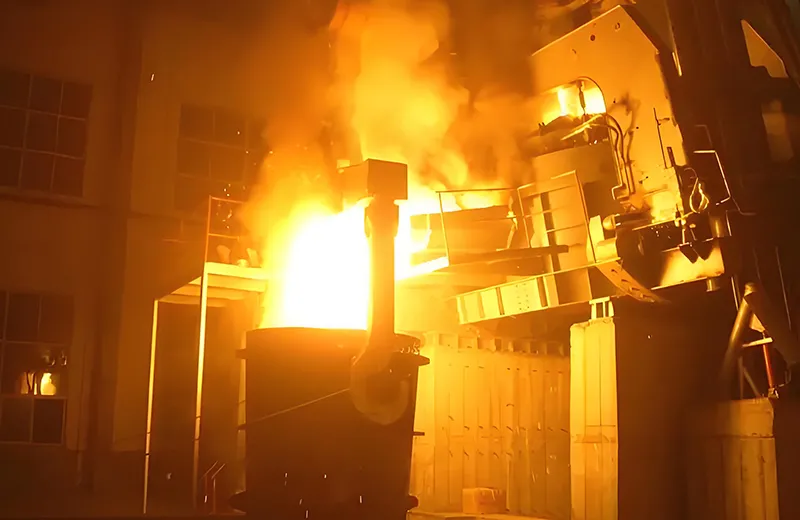
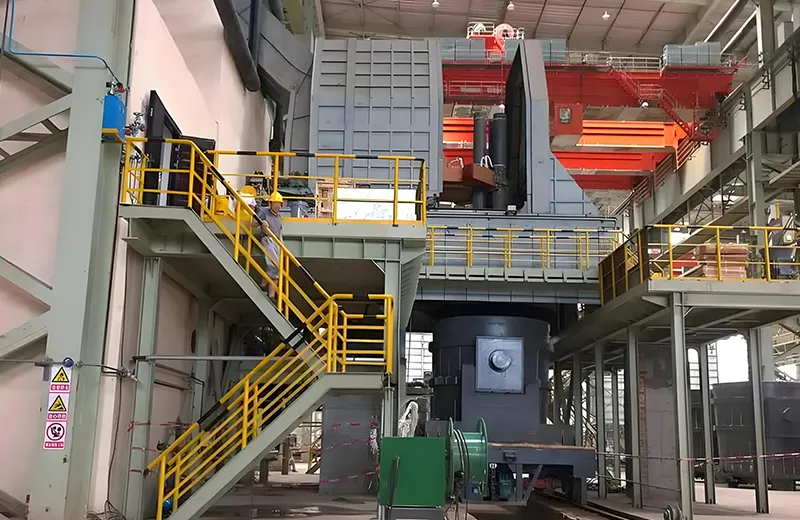
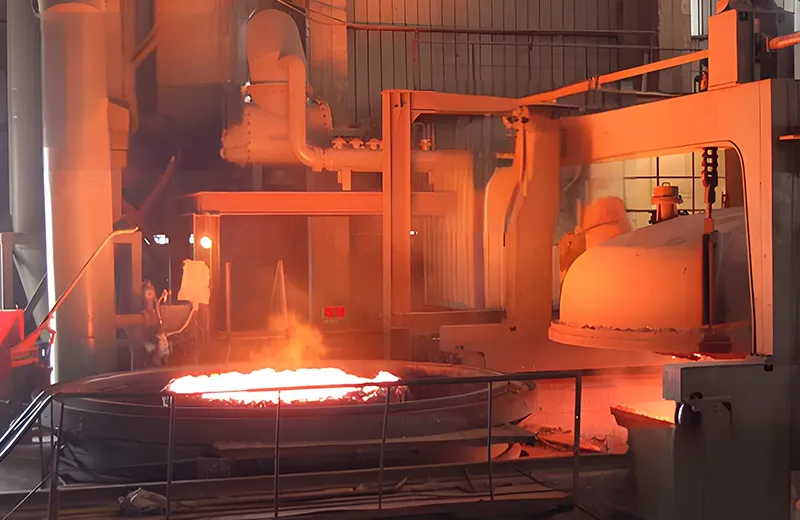
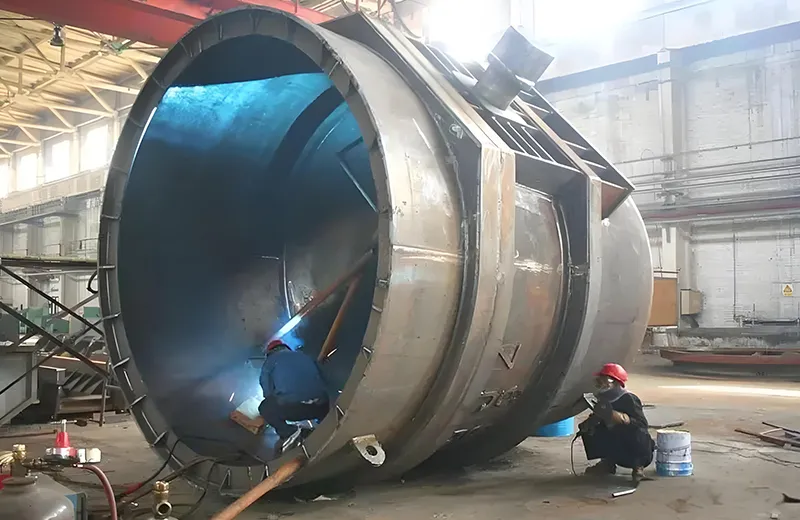
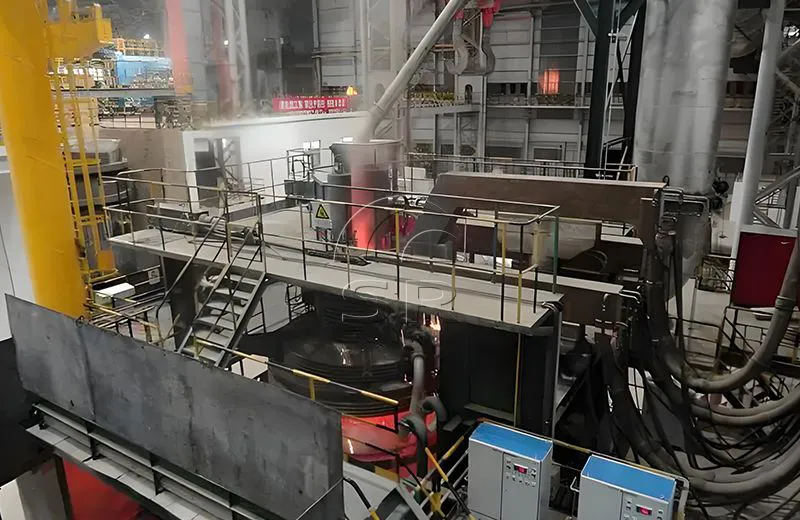
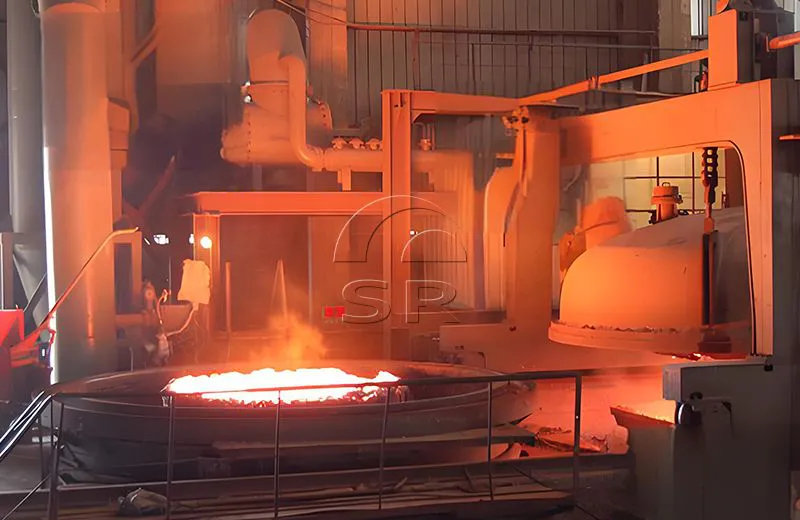
15t electric arc furnaces is a small to medium-sized furnace, commonly used in modern steel production to produce special steels, alloy steels, or as a supplement to large integrated steel enterprises. It is mainly used for short-process steelmaking of ferrous metals, and its raw materials can be 100% scrap steel, or a combination of scrap steel and molten iron (pig iron), or scrap steel and sponge iron (DRI).
The steelmaking electric furnace melts scrap steel using electrical energy, utilizing the electric arc formed between the charged material and electrodes for heating. These EAFs typically use 10-35kV voltage and are equipped with a water-cooling system to ensure safe operation.
The entire smelting process of the EAF smelting furnaces is a systematic engineering project that uses electric energy to heat raw materials such as scrap steel and/or pig iron, and through physicochemical reactions, to smelt steel with qualified composition and temperature. It is mainly divided into the following stages:
1. Furnace Lining Preparation: Inspect and repair the refractory materials (usually magnesia-carbon bricks) of the furnace wall and bottom. Ensure the taphole is tightly sealed.
2. Batching Calculation: Based on the target steel composition, calculate the required proportions of scrap steel, pig iron, alloys, and slag-forming materials (lime, fluorite, etc.). A 15-ton EAF requires high batching accuracy.
3. Charging:
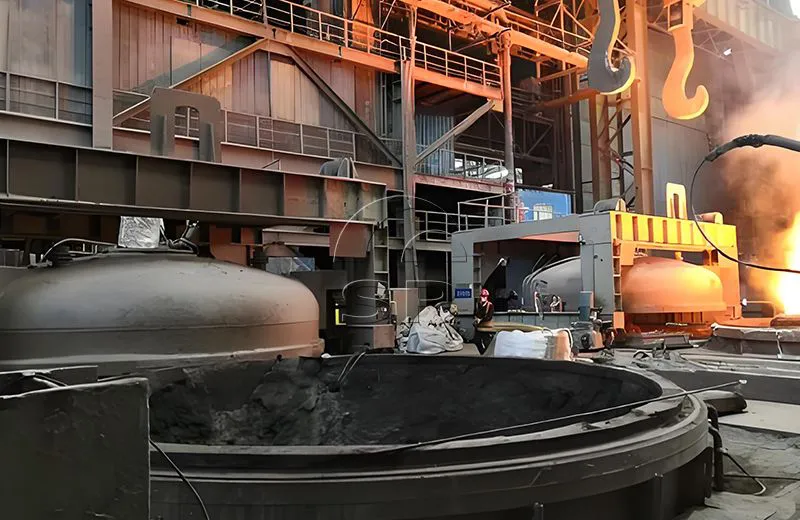
Top Charging (Mainstream): Unscrew the furnace lid and use a crane to hoist the material basket to the top of the smelting furnaces, pouring the raw materials into the furnace in one go or in stages. To protect the furnace bottom and accelerate melting, light, thin materials are typically loaded at the bottom, heavy scrap steel in the middle, and pig iron or carbonizer at the top.
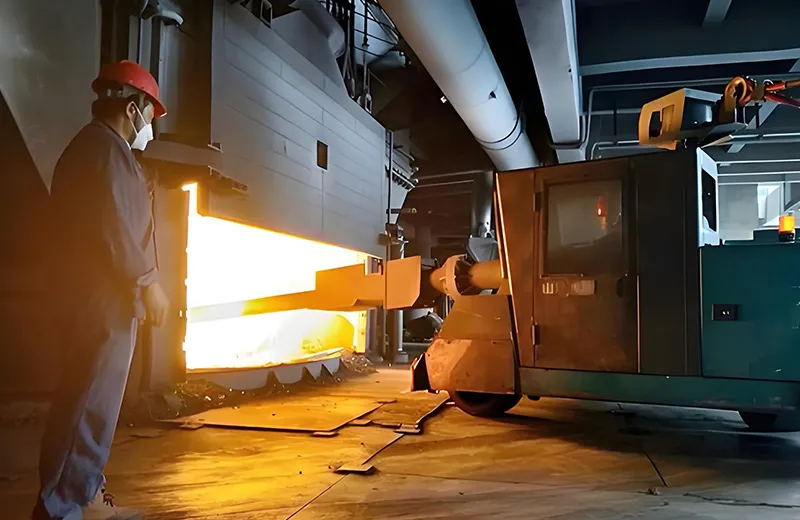
Side Charging: A few furnace types use a charging machine through the furnace door.
Arc Ignition: Lower the electrodes (usually three graphite electrodes) to the material surface, and apply electricity to generate a high-temperature electric arc (reaching over 3000℃), directly heating the furnace charge.
Assisted Melting Operation: Oxygen blowing is a key technology. Operators blow oxygen into the unmelted solid charge through oxygen lances at the furnace door, utilizing the exothermic oxidation of iron to accelerate melting, while simultaneously cutting large pieces of scrap steel.
Slag Formation & Covering: As the metal melts, slag-forming agents such as lime and fluorite are added to form molten slag that covers the molten steel, stabilizing the electric arc, preventing gas absorption, and facilitating early dephosphorization.
Objective: To melt all solid charge into a homogeneous molten steel. This stage consumes the most electricity, approximately 60-70% of the total power consumption.
After the steel is completely melted, oxidation refining begins. The main tasks are dephosphorization, decarburization, degassing (hydrogen and nitrogen), and removal of inclusions.
1. Sampling & Analysis: Steel and slag samples are taken for rapid analysis to determine the current composition.
2. Enhanced Dephosphorization: Lime is added again to adjust the basicity, and high-phosphorus slag is removed through slag removal or skimming operations.
3. Decarburization & Boiling: Oxygen is blown into the depths of the molten pool, where carbon is oxidized to generate CO bubbles, causing the molten pool to boil violently. This helps remove gases and inclusions from the steel and homogenizes the composition and temperature of the molten steel. Final carbon control is crucial, requiring precise timing of stopping oxygen blowing based on the steel grade requirements.
After the oxidation phase, once the phosphorus and carbon content of the molten steel meets the requirements, it enters the reduction period (modern electric arc furnaces often use methods such as "tapping degassing and alloying" to simplify and replace the traditional reduction period).
1. Tapping:
Traditional processes remove oxide slag and add reducing slag materials (calcium carbide, ferrosilicon powder, etc.) for diffusion deoxidation and desulfurization. Modern 15t electric arc furnaces more commonly use "tapping process alloying":
Alloys (ferromanganese, ferrosilicon, ferrochrome, etc.) and refining slag materials are pre-added to the tapping ladle.
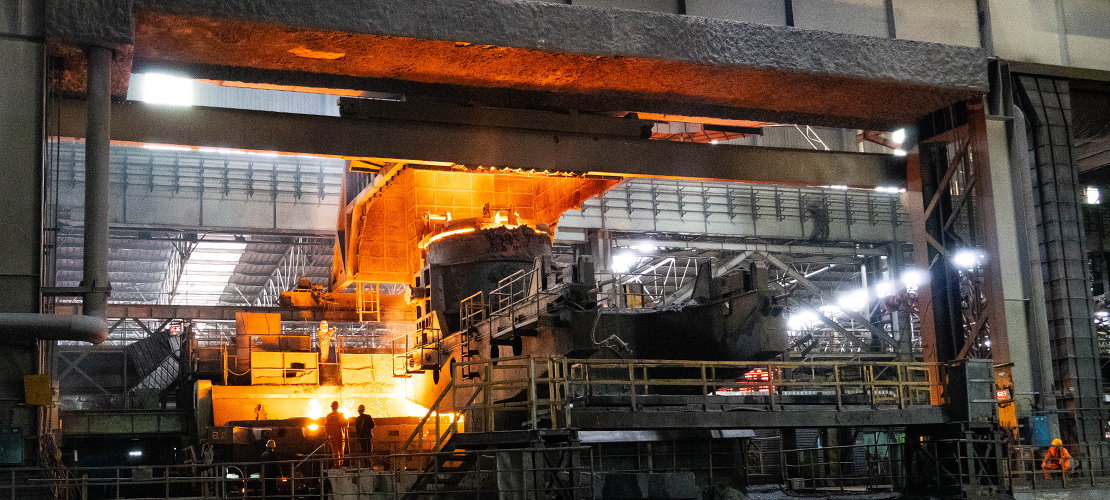
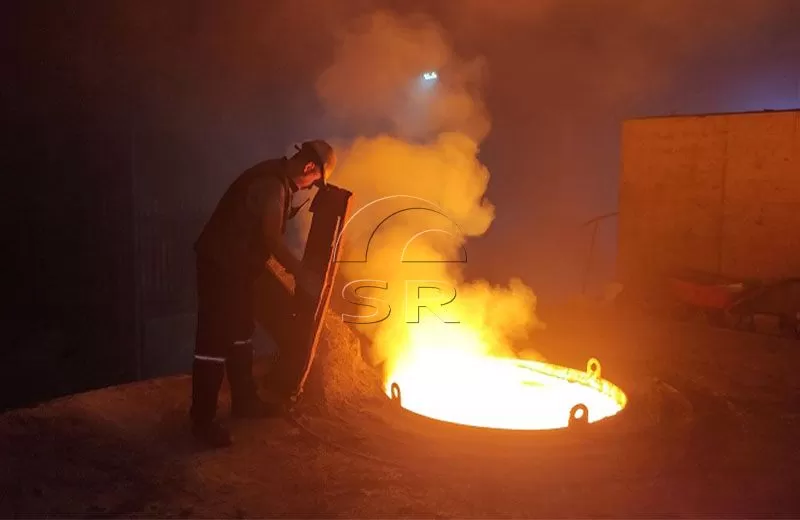
The steelmaking electric furnace is tilted, and molten steel is poured into the ladle, completing pre-deoxidation, alloying, and preliminary slag washing refining during the tapping process. This improves alloy yield and shortens furnace time.
2. Ladle Refining (Optional but Strongly Recommended):
For high-quality steel grades, the molten steel needs to be transferred to a ladle refining furnace (LF furnace) after tapping for:
Electric Arc Heating (Precise Temperature Control)
Bottom-blown Argon Stirring (Using homogenized composition and temperature, promoting inclusion flotation)
White Slag Refining (Deep Deoxidation and Desulfurization)
Composition Fine-tuning
1. After the molten steel reaches the target composition and temperature (usually 80-120℃ higher than the melting point), the taphole is opened, and the molten steel is poured into the ladle.
2. The ladle is transported to the casting area for continuous casting or ingot casting to produce steel billets or ingots.
1. High-Power/Ultra-High-Power Power Supply:
Equipped with a high-capacity transformer, shortening melting time and increasing productivity.
2. Oxygen-Combustion Nozzle Assistance:
Burners are installed on the furnace wall, burning natural gas or kerosene for auxiliary heating in the initial melting stage, saving electricity and increasing efficiency.
3. Enhanced Oxygen Technology:
In addition to the furnace door lance, supersonic cluster oxygen lances are commonly used, resulting in higher decarburization efficiency and significant energy savings.
4. Eccentric Bottom Tapping (EBT):
Modern 15-ton EAF are almost all designed with EBT. The tap hole is located eccentrically at the furnace bottom, achieving slag-free tapping, creating favorable conditions for subsequent refining. The furnace body can also be operated with both steel and slag remaining, facilitating rapid melting of the next heat.
5. Automation & Intelligent Control:
Automatic Electrode Adjustment System: Maintains arc stability, reduces short circuits, and saves energy and electrode consumption.
Process Computer Control: Optimizes power curves and calculates alloy composition based on models.
6. Environmental Protection Facilities:
Direct Dust Collection Through the Fourth Hole (Primary Dust Collection): Flue gas generated during smelting is directly drawn to the dust collection system through the fourth hole in the furnace cover.
Enclosed Hood or Roof Hood Dust Collection (Secondary Dust Collection): Collects dust emitted during charging and tapping.
Noise Control: Employs enclosed workshops and soundproof enclosures.
Smelting Cycle: Approximately 60-90 minutes
Electricity Consumption: 320-420 kWh/ton of steel
Electrode Consumption: 1.2-2.0 kg/ton of steel
Oxygen Consumption: 25-40 Nm³/ton of steel
Today, the 15t electric arc furnaces has evolved into a "high-efficiency production unit" centered on efficient melting, rapid decarburization, energy conservation, and environmental protection, closely integrated with ladle refining. The core objective of the EAF smelting furnaces is to produce qualified molten steel in the shortest possible time, at the lowest cost and energy consumption, for use in subsequent processes.
Latest News
Submerged Arc Furnace: Structural Design, Operating Principles, and Core Equipment Analysis
Jun. 09, 2026
May. 27, 2026
Latest Products
Customized metallurgical machinery and equipment range: Electric Arc Furnace, Submerged Arc Furnace, LF Refining Furnace, Vacuum Furnace, Induction Furnace, Dust Remove System, Water Treatment Equipment, etc. Providing the most advanced equipment integration services, metallurgical equipment can be customized according to different needs of customers, and production capacity can be adjusted according to customer requirements.
Electric Arc Furnace
Submerged Arc Furnace
LF Refining Furnace
VD / VOD Vacuum Refining Furnace
Induction Furnace
Furnace Accessories
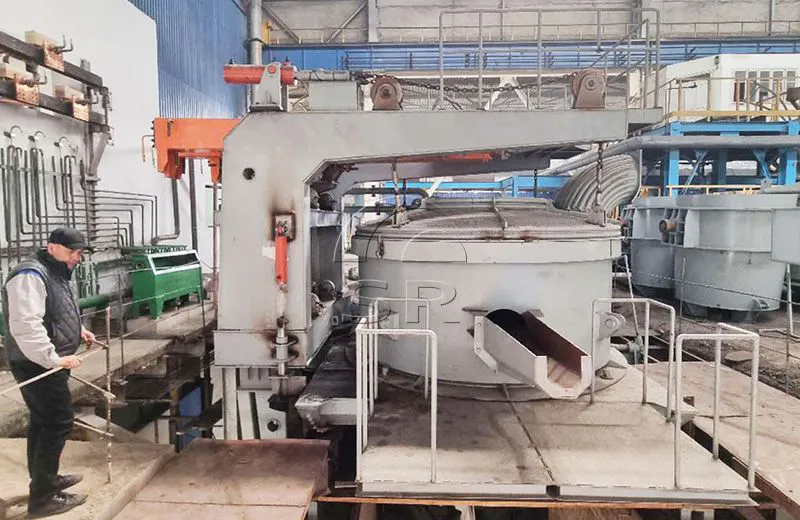
The 5 ton electric arc furnace for steel-making is a special purpose equipment that makes ordinary steel, quality carbon steel, alloy steel and non-corrosive steel with electric arc as heat source and scrap steel (iron) as raw material.
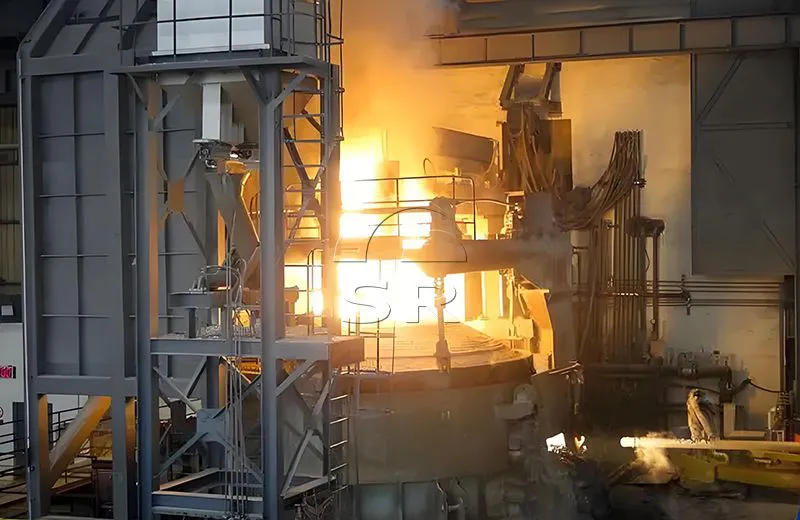
15-ton electric arc furnace is used for the short-process steelmaking process, using 100% scrap steel or scrap steel + molten iron (pig iron), or scrap steel + sponge iron (DRI) as raw materials for steelmaking.
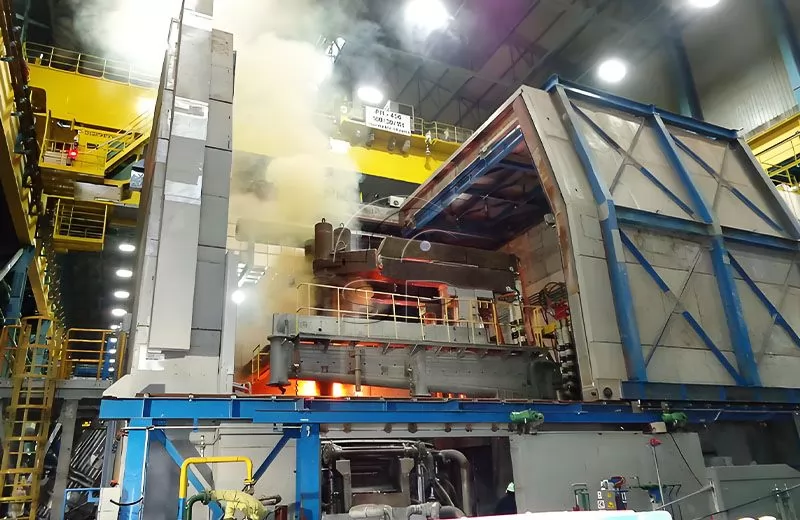
The 30-ton AC electric arc furnace is used to melt scrap steel to produce steel. Electrical energy is used to melt scrap steel. An arc forms between the charged material and the electrode.
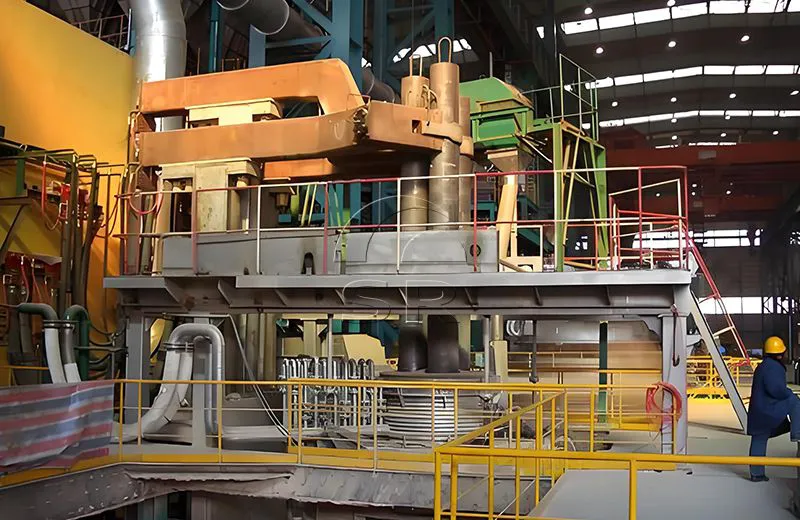
30 Ton electric arc furnace is used for steelmaking short process smelting, using 100% scrap steel or scrap steel + molten iron (pig iron), or scrap steel + sponge iron (DRI) as raw materials for steelmaking.
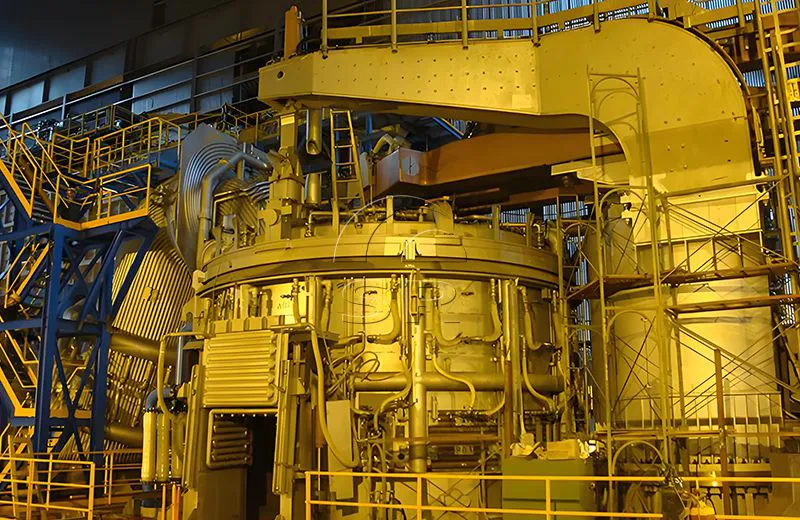
The 50-ton ultra-high power electric arc furnace (50TUPH EAF) adopts ultra-high power, high impedance technology, bottom tapping technology (ETB), furnace wall oxygen oil burner and furnace door carbon-oxygen gun technology.
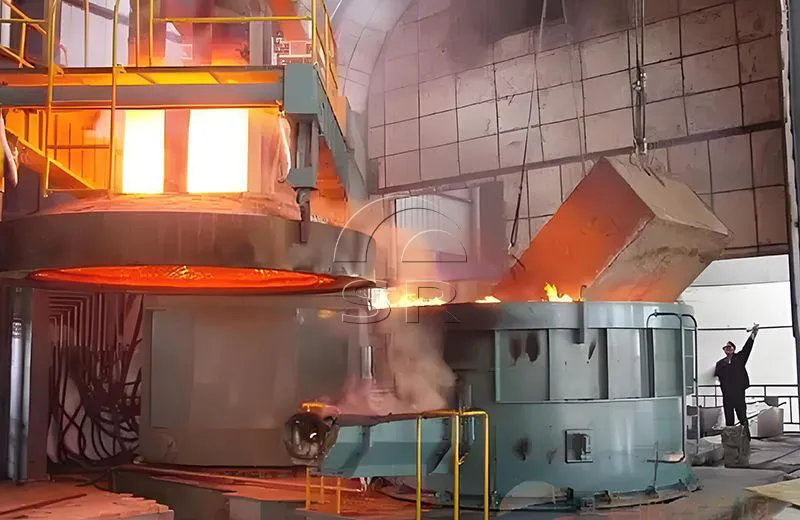
DC electric arc furnace is an electric arc furnace supplying electric energy with DC power supply. There is only one electrode on the top of the DC arc furnace, which is the negative electrode, and the bottom electrode is the positive electrode.
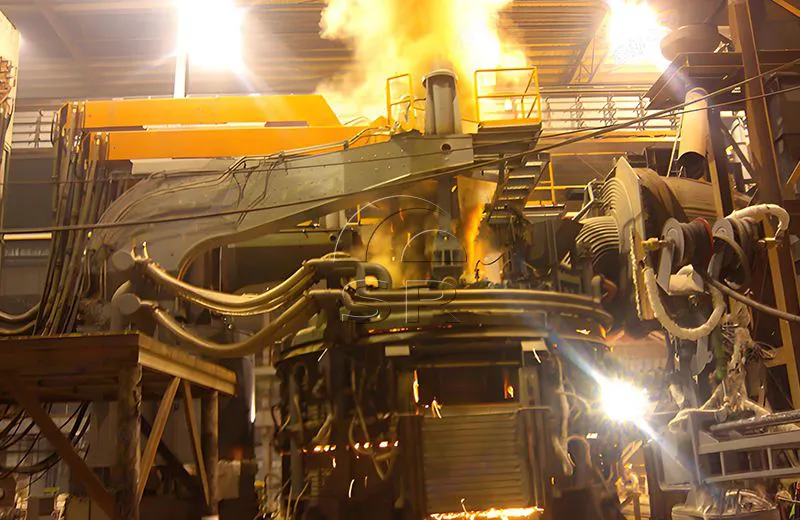
Electric arc furnaces are used to melt scrap steel for steel production. Electrical energy is used to melt scrap steel. An arc forms between the charged material and the electrode. The heat generated by the arc melts the scrap.
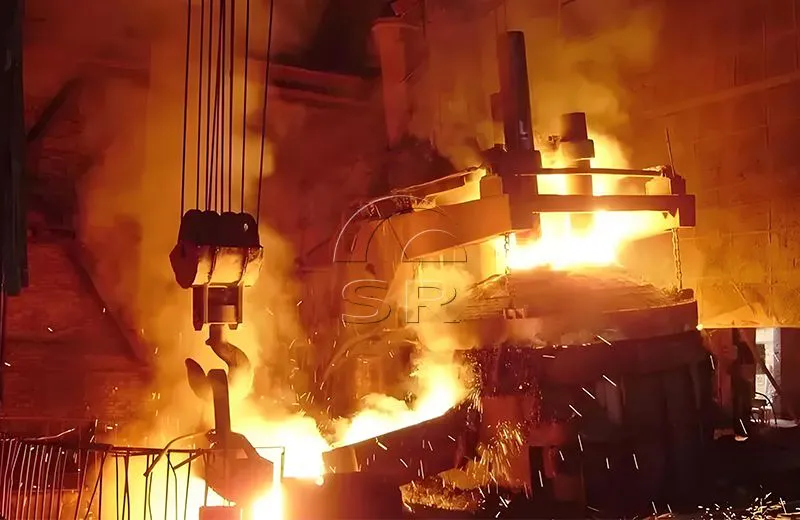
Electric arc furnace steel making is a steelmaking method that uses the thermal effect of electric arc to heat the charge for melting.
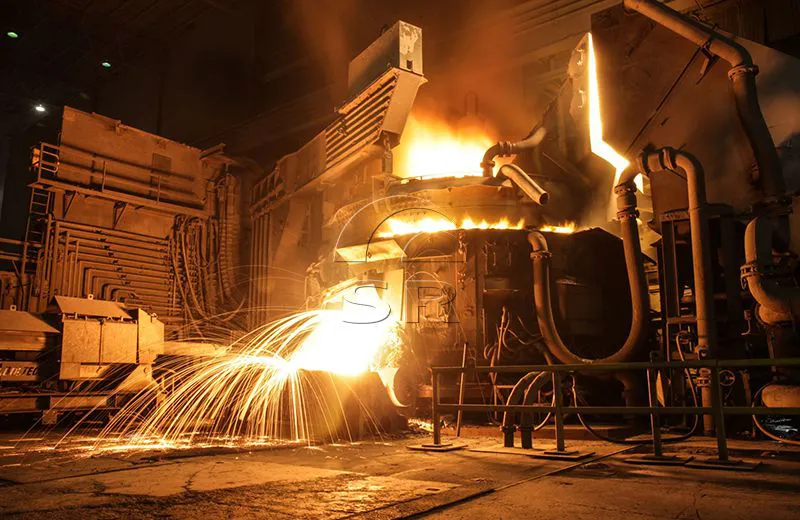
Ultra-high power electric arc furnace mainly changes the arc characteristics of high voltage and long arc to the arc characteristics of high current, low voltage and short arc
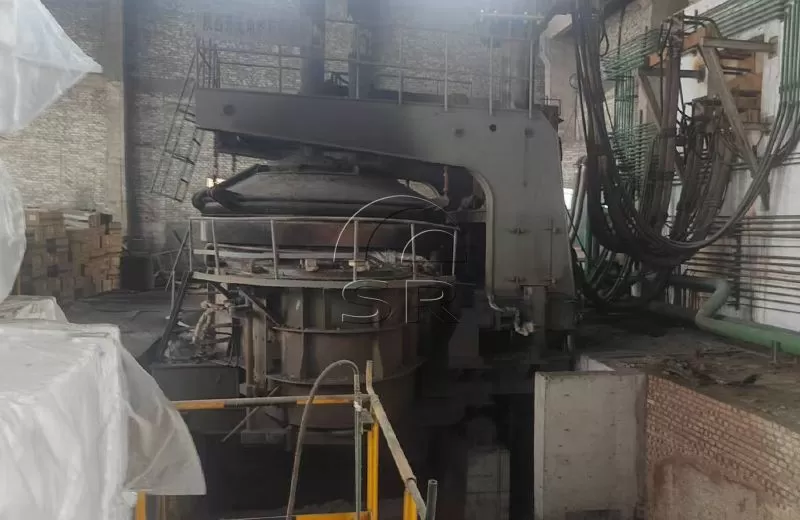
1 ton electric arc furnace is used for melting steel and titanium scrap metal. The principle of electric arc furnace is based on the generation of direct current, which converts electrical energy into heat energy through electrodes to melt the metal.
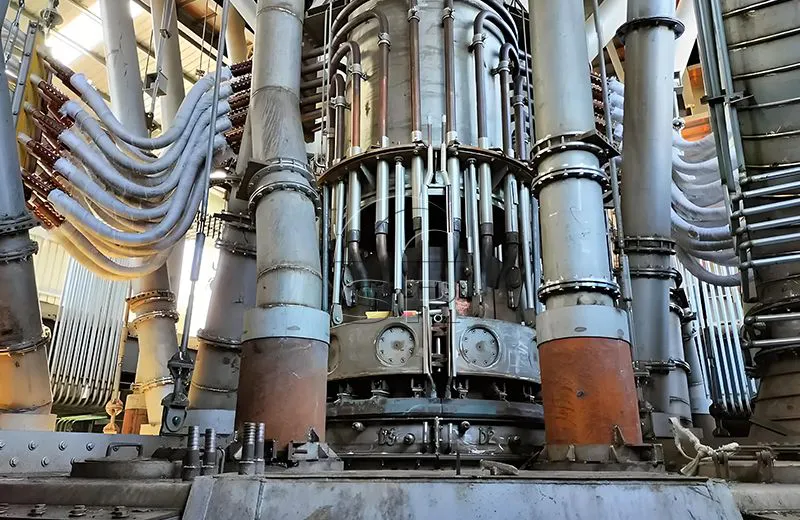
The closed pig iron furnace (submerged arc furnace iron making) is a non-blast furnace iron making method. Under the premise of guaranteeing the power supply, it is easy to solve the problem by using the reducing agent required by the submerged arc furnace iron making.
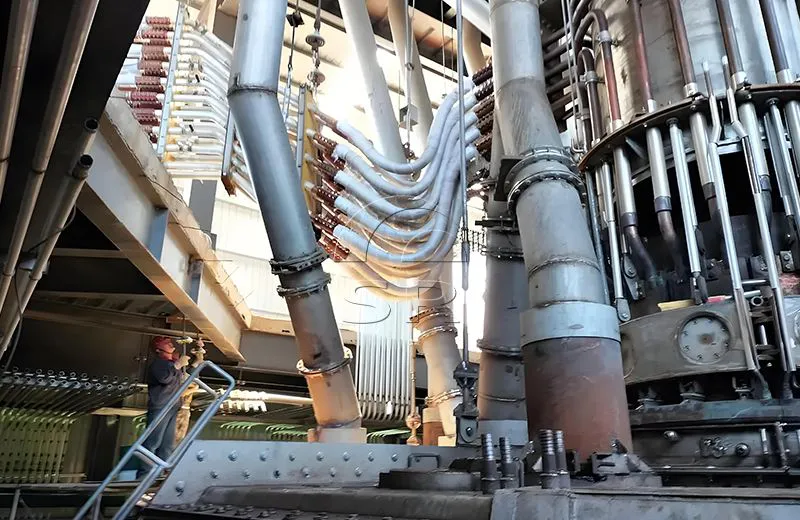
The main mechanical device design of Sanui ferroalloy refining furnace combines China's national conditions and draws on international advanced technologies such as Demark and Pyremate.
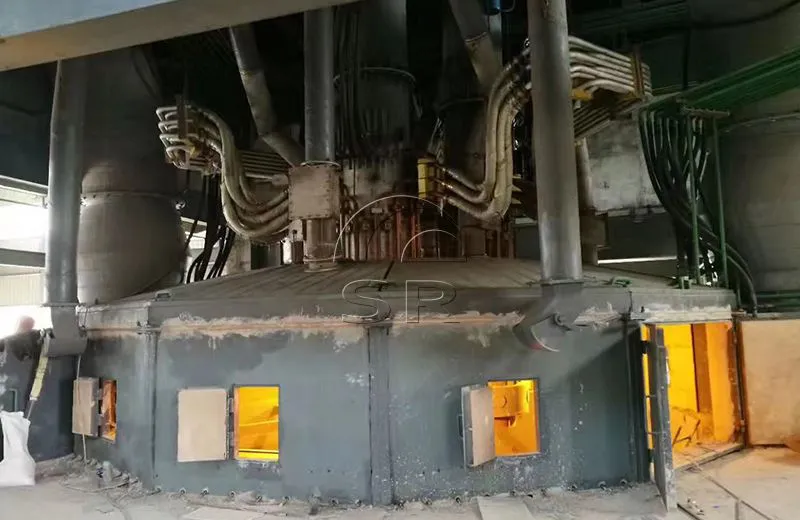
The Ferronickel submerged arc furnace is a special submerged arc furnace used for smelting nickel-iron alloy. Its main function is to add nickel ore, carbonaceous reducing agent (such as coke) and limestone and other raw materials into the furnace in a certain proportion
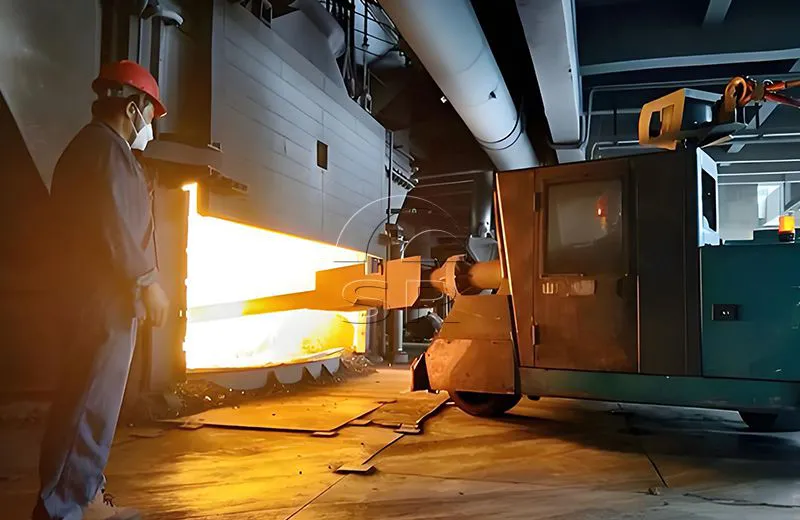
The main mechanical device design of Sanui ferrosilicon furnace combines China's national conditions and draws on international advanced technologies such as Demark and Pyremate.
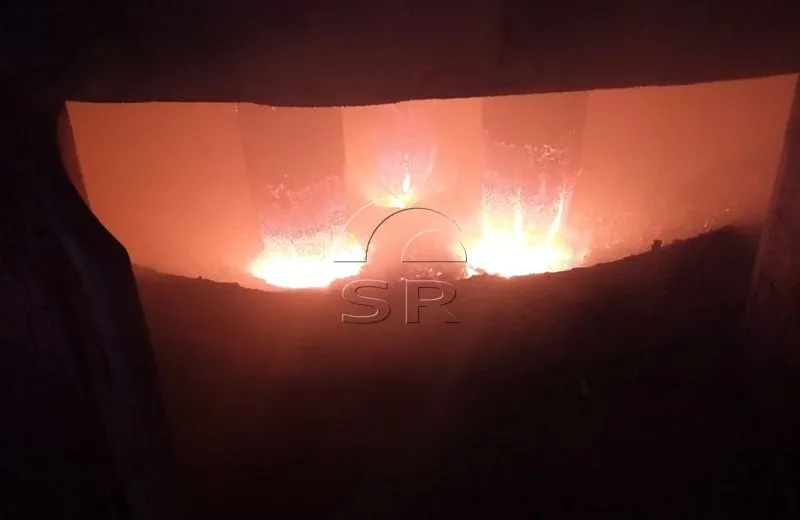
The main mechanical device design of Sanui high carbon ferrochrome furnace combines China's national conditions and draws on international advanced technologies such as Demark and Pyremate.
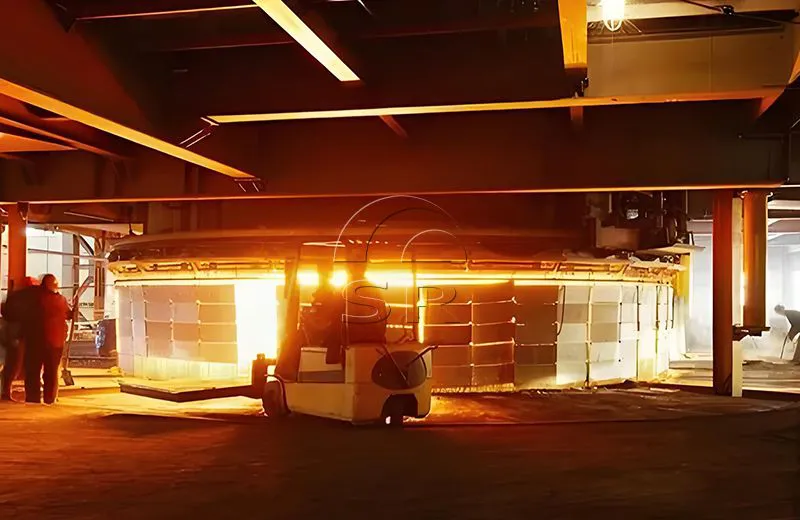
Industrial silicon submerged arc furnace is an important equipment in silicon ore processing, playing a key role in the silicon industry.
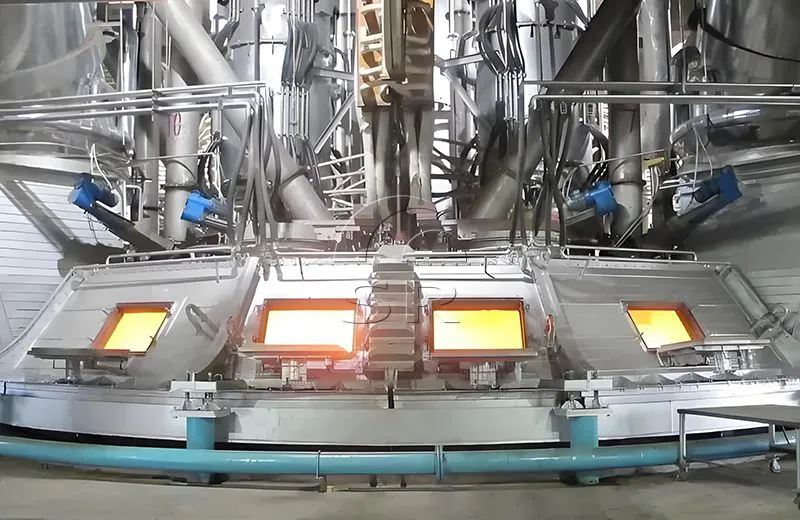
The manganese silicon alloy furnace is mainly used to smelt silicon-manganese alloy, which is an alloy containing silicon and manganese.
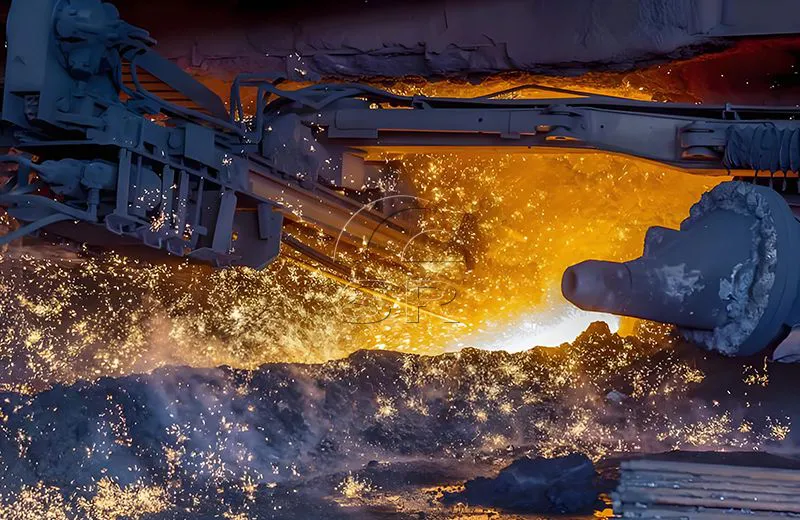
The design of the submerged arc furnace main mechanical device by Sanui is based on China's national conditions and draws on international advanced technologies such as Demark and Perlmutter.
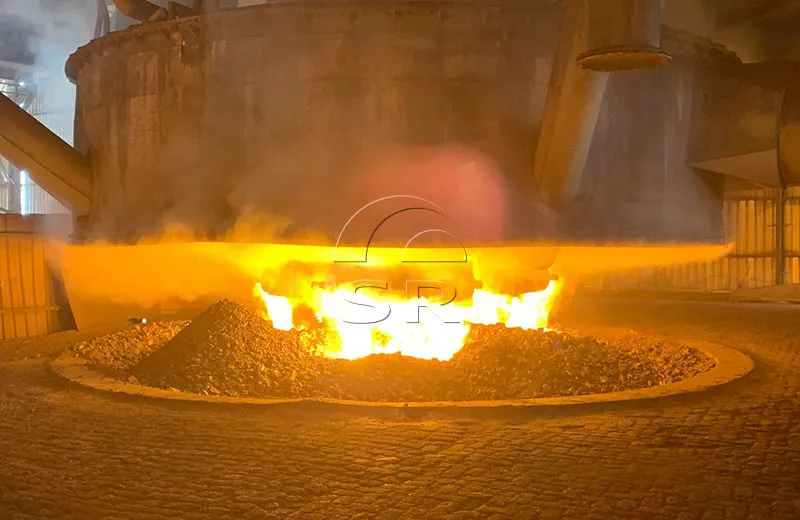
Submerged electric arc furnace is mainly used for reducing and smelting raw materials such as ore, carbonaceous reducing agent and solvent. It mainly produces ferroalloys such as ferrosilicon, ferromanganese, ferrochrome, ferrotungsten, silicon-manganese alloy, etc.
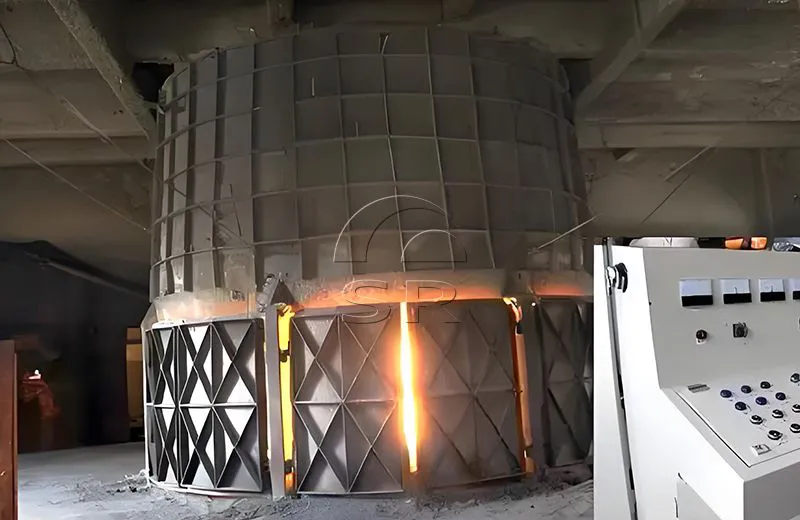
Titanium slag production adopts titanium slag electric furnace (circular furnace and rectangular furnace according to its shape) smelting process.
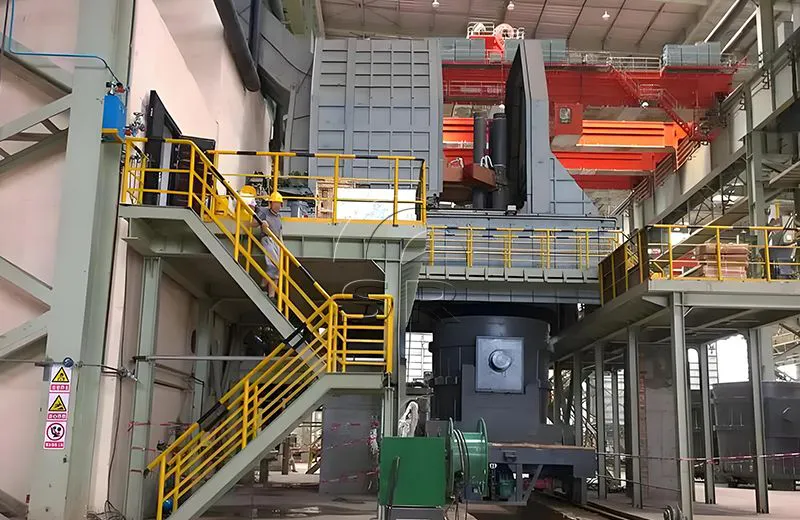
The LF 20 T ladle refining furnace has the functions of arc heating under normal pressure, argon blowing and stirring at the bottom of the ladle, and reducing slag making in the ladle.
LF ladle refining furnace is a bottom-blown argon ladle furnace with three-phase submerged arc heating under normal pressure. It is a device for refining molten steel in a ladle.
VD vacuum refining furnace is a commonly used refining process equipment, mainly used for deoxidation, impurity removal and other operations of molten steel, so as to obtain high purity, low impurity content of high quality steel.
VOD vacuum refining furnace has multiple functions such as vacuum degassing, oxygen blowing decarburization, vacuum charging, argon blowing stirring, non-vacuum temperature measurement sampling, wire feeding, etc.
The cast steel melting induction furnace has outstanding advantages in heat penetration or melting soft magnetic alloys, high resistance alloys, platinum group alloys, heat-resistant, corrosion-resistant, wear-resistant alloys and pure metals.
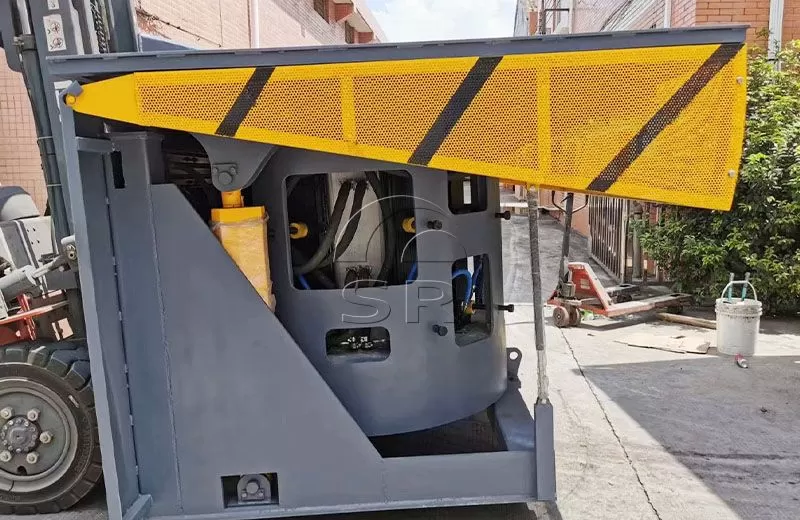
Metal silicon smelting furnace is a metal silicon medium frequency melting furnace, which consists of furnace body, water and electricity introduction system, furnace tilting device, etc. It has fast melting temperature rise, easy to control furnace temperature and high production efficiency.
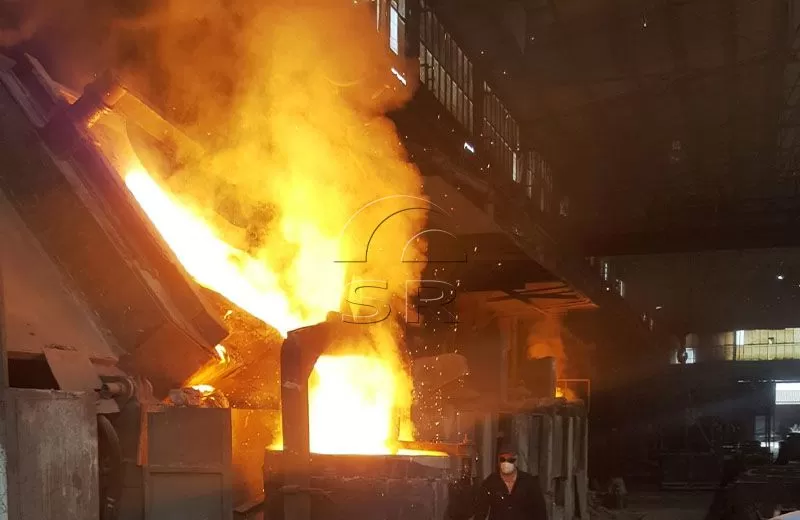
Medium frequency induction furnace mainly used for melting steel, alloy steel, special steel, stainless steel, and can also be used for melting and casting non-ferrous metals such as copper, aluminum, lead, zinc, etc. The customized range of induction furnaces sold by Sanrui ranges from 0.1 tons to 10 tons.
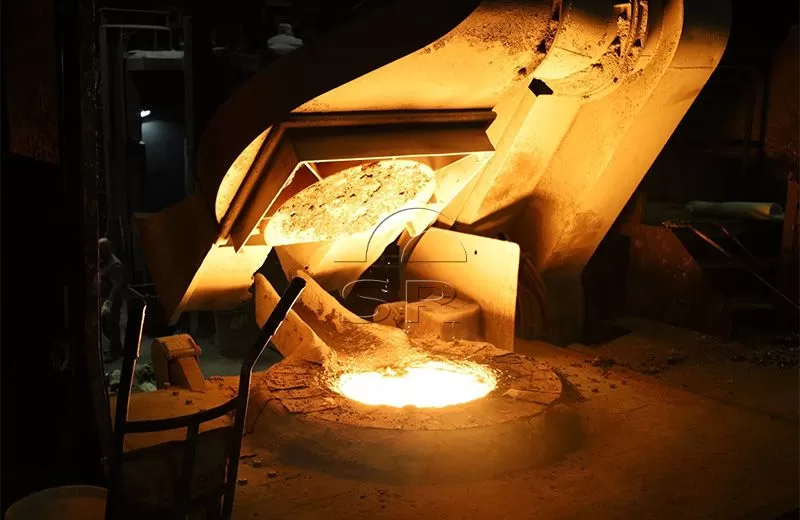
Medium frequency induction furnaces are mainly used for melting steel, alloy steel, special steel, stainless steel, and can also be used for melting and casting non-ferrous metals such as copper, aluminum, lead, and zinc.
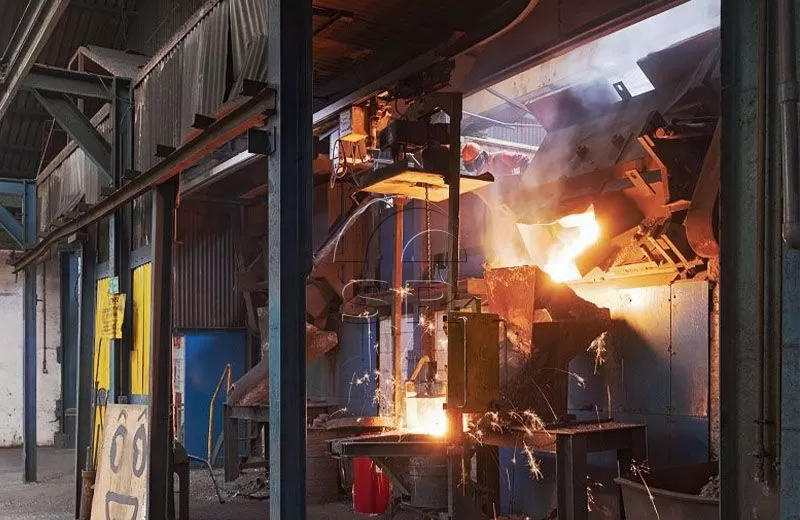
Medium frequency aluminum melting furnace is used for melting and heating aluminum, scrap aluminum, aluminum ingots, and aluminum alloys; The melting capacity ranges from 100KG to 3000KG.
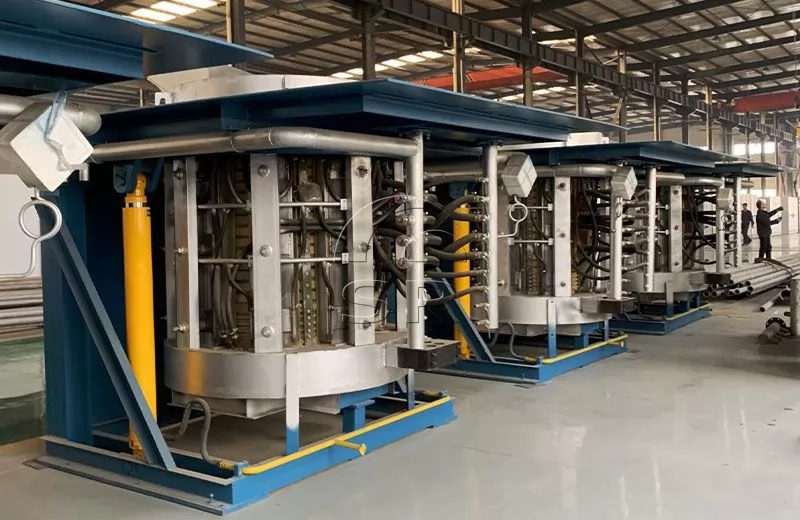
An induction furnace is an electric furnace that uses the induction electrothermal effect of the material to heat or melt the material. The main components of an induction furnace are sensors, furnace body, power supply, capacitors and control system.
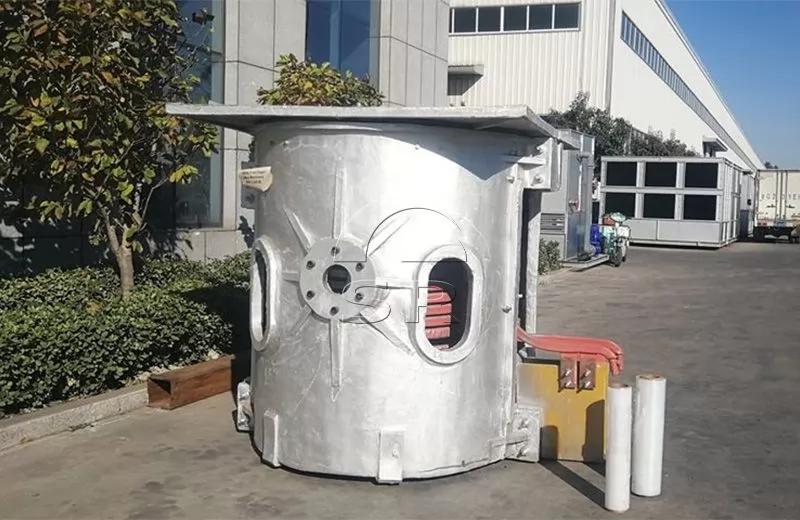
The 3-ton medium frequency coreless induction furnace adopts a 6-phase 12-pulse double rectifier control system. A 2000KVA special rectifier transformer is used for the 2000KW medium frequency power supply.
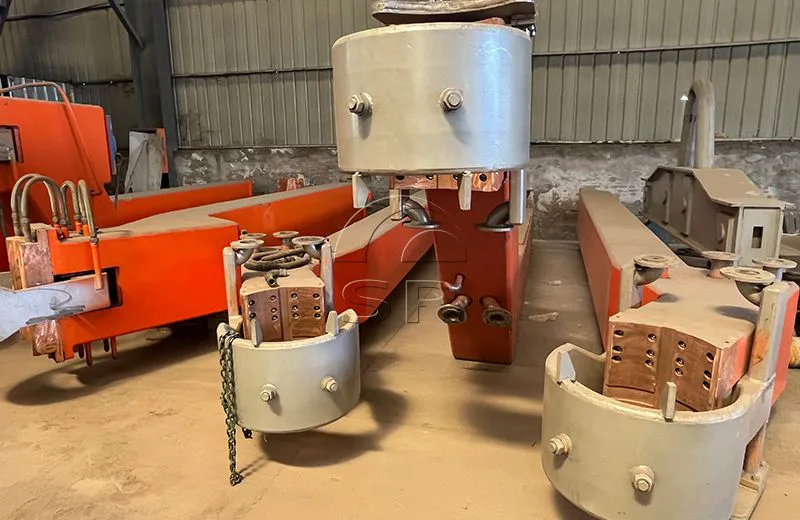
The conductive arm of an electric arc furnace (EAF) is primarily composed of the front electrode conductive arm holder, a water-cooled clamping ring, the arm body, and the rear conductive copper plate.
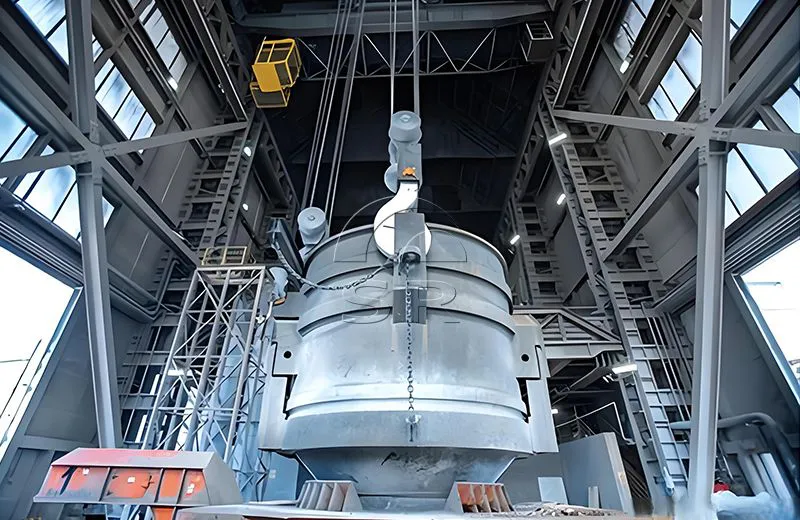
The scrap charging basket of the electric arc furnace is mainly used for loading and conveying raw materials such as scrap steel into the electric arc furnace for smelting.
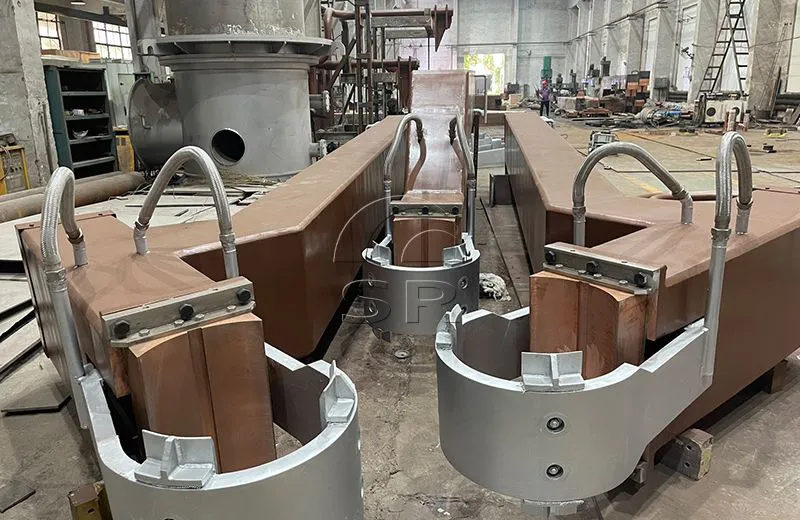
There are many insulation links between the EAF electrode holder and the conductive cross arm body, which greatly simplifies the cconductive cross arm structure and is a new type of electrode arm on the ultra-high power arc furnace.
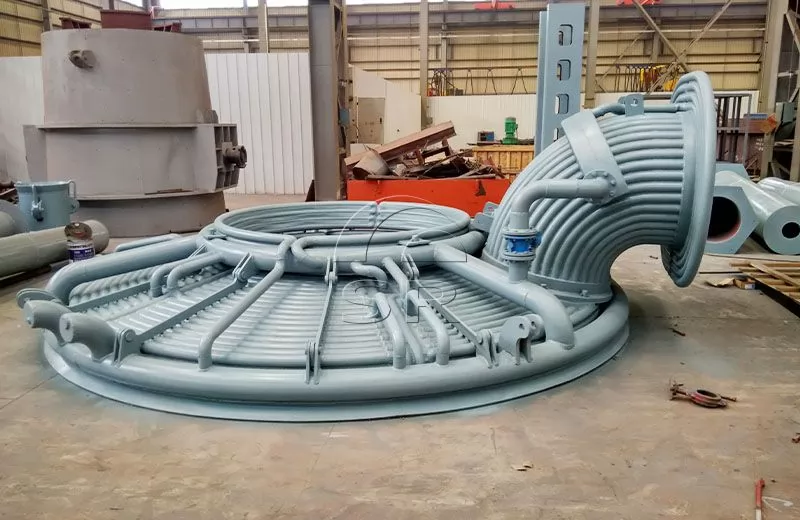
Generally, the furnace cover of the electric arc furnace adopts the tubular water-cooled closed tube furnace cover structure.
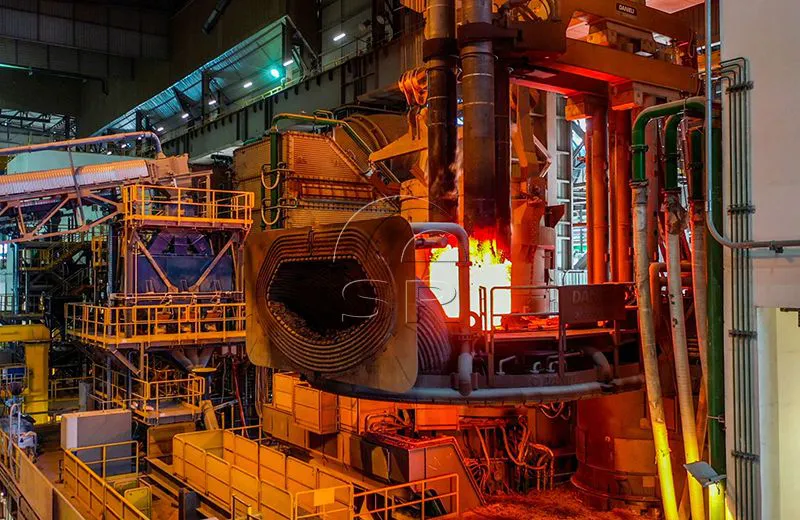
The electrode lifting mechanism of electric arc furnace is composed of conductive cross arm and electrode column device.
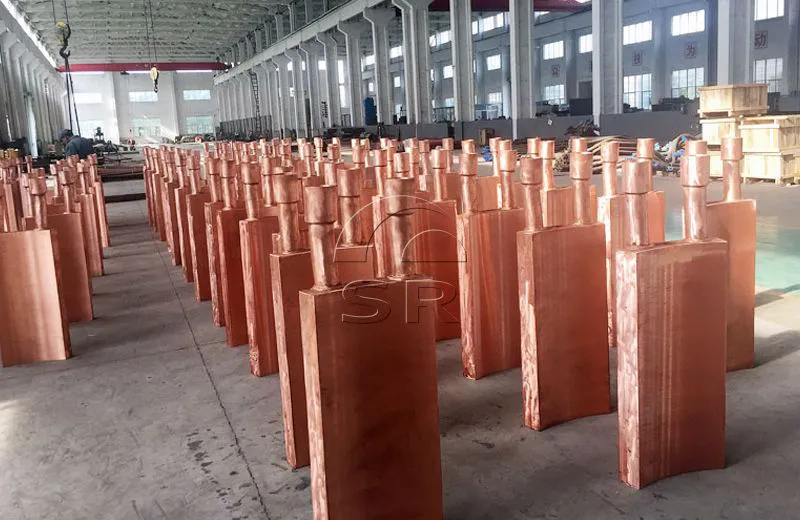
Forged copper tile is one of the main accessories in submerged arc furnace (silicon metal furnace, calcium carbide furnace and iron alloy furnace). It generates heat energy due to passing through large current at high temperature, and is easy to be damaged due to poor working environment.
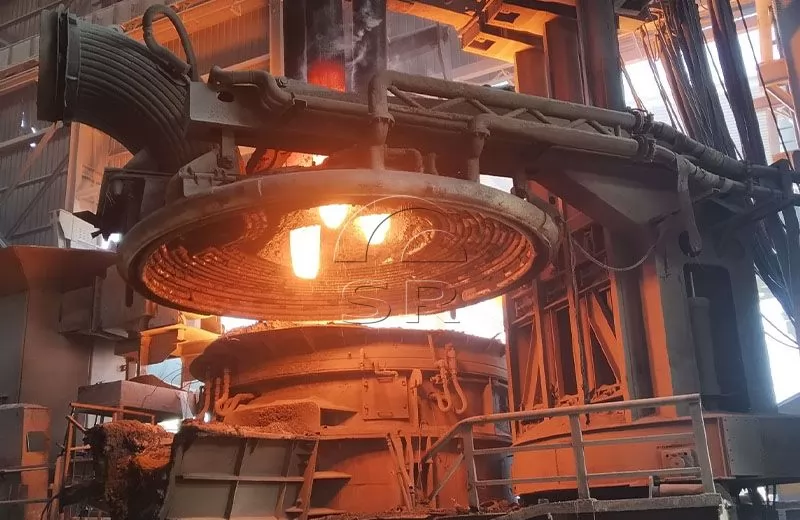
The furnace cover lifting and rotating device consists of a furnace cover lifting mechanism, a rotating mechanism and a rotating frame.
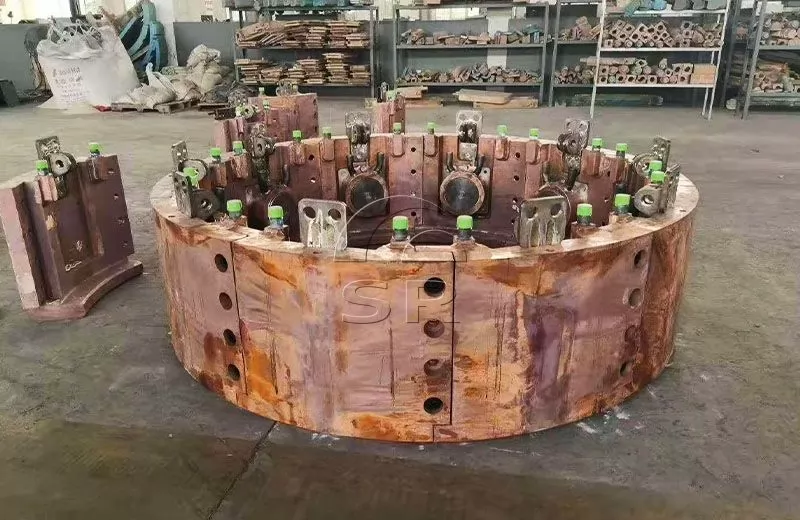
Submerged arc furnace pressure ring is used to monitor the change of air pressure in the furnace in real time, and adjust the air pressure automatically or manually according to the preset parameters to ensure the stability of air pressure in the furnace
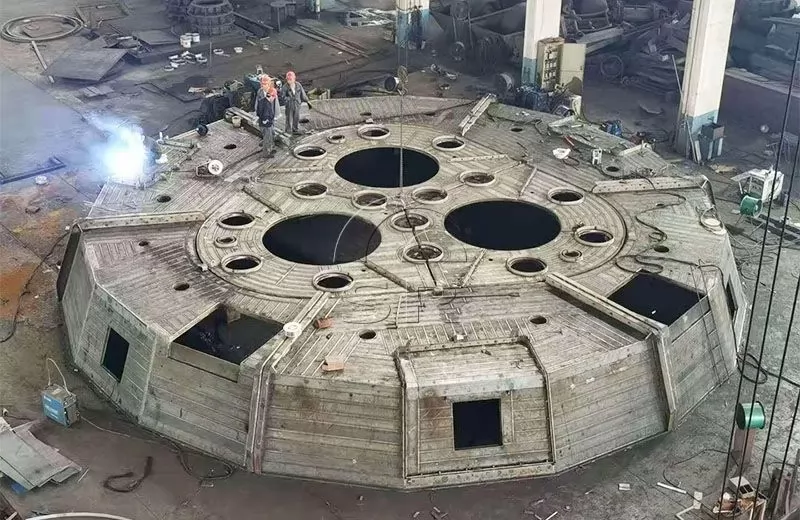
Submerged arc furnace water-cooled Roof is an important part of submerged arc furnace (also known as electric arc furnace, calcium carbide furnace or mining furnace), which is mainly used to close the top of furnace body and bear the high temperature and pressure in the furnace.
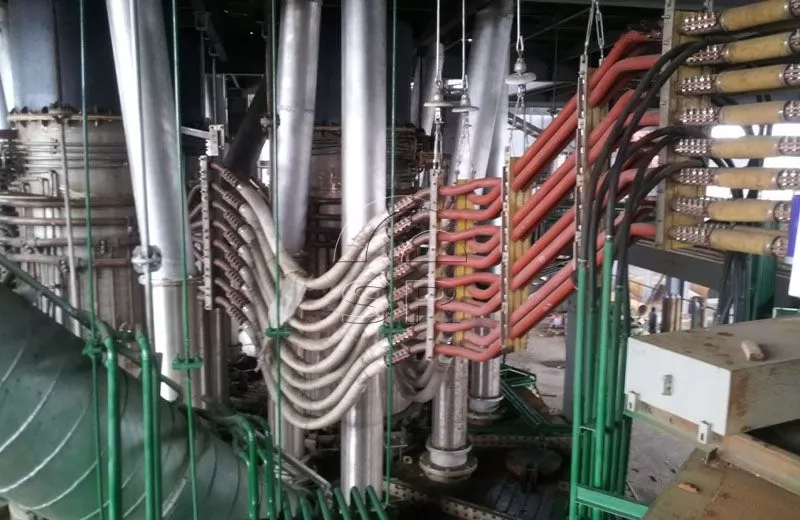
Short network bus systems), also known as high current line, refers to the general term of the carrier fluid from the secondary outlet terminal of the transformer to the electrode (including the electrode).
Navigation
E-mail: anna@srfurnace.com
Tel: +86 159 2955 5868
WhatsApp: +86 159 2955 5868
Add:
Room 422, 4th Floor, Building D, No. 5, Phase I, Fengdong Free Trade Industrial Park, Xixian New District, Shaanxi Province