Jan. 19, 2026
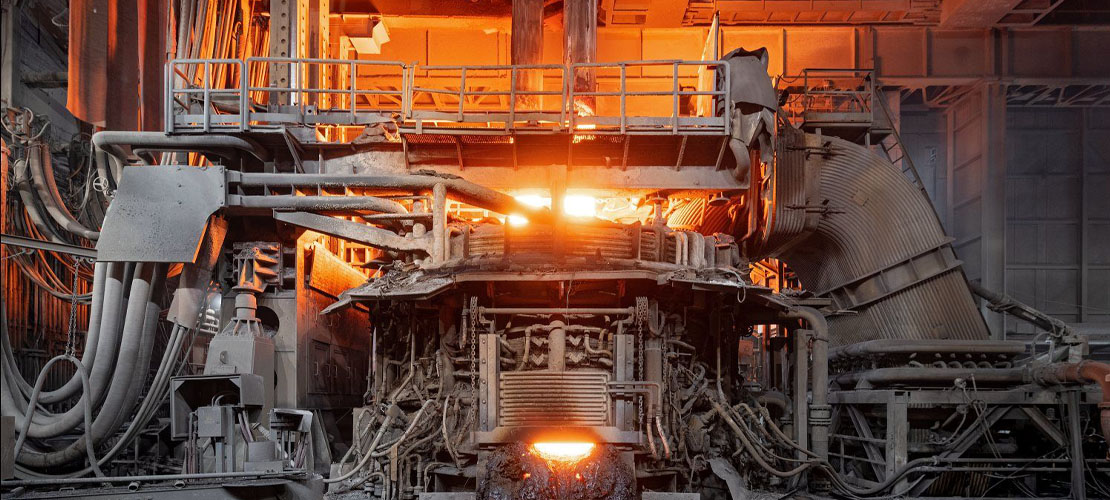
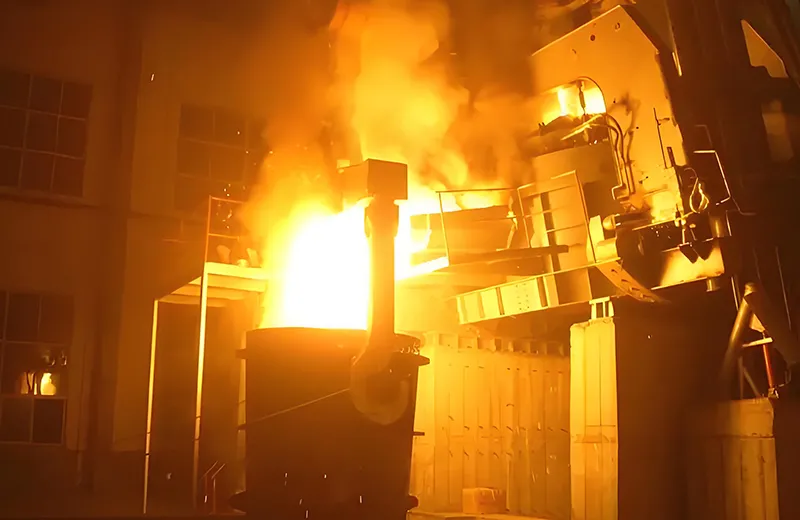
In the wave of transformation and upgrading in the steel industry, the integration of digital and intelligent technologies has injected new vitality into traditional electric arc furnace (EAF) steelmaking. With the use of advanced sensors, big data analytics, and artificial intelligence, EAF steelmaking has achieved precise monitoring, real-time optimization, and intelligent decision-making throughout the production process. This has not only significantly reduced energy consumption and improved production efficiency, but also enhanced product quality and stability. World Metal Report has launched a special feature titled "Digital and Intelligent Technologies Ignite New Engines for Electric Arc Furnace Steelmaking," which delves into the technological secrets and innovative practices behind the digital and intelligent transformation of EAF steelmaking, showcasing a new green development vision for the steel industry.
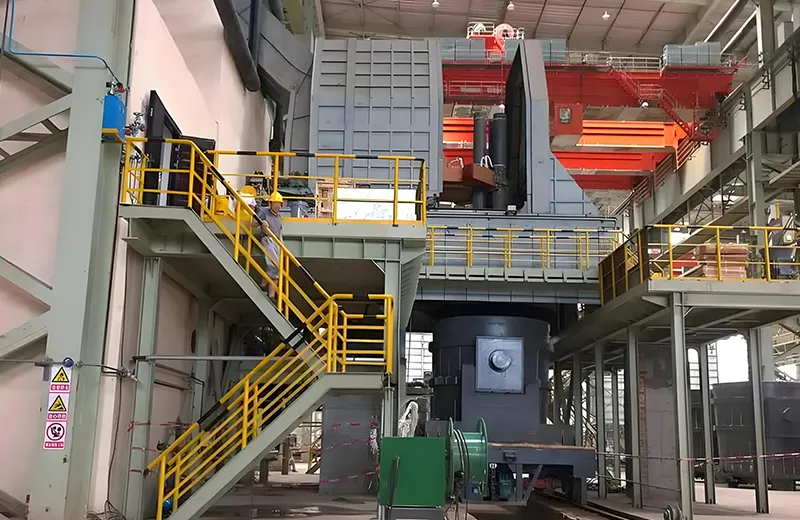
This article introduces a new approach using intelligent robots for steel sample collection, slag removal, and inspection to improve operational safety and efficiency in steel plants. Given the harsh environment of the electric arc furnace (EAF), the application of new robot technology has reduced personnel exposure risks, improved accuracy, and boosted productivity. High-speed, precision industrial robots with multi-tool capabilities ensure flexibility in both new and existing factories. These customized robotic solutions support digital transformation, align with Industry 4.0 principles, and shift operational roles from manual labor to supervision, thereby enhancing long-term competitiveness.
Steel plants are upgrading their production technology with innovative and intelligent solutions aimed at enabling seamless collaboration across all aspects of the production chain, including machinery, tools, operators, and intelligent services. These services primarily include infrastructure that supports system integration across the manufacturing chain, as well as intelligent energy management to improve energy efficiency. This transformation is expected to have a positive impact on worker health and safety, one of the steel industry's primary objectives, while also improving production efficiency.
Key goals include:
1) protecting worker health and safety in both the short term (accident prevention) and long term;
2) improving work environment and safety conditions;
3) fostering a work culture that supports health and safety;
4) reducing smelting cycles and improving overall efficiency.
One of the operation steps that has lacked the latest technological advancements is the sampling of molten steel and temperature measurement in the smelting and refining furnaces. This process occurs in the harshest environment in the industry, making it historically difficult to integrate industrial robots due to their incompatibility with such conditions. This article demonstrates how custom system designs and the latest robot technologies have broken this taboo, bringing the benefits that industrial robots have provided in other sectors to this challenging field.
Compared to traditional mechanical arms, the use of six-axis industrial robots increases the necessary flexibility, allowing a single robot arm to perform multiple tasks. These robots can be equipped with a tool-changing system that provides multiple spray guns for temperature measurement, sample collection, and refractory material inspections. OEM solutions for this equipment help develop and engineer systems that can be adapted to various plant layouts, from large EAFs to narrow spaces in secondary refining units (such as LFs or VODs).
Even the lower section of the eccentric bottom tapping (EBT) area can benefit from the integration of robotic systems, such as automating the cleaning of the EBT, using oxygen spray guns to open it when obstructed, and collecting steel samples directly from the steel ladle after casting.
All operations performed by the robots are controlled remotely from a control room, significantly enhancing operator safety.
The first stage of the steelmaking process is the initial melting of scrap steel in the electric arc furnace.
This process is divided into four main stages:
1) charging and melting,
2) refining,
3) tapping,
4) post-tapping inspection.
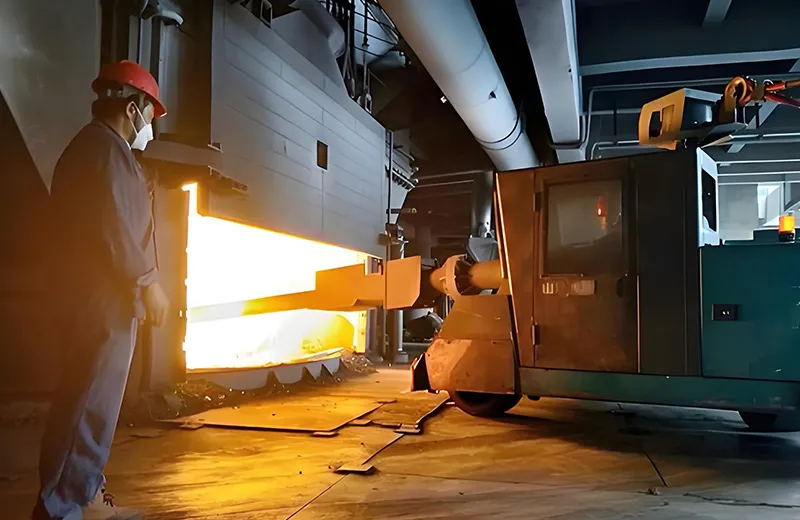
During the refining stage, the temperature of the molten steel must be accurately measured, and steel samples need to be collected for laboratory analysis to adjust the chemical composition before tapping. The traditional method involves inserting a thermocouple sensor (for temperature measurement) and a sample collection capsule into the molten steel for a few seconds. The operation of the measurement equipment can be done manually (which is the least safe method), or using basic mechanical arms (safer, but less efficient from a production standpoint) to move the equipment to a fixed position inside the furnace.
On the other hand, using a six-axis industrial robot allows for flexible integration into any electric arc furnace configuration. This process fully leverages the robot's high speed and precision, adding the possibility of additional features such as automatic loading and disposal of ignition rods (usually manually operated on traditional mechanical arms) and multi-tool management to enhance the process.
The monitoring of the electric arc furnace can be carried out with a specialized tool developed and patented in collaboration with Ternon. The tool is equipped with a series of cameras capable of providing a 360° view of the furnace shell and refractory materials. This operation is critical for detecting potential damage and preventing catastrophic accidents.
The tool is operated by the same robot and consists of an extension arm with a camera, equipped with five cameras in total: four for side views and one for the furnace top and electrodes (Figure 1). Both components are equipped with dedicated water and air cooling systems, enabling them to stay in the furnace for the necessary time to complete a full scan.
After tapping, the robot can automatically prepare the camera system to minimize waiting time. Before or after the tapping (depending on the furnace angle), the camera system is brought into the furnace and provides a complete record in less than 30 seconds.
Furnace operators can monitor the five cameras in real time on a dedicated monitor and take any necessary actions promptly. The recorded data is stored and can be accessed at any time for further inspection of each view.
The flexibility of the robot arm allows it to work seamlessly with the camera arm for inspecting other parts of the furnace.
Future developments include video processing, automatic detection of specific defects and leaks in the refractory materials, and estimation of steel levels using images from the camera system. The latter can also be measured using specialized sensors mounted on the same camera, which can accurately measure the distance between the camera and the molten metal. By knowing the precise location of the camera tool and the high precision of the robot encoder, it becomes easy to accurately calculate the actual steel level relative to the furnace shell.
Tapping operations can be assisted by a specific robot installed beside the EBT. The PolyEBT (or PolySPOUT for smelting furnaces) robot features a multifunctional tool system, equipped with multiple oxygen spray guns and an optional sample collection spray gun. The oxygen spray guns are used to open the EBT in the case of blockages or to clean it after multiple taps. The sample collection spray gun is used to collect samples from the steel ladle after tapping, improving the overall processing efficiency.
These oxygen spray guns can be equipped with a proprietary ignition rod, which allows for reliable and controlled ignition during the metal preheating process without requiring any external flames or oxygen flows. The ignition rod consists of a metal shell filled with a high-heat coal mixture, which ignites when exposed to an induction coil (taking approximately 5–10 seconds). Once ignited, the rod allows the spray gun to be ignited later in the process
.
The ignition steps include:
1) preparing the oxygen spray gun with the ignition rod attached;
2) automatically pre-heating the ignition rod using induction heating;
3) positioning the spray gun at the tapping point;
4) igniting the gun with oxygen flow.
This system allows for precise, safe, and controllable positioning of the spray gun using the robot arm before introducing the oxygen flow, in contrast to traditional methods that require ignition rods filled with specific powder mixtures, which increase complexity, reduce reliability, and pose safety risks.
The typical operational time frame of an EBT opening robot when no tapping occurs and there is no steel flow. All preparation steps are automated and can be completed in the background without interrupting furnace operations. The total downtime can be reduced to less than 40 seconds.
Digital transformation is positioning steelmaking as a driver for enhancing operator safety and optimizing the value chain. By minimizing the time operators are exposed to harsh environments and reducing their proximity to molten steel, we see a shift in human roles—from manual tasks to supervisory roles that require higher skill levels.
Process innovation is essential to maintain competitiveness in a complex global market, as only efficient, resilient, and quality-certified production methods can address the challenges posed by unpredictability.
Latest News
Submerged Arc Furnace: Structural Design, Operating Principles, and Core Equipment Analysis
Jun. 09, 2026
May. 27, 2026
Latest Products
Customized metallurgical machinery and equipment range: Electric Arc Furnace, Submerged Arc Furnace, LF Refining Furnace, Vacuum Furnace, Induction Furnace, Dust Remove System, Water Treatment Equipment, etc. Providing the most advanced equipment integration services, metallurgical equipment can be customized according to different needs of customers, and production capacity can be adjusted according to customer requirements.
Electric Arc Furnace
Submerged Arc Furnace
LF Refining Furnace
VD / VOD Vacuum Refining Furnace
Induction Furnace
Furnace Accessories
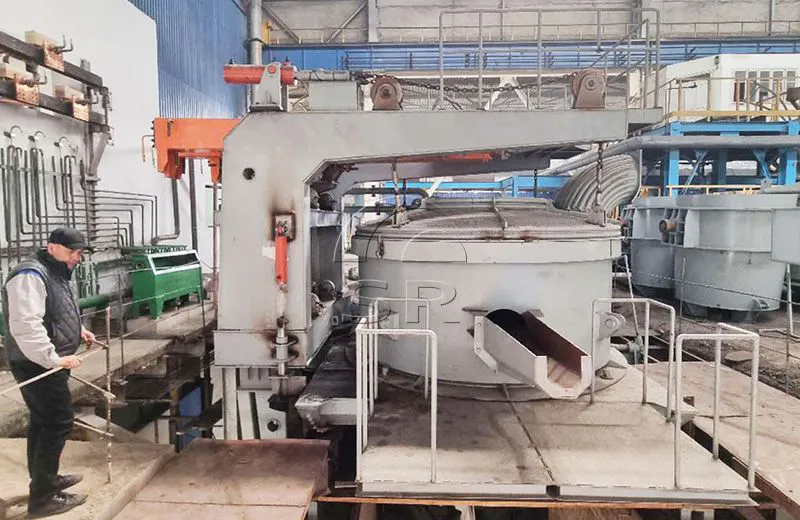
The 5 ton electric arc furnace for steel-making is a special purpose equipment that makes ordinary steel, quality carbon steel, alloy steel and non-corrosive steel with electric arc as heat source and scrap steel (iron) as raw material.
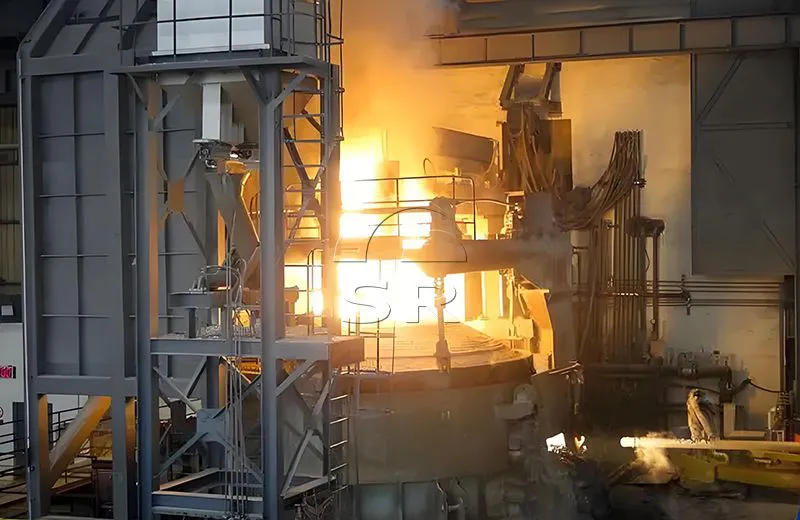
15-ton electric arc furnace is used for the short-process steelmaking process, using 100% scrap steel or scrap steel + molten iron (pig iron), or scrap steel + sponge iron (DRI) as raw materials for steelmaking.
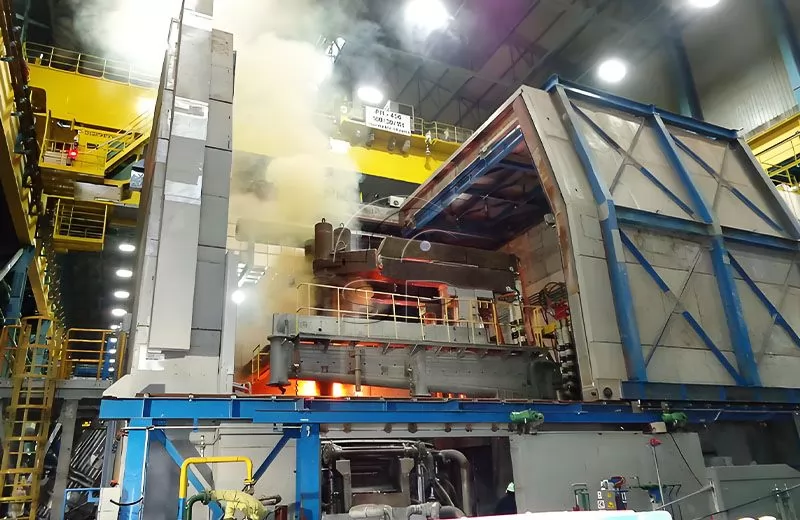
The 30-ton AC electric arc furnace is used to melt scrap steel to produce steel. Electrical energy is used to melt scrap steel. An arc forms between the charged material and the electrode.
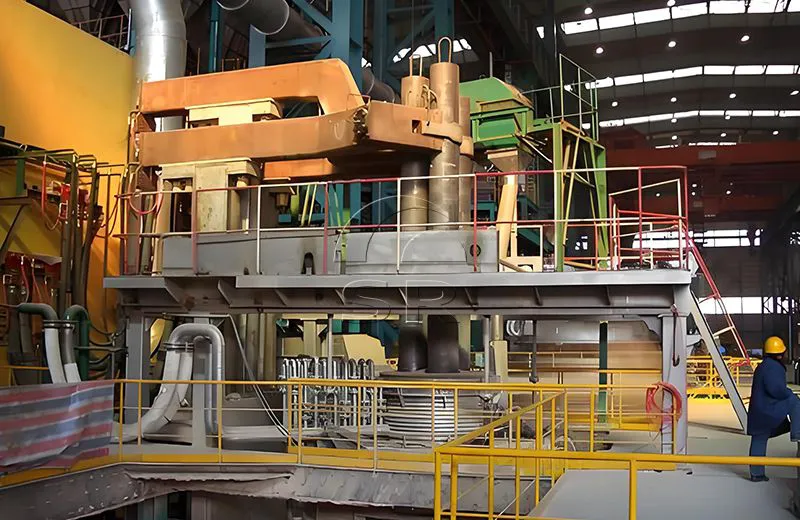
30 Ton electric arc furnace is used for steelmaking short process smelting, using 100% scrap steel or scrap steel + molten iron (pig iron), or scrap steel + sponge iron (DRI) as raw materials for steelmaking.
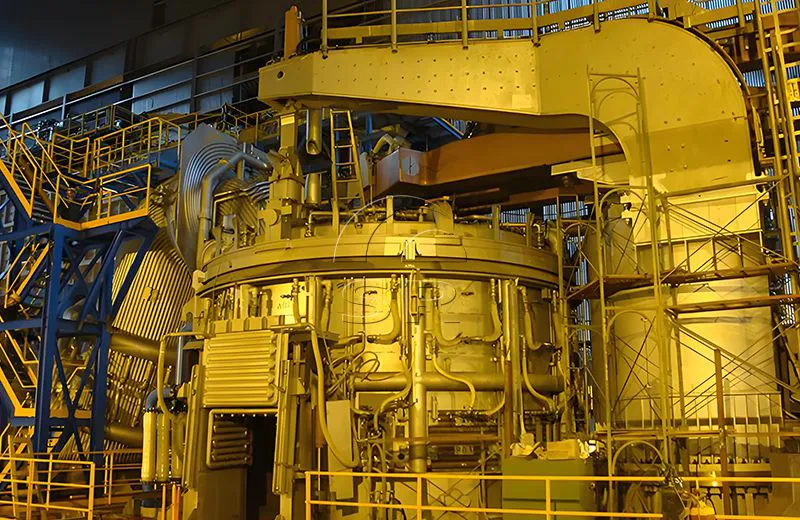
The 50-ton ultra-high power electric arc furnace (50TUPH EAF) adopts ultra-high power, high impedance technology, bottom tapping technology (ETB), furnace wall oxygen oil burner and furnace door carbon-oxygen gun technology.
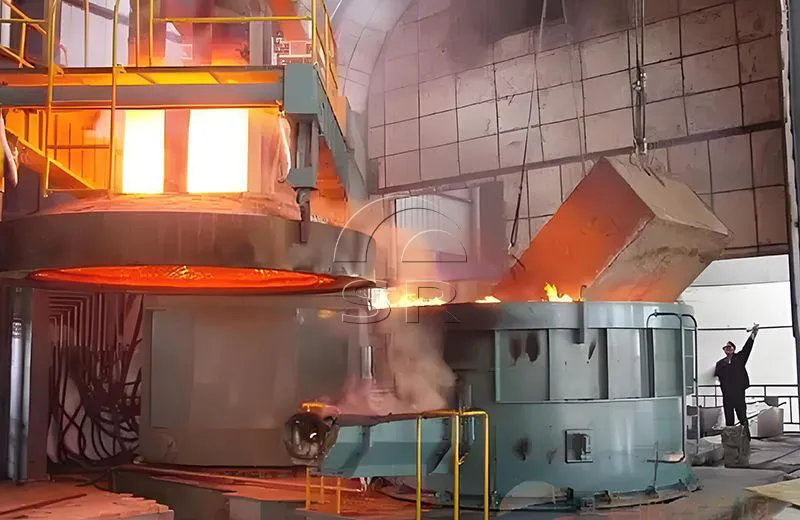
DC electric arc furnace is an electric arc furnace supplying electric energy with DC power supply. There is only one electrode on the top of the DC arc furnace, which is the negative electrode, and the bottom electrode is the positive electrode.
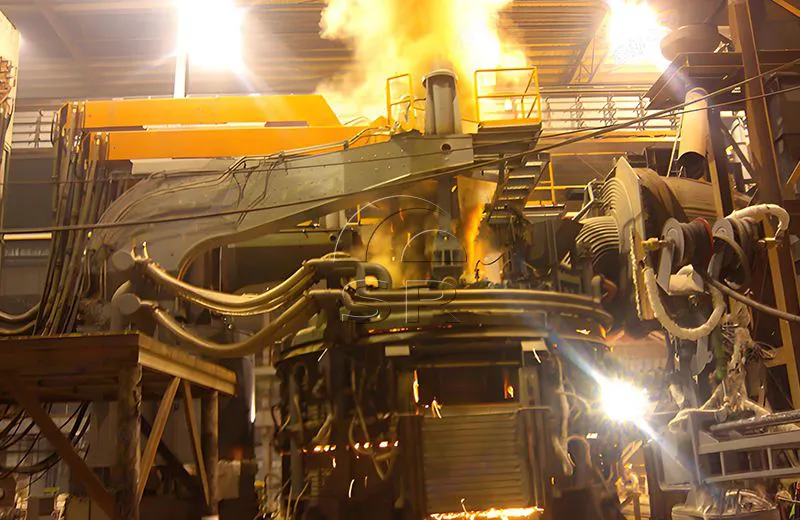
Electric arc furnaces are used to melt scrap steel for steel production. Electrical energy is used to melt scrap steel. An arc forms between the charged material and the electrode. The heat generated by the arc melts the scrap.
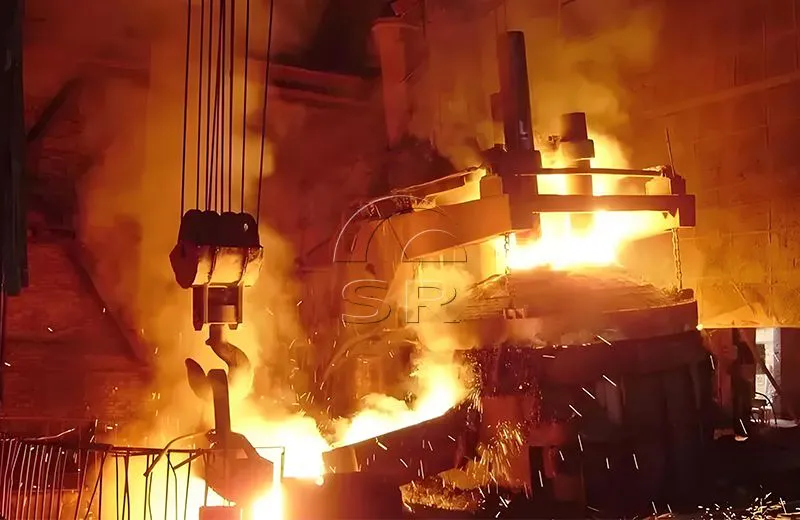
Electric arc furnace steel making is a steelmaking method that uses the thermal effect of electric arc to heat the charge for melting.
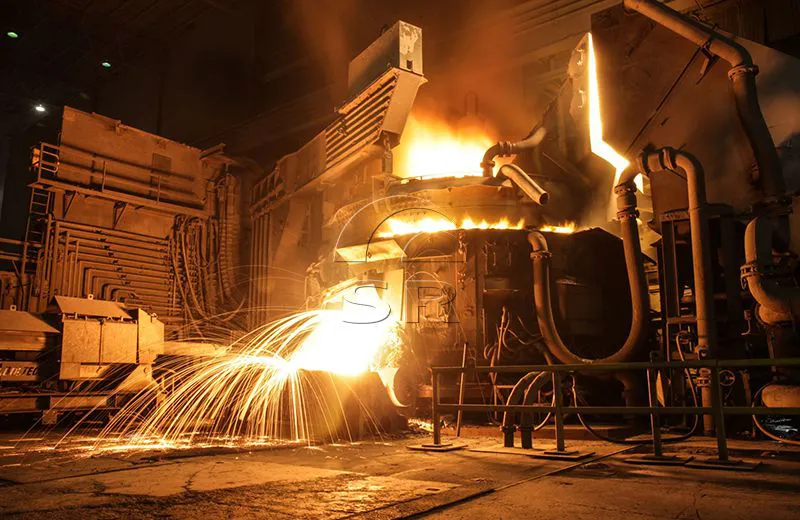
Ultra-high power electric arc furnace mainly changes the arc characteristics of high voltage and long arc to the arc characteristics of high current, low voltage and short arc
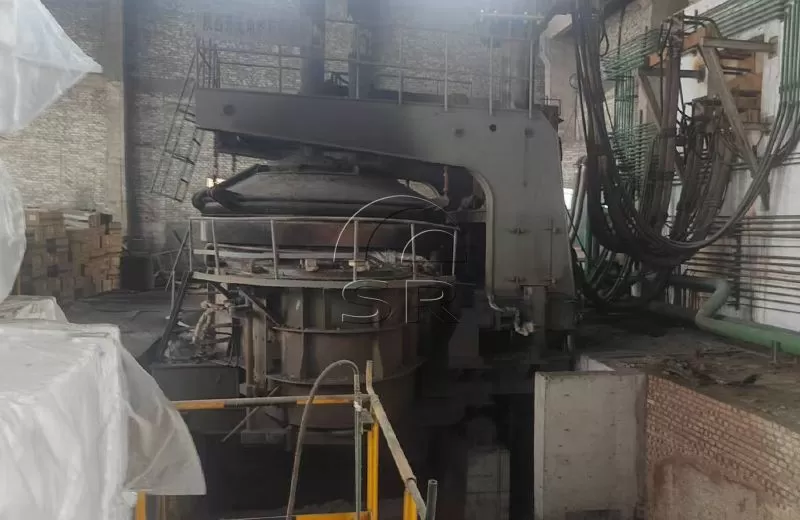
1 ton electric arc furnace is used for melting steel and titanium scrap metal. The principle of electric arc furnace is based on the generation of direct current, which converts electrical energy into heat energy through electrodes to melt the metal.
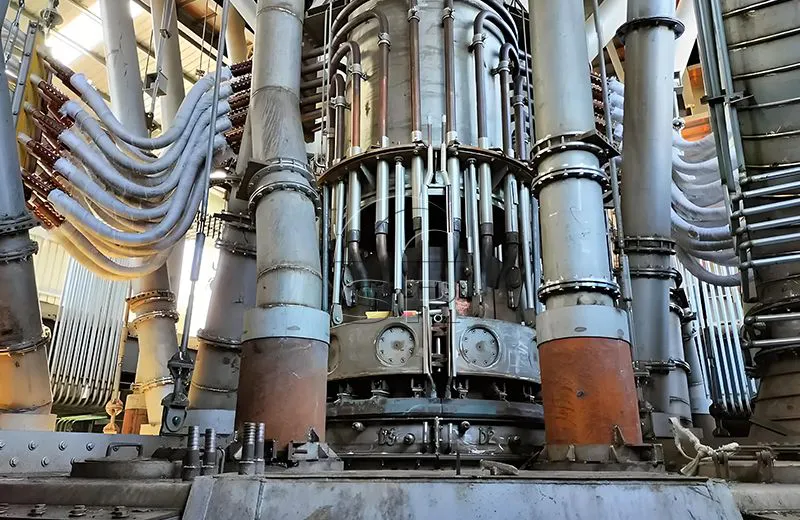
The closed pig iron furnace (submerged arc furnace iron making) is a non-blast furnace iron making method. Under the premise of guaranteeing the power supply, it is easy to solve the problem by using the reducing agent required by the submerged arc furnace iron making.
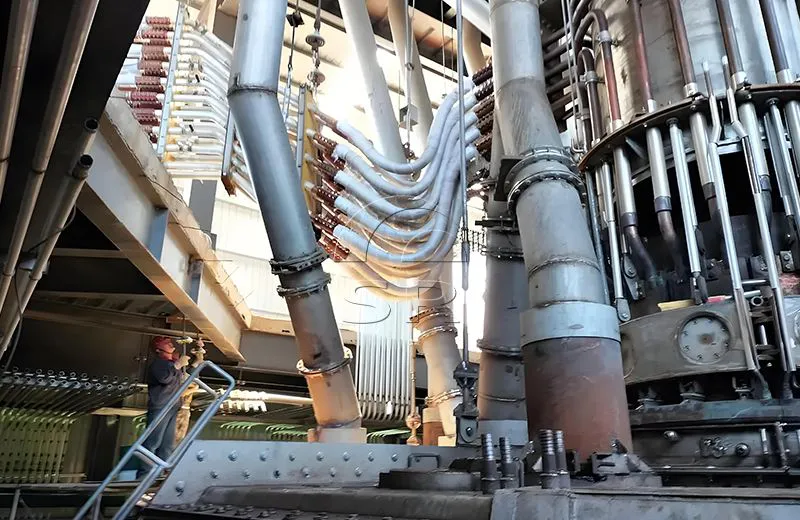
The main mechanical device design of Sanui ferroalloy refining furnace combines China's national conditions and draws on international advanced technologies such as Demark and Pyremate.
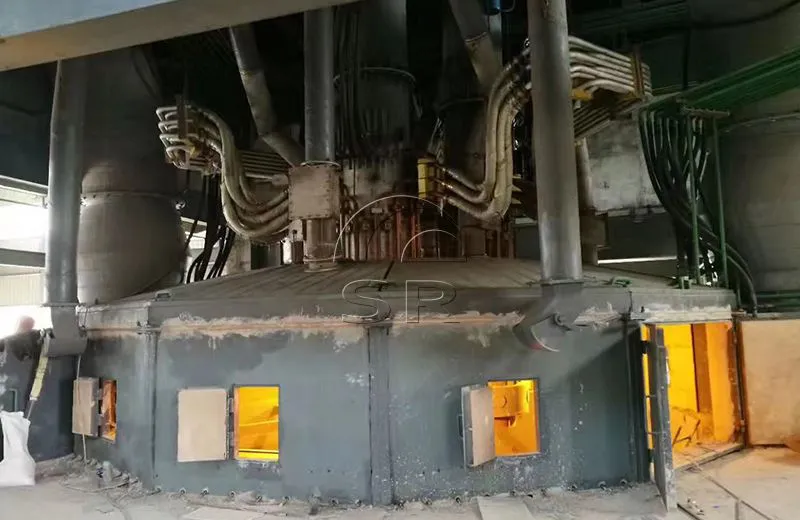
The Ferronickel submerged arc furnace is a special submerged arc furnace used for smelting nickel-iron alloy. Its main function is to add nickel ore, carbonaceous reducing agent (such as coke) and limestone and other raw materials into the furnace in a certain proportion
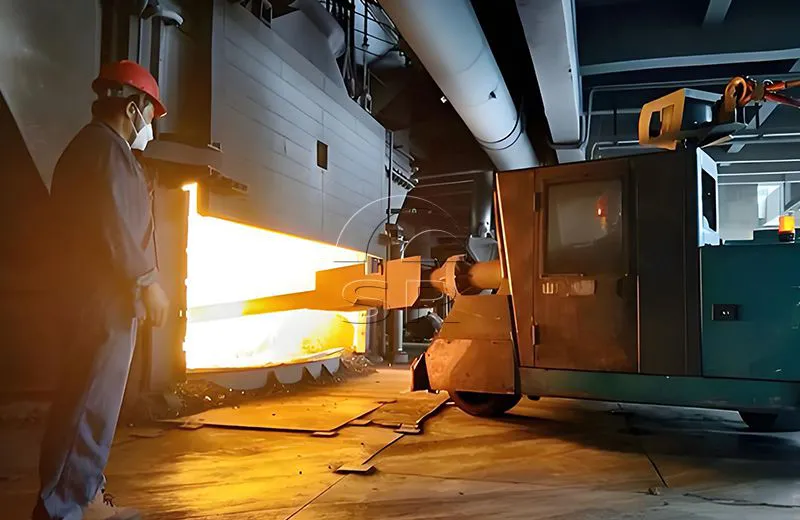
The main mechanical device design of Sanui ferrosilicon furnace combines China's national conditions and draws on international advanced technologies such as Demark and Pyremate.
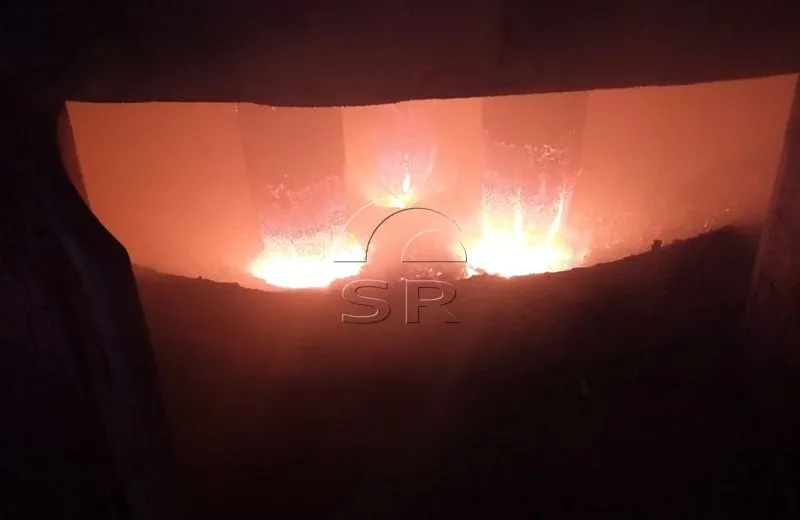
The main mechanical device design of Sanui high carbon ferrochrome furnace combines China's national conditions and draws on international advanced technologies such as Demark and Pyremate.
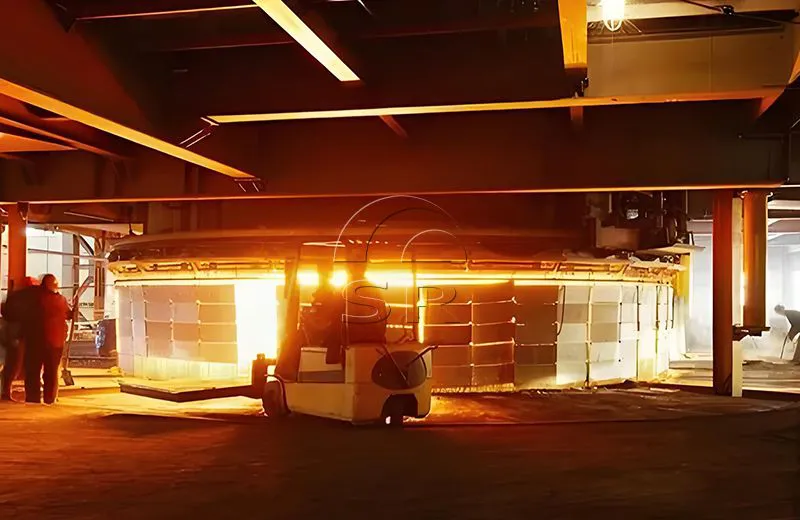
Industrial silicon submerged arc furnace is an important equipment in silicon ore processing, playing a key role in the silicon industry.
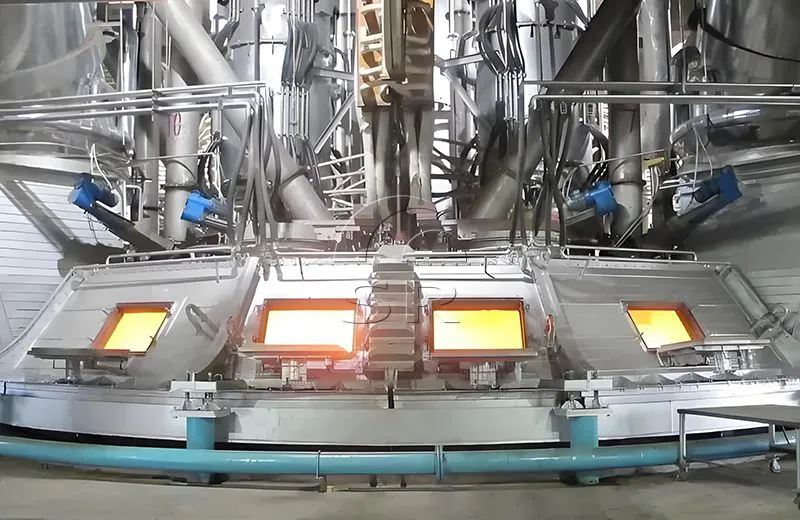
The manganese silicon alloy furnace is mainly used to smelt silicon-manganese alloy, which is an alloy containing silicon and manganese.
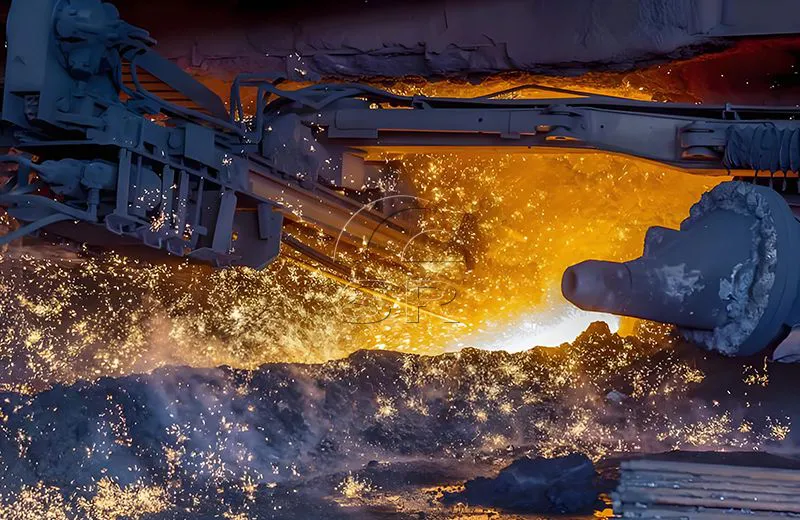
The design of the submerged arc furnace main mechanical device by Sanui is based on China's national conditions and draws on international advanced technologies such as Demark and Perlmutter.
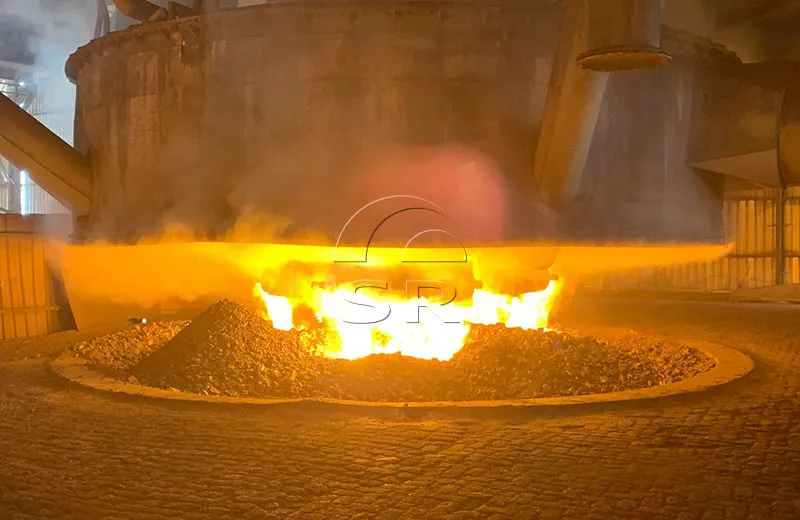
Submerged electric arc furnace is mainly used for reducing and smelting raw materials such as ore, carbonaceous reducing agent and solvent. It mainly produces ferroalloys such as ferrosilicon, ferromanganese, ferrochrome, ferrotungsten, silicon-manganese alloy, etc.
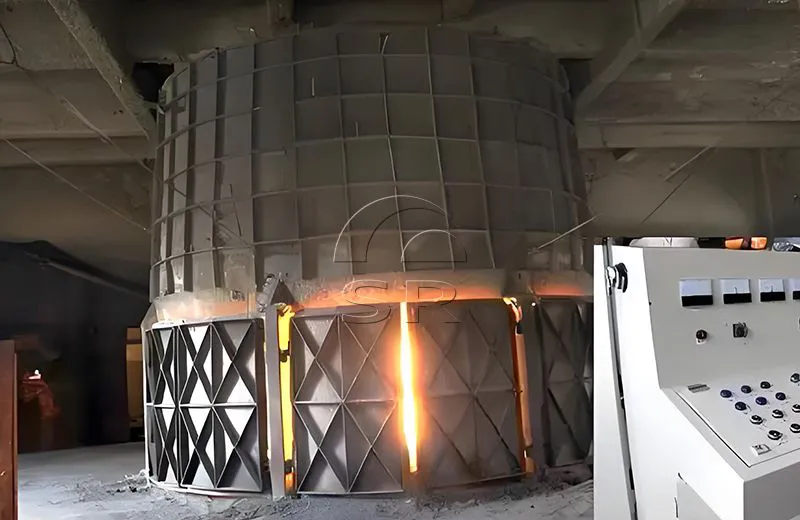
Titanium slag production adopts titanium slag electric furnace (circular furnace and rectangular furnace according to its shape) smelting process.
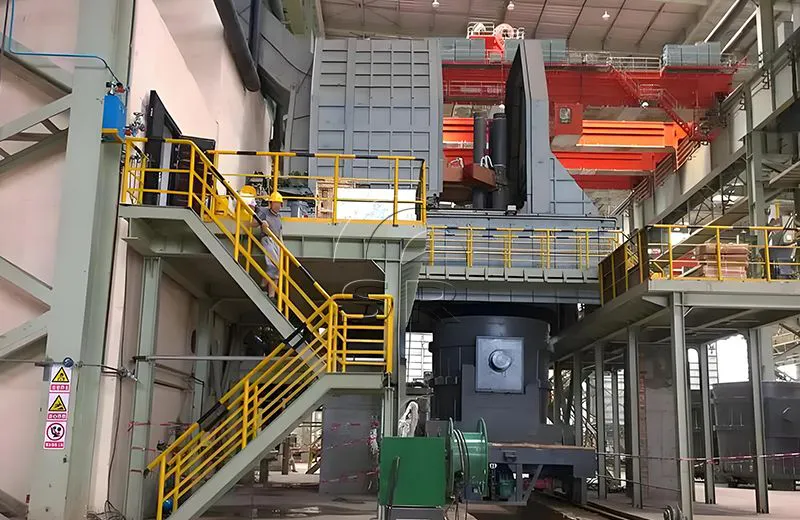
The LF 20 T ladle refining furnace has the functions of arc heating under normal pressure, argon blowing and stirring at the bottom of the ladle, and reducing slag making in the ladle.
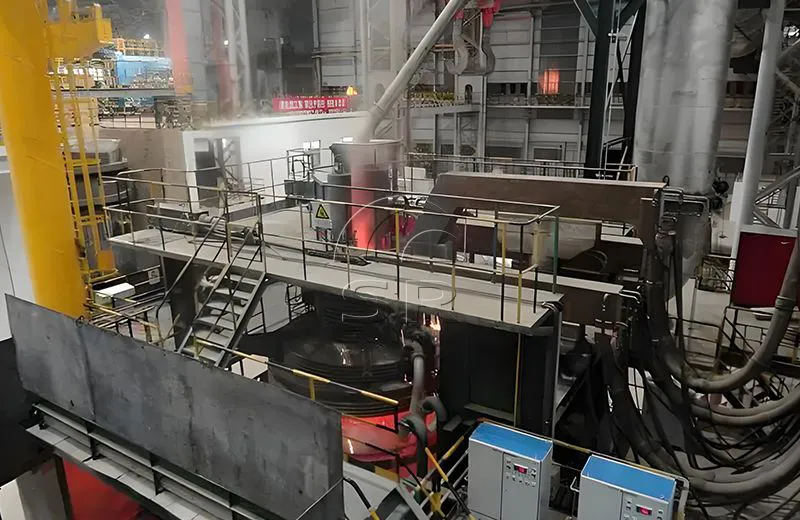
LF ladle refining furnace is a bottom-blown argon ladle furnace with three-phase submerged arc heating under normal pressure. It is a device for refining molten steel in a ladle.
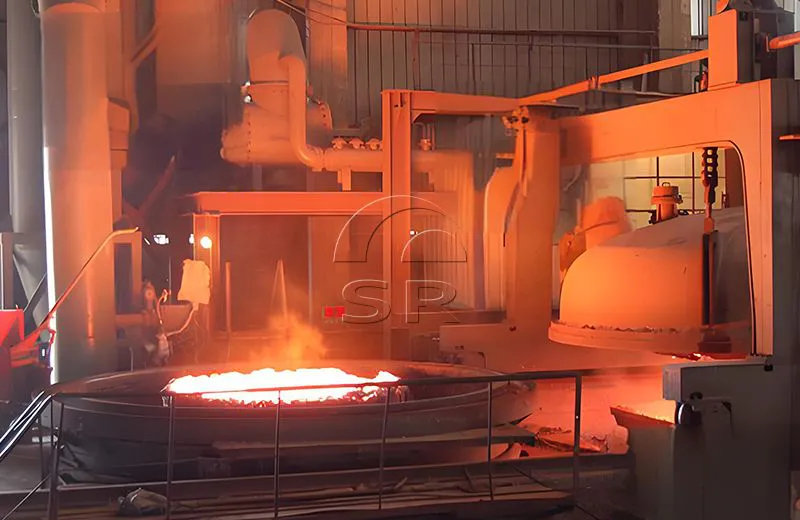
VD vacuum refining furnace is a commonly used refining process equipment, mainly used for deoxidation, impurity removal and other operations of molten steel, so as to obtain high purity, low impurity content of high quality steel.
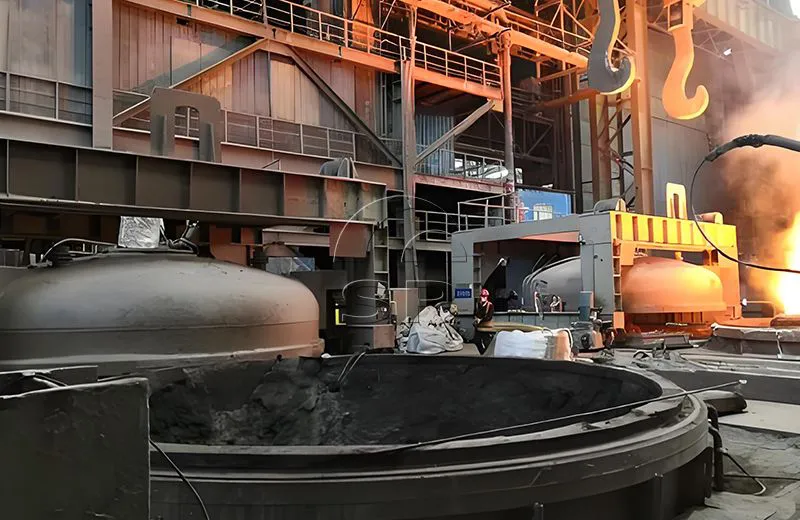
VOD vacuum refining furnace has multiple functions such as vacuum degassing, oxygen blowing decarburization, vacuum charging, argon blowing stirring, non-vacuum temperature measurement sampling, wire feeding, etc.
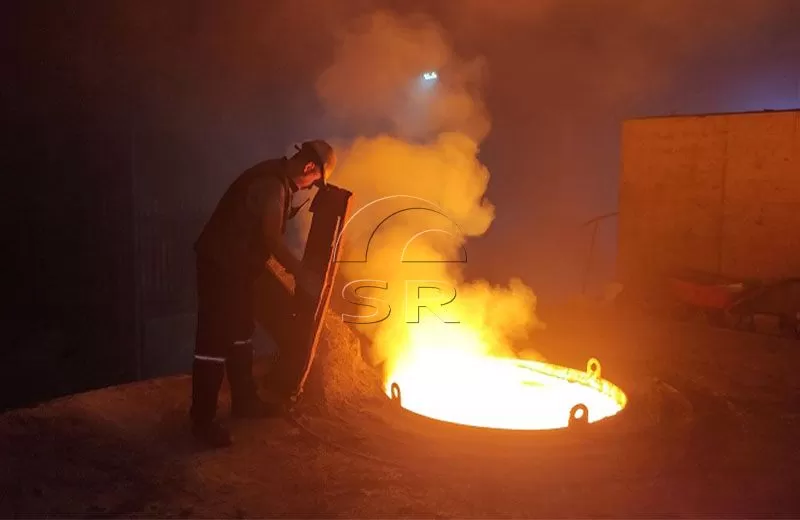
The cast steel melting induction furnace has outstanding advantages in heat penetration or melting soft magnetic alloys, high resistance alloys, platinum group alloys, heat-resistant, corrosion-resistant, wear-resistant alloys and pure metals.
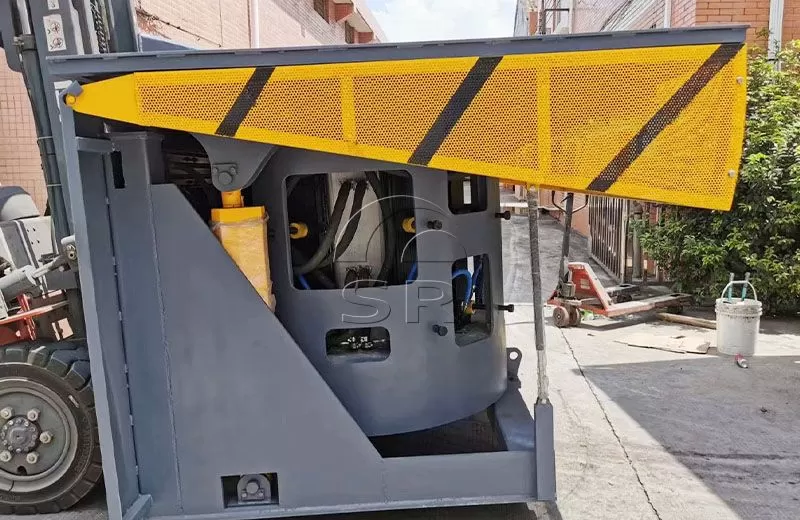
Metal silicon smelting furnace is a metal silicon medium frequency melting furnace, which consists of furnace body, water and electricity introduction system, furnace tilting device, etc. It has fast melting temperature rise, easy to control furnace temperature and high production efficiency.
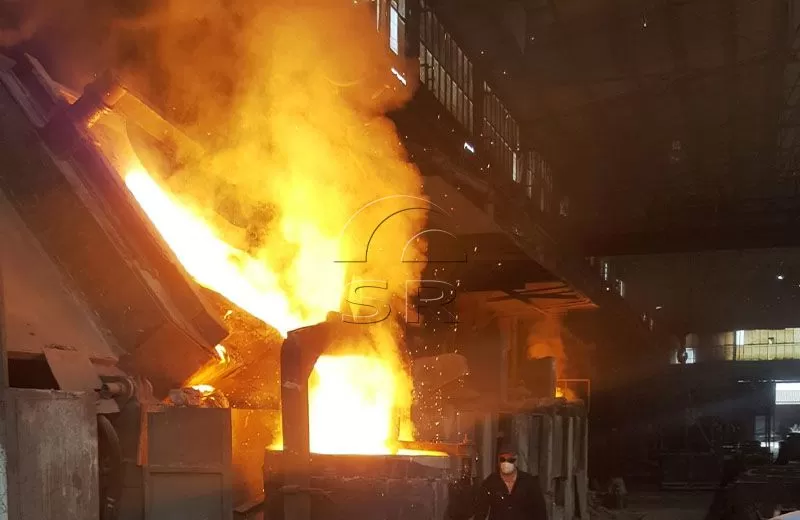
Medium frequency induction furnace mainly used for melting steel, alloy steel, special steel, stainless steel, and can also be used for melting and casting non-ferrous metals such as copper, aluminum, lead, zinc, etc. The customized range of induction furnaces sold by Sanrui ranges from 0.1 tons to 10 tons.
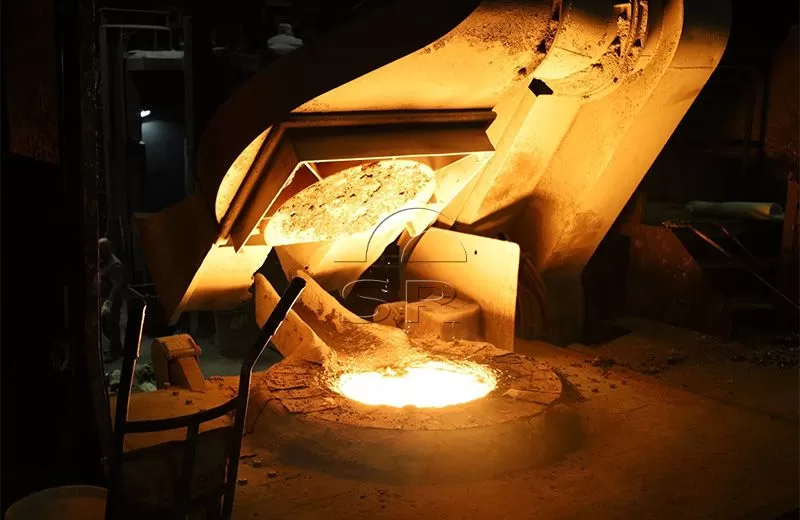
Medium frequency induction furnaces are mainly used for melting steel, alloy steel, special steel, stainless steel, and can also be used for melting and casting non-ferrous metals such as copper, aluminum, lead, and zinc.
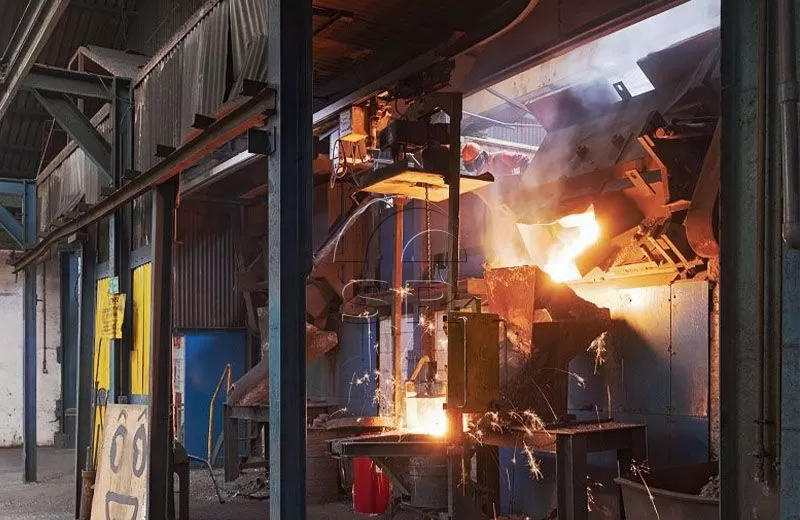
Medium frequency aluminum melting furnace is used for melting and heating aluminum, scrap aluminum, aluminum ingots, and aluminum alloys; The melting capacity ranges from 100KG to 3000KG.
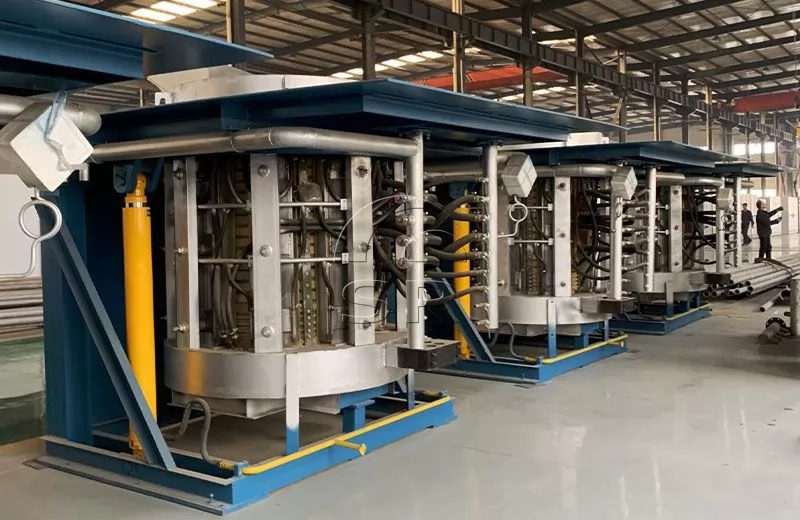
An induction furnace is an electric furnace that uses the induction electrothermal effect of the material to heat or melt the material. The main components of an induction furnace are sensors, furnace body, power supply, capacitors and control system.
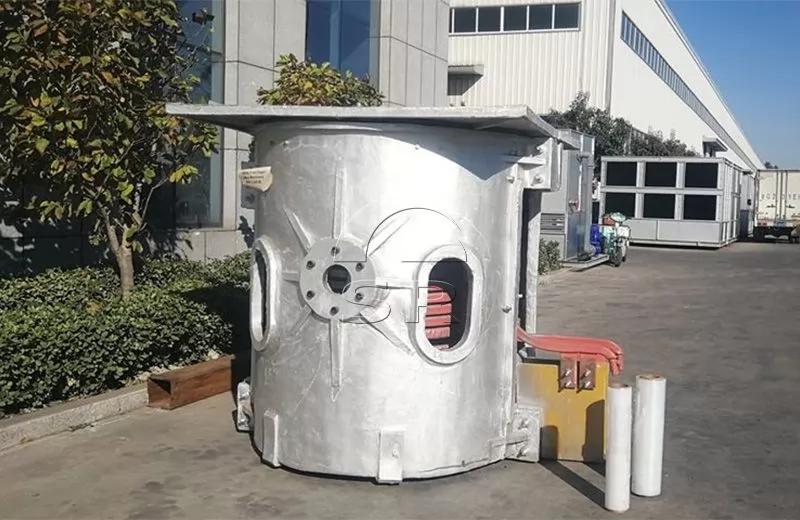
The 3-ton medium frequency coreless induction furnace adopts a 6-phase 12-pulse double rectifier control system. A 2000KVA special rectifier transformer is used for the 2000KW medium frequency power supply.
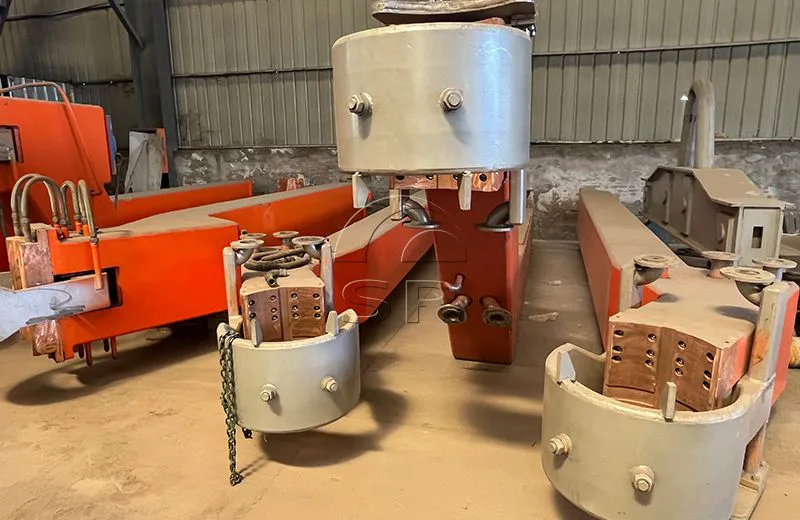
The conductive arm of an electric arc furnace (EAF) is primarily composed of the front electrode conductive arm holder, a water-cooled clamping ring, the arm body, and the rear conductive copper plate.
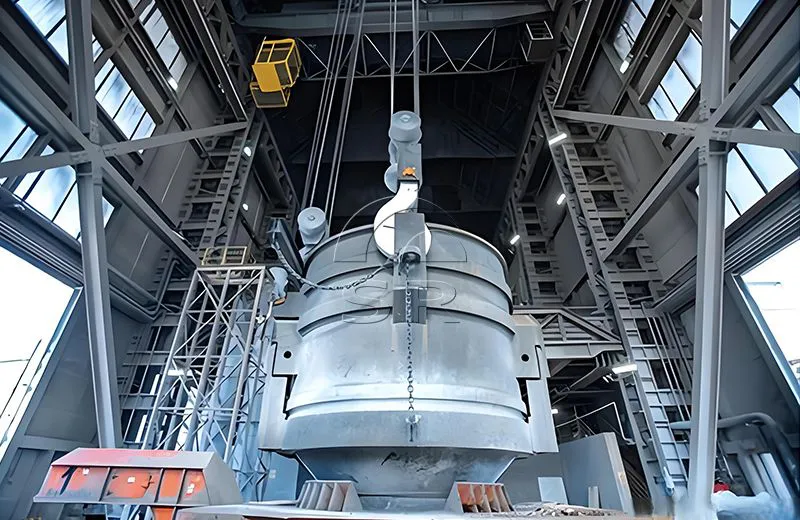
The scrap charging basket of the electric arc furnace is mainly used for loading and conveying raw materials such as scrap steel into the electric arc furnace for smelting.
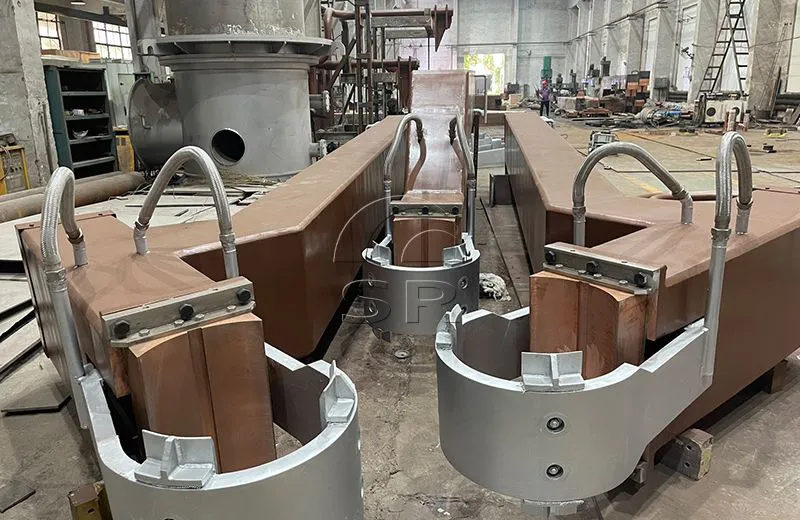
There are many insulation links between the EAF electrode holder and the conductive cross arm body, which greatly simplifies the cconductive cross arm structure and is a new type of electrode arm on the ultra-high power arc furnace.
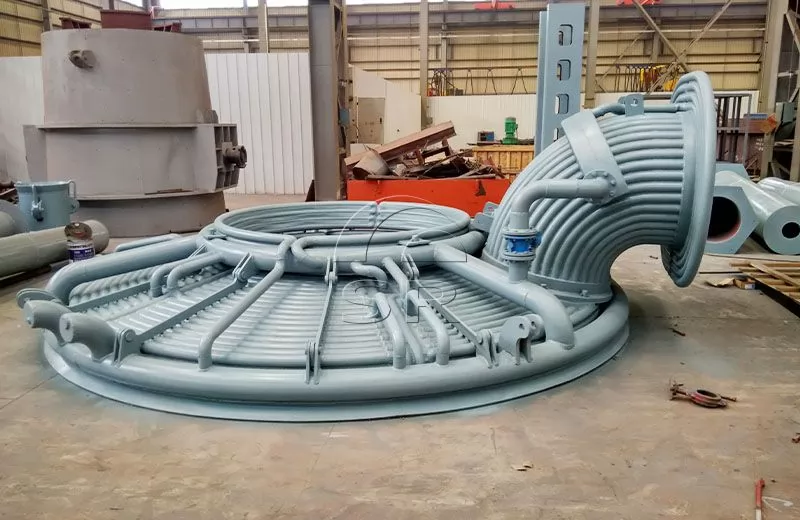
Generally, the furnace cover of the electric arc furnace adopts the tubular water-cooled closed tube furnace cover structure.
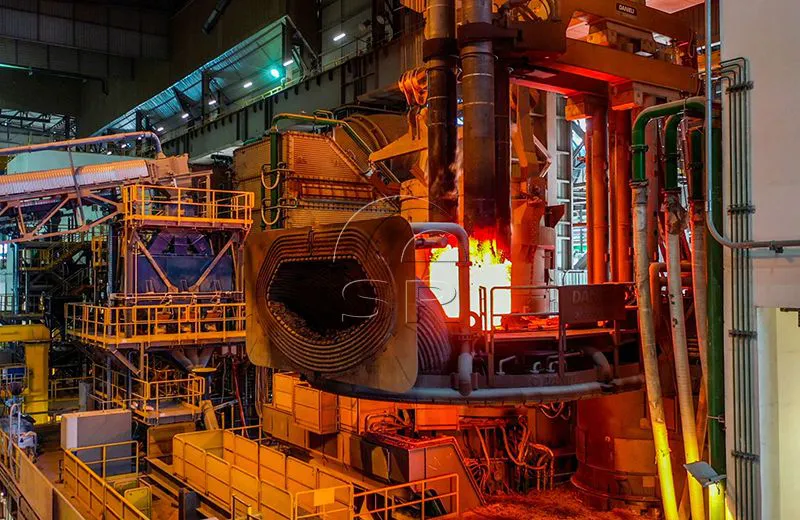
The electrode lifting mechanism of electric arc furnace is composed of conductive cross arm and electrode column device.
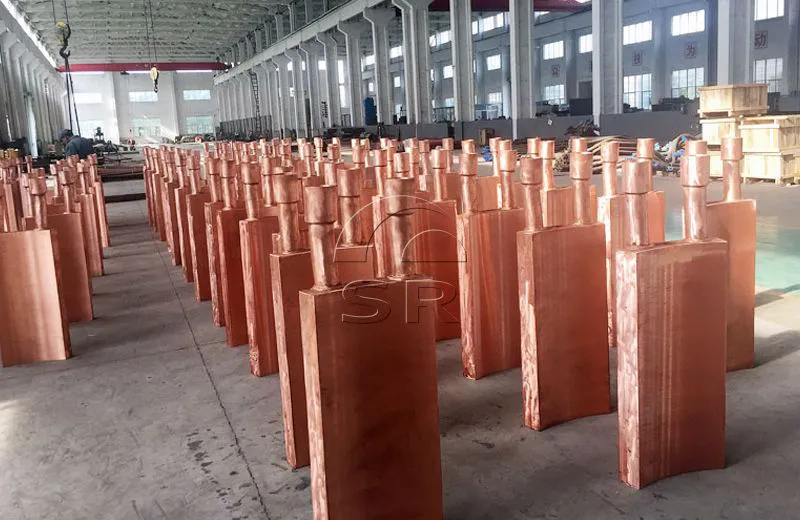
Forged copper tile is one of the main accessories in submerged arc furnace (silicon metal furnace, calcium carbide furnace and iron alloy furnace). It generates heat energy due to passing through large current at high temperature, and is easy to be damaged due to poor working environment.
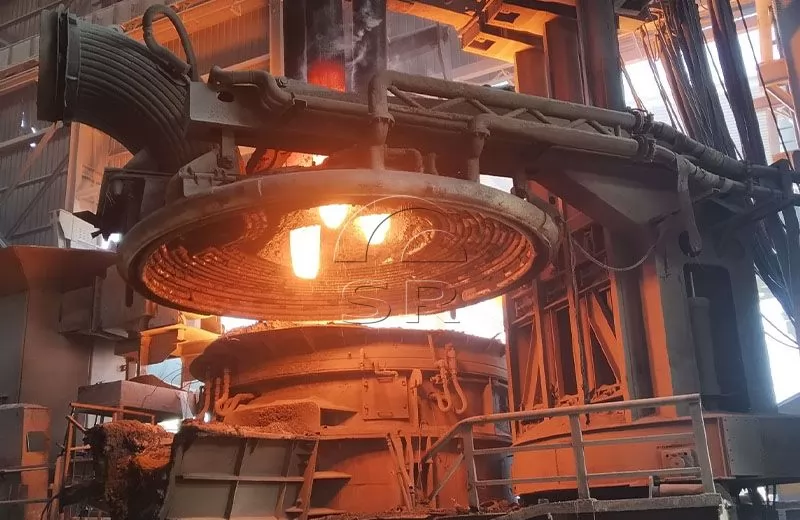
The furnace cover lifting and rotating device consists of a furnace cover lifting mechanism, a rotating mechanism and a rotating frame.
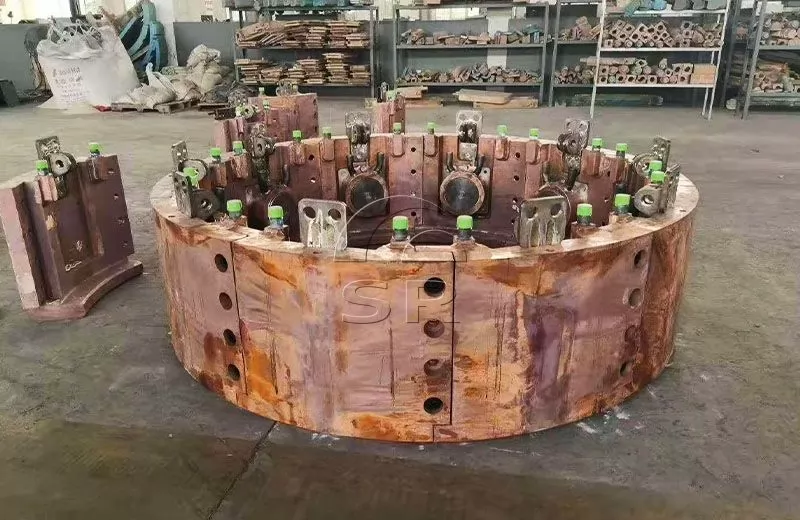
Submerged arc furnace pressure ring is used to monitor the change of air pressure in the furnace in real time, and adjust the air pressure automatically or manually according to the preset parameters to ensure the stability of air pressure in the furnace
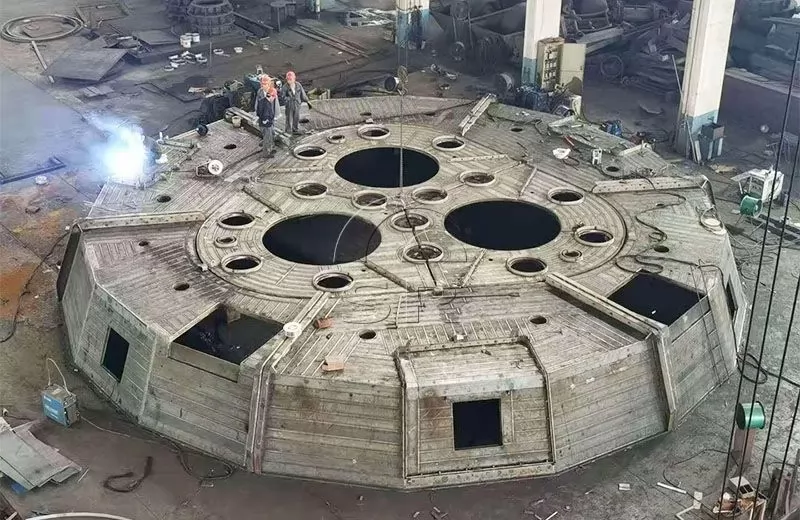
Submerged arc furnace water-cooled Roof is an important part of submerged arc furnace (also known as electric arc furnace, calcium carbide furnace or mining furnace), which is mainly used to close the top of furnace body and bear the high temperature and pressure in the furnace.
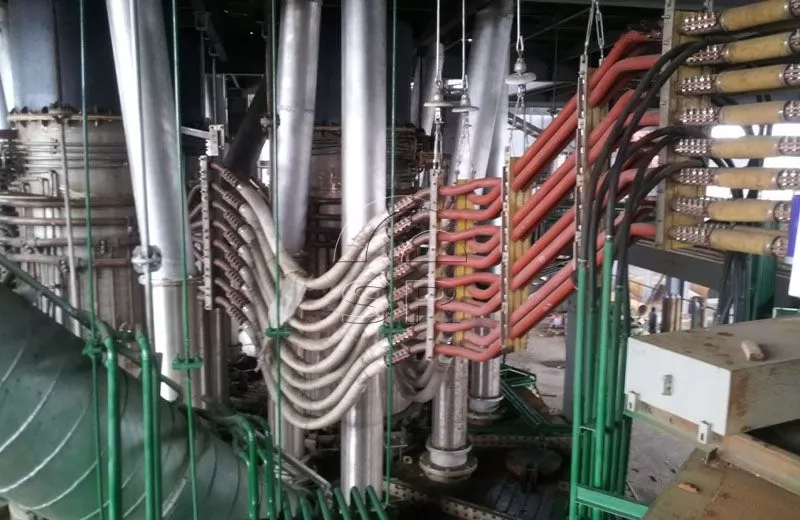
Short network bus systems), also known as high current line, refers to the general term of the carrier fluid from the secondary outlet terminal of the transformer to the electrode (including the electrode).
Navigation
E-mail: anna@srfurnace.com
Tel: +86 159 2955 5868
WhatsApp: +86 159 2955 5868
Add:
Room 422, 4th Floor, Building D, No. 5, Phase I, Fengdong Free Trade Industrial Park, Xixian New District, Shaanxi Province