Oct. 15, 2026
Meta-level summary (for the top of the page): Ferroalloys such as ferrosilicon, ferromanganese, silicomanganese and ferrochrome are the backbone of modern steelmaking. This guide compares the main ferroalloy production methods and explains where each fits, from the blast furnace to the electric submerged arc furnace (SAF) and the refining routes. It is written from the point of view of a furnace manufacturer that designs and builds this equipment.
Ferroalloys are alloys of iron with one or more elements such as silicon, manganese, chromium, nickel or tungsten. Steel mills use them to deoxidize, desulfurize and alloy molten steel. Producing them means reducing metal oxides from ore and separating the metal from the slag.
No single process suits every product. The right method depends on three things:
how stable the oxide is, i.e. how hard it is to reduce
the carbon, silicon and nitrogen specification the customer wants
local electricity, reductant and raw-material costs
| Method | Heat source | Typical products | Carbon level | Operation |
|---|---|---|---|---|
| Blast furnace | Coke combustion | Low-silicon ferrosilicon, high-carbon ferromanganese, ferronickel, manganese-rich slag | High | Continuous |
| Electric carbothermic (submerged arc furnace) | Electric arc and resistance heating | Ferrosilicon, silicomanganese, high-carbon ferrochrome, ferronickel, industrial silicon | High | Continuous |
| Electric silicothermic (electric arc furnace, “desiliconization”) | Electric arc plus reaction heat | Medium- and low-carbon ferrochrome and ferromanganese | Low | Batch |
| Out-of-furnace (metallothermic) | Reaction heat only | Metallic chromium, ferrovanadium, ferrotitanium, ferromolybdenum | Very low | Batch |
| Vacuum solid-state resistance furnace | Resistance heating under vacuum | Micro-carbon ferrochrome | Very low | Batch |
| Oxygen converter refining | Oxidation heat | Medium-carbon ferromanganese and ferrochrome | Medium | Batch |
| Induction remelting | Electromagnetic induction | Nitrided ferrochrome | Depends on feed | Batch |
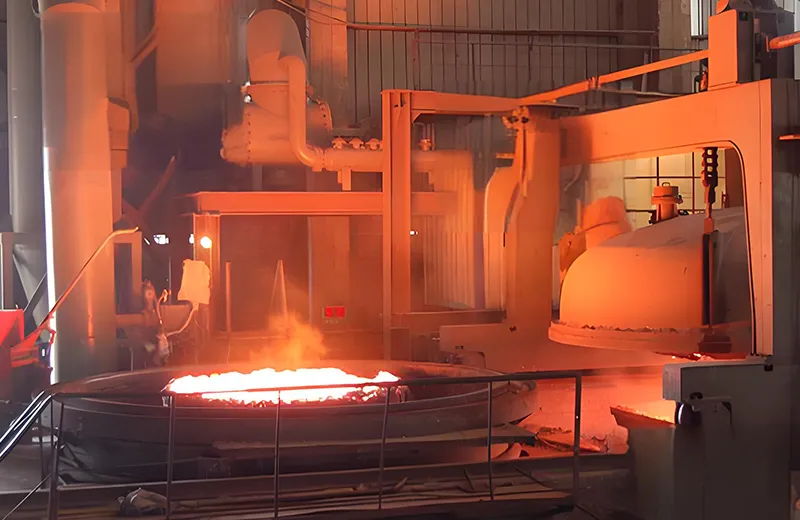
The blast furnace follows the same principle as ironmaking. Ore, sinter and coke are charged from the top. Coke burns at the tuyere zone, and the coke and the CO it generates act as the reductant. The combustion heat drives reduction, melts the burden and separates metal from slag.
Where it works: For oxides that are relatively easy to reduce, the blast furnace gives acceptable grades at high productivity, low unit cost and low electricity use. It produces low-silicon ferrosilicon, high-carbon ferromanganese, ferronickel and manganese-rich slag. The slag is low in phosphorus and high in manganese, so it is a good feed for silicomanganese and for medium- and low-carbon ferromanganese.
Limits:
Heat is limited by coke combustion, so very stable oxides give only low-grade alloys.
Carburization keeps the carbon content of the alloy high.
Manganese and silica ores are harder to reduce than iron ore, so coke rate is higher than in pig iron production. Burden load is lighter, the edge gas flow tends to develop, and hearth build-up becomes a risk.
Primary slag is rich in MnO and very fluid, so it attacks the lining and shortens furnace life.
A ferroalloy blast furnace therefore needs a different profile and structure from an ironmaking furnace. It needs heavier edge charging, together with high blast temperature and high gas volume to keep the center gas flow active.
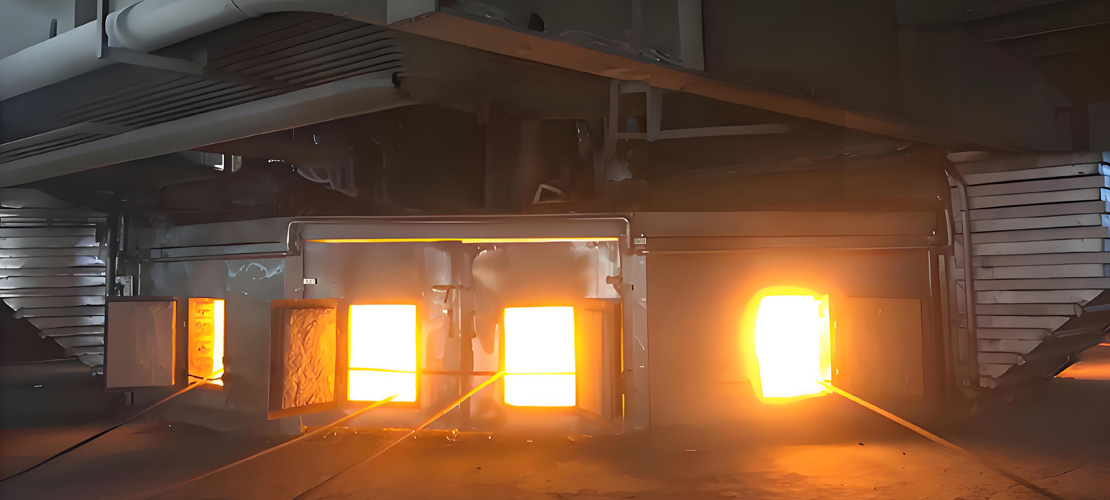
The submerged arc furnace (SAF), also called a mineral furnace or ferroalloy furnace, is the main route for crude ferroalloys and accounts for the largest share of global output. It is the core product of SR Electric Furnace.
How it works: The electrodes are buried in the burden. The arc and resistance heat is released deep in the charge, where the reduction reactions need it. Hot gas rises through the descending burden and gives up its heat on the way. This lowers the top temperature, cuts volatilization losses of useful elements, and improves both thermal efficiency and element recovery.
Key engineering points:
Carbon is both reductant and conductor. The reductant needs good reactivity, high purity and a suitable electrical resistivity. This sets the choice among coke, semi-coke, charcoal and coal.
Burden permeability. Every component needs the right size distribution and thermal stability so gas can pass freely.
Continuous operation. Melting rate, charging rate and tapping schedule must stay in balance.
Slag practice. Depending on the product, the furnace runs with slag (for example silicomanganese, high-carbon ferrochrome and ferronickel) or without slag (for example ferrosilicon and industrial silicon). Slag chemistry and quantity decide productivity, recovery and tapping behavior.
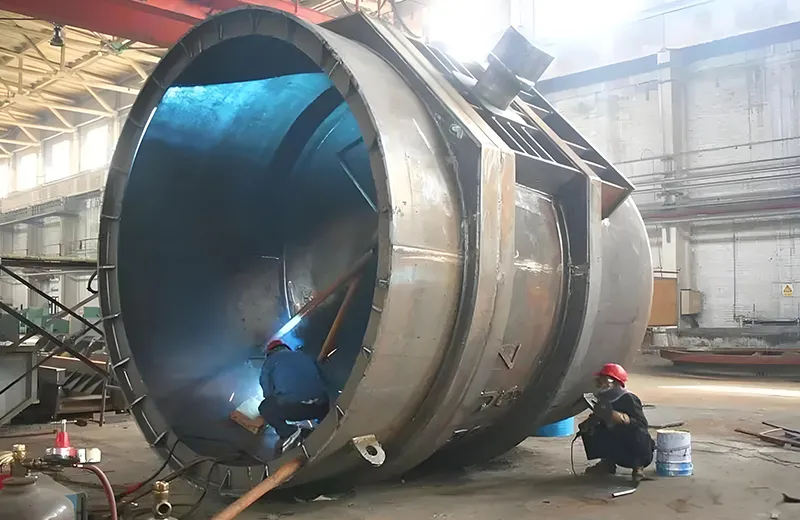
Electrodes are the critical component. Carbon, graphite or self-baking (Soderberg) electrodes must match the furnace power and the product. The electrode holding system is equally important: copper contact shoes, pressure rings, bellows or hydraulic clamping, and water-cooled parts.
Electrical system. Furnace transformer capacity (MVA), short network design, power factor and electrode regulation all affect energy use and stability.
Limit: Elements that form stable carbides with carbon, such as chromium, manganese and vanadium, end up in a high-carbon alloy. Low-carbon grades need a different route (2.2 to 2.5).
Typical SAF applications: ferrosilicon, silicomanganese, high-carbon ferromanganese, high-carbon ferrochrome, ferronickel, industrial (metallurgical) silicon, pig iron, titanium slag.
Silicides are more stable than carbides, so a silicon-bearing alloy such as ferrosilicon, silicomanganese or silicochrome can reduce oxides without adding carbon. The result is a refined, low-carbon ferroalloy, for example low- and medium-carbon ferrochrome or ferromanganese.
Equipment and practice:
An electric arc furnace, either fixed or tilting. Early operation is submerged-arc style, and after the charge melts the arc is open.
Graphite electrodes, to avoid carbon pickup. The electrodes must not dip into the bath.
Higher secondary voltage, and usually a magnesia (MgO) lining.
Batch production. Part of the metal is left in the furnace after tapping to protect the lining.
The reduction releases a lot of heat, and the open arc radiates strongly onto the lining. The lining must therefore have high refractoriness and slag resistance.
This route needs no external electric heat. Silicon, ferrosilicon or aluminum reduces the oxide, and the reaction heat is enough to melt metal and slag.
Raw materials must be dry, crushed and well mixed.
Fluxes are added to control reaction speed and to separate metal from slag. An igniter is used to start the reaction.
Production is batch-wise and cost per ton is higher, because reductants are expensive.
It is the usual route for alloys with very high melting points or low carbon requirements, such as metallic chromium, ferrovanadium and ferrotitanium.
A horizontal, sealed steel furnace is lined with refractory brick and heated by graphite rods. The furnace is first evacuated, then heated, and pumping continues during the run. The temperature stays below the melting point of the charge, so the reaction is a gas–solid reaction.
Vacuum drives forward reactions that release gas, mainly CO.
Reactants must be mixed very evenly.
Production is batch-wise.
It is used for micro-carbon ferrochrome.
Similar to converter steelmaking, this is a refining route that selectively oxidizes unwanted elements. For medium-carbon ferromanganese or ferrochrome, oxygen volume and blowing temperature are controlled to lower carbon while keeping manganese or chromium in the alloy. It has high productivity and no extra heat source, and it is a batch process.
Micro-carbon ferrochrome is crushed and melted in an atmospheric induction furnace. Nitrogen is blown onto the bath through a lance in the furnace cover, and the alloy absorbs nitrogen to become nitrided ferrochrome. Operation is batch-wise.
For refined alloys, plants can charge liquid metal hot or transfer it hot between furnaces, and can add ladle refining. This saves power and cost. These practices are combinations of the methods above, not separate processes.
| Your priority | Recommended route |
|---|---|
| Large volume of standard alloys (FeSi, SiMn, HC FeCr, FeNi) | Submerged arc furnace |
| Low-carbon or medium-carbon ferrochrome or ferromanganese | Silicothermic electric furnace, or converter refining of SAF metal |
| Cheap pig-iron-like products with high MnO slag, and coke is available | Blast furnace |
| Very low carbon or very high-purity specialty alloys | Metallothermic or vacuum route |
| Nitrogen-bearing alloys | Induction remelting with nitrogen |
Sizing a SAF depends on power rating (MVA), electrode diameter, furnace shell diameter, hearth power density, and whether the furnace is open, semi-closed or closed. Closed furnaces let you recover CO gas and cut emissions. They are the better choice where energy costs and environmental limits are strict.
A submerged arc furnace buries its electrodes in the charge and works mainly by resistance and arc heating inside the burden. It is used to reduce ores into ferroalloys. An electric arc furnace (EAF) melts scrap with an open arc, for steelmaking. Some refining operations, such as silicothermic ferroalloy production, use an EAF-type furnace.
Carbon is the reductant, and elements such as chromium and manganese form stable carbides. Producing low-carbon alloy needs silicothermic, metallothermic, vacuum or oxygen-refining routes.
Ferrosilicon, silicomanganese, high-carbon ferromanganese, high-carbon ferrochrome, ferronickel and industrial silicon are the most common.
It varies by product. As a rough guide, ferrosilicon (75%) needs far more power per ton than high-carbon ferromanganese or high-carbon ferrochrome. Actual figures depend on raw materials, furnace design and operation.
SR Electric Furnace (Xi’an Sanrui Electric Furnace Co., Ltd.) designs, manufactures, installs and commissions metallurgical furnaces. The company was founded in 2009 by a retired chief technical engineer of a state-owned metallurgical electric furnace plant. Our range covers submerged arc furnaces, electric arc furnaces, LF and VD/VOD refining furnaces, induction furnaces, dust removal and water treatment systems, and key parts such as forged copper tiles, pressure rings, short networks and water-cooled roofs. Equipment is exported to Germany, Spain, Iran, Ethiopia, Uzbekistan, Kazakhstan, Thailand, Vietnam, Indonesia, India and Myanmar.
Send us your raw materials, target product and capacity, and our engineers will propose a furnace solution from A to Z.
[Request a Custom Furnace Solution] · anna@srfurnace.com · WhatsApp +86 159 2955 5868
Latest News
What Factors Affect the Production Efficiency of a Ladle Refining Furnace?
Oct. 20, 2026
Oct. 15, 2026
Latest Products
Customized metallurgical machinery and equipment range: Electric Arc Furnace, Submerged Arc Furnace, LF Refining Furnace, Vacuum Furnace, Induction Furnace, Dust Remove System, Water Treatment Equipment, etc. Providing the most advanced equipment integration services, metallurgical equipment can be customized according to different needs of customers, and production capacity can be adjusted according to customer requirements.
Electric Arc Furnace
Submerged Arc Furnace
LF Refining Furnace
VD / VOD Vacuum Refining Furnace
Induction Furnace
Furnace Accessories
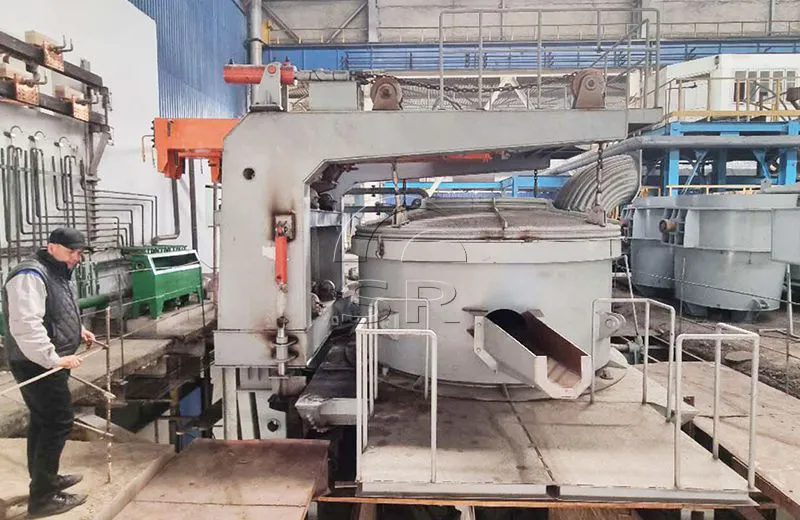
The 5 ton electric arc furnace for steel-making is a special purpose equipment that makes ordinary steel, quality carbon steel, alloy steel and non-corrosive steel with electric arc as heat source and scrap steel (iron) as raw material.
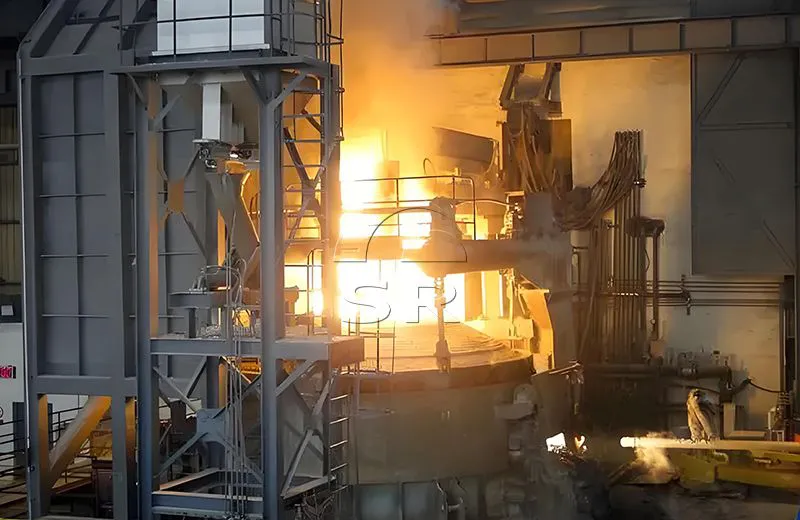
15-ton electric arc furnace is used for the short-process steelmaking process, using 100% scrap steel or scrap steel + molten iron (pig iron), or scrap steel + sponge iron (DRI) as raw materials for steelmaking.
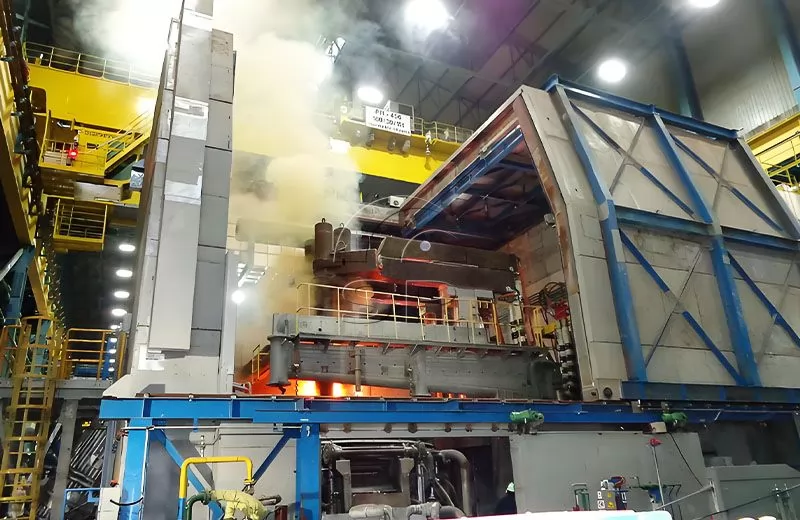
The 30-ton AC electric arc furnace is used to melt scrap steel to produce steel. Electrical energy is used to melt scrap steel. An arc forms between the charged material and the electrode.
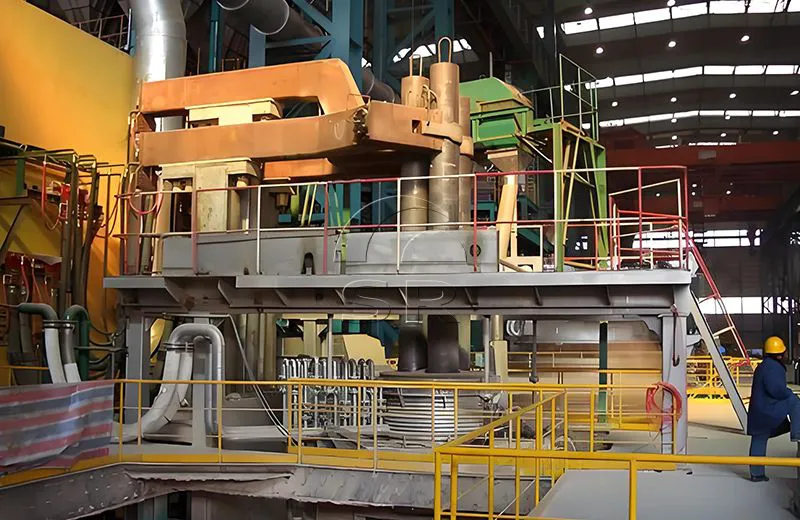
30 Ton electric arc furnace is used for steelmaking short process smelting, using 100% scrap steel or scrap steel + molten iron (pig iron), or scrap steel + sponge iron (DRI) as raw materials for steelmaking.
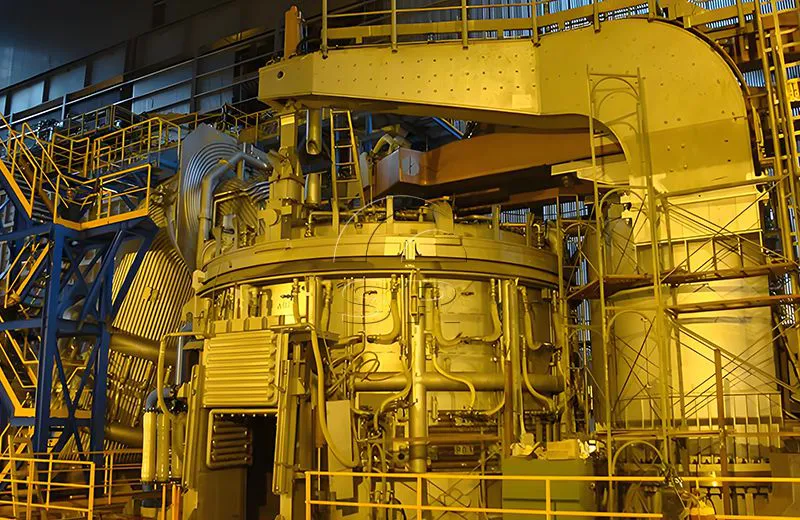
The 50-ton ultra-high power electric arc furnace (50TUPH EAF) adopts ultra-high power, high impedance technology, bottom tapping technology (ETB), furnace wall oxygen oil burner and furnace door carbon-oxygen gun technology.
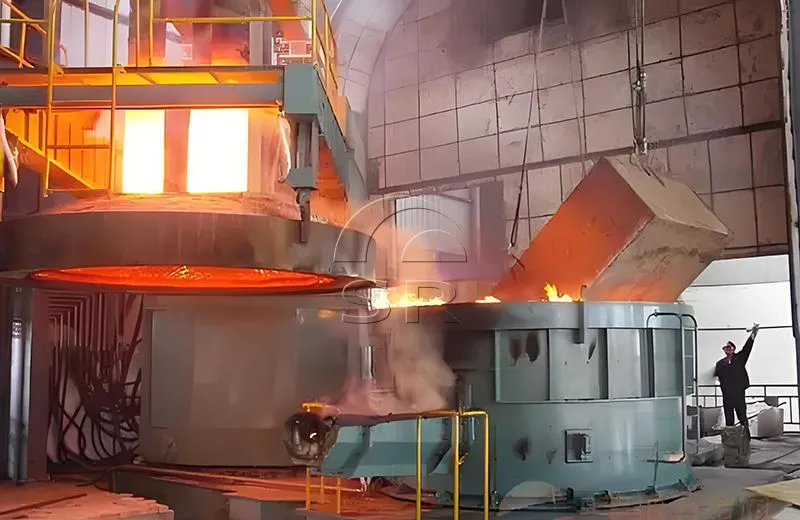
DC electric arc furnace is an electric arc furnace supplying electric energy with DC power supply. There is only one electrode on the top of the DC arc furnace, which is the negative electrode, and the bottom electrode is the positive electrode.
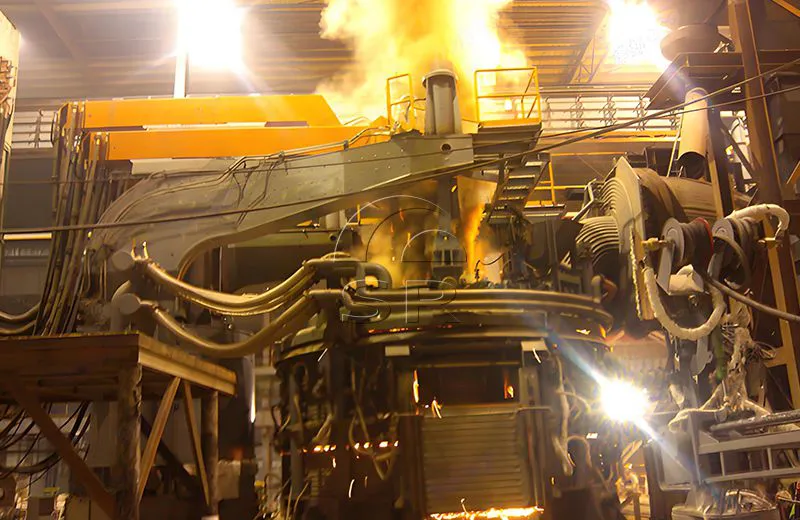
Electric arc furnaces are used to melt scrap steel for steel production. Electrical energy is used to melt scrap steel. An arc forms between the charged material and the electrode. The heat generated by the arc melts the scrap.
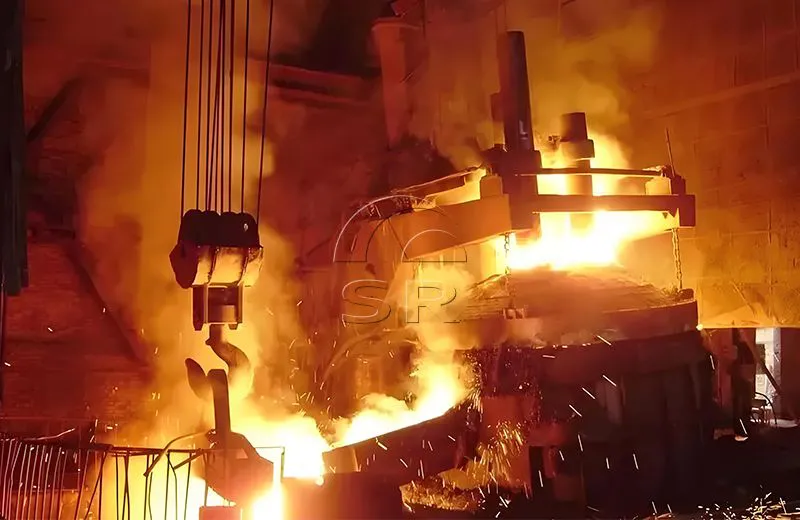
Electric arc furnace steel making is a steelmaking method that uses the thermal effect of electric arc to heat the charge for melting.
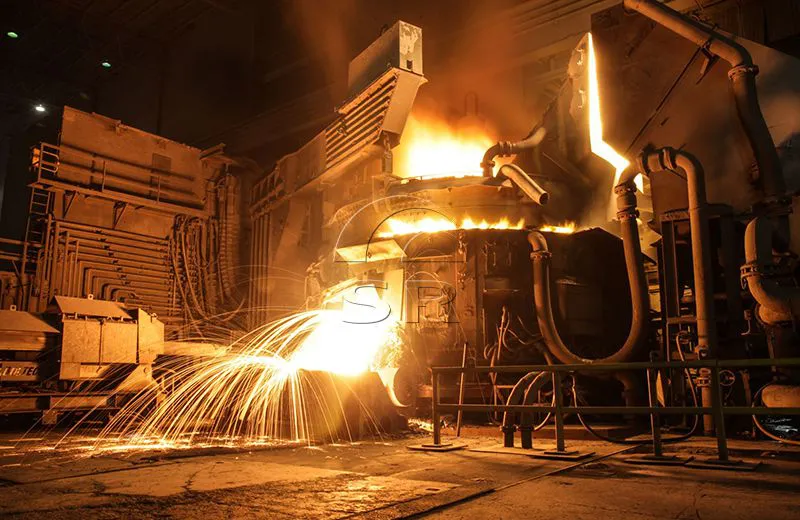
Ultra-high power electric arc furnace mainly changes the arc characteristics of high voltage and long arc to the arc characteristics of high current, low voltage and short arc
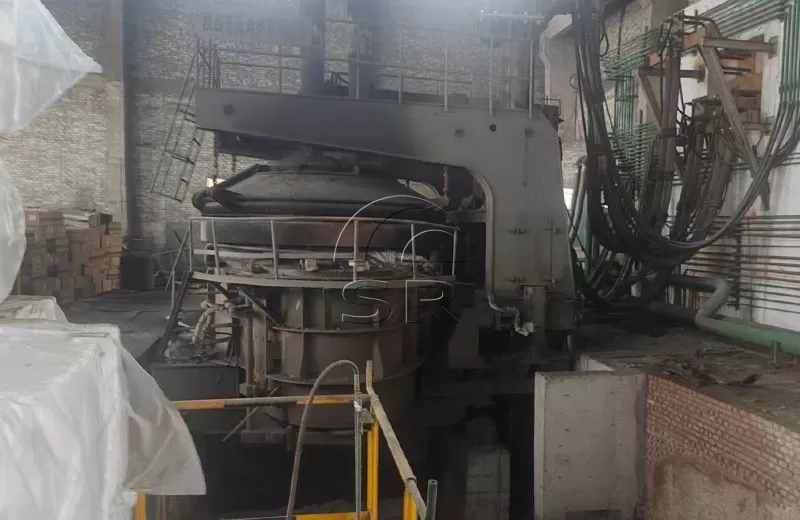
1 ton electric arc furnace is used for melting steel and titanium scrap metal. The principle of electric arc furnace is based on the generation of direct current, which converts electrical energy into heat energy through electrodes to melt the metal.
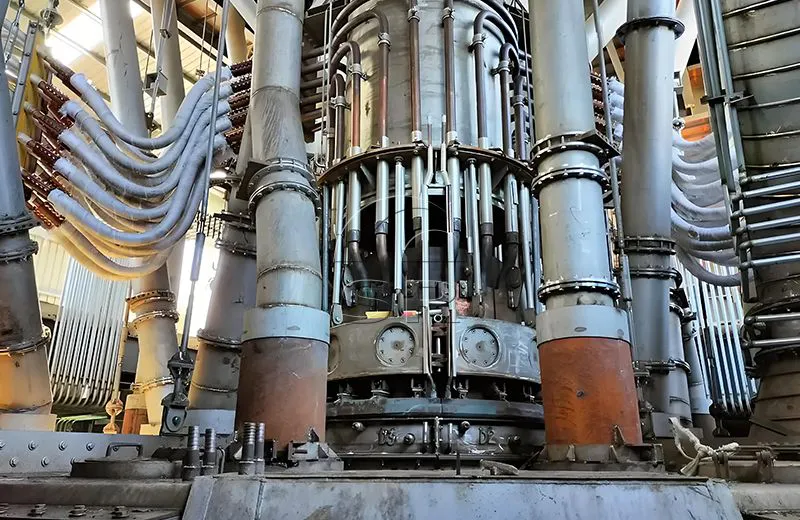
The closed pig iron furnace (submerged arc furnace iron making) is a non-blast furnace iron making method. Under the premise of guaranteeing the power supply, it is easy to solve the problem by using the reducing agent required by the submerged arc furnace iron making.
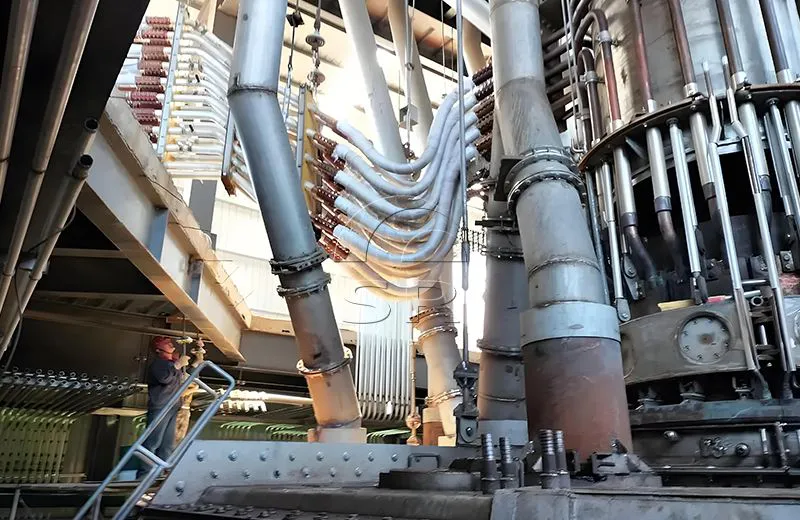
The main mechanical device design of Sanui ferroalloy refining furnace combines China's national conditions and draws on international advanced technologies such as Demark and Pyremate.
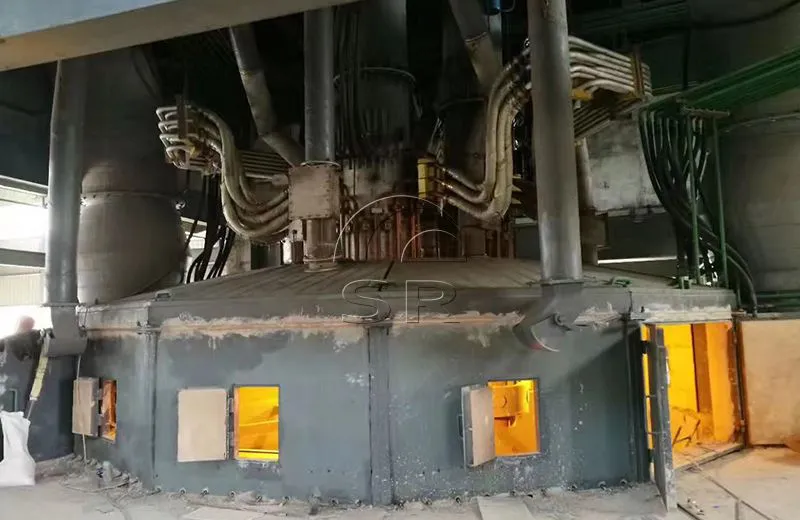
The Ferronickel submerged arc furnace is a special submerged arc furnace used for smelting nickel-iron alloy. Its main function is to add nickel ore, carbonaceous reducing agent (such as coke) and limestone and other raw materials into the furnace in a certain proportion
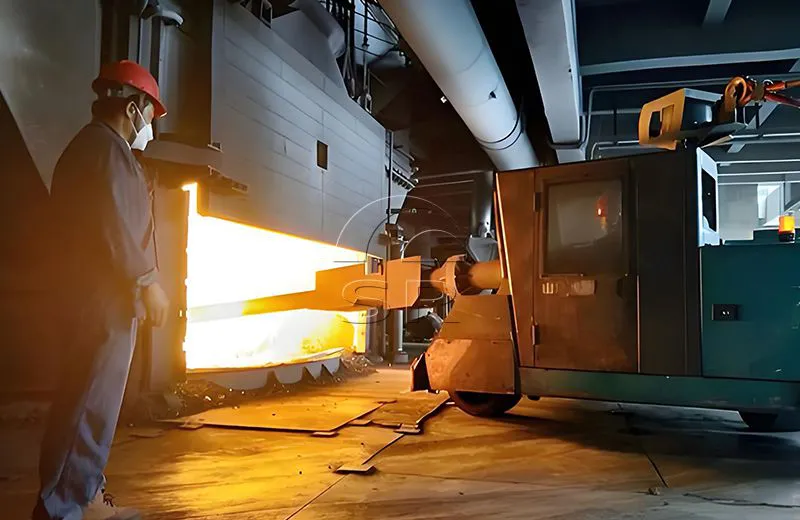
The main mechanical device design of Sanui ferrosilicon furnace combines China's national conditions and draws on international advanced technologies such as Demark and Pyremate.
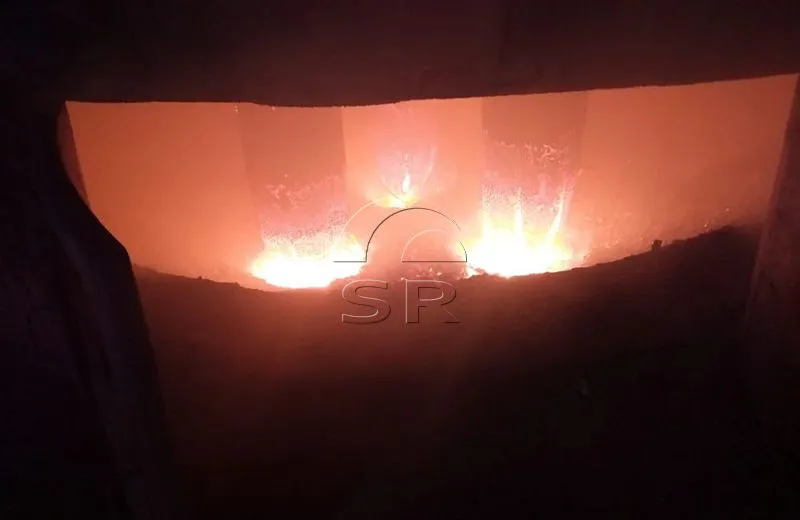
The main mechanical device design of Sanui high carbon ferrochrome furnace combines China's national conditions and draws on international advanced technologies such as Demark and Pyremate.
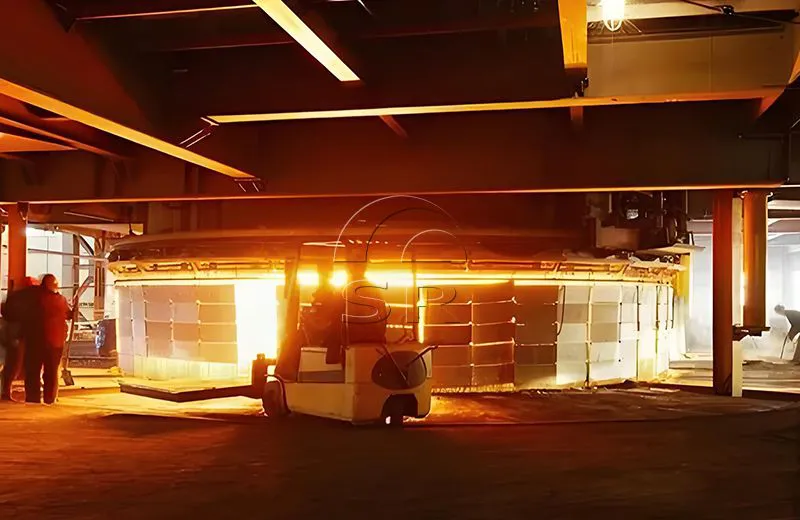
Industrial silicon submerged arc furnace is an important equipment in silicon ore processing, playing a key role in the silicon industry.
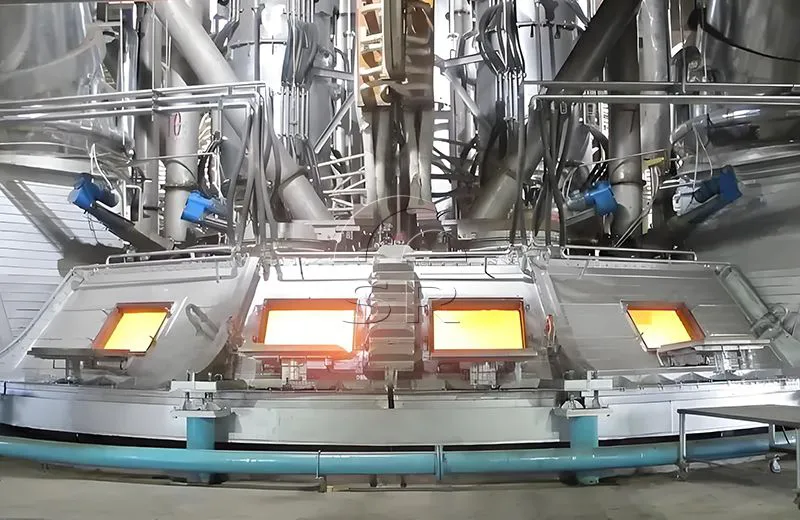
The manganese silicon alloy furnace is mainly used to smelt silicon-manganese alloy, which is an alloy containing silicon and manganese.
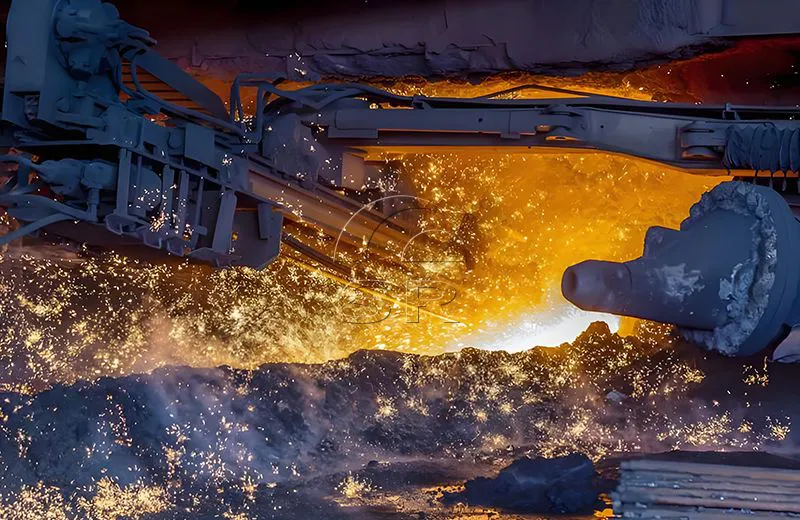
The design of the submerged arc furnace main mechanical device by Sanui is based on China's national conditions and draws on international advanced technologies such as Demark and Perlmutter.
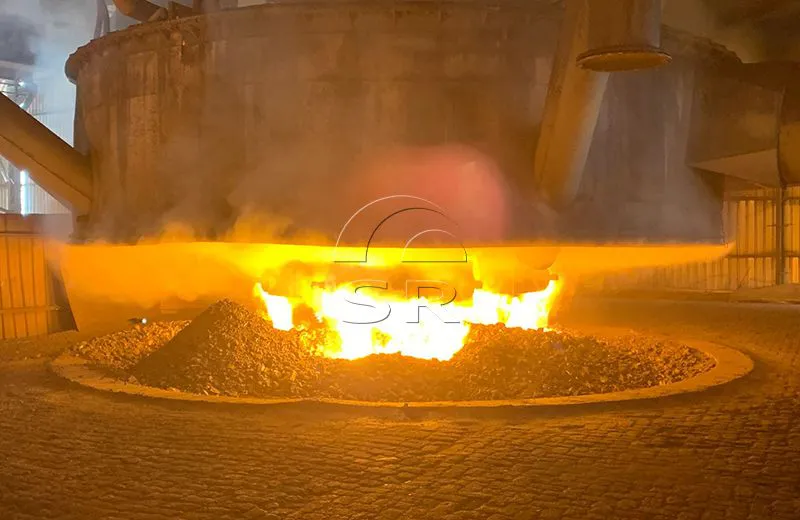
Submerged electric arc furnace is mainly used for reducing and smelting raw materials such as ore, carbonaceous reducing agent and solvent. It mainly produces ferroalloys such as ferrosilicon, ferromanganese, ferrochrome, ferrotungsten, silicon-manganese alloy, etc.
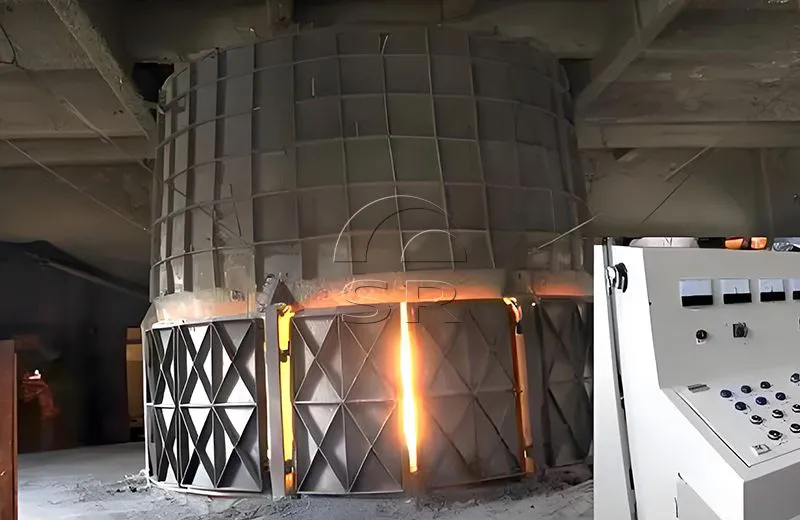
Titanium slag production adopts titanium slag electric furnace (circular furnace and rectangular furnace according to its shape) smelting process.
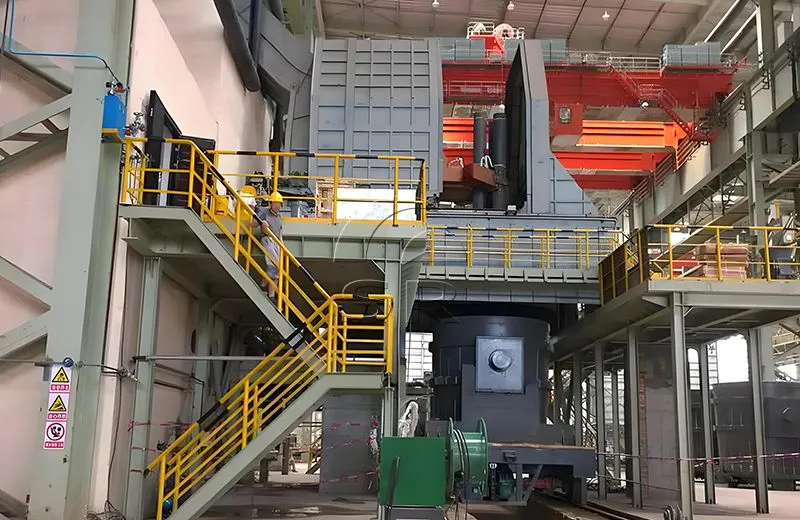
The LF 20 T ladle refining furnace has the functions of arc heating under normal pressure, argon blowing and stirring at the bottom of the ladle, and reducing slag making in the ladle.
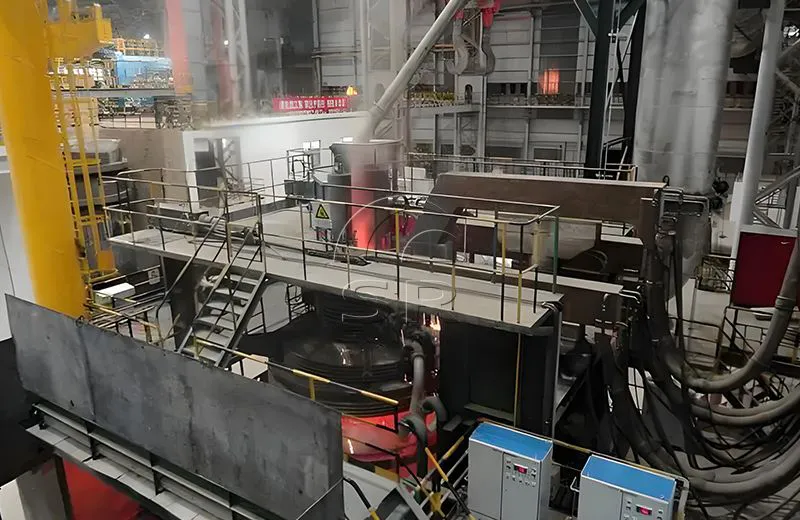
LF ladle refining furnace is a bottom-blown argon ladle furnace with three-phase submerged arc heating under normal pressure. It is a device for refining molten steel in a ladle.
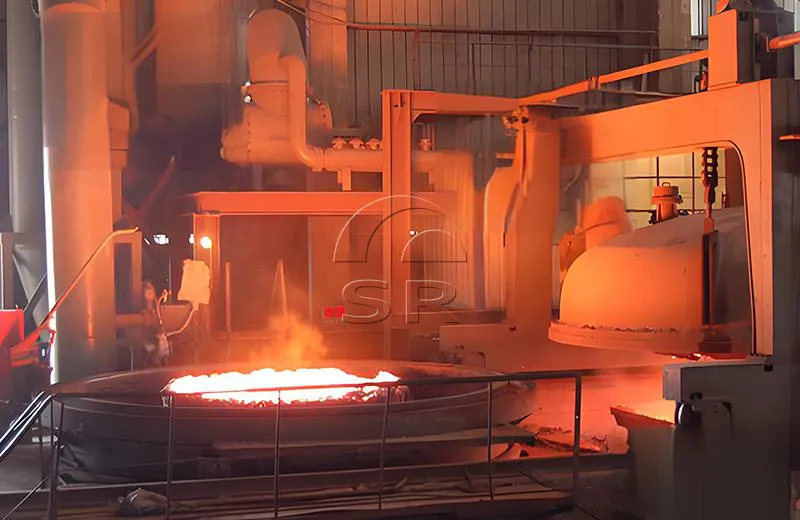
VD vacuum refining furnace is a commonly used refining process equipment, mainly used for deoxidation, impurity removal and other operations of molten steel, so as to obtain high purity, low impurity content of high quality steel.
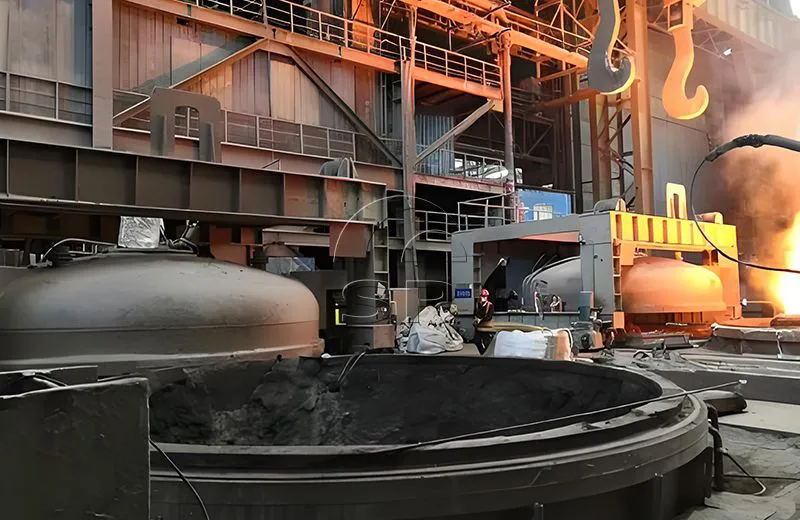
VOD vacuum refining furnace has multiple functions such as vacuum degassing, oxygen blowing decarburization, vacuum charging, argon blowing stirring, non-vacuum temperature measurement sampling, wire feeding, etc.
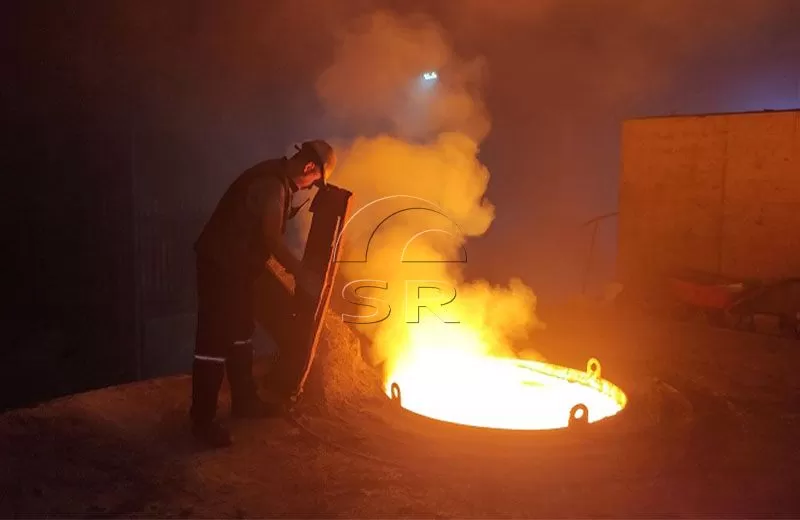
The cast steel melting induction furnace has outstanding advantages in heat penetration or melting soft magnetic alloys, high resistance alloys, platinum group alloys, heat-resistant, corrosion-resistant, wear-resistant alloys and pure metals.
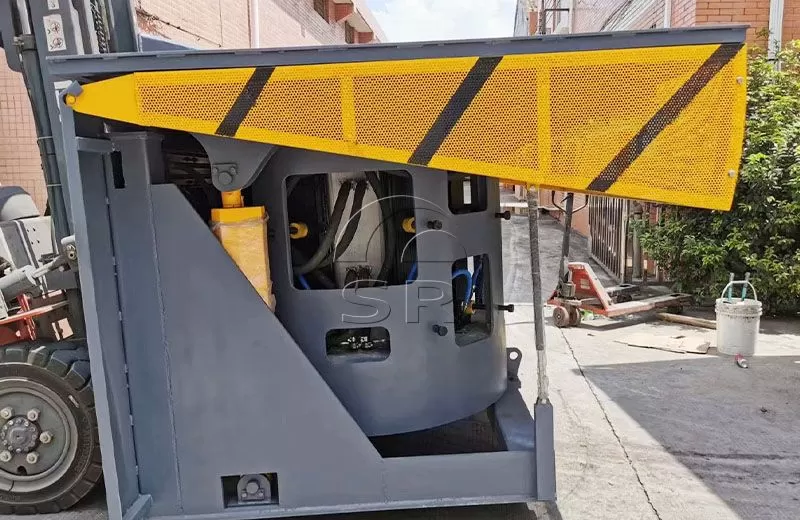
Metal silicon smelting furnace is a metal silicon medium frequency melting furnace, which consists of furnace body, water and electricity introduction system, furnace tilting device, etc. It has fast melting temperature rise, easy to control furnace temperature and high production efficiency.
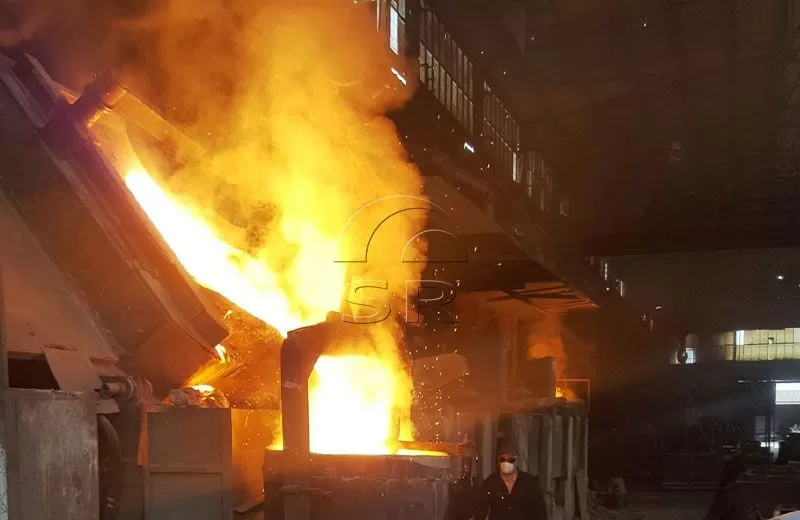
Medium frequency induction furnace mainly used for melting steel, alloy steel, special steel, stainless steel, and can also be used for melting and casting non-ferrous metals such as copper, aluminum, lead, zinc, etc. The customized range of induction furnaces sold by Sanrui ranges from 0.1 tons to 10 tons.
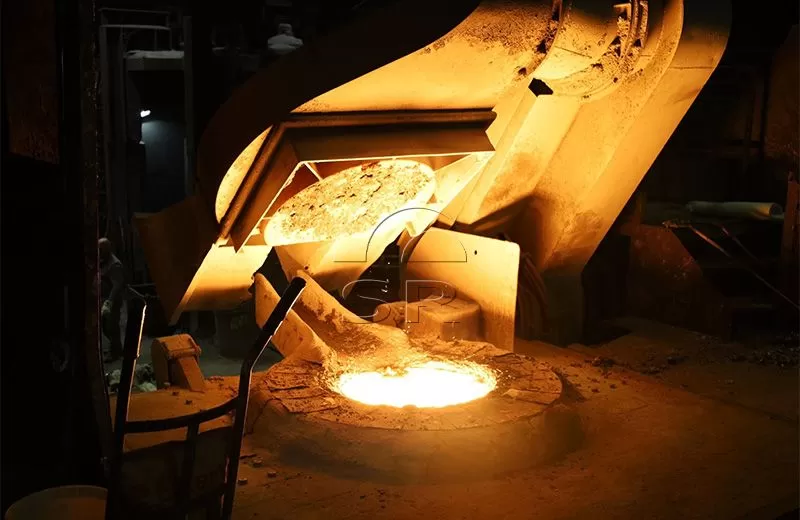
Medium frequency induction furnaces are mainly used for melting steel, alloy steel, special steel, stainless steel, and can also be used for melting and casting non-ferrous metals such as copper, aluminum, lead, and zinc.
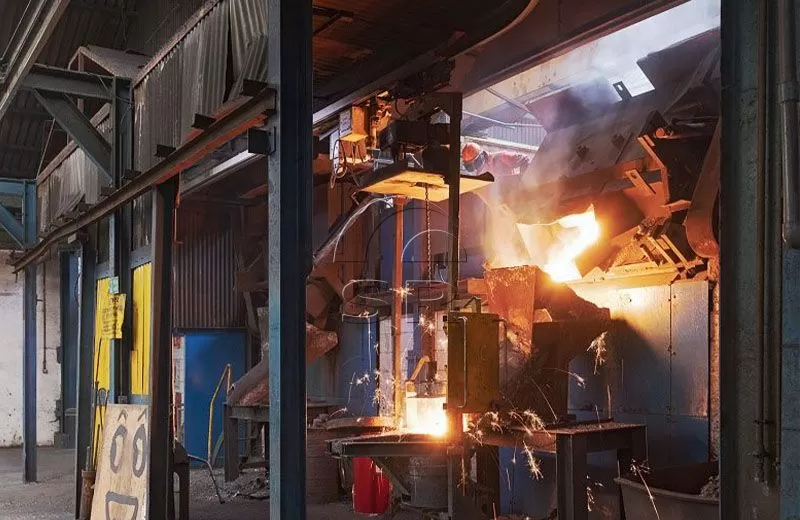
Medium frequency aluminum melting furnace is used for melting and heating aluminum, scrap aluminum, aluminum ingots, and aluminum alloys; The melting capacity ranges from 100KG to 3000KG.
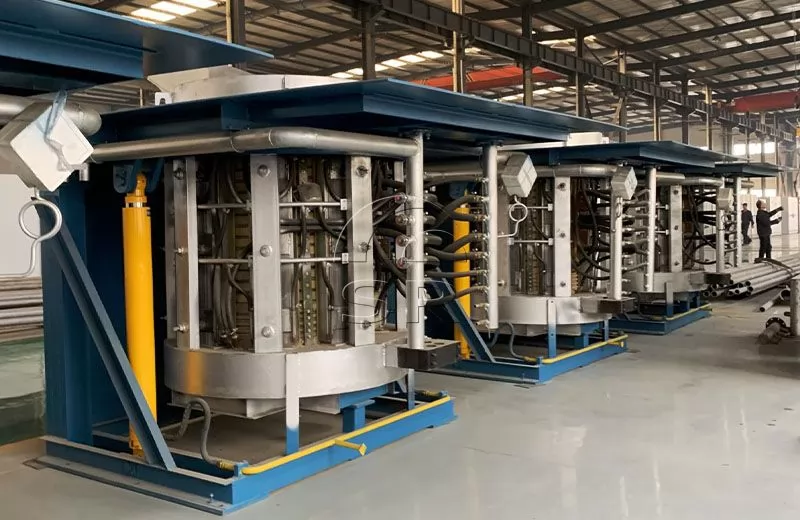
An induction furnace is an electric furnace that uses the induction electrothermal effect of the material to heat or melt the material. The main components of an induction furnace are sensors, furnace body, power supply, capacitors and control system.
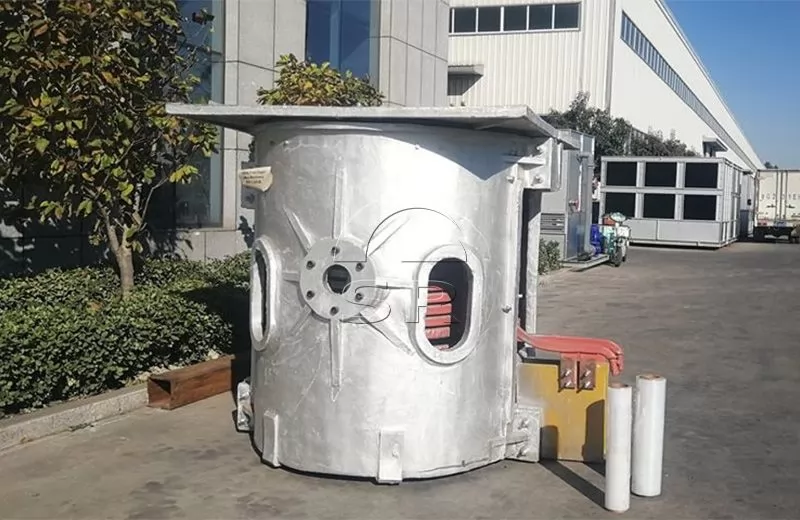
The 3-ton medium frequency coreless induction furnace adopts a 6-phase 12-pulse double rectifier control system. A 2000KVA special rectifier transformer is used for the 2000KW medium frequency power supply.
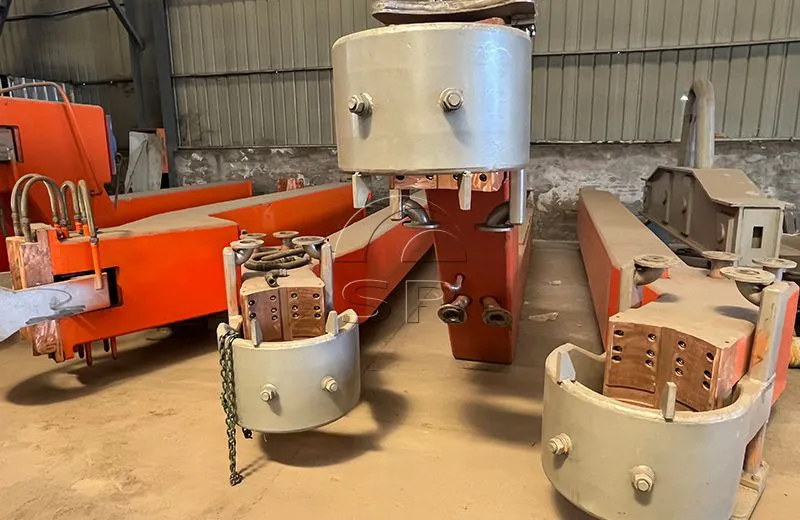
The conductive arm of an electric arc furnace (EAF) is primarily composed of the front electrode conductive arm holder, a water-cooled clamping ring, the arm body, and the rear conductive copper plate.
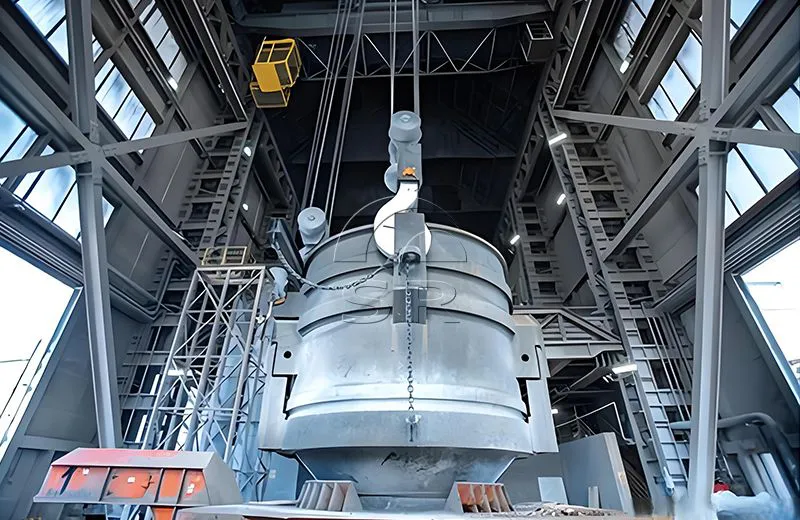
The scrap charging basket of the electric arc furnace is mainly used for loading and conveying raw materials such as scrap steel into the electric arc furnace for smelting.
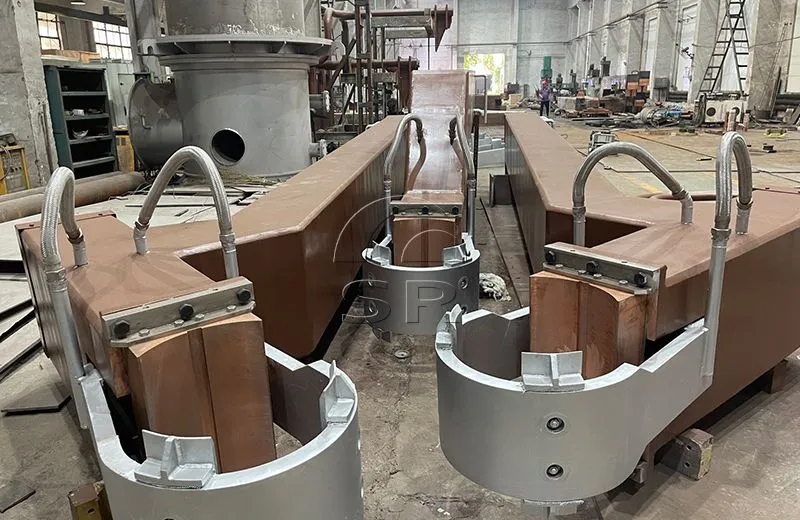
There are many insulation links between the EAF electrode holder and the conductive cross arm body, which greatly simplifies the cconductive cross arm structure and is a new type of electrode arm on the ultra-high power arc furnace.
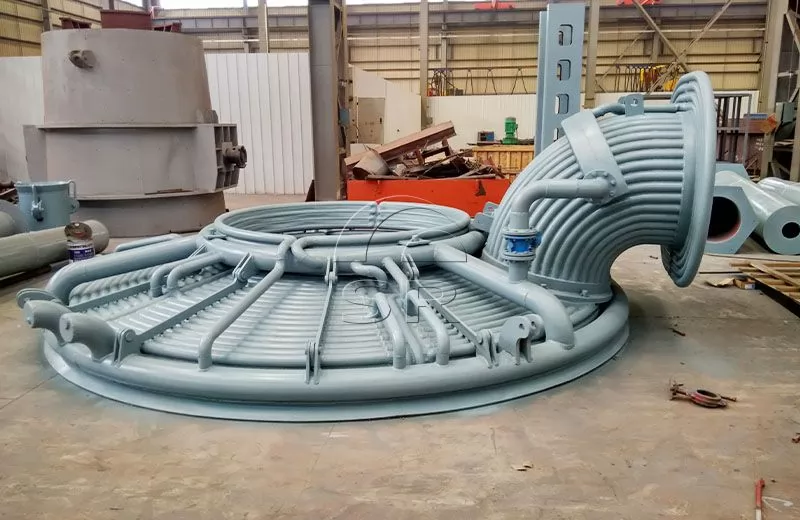
Generally, the furnace cover of the electric arc furnace adopts the tubular water-cooled closed tube furnace cover structure.
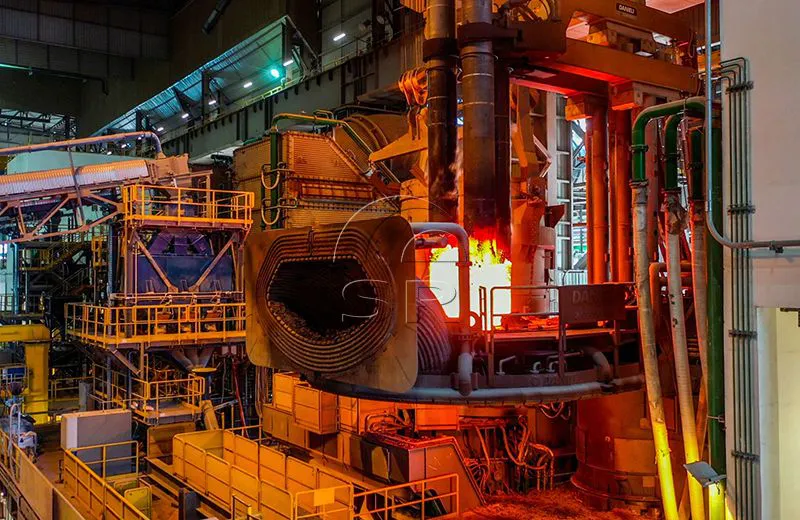
The electrode lifting mechanism of electric arc furnace is composed of conductive cross arm and electrode column device.
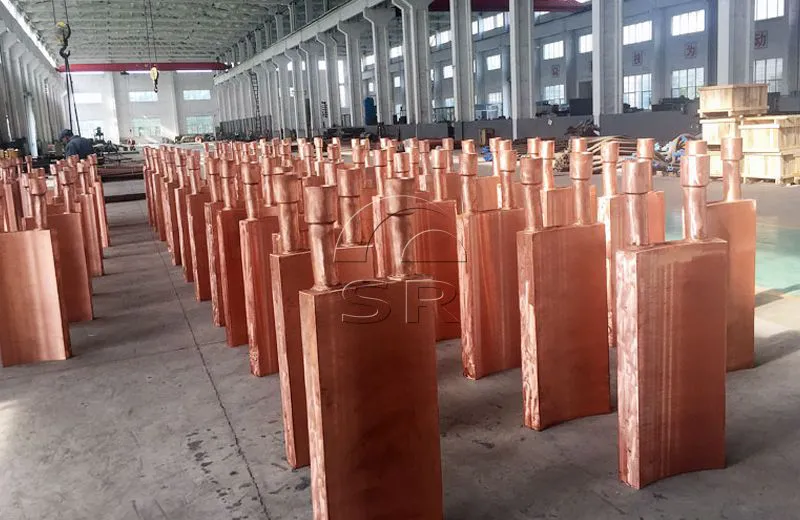
Forged copper tile is one of the main accessories in submerged arc furnace (silicon metal furnace, calcium carbide furnace and iron alloy furnace). It generates heat energy due to passing through large current at high temperature, and is easy to be damaged due to poor working environment.
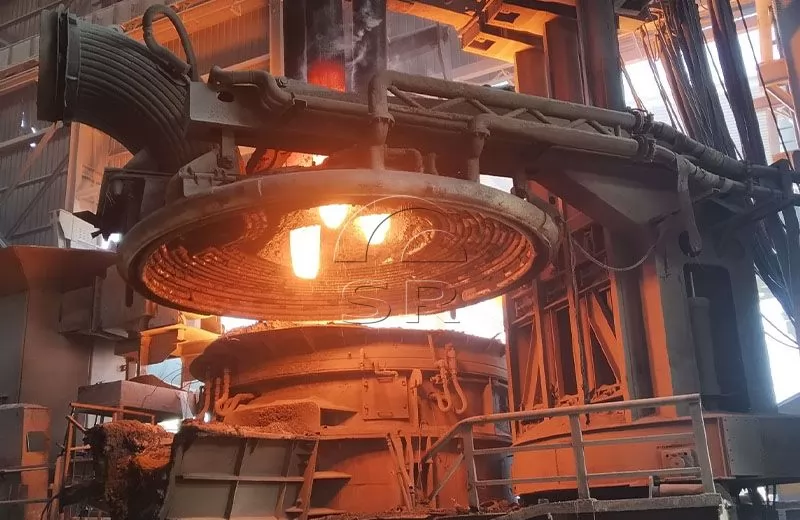
The furnace cover lifting and rotating device consists of a furnace cover lifting mechanism, a rotating mechanism and a rotating frame.
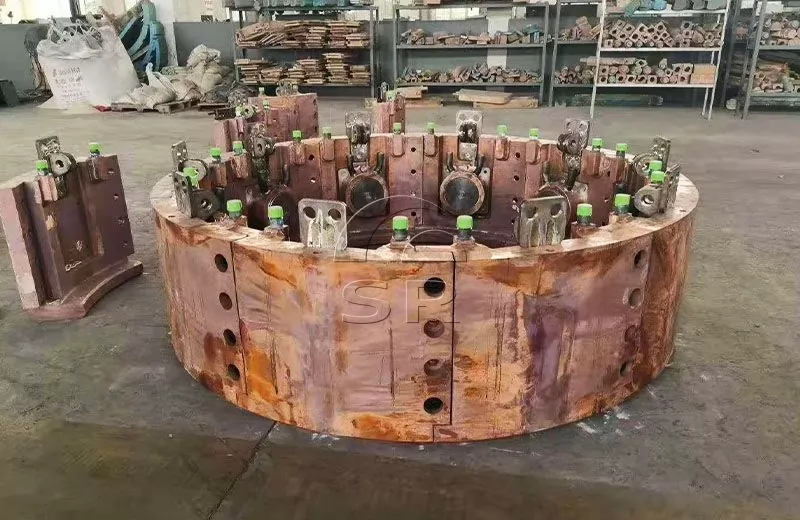
Submerged arc furnace pressure ring is used to monitor the change of air pressure in the furnace in real time, and adjust the air pressure automatically or manually according to the preset parameters to ensure the stability of air pressure in the furnace
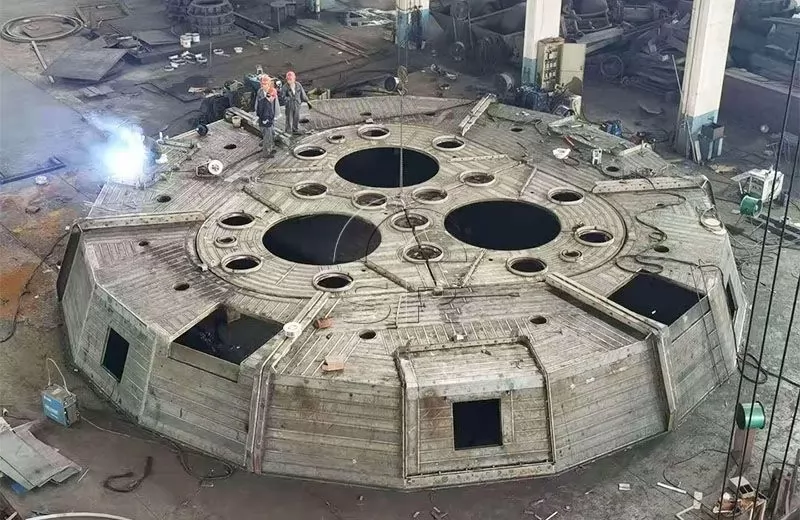
Submerged arc furnace water-cooled Roof is an important part of submerged arc furnace (also known as electric arc furnace, calcium carbide furnace or mining furnace), which is mainly used to close the top of furnace body and bear the high temperature and pressure in the furnace.
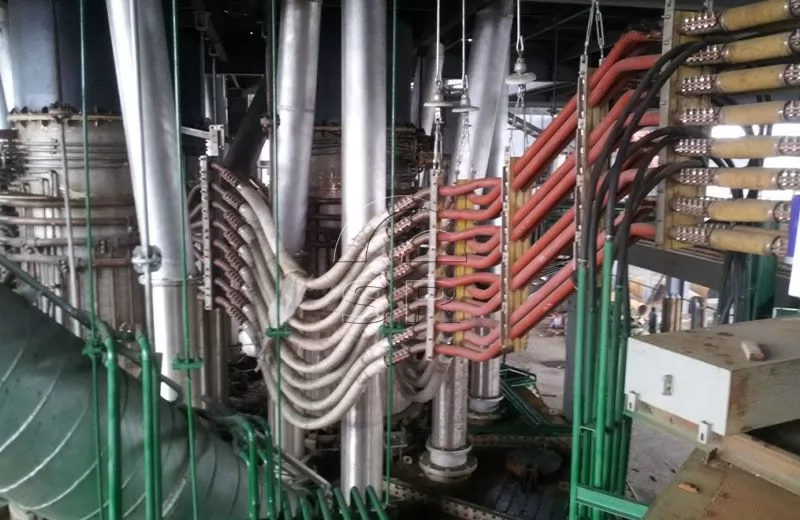
Short network bus systems), also known as high current line, refers to the general term of the carrier fluid from the secondary outlet terminal of the transformer to the electrode (including the electrode).
Navigation
E-mail: anna@srfurnace.com
Tel: +86 159 2955 5868
WhatsApp: +86 159 2955 5868
Add:
Room 422, 4th Floor, Building D, No. 5, Phase I, Fengdong Free Trade Industrial Park, Xixian New District, Shaanxi Province