Dec. 11, 2025
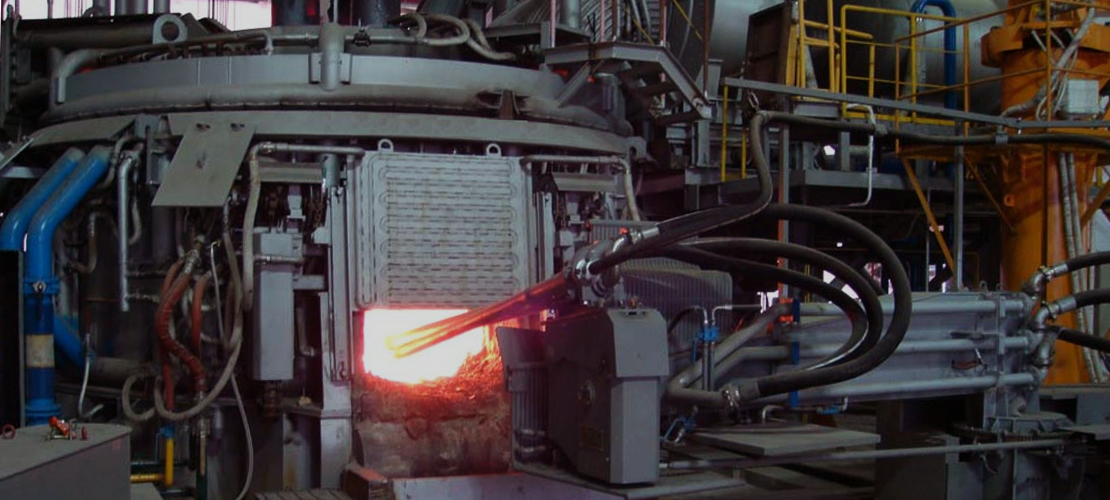
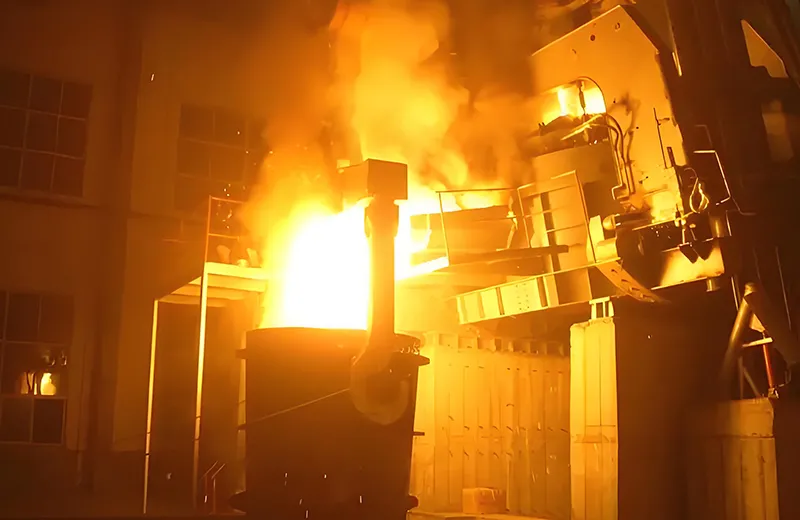
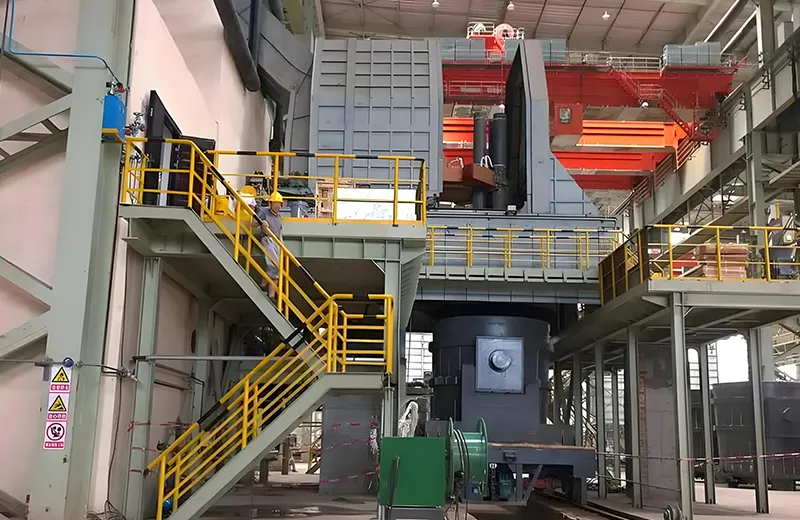
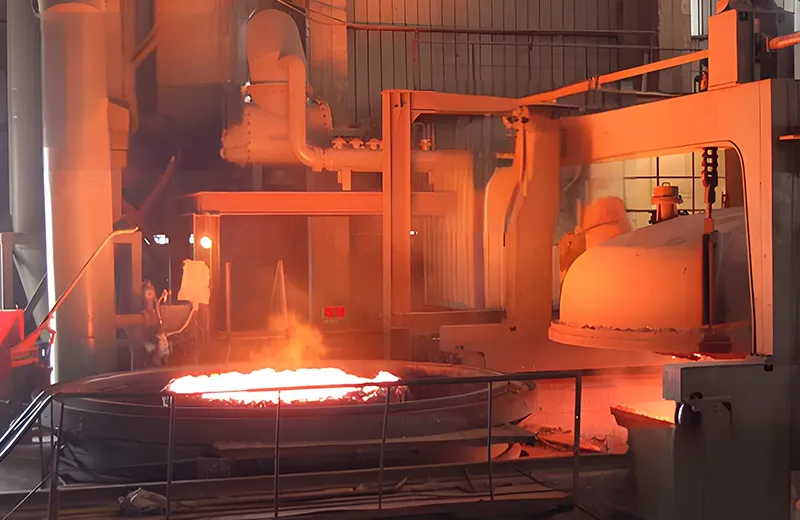
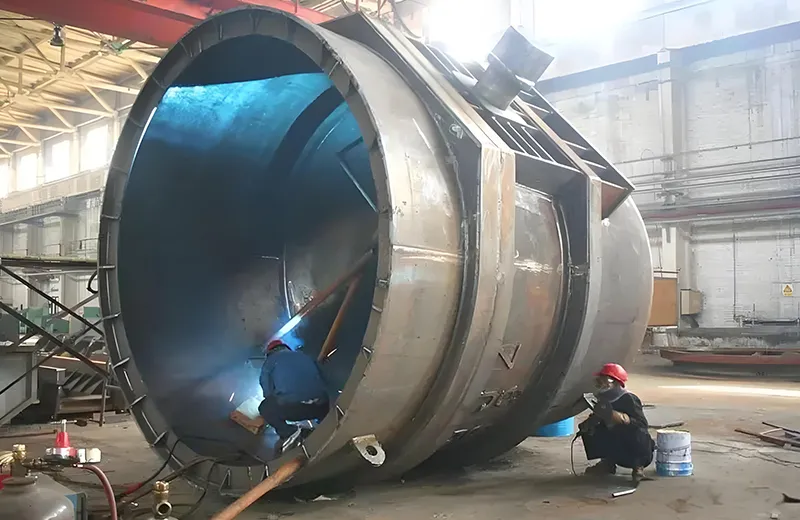
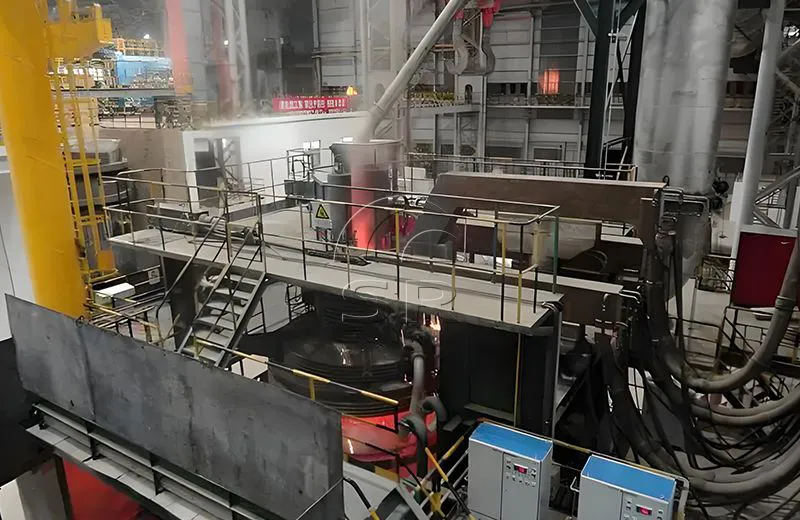
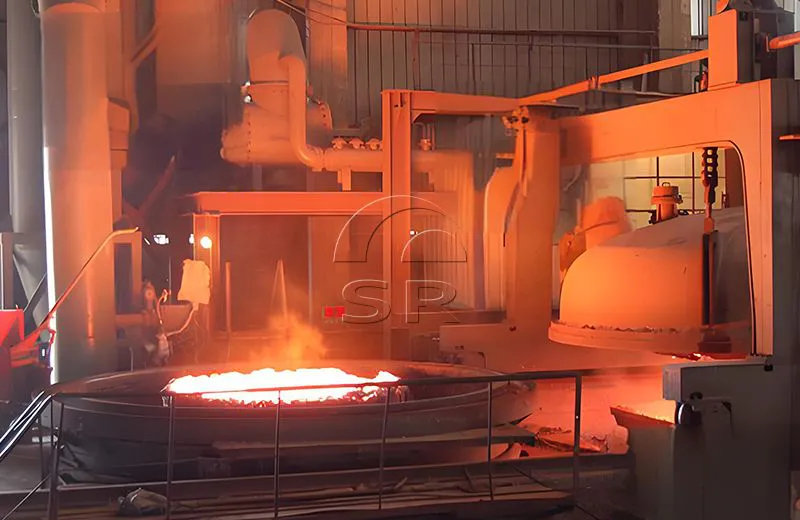
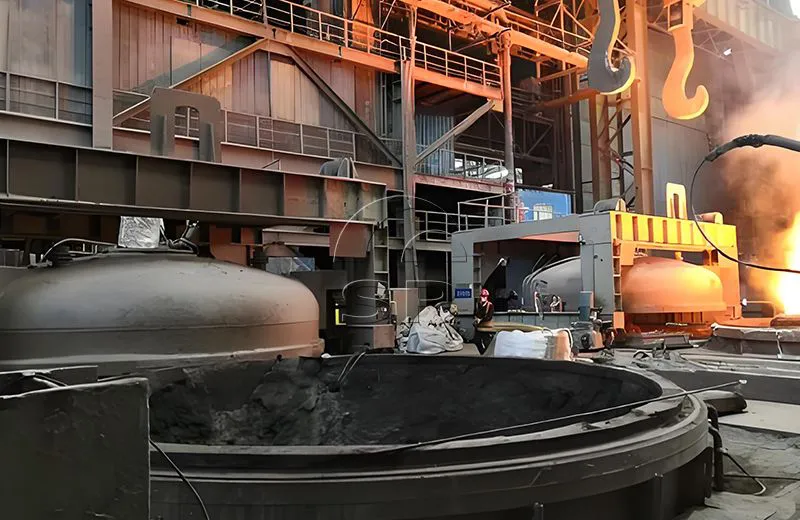
The 5 ton small electric arc furnace is a classic small-to-medium-sized furnace type in the modern steel industry, renowned for its flexibility, relatively low investment threshold, and rapid production response. It can serve as a core piece of equipment in a small, independent steel plant, or as auxiliary smelting equipment in large steel enterprises producing special steels or alloys.
The core function of an electric arc melting furnace is to melt solid metal raw materials (scrap steel, pig iron, alloys, etc.) through a high-temperature electric arc generated by graphite electrodes, and then refine them to obtain molten steel of a specific composition and quality. Therefore, its smelting range mainly depends on the charge composition and subsequent refining processes.
This is the most common and economical application of a 5-ton EAF, primarily targeting the building materials and general structural components markets.
Steel grades:
Q235 (A36), Q345 (16Mn), 20, 45 steel, etc.
Raw Materials:
Primarily scrap steel (80%-95%), with a small amount of pig iron or direct reduced iron added to adjust carbon content and dilute residual elements (such as copper and tin) in the scrap steel.
Characteristics (Traditional "Old Three-Stage" or Modern High-Efficiency Smelting):
Charging: Scrap steel and pig iron are loaded into the electric furnaces using baskets.
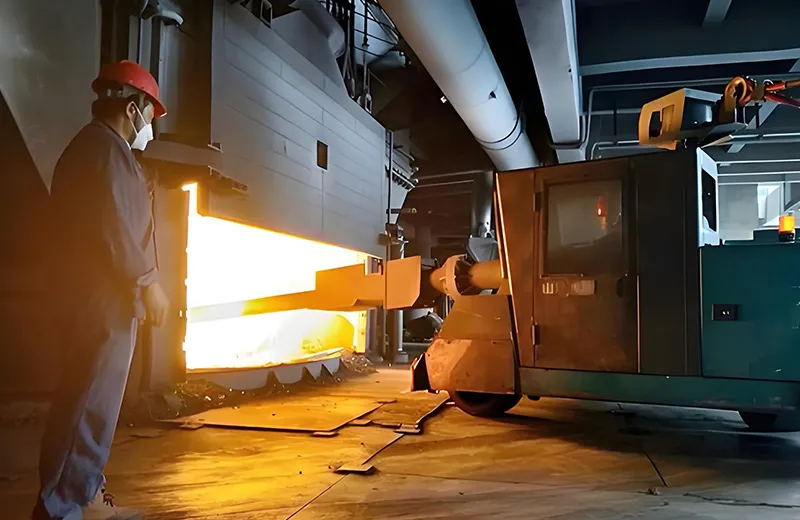
Melting Stage: The electrodes descend to ignite the arc, melting all the furnace charge. This stage consumes the most electricity, approximately 60-70% of the total.
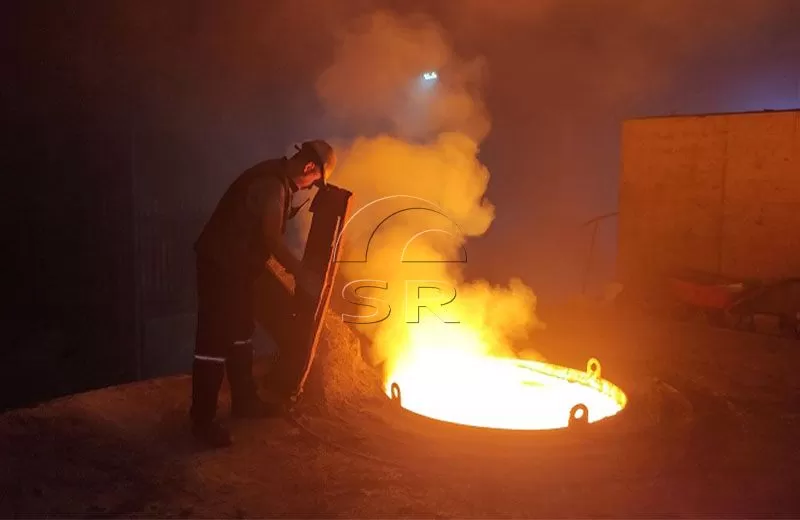
Oxidation Stage: After the molten steel is cleared, oxygen is blown in and ore (iron oxide) is added. CO bubbles are generated through the carbon-oxygen reaction, achieving decarburization, dephosphorization, and removal of gases (H, N) and inclusions. This is a crucial step in quality control.
Reduction Stage: Oxide slag is removed, lime and fluorite are added to create new slag, and ferrosilicon, ferromanganese, aluminum, etc., are added for deoxidation, desulfurization, and fine-tuning of alloy composition.
Modern processes have largely replaced this with "deoxidation and alloying during steel tapping."
Tapping: After the molten steel reaches the required composition and temperature, it is tapped from the furnace to the ladle for ladle refining (if applicable) or direct casting.
The flexibility and controllability of the 5-ton electric arc melting furnace are ideal for small-batch, multi-variety production of special steels, which is its key advantage.
Steel Grades:
Gear steel (e.g., 20CrMnTi), bearing steel (e.g., GCr15), spring steel (e.g., 60Si2Mn), quenched and tempered steel (e.g., 42CrMo), etc.
Raw Materials:
High-quality scrap steel (e.g., recycled material for this steel grade) and pig iron are selected, with strict control over residual elements. Alloying elements (Cr, Ni, Mo, V, etc.) are added in ferroalloy form.
Features:
Stricter raw material control: Uses pure scrap steel or direct reduced iron to reduce harmful residual elements.
More precise oxidation period operation: Deep dephosphorization to prevent the loss of alloying elements through oxidation.
More complex reduction/alloying processes: These require precise calculations and batch addition of precious alloys to ensure uniform composition and minimal burn-off.
They typically require ladle refining: such as being used in conjunction with an LF furnace (ladle refining furnace). The electric arc furnace is primarily responsible for efficient melting, while desulfurization, deep deoxidation, precise composition fine-tuning, and temperature adjustment take place in the LF furnace. This is the standard configuration for producing high-quality alloy steel.
These steels have extremely high requirements for purity, microstructure uniformity, and carbide distribution. A 5-ton electric furnaces is ideal for small-scale, refined production.
Steel Grades:
High-speed steel (e.g., W6Mo5Cr4V2), hot-work die steel (e.g., H13), cold-work die steel (e.g., Cr12MoV), etc.
Raw Materials:
Mostly smelted using a return process, which utilizes large amounts of scrap of the same steel grade, combined with pure iron and alloys. Sometimes a "single slag method" is also used to reduce oxidation loss.
Characteristics:
High proportion of returned materials: Reduces costs and utilizes alloying elements in the scrap. Extremely strict control over the oxidation period is required to prevent over-oxidation of high-value elements such as tungsten, molybdenum, and chromium.
Advanced ladle refining is essential: in addition to the LF furnace, VD (vacuum degassing) or VOD (vacuum oxygen decarburization) equipment may be needed to further reduce gas and inclusion content. A 5-ton EAF is often used as the primary refining furnace in these refining lines.
There is an inherent contradiction between the requirements for decarburization and chromium retention in stainless steel smelting, as ordinary electric arc melting furnace have a very narrow operating window.
Smelting stainless steel alone in a 5 ton small electric arc furnace is economically unfeasible and difficult to control in terms of quality, but it is reasonable as a primary refining furnace.
Process:
First step:
Melt the raw materials (scrap stainless steel, ferrochrome, nickel, etc.) in 5-ton electric furnaces for preliminary dephosphorization and alloying to obtain a high-carbon, high-chromium mother liquor.
Second step:
Transfer the molten steel to an AOD (argon-oxygen decarburization furnace) or VOD furnace. In these devices, deep decarburization is achieved under low temperature, high vacuum, or inert gas dilution conditions by blowing in a mixture of inert gas and oxygen, while minimizing chromium oxidation. This is the core refining step in stainless steel production.
Many foundries (especially precision casting and alloy steel foundries) are equipped with 5-10 ton electric arc furnaces for smelting their own molten steel.
Characteristics:
The process is similar to the alloy steel production described above, but the tapping temperature is required to compensate for the temperature drop during casting. Control of the composition directly affects the final performance of the castings.
Applications:
Directly cast into various steel castings, such as power plant valves, marine crankshafts, wear-resistant liners, heat-resistant components, etc.
By changing the EAF furnace lining material (e.g., using magnesia or neutral lining) and adjusting the electrical system, a 5t electric furnace can theoretically be used to smelt copper and copper alloys, nickel alloys, etc. However, this is not its primary design function; its efficiency and economy are generally inferior to induction furnaces, and it is only used in certain specific scenarios (such as processing special materials using existing equipment).
A 5 ton small electric arc furnace is far more than just a device for "melting steel." By combining different raw material combinations, internal refining processes, and crucial external refining equipment, it can become a powerful micro-steel platform, producing a wide range of products from ordinary building materials to high-end tool and die steels. It is an indispensable metal smelting furnace in the special steel industry chain.
What it can specifically produce depends largely on the raw material supply chain, process technology, and downstream refining capabilities configured for it by the enterprise.
Latest News
Submerged Arc Furnace: Structural Design, Operating Principles, and Core Equipment Analysis
Jun. 09, 2026
May. 27, 2026
Latest Products
Customized metallurgical machinery and equipment range: Electric Arc Furnace, Submerged Arc Furnace, LF Refining Furnace, Vacuum Furnace, Induction Furnace, Dust Remove System, Water Treatment Equipment, etc. Providing the most advanced equipment integration services, metallurgical equipment can be customized according to different needs of customers, and production capacity can be adjusted according to customer requirements.
Electric Arc Furnace
Submerged Arc Furnace
LF Refining Furnace
VD / VOD Vacuum Refining Furnace
Induction Furnace
Furnace Accessories
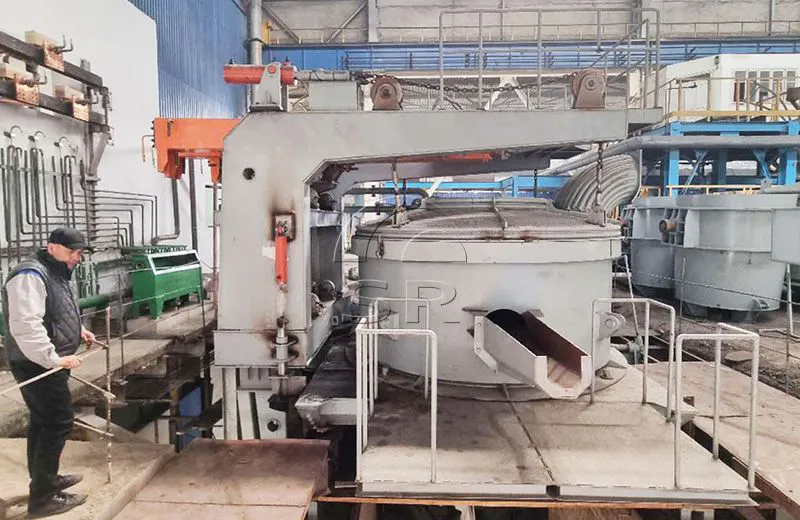
The 5 ton electric arc furnace for steel-making is a special purpose equipment that makes ordinary steel, quality carbon steel, alloy steel and non-corrosive steel with electric arc as heat source and scrap steel (iron) as raw material.
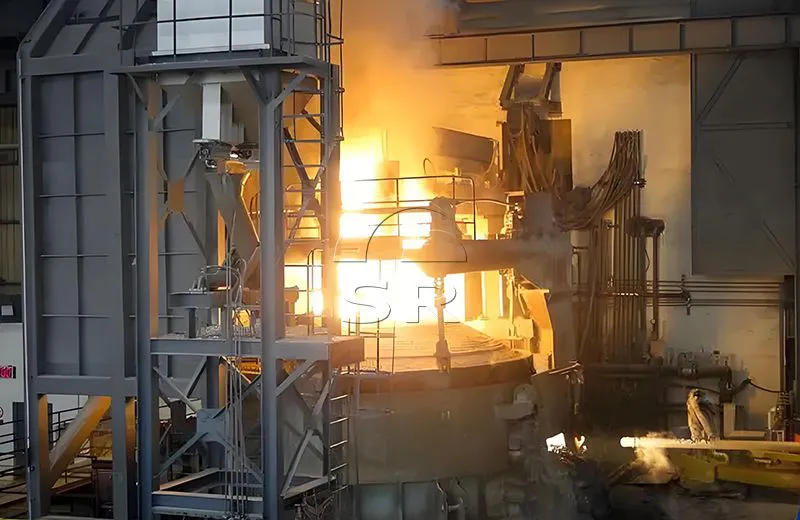
15-ton electric arc furnace is used for the short-process steelmaking process, using 100% scrap steel or scrap steel + molten iron (pig iron), or scrap steel + sponge iron (DRI) as raw materials for steelmaking.
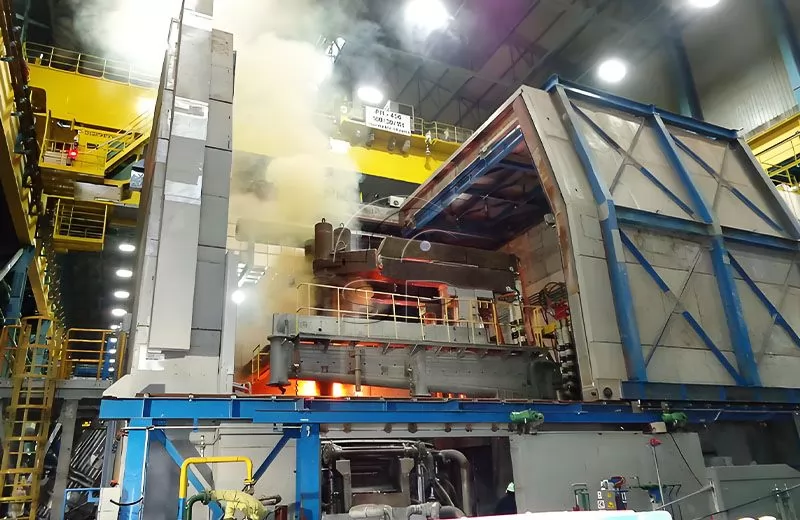
The 30-ton AC electric arc furnace is used to melt scrap steel to produce steel. Electrical energy is used to melt scrap steel. An arc forms between the charged material and the electrode.
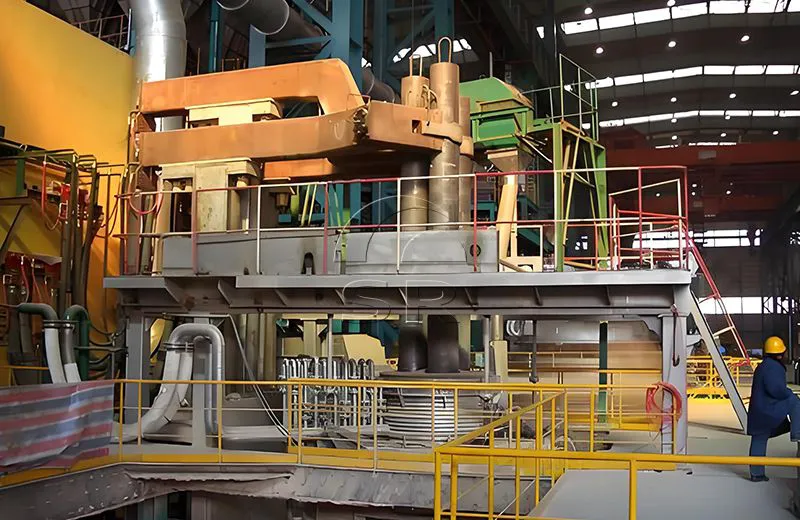
30 Ton electric arc furnace is used for steelmaking short process smelting, using 100% scrap steel or scrap steel + molten iron (pig iron), or scrap steel + sponge iron (DRI) as raw materials for steelmaking.
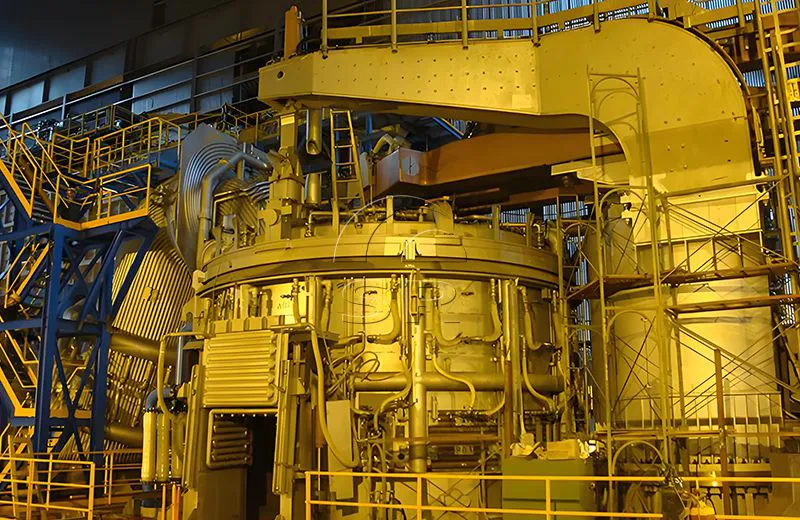
The 50-ton ultra-high power electric arc furnace (50TUPH EAF) adopts ultra-high power, high impedance technology, bottom tapping technology (ETB), furnace wall oxygen oil burner and furnace door carbon-oxygen gun technology.
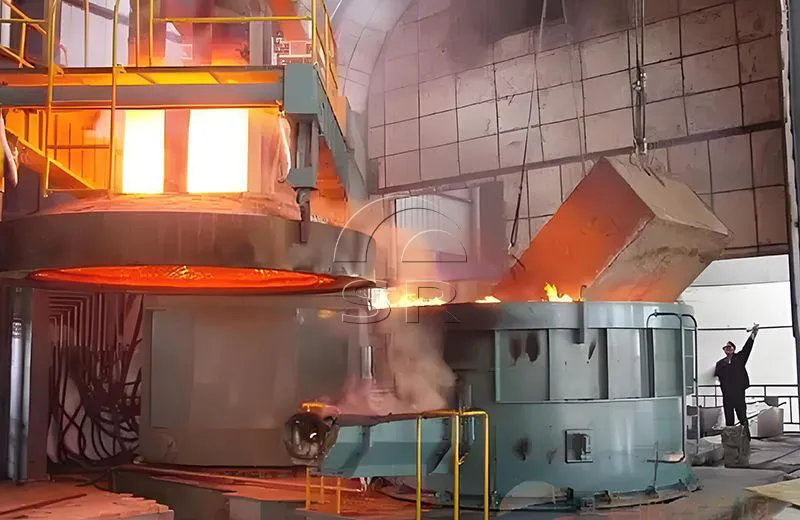
DC electric arc furnace is an electric arc furnace supplying electric energy with DC power supply. There is only one electrode on the top of the DC arc furnace, which is the negative electrode, and the bottom electrode is the positive electrode.
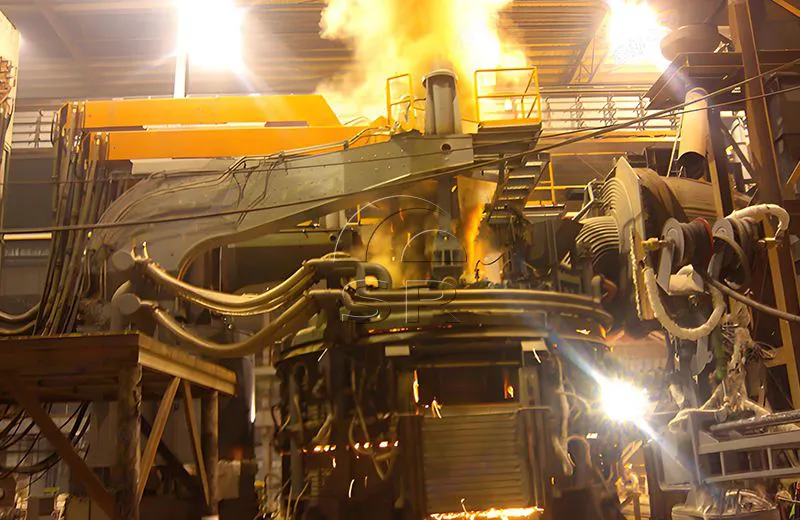
Electric arc furnaces are used to melt scrap steel for steel production. Electrical energy is used to melt scrap steel. An arc forms between the charged material and the electrode. The heat generated by the arc melts the scrap.
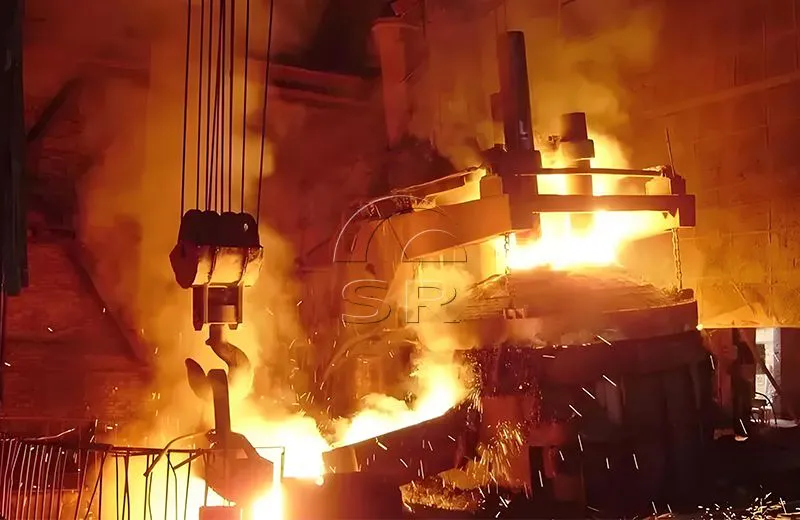
Electric arc furnace steel making is a steelmaking method that uses the thermal effect of electric arc to heat the charge for melting.
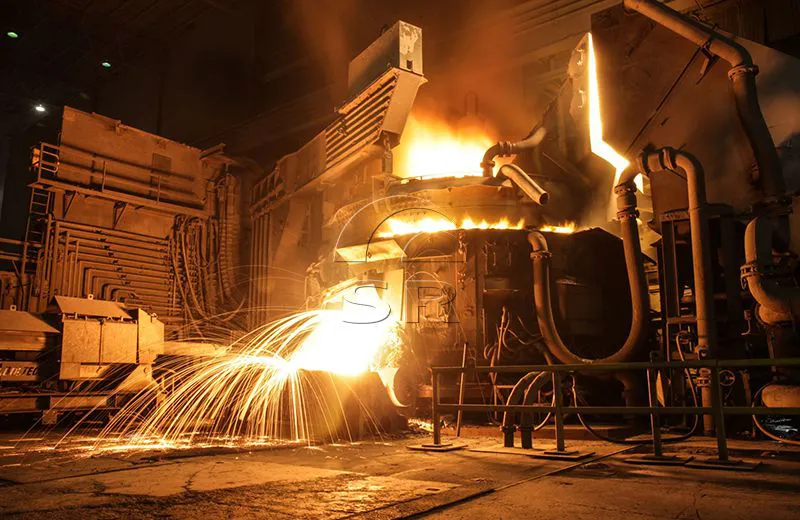
Ultra-high power electric arc furnace mainly changes the arc characteristics of high voltage and long arc to the arc characteristics of high current, low voltage and short arc
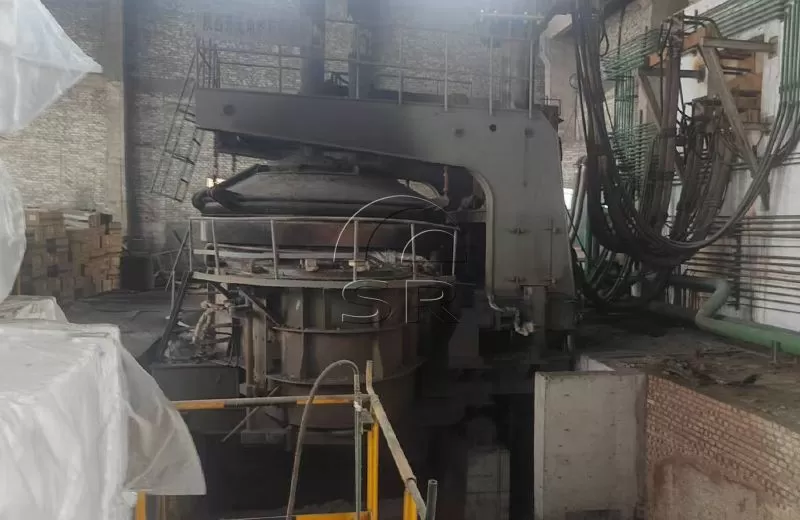
1 ton electric arc furnace is used for melting steel and titanium scrap metal. The principle of electric arc furnace is based on the generation of direct current, which converts electrical energy into heat energy through electrodes to melt the metal.
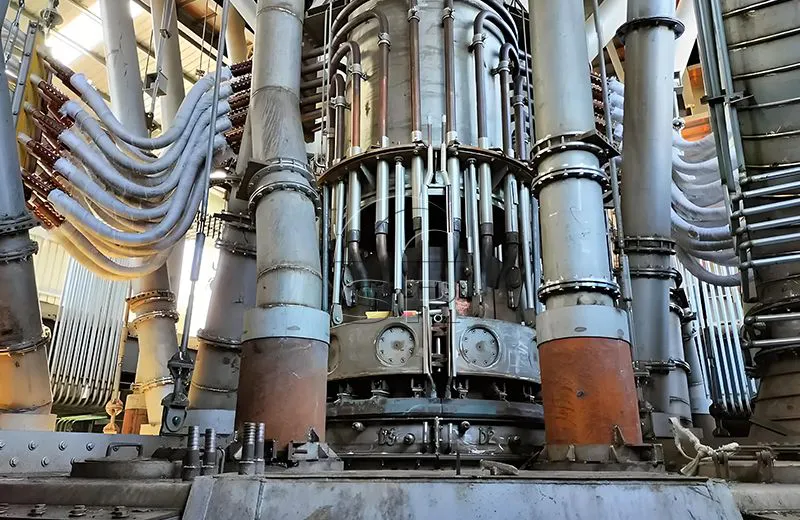
The closed pig iron furnace (submerged arc furnace iron making) is a non-blast furnace iron making method. Under the premise of guaranteeing the power supply, it is easy to solve the problem by using the reducing agent required by the submerged arc furnace iron making.
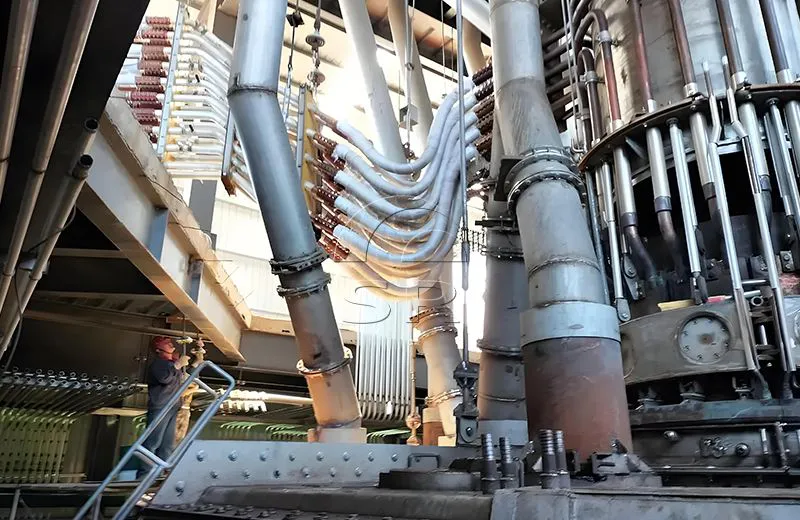
The main mechanical device design of Sanui ferroalloy refining furnace combines China's national conditions and draws on international advanced technologies such as Demark and Pyremate.
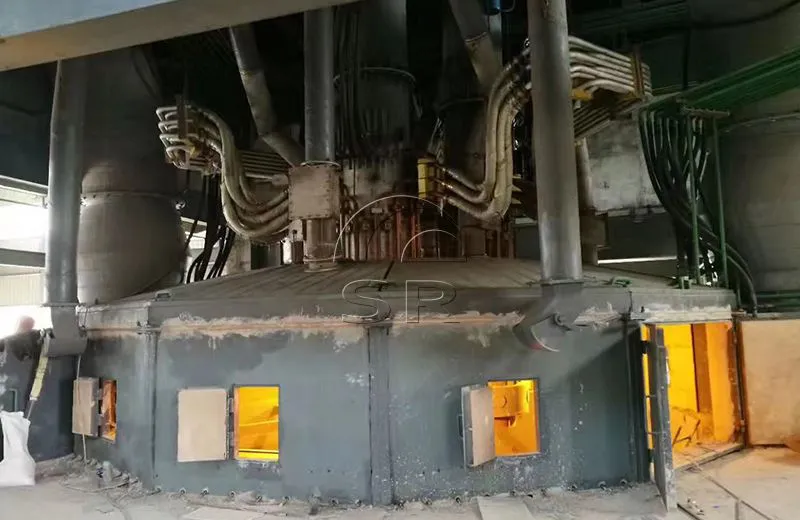
The Ferronickel submerged arc furnace is a special submerged arc furnace used for smelting nickel-iron alloy. Its main function is to add nickel ore, carbonaceous reducing agent (such as coke) and limestone and other raw materials into the furnace in a certain proportion
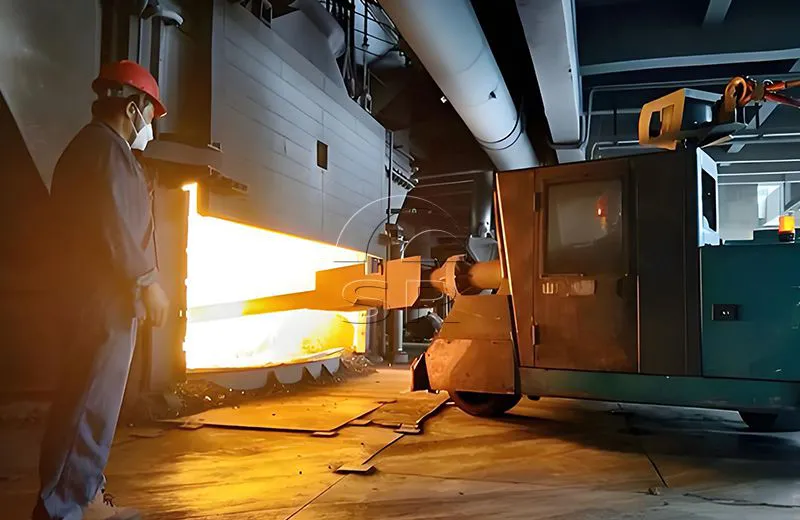
The main mechanical device design of Sanui ferrosilicon furnace combines China's national conditions and draws on international advanced technologies such as Demark and Pyremate.
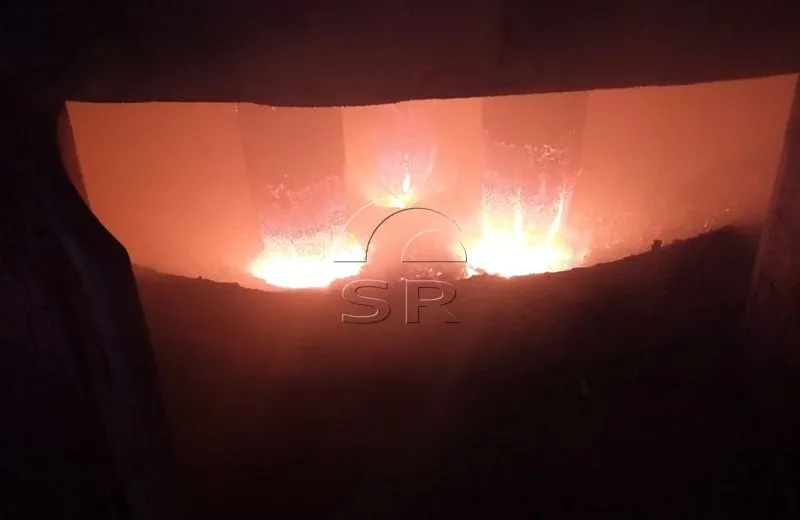
The main mechanical device design of Sanui high carbon ferrochrome furnace combines China's national conditions and draws on international advanced technologies such as Demark and Pyremate.
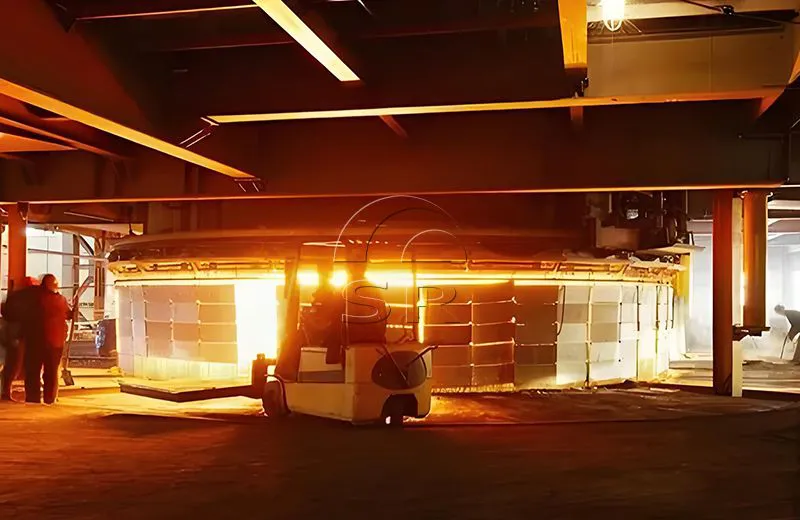
Industrial silicon submerged arc furnace is an important equipment in silicon ore processing, playing a key role in the silicon industry.
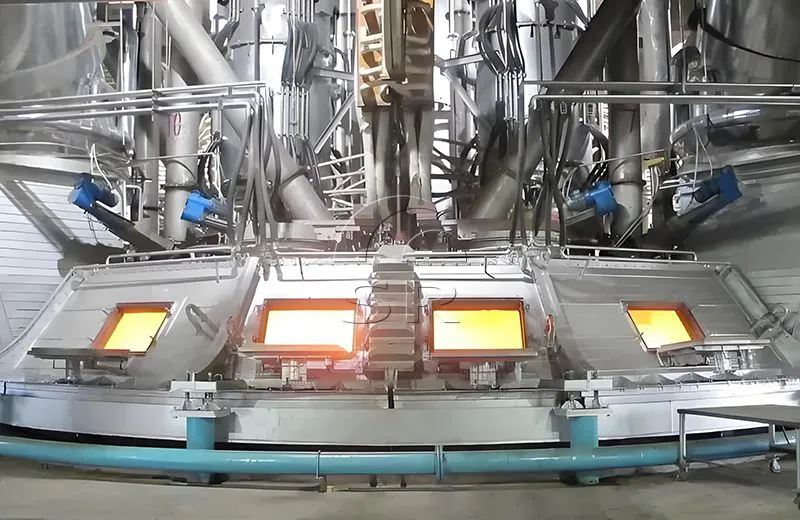
The manganese silicon alloy furnace is mainly used to smelt silicon-manganese alloy, which is an alloy containing silicon and manganese.
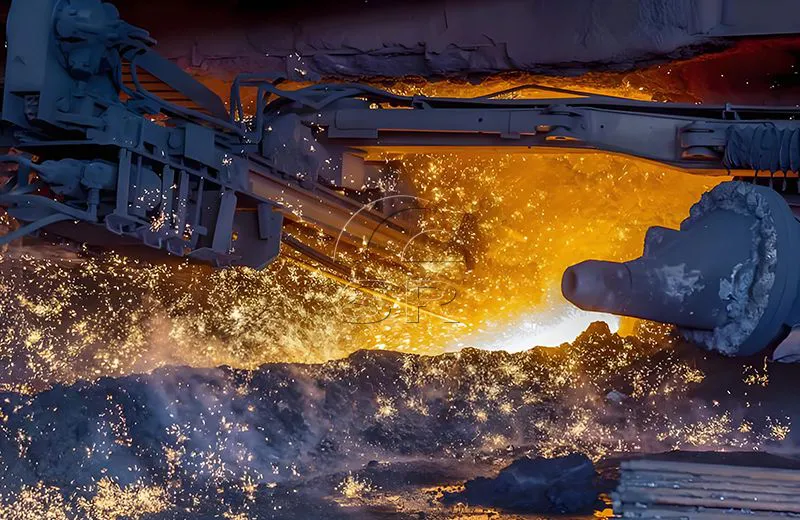
The design of the submerged arc furnace main mechanical device by Sanui is based on China's national conditions and draws on international advanced technologies such as Demark and Perlmutter.
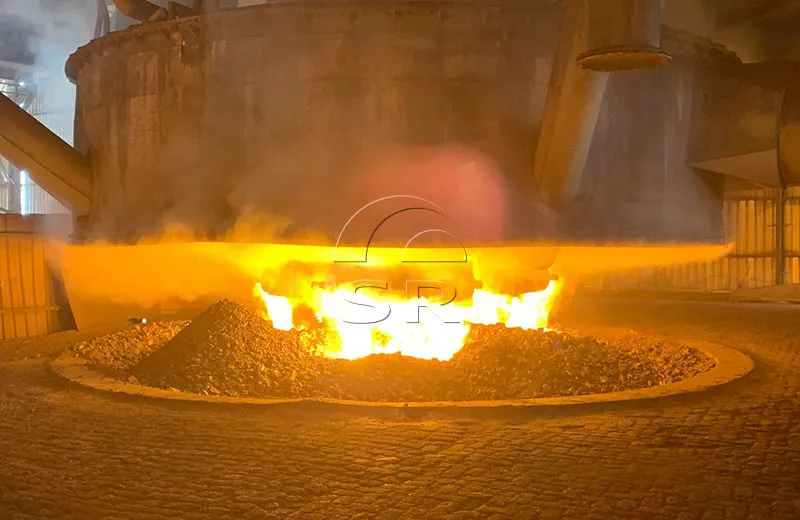
Submerged electric arc furnace is mainly used for reducing and smelting raw materials such as ore, carbonaceous reducing agent and solvent. It mainly produces ferroalloys such as ferrosilicon, ferromanganese, ferrochrome, ferrotungsten, silicon-manganese alloy, etc.
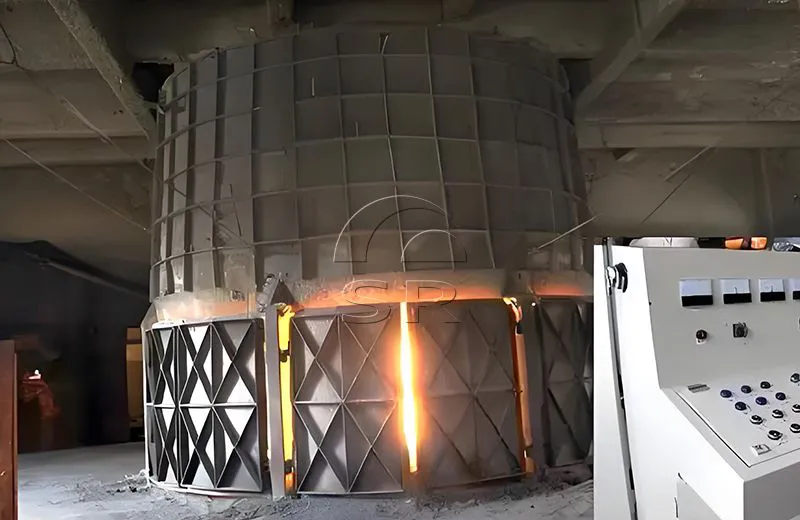
Titanium slag production adopts titanium slag electric furnace (circular furnace and rectangular furnace according to its shape) smelting process.
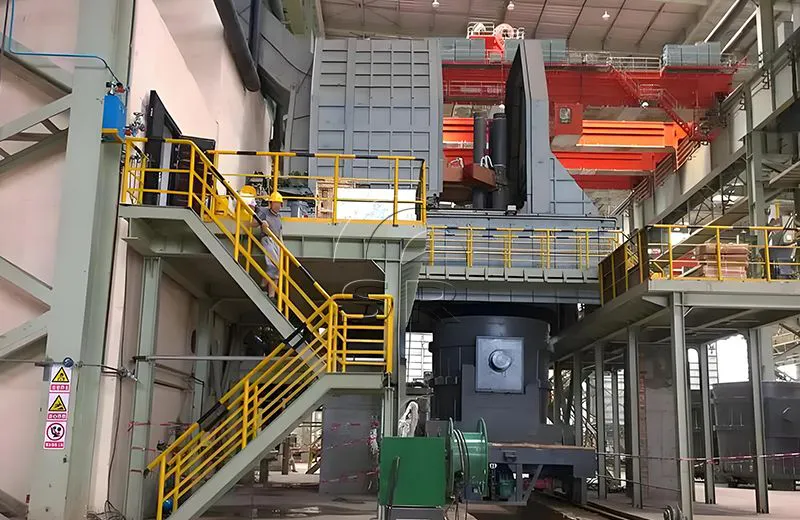
The LF 20 T ladle refining furnace has the functions of arc heating under normal pressure, argon blowing and stirring at the bottom of the ladle, and reducing slag making in the ladle.
LF ladle refining furnace is a bottom-blown argon ladle furnace with three-phase submerged arc heating under normal pressure. It is a device for refining molten steel in a ladle.
VD vacuum refining furnace is a commonly used refining process equipment, mainly used for deoxidation, impurity removal and other operations of molten steel, so as to obtain high purity, low impurity content of high quality steel.
VOD vacuum refining furnace has multiple functions such as vacuum degassing, oxygen blowing decarburization, vacuum charging, argon blowing stirring, non-vacuum temperature measurement sampling, wire feeding, etc.
The cast steel melting induction furnace has outstanding advantages in heat penetration or melting soft magnetic alloys, high resistance alloys, platinum group alloys, heat-resistant, corrosion-resistant, wear-resistant alloys and pure metals.
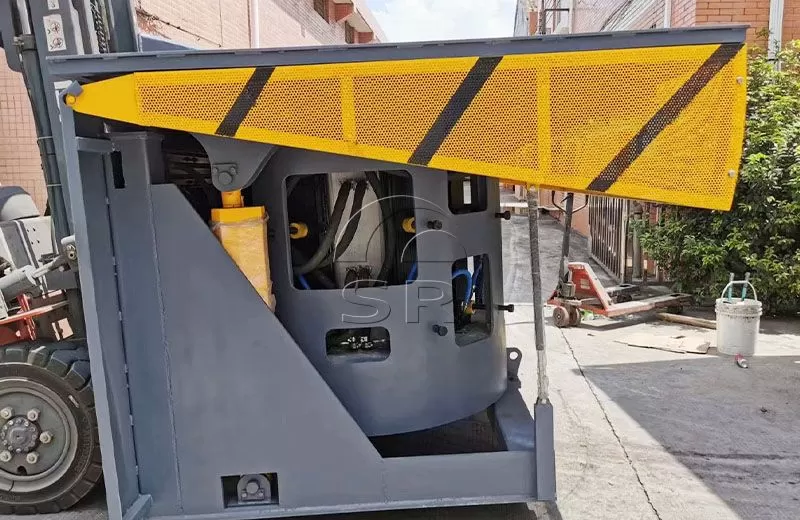
Metal silicon smelting furnace is a metal silicon medium frequency melting furnace, which consists of furnace body, water and electricity introduction system, furnace tilting device, etc. It has fast melting temperature rise, easy to control furnace temperature and high production efficiency.
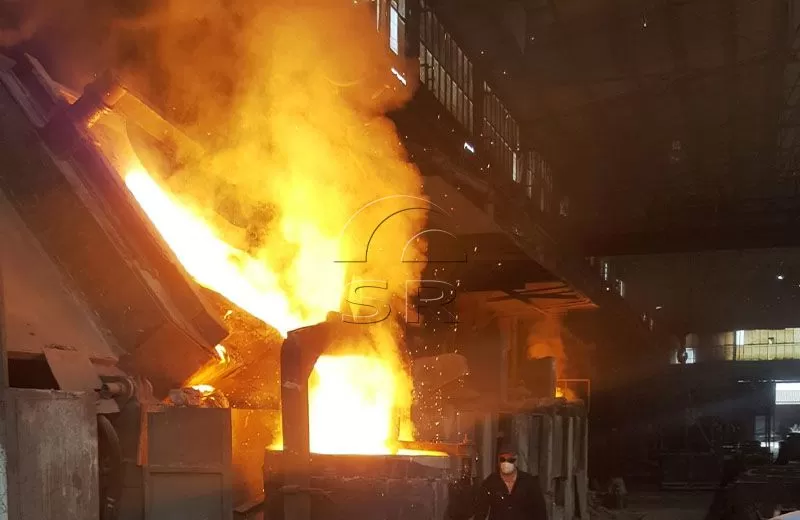
Medium frequency induction furnace mainly used for melting steel, alloy steel, special steel, stainless steel, and can also be used for melting and casting non-ferrous metals such as copper, aluminum, lead, zinc, etc. The customized range of induction furnaces sold by Sanrui ranges from 0.1 tons to 10 tons.
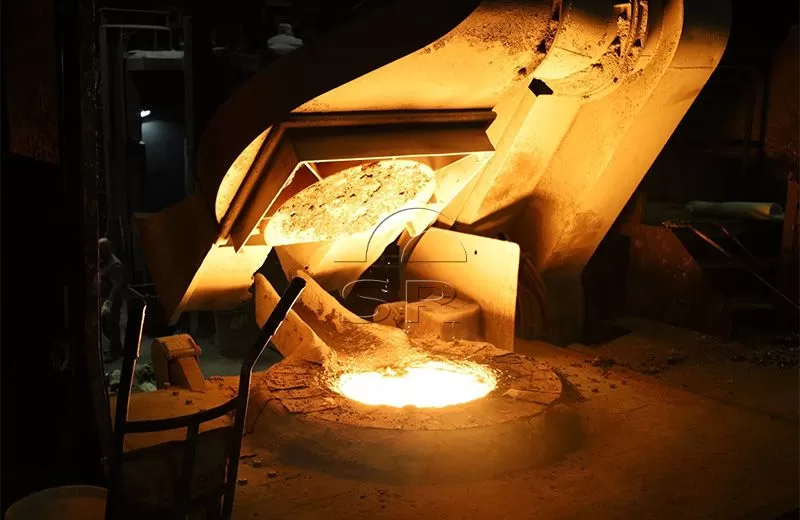
Medium frequency induction furnaces are mainly used for melting steel, alloy steel, special steel, stainless steel, and can also be used for melting and casting non-ferrous metals such as copper, aluminum, lead, and zinc.
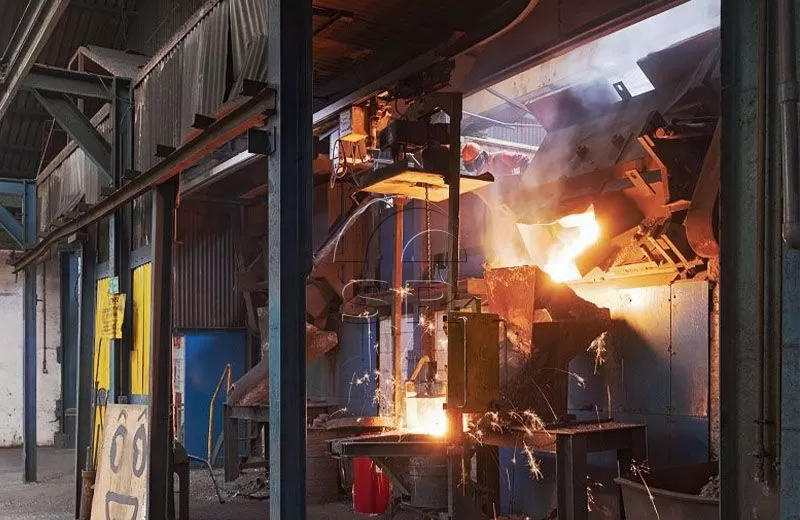
Medium frequency aluminum melting furnace is used for melting and heating aluminum, scrap aluminum, aluminum ingots, and aluminum alloys; The melting capacity ranges from 100KG to 3000KG.
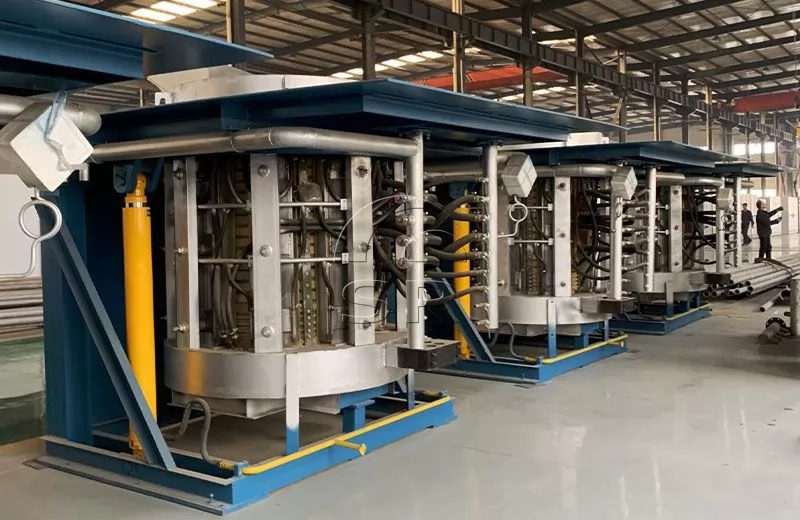
An induction furnace is an electric furnace that uses the induction electrothermal effect of the material to heat or melt the material. The main components of an induction furnace are sensors, furnace body, power supply, capacitors and control system.
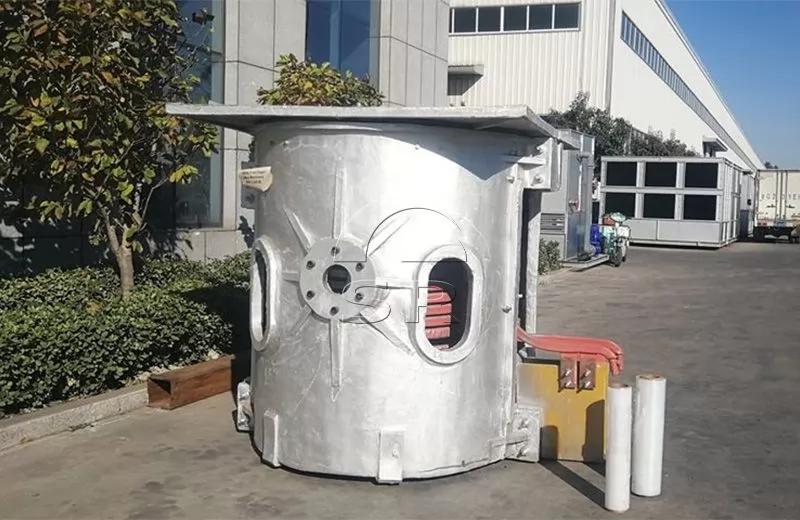
The 3-ton medium frequency coreless induction furnace adopts a 6-phase 12-pulse double rectifier control system. A 2000KVA special rectifier transformer is used for the 2000KW medium frequency power supply.
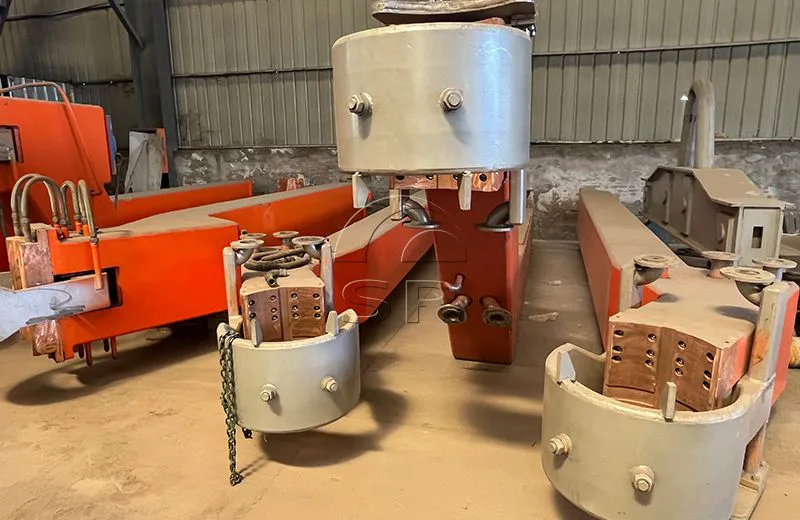
The conductive arm of an electric arc furnace (EAF) is primarily composed of the front electrode conductive arm holder, a water-cooled clamping ring, the arm body, and the rear conductive copper plate.
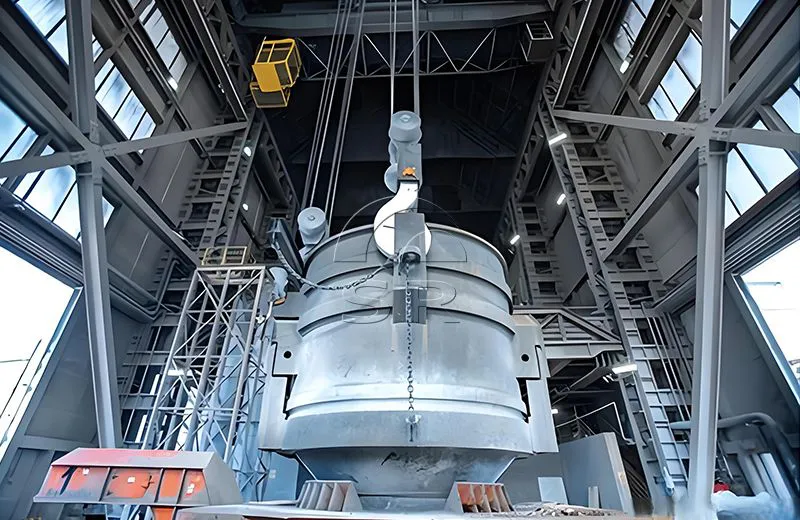
The scrap charging basket of the electric arc furnace is mainly used for loading and conveying raw materials such as scrap steel into the electric arc furnace for smelting.
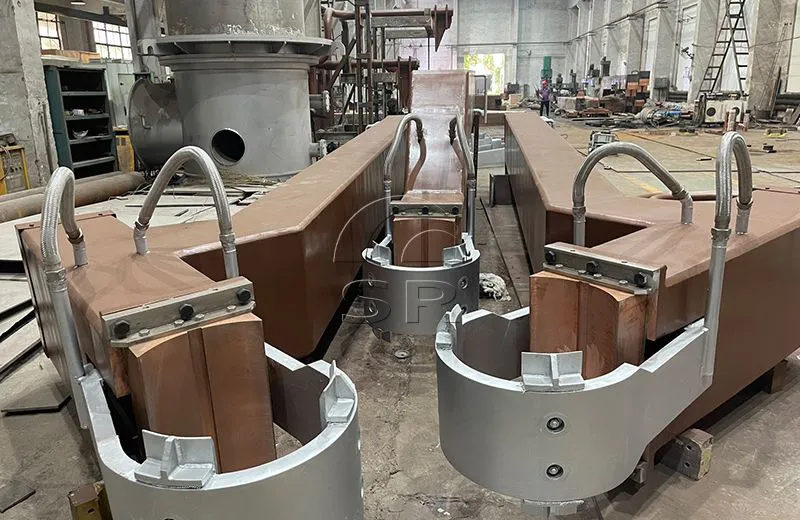
There are many insulation links between the EAF electrode holder and the conductive cross arm body, which greatly simplifies the cconductive cross arm structure and is a new type of electrode arm on the ultra-high power arc furnace.
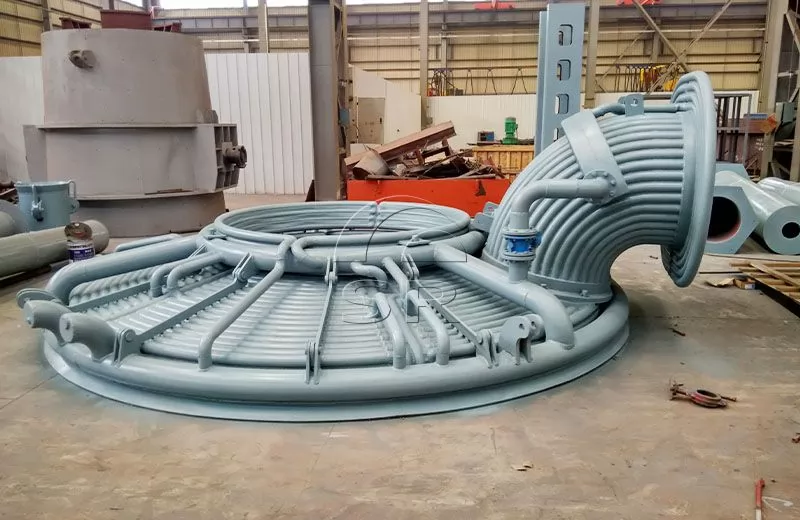
Generally, the furnace cover of the electric arc furnace adopts the tubular water-cooled closed tube furnace cover structure.
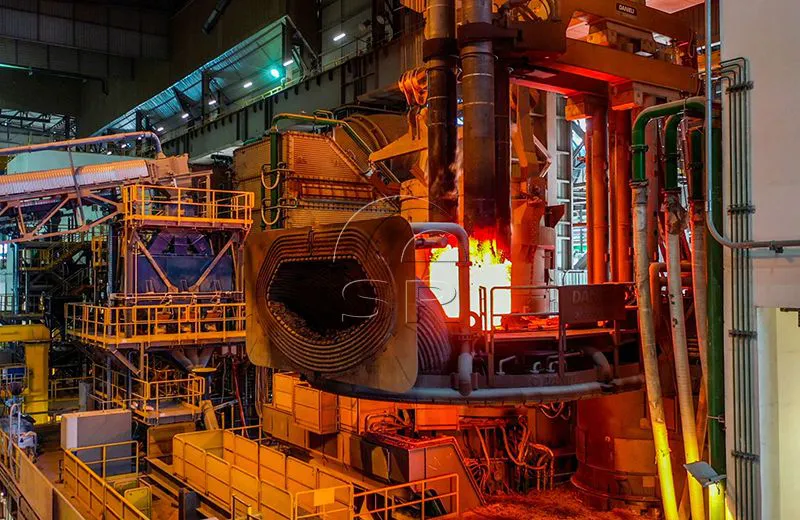
The electrode lifting mechanism of electric arc furnace is composed of conductive cross arm and electrode column device.
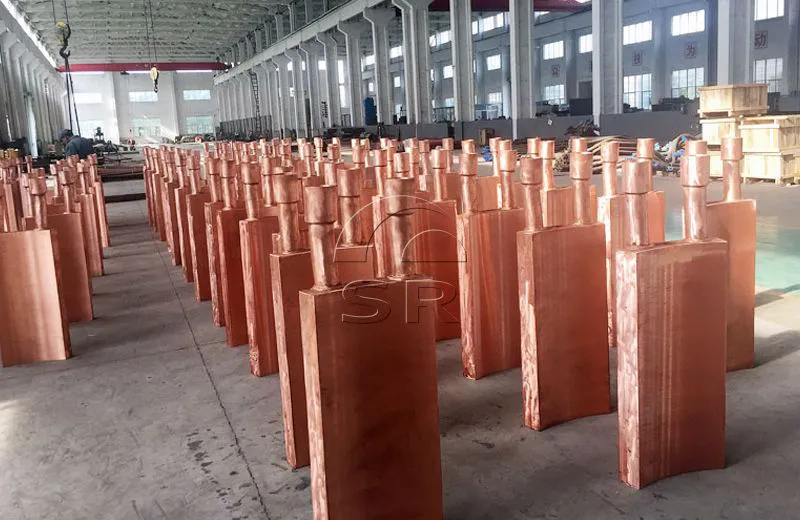
Forged copper tile is one of the main accessories in submerged arc furnace (silicon metal furnace, calcium carbide furnace and iron alloy furnace). It generates heat energy due to passing through large current at high temperature, and is easy to be damaged due to poor working environment.
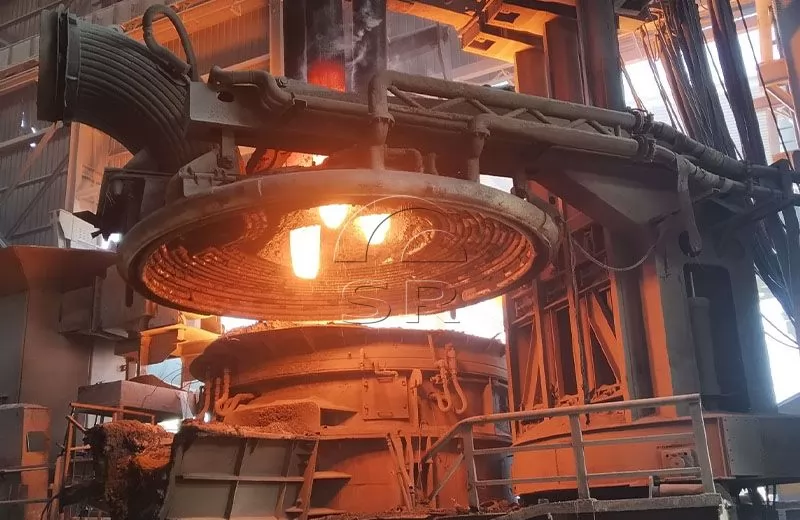
The furnace cover lifting and rotating device consists of a furnace cover lifting mechanism, a rotating mechanism and a rotating frame.
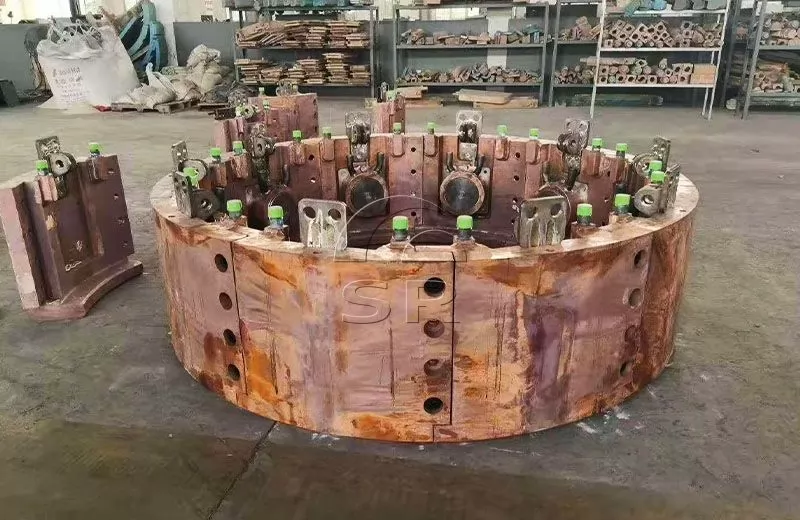
Submerged arc furnace pressure ring is used to monitor the change of air pressure in the furnace in real time, and adjust the air pressure automatically or manually according to the preset parameters to ensure the stability of air pressure in the furnace
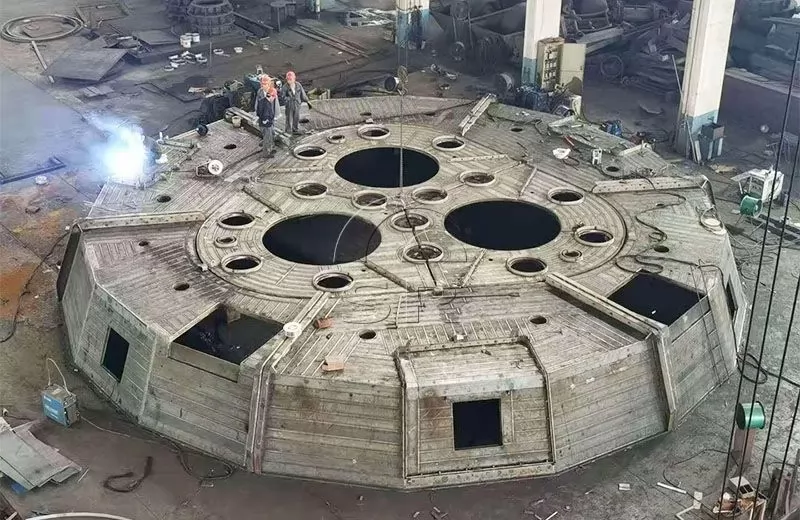
Submerged arc furnace water-cooled Roof is an important part of submerged arc furnace (also known as electric arc furnace, calcium carbide furnace or mining furnace), which is mainly used to close the top of furnace body and bear the high temperature and pressure in the furnace.
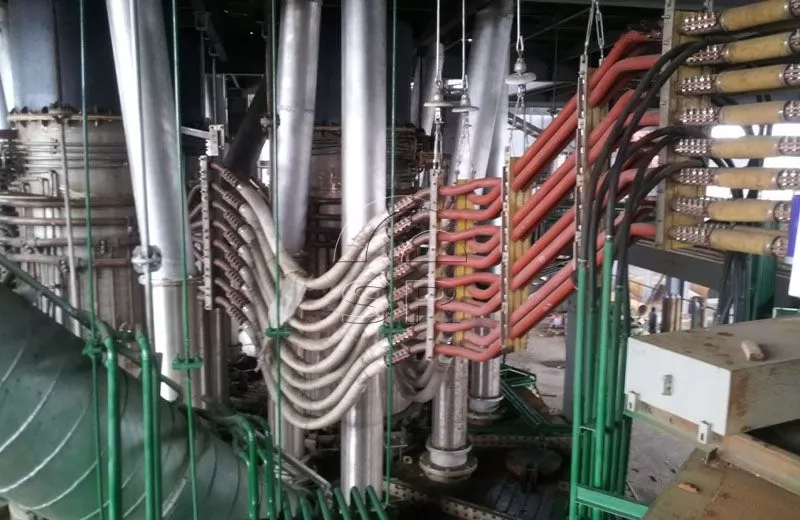
Short network bus systems), also known as high current line, refers to the general term of the carrier fluid from the secondary outlet terminal of the transformer to the electrode (including the electrode).
Navigation
E-mail: anna@srfurnace.com
Tel: +86 159 2955 5868
WhatsApp: +86 159 2955 5868
Add:
Room 422, 4th Floor, Building D, No. 5, Phase I, Fengdong Free Trade Industrial Park, Xixian New District, Shaanxi Province