Dec. 26, 2025
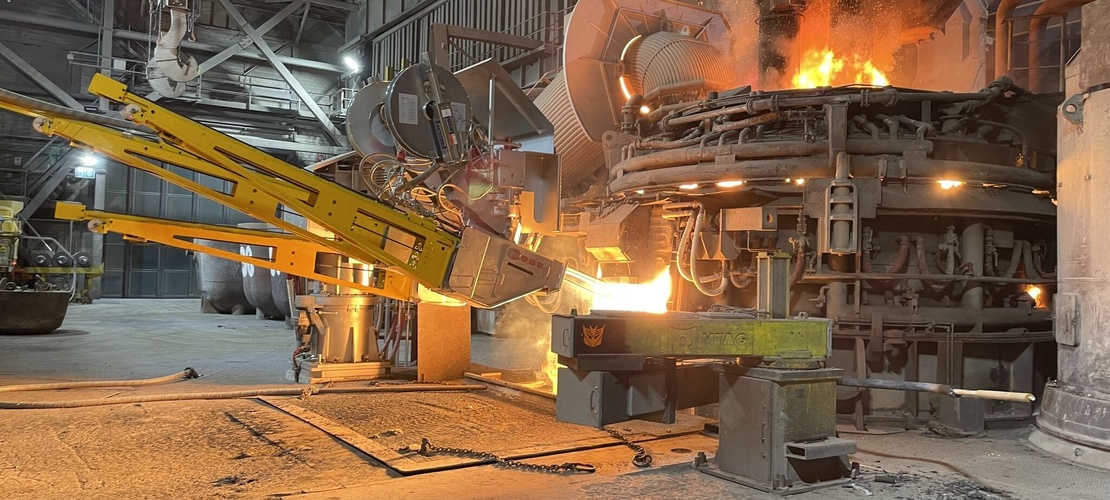
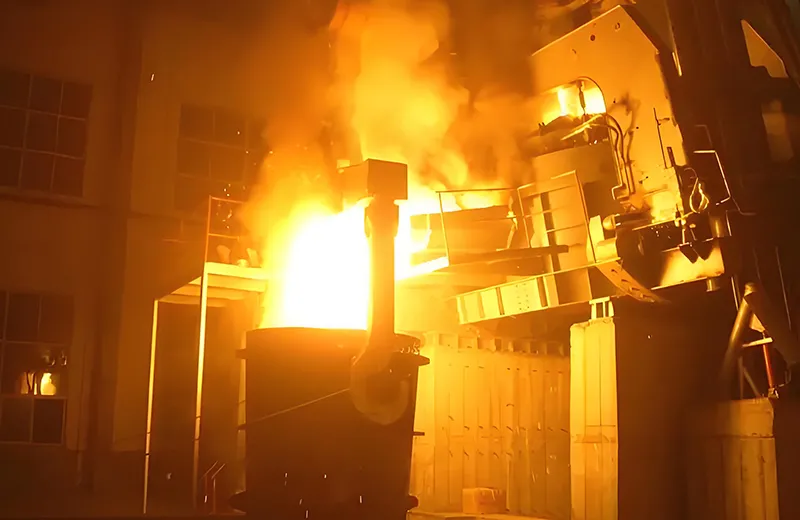
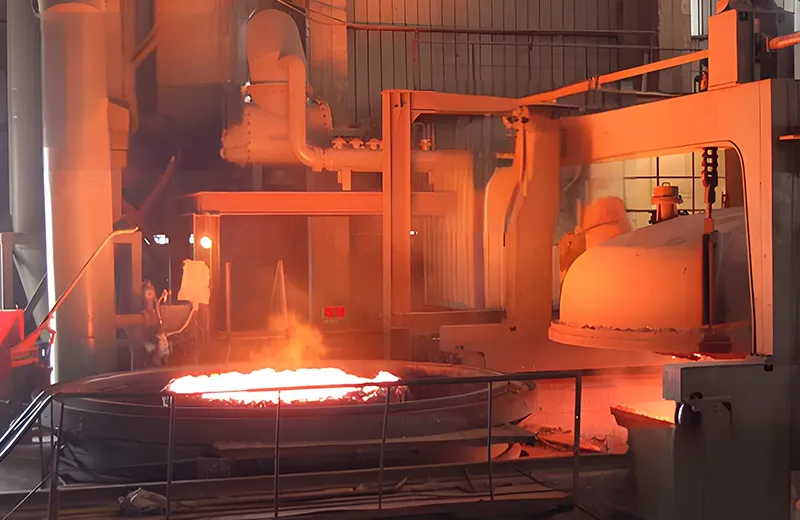
Electric arc furnaces (EAFs) are key equipment in modern metallurgical industry, and their internal temperature level and control accuracy directly determine smelting efficiency, energy consumption, and final product quality. By generating a high-temperature electric arc between electrodes and metallic charge materials, electrical energy is efficiently converted into thermal energy, enabling rapid melting of the furnace charge. Depending on the type of metal being processed and specific technological requirements, the operating temperature of an electric arc furnace typically ranges from 1600 °C to 3000 °C, with the exact temperature influenced by raw material composition, smelting stage, and process parameters.
During the smelting of ordinary carbon steel, the furnace temperature is generally maintained within 1600–1750 °C. This temperature range ensures complete melting of the iron–carbon alloy and promotes the transfer of harmful impurities such as sulfur and phosphorus into the slag phase, thereby improving molten steel cleanliness. For stainless steel and other high-alloy steels, due to the higher melting points and complex dissolution behavior of alloying elements, the furnace temperature is usually increased to 1750–1900 °C to ensure sufficient dissolution and homogeneous distribution of chromium, nickel, and other alloying elements. For certain special alloys or superalloys, the smelting temperature may exceed 2000 °C, placing more stringent requirements on the thermal resistance and corrosion resistance of refractory linings.
The core of electric arc furnace temperature control lies in the electrode regulation system. Modern EAFs widely adopt automatic control systems that continuously monitor furnace temperature, current, and voltage, dynamically adjusting electrode positions to regulate arc length and energy input. Proper matching of current and voltage is a key factor in achieving stable temperature control, with typical electrical energy consumption maintained at 400–600 kWh per ton of steel. In combination with infrared temperature measurement devices and computer-based control systems, temperature control accuracy within ±10 °C can be achieved.
Abnormal furnace temperatures can cause serious problems in both production and equipment safety. When the temperature falls below 1550 °C, molten bath fluidity decreases significantly, slag–metal reactions become less efficient, and impurities cannot effectively float and separate, leading to composition inhomogeneity and excessive inclusions in the steel. Conversely, when the temperature exceeds the refractory material’s tolerance limit, magnesia–carbon bricks and other refractories experience accelerated erosion and spalling, which may shorten furnace service life or even result in furnace burn-through accidents. In one steel plant, a failure of the temperature measurement system caused the furnace temperature to rise rapidly to 2100 °C, leading to complete destruction of the furnace bottom refractory lining and economic losses amounting to several million yuan.
In the field of non-ferrous metal smelting, temperature applications of electric arc furnaces show significant differences. Copper and copper alloys are generally smelted at 1100–1250 °C, while aluminum and aluminum alloys, due to their lower melting points, are typically processed at 700–800 °C. These differences arise from the distinct physical and chemical properties of each metal. For example, aluminum electrolysis processes commonly employ low-voltage, high-current power supply modes, and precise temperature control is essential to prevent excessive oxidation of molten aluminum.
The distribution of temperature gradients within the furnace has a direct impact on smelting performance. The region directly affected by the electric arc forms a localized ultra-high-temperature zone, where instantaneous temperatures can exceed 3500 °C, while the temperature at the bottom of the molten bath remains relatively lower. This temperature difference induces natural convection within the molten metal, accelerating compositional homogenization. Operators can optimize high-temperature zone distribution by adjusting electrode positions and configurations. For instance, a special steel enterprise reduced the molten bath temperature gradient from approximately 200 °C to less than 80 °C by adopting a three-electrode eccentric arrangement, significantly improving molten steel quality stability.
With increasingly stringent environmental and energy-efficiency requirements, electric arc furnace temperature control technologies continue to advance. Flue gas waste heat recovery systems can capture thermal energy from exhaust gases at temperatures up to 1200 °C and convert it into steam for power generation. After installing a waste heat boiler system, one enterprise reduced comprehensive energy consumption per ton of steel by 15%. Meanwhile, advanced foamy slag technology reduces radiant heat losses from the electric arc by optimizing slag-forming practices, improving thermal efficiency by approximately 30% and achieving simultaneous benefits in energy savings and temperature stability.
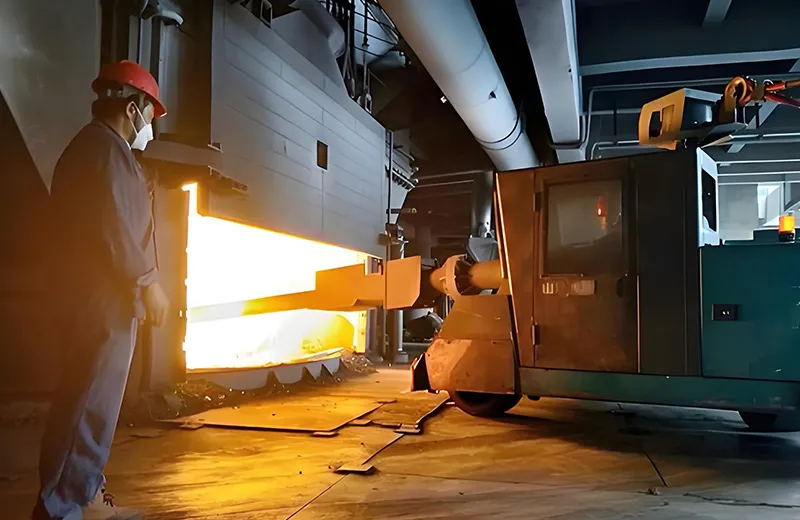
Safety operation standards impose explicit requirements on EAF temperature management. Operators must wear high-temperature protective equipment during furnace observation, and forced cooling systems must be activated immediately when furnace wall temperatures exceed 400 °C. In one foundry, unauthorized shutdown of the furnace cooling water system caused the furnace shell temperature to rise to 600 °C, resulting in severe deformation and significant safety hazards. Currently, routine infrared thermal imaging inspections have become an important preventive maintenance measure, enabling early detection of weak refractory zones and targeted repairs.
In special smelting processes, furnace temperature profiles are subject to more stringent control requirements. For example, vacuum arc remelting (VAR) is conducted under a vacuum level of approximately 10⁻³ Pa, with smelting temperatures typically 200–300 °C higher than those in conventional processes. This environment effectively removes dissolved gases and inclusions from the metal. An aerospace materials enterprise used this process to control oxygen content in titanium alloys below 0.08%, significantly enhancing fatigue strength and service reliability.
The recording and analysis of temperature data form the basis for continuous process optimization. Modern electric arc furnaces are commonly equipped with “black-box” data acquisition systems that comprehensively record temperature variation curves throughout the entire smelting process. By analyzing data from 300 heats, a research institute developed a neural-network-based temperature prediction model that shortened smelting cycles by 8% and reduced energy consumption per ton of steel by 12%. This data-driven intelligent temperature control approach is gradually becoming an important development trend in electric arc furnace technology.
Latest News
Submerged Arc Furnace: Structural Design, Operating Principles, and Core Equipment Analysis
Jun. 09, 2026
May. 27, 2026
Latest Products
Customized metallurgical machinery and equipment range: Electric Arc Furnace, Submerged Arc Furnace, LF Refining Furnace, Vacuum Furnace, Induction Furnace, Dust Remove System, Water Treatment Equipment, etc. Providing the most advanced equipment integration services, metallurgical equipment can be customized according to different needs of customers, and production capacity can be adjusted according to customer requirements.
Electric Arc Furnace
Submerged Arc Furnace
LF Refining Furnace
VD / VOD Vacuum Refining Furnace
Induction Furnace
Furnace Accessories
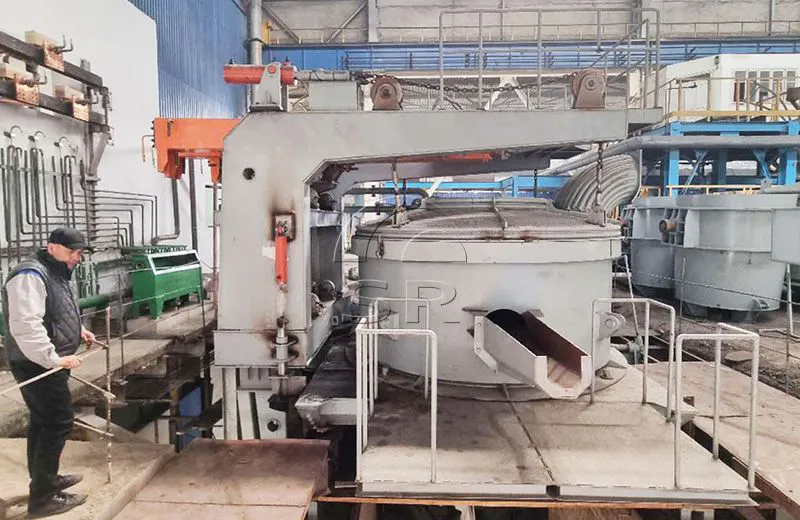
The 5 ton electric arc furnace for steel-making is a special purpose equipment that makes ordinary steel, quality carbon steel, alloy steel and non-corrosive steel with electric arc as heat source and scrap steel (iron) as raw material.
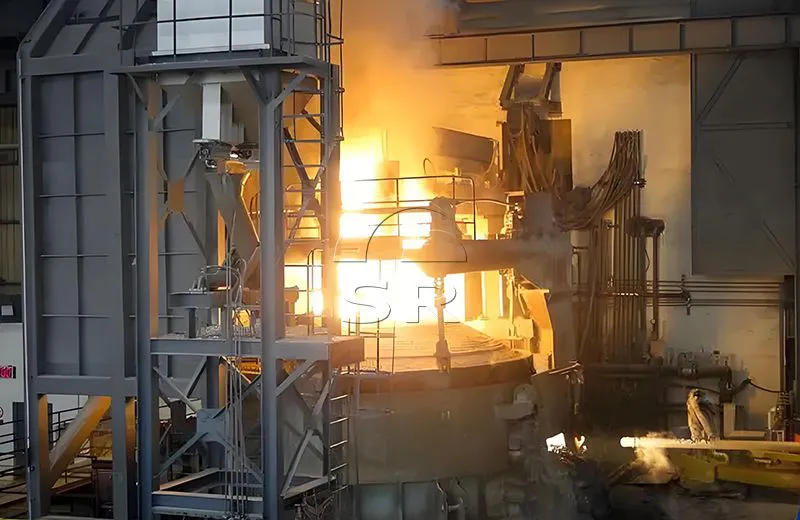
15-ton electric arc furnace is used for the short-process steelmaking process, using 100% scrap steel or scrap steel + molten iron (pig iron), or scrap steel + sponge iron (DRI) as raw materials for steelmaking.
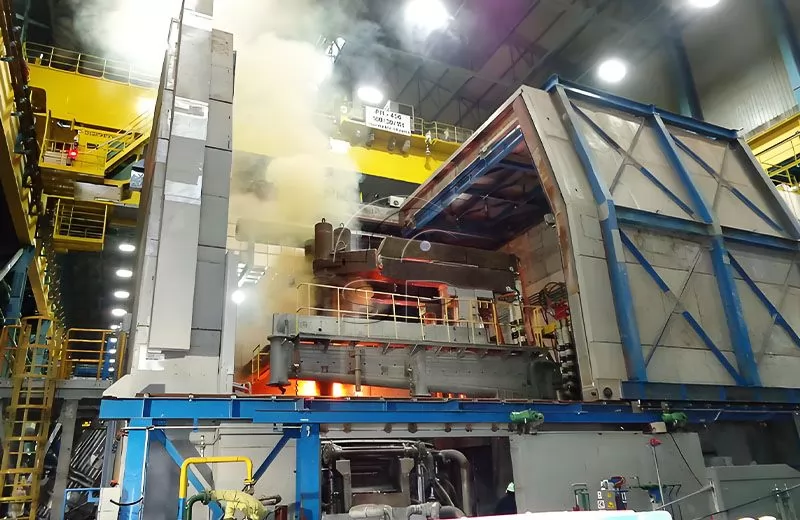
The 30-ton AC electric arc furnace is used to melt scrap steel to produce steel. Electrical energy is used to melt scrap steel. An arc forms between the charged material and the electrode.
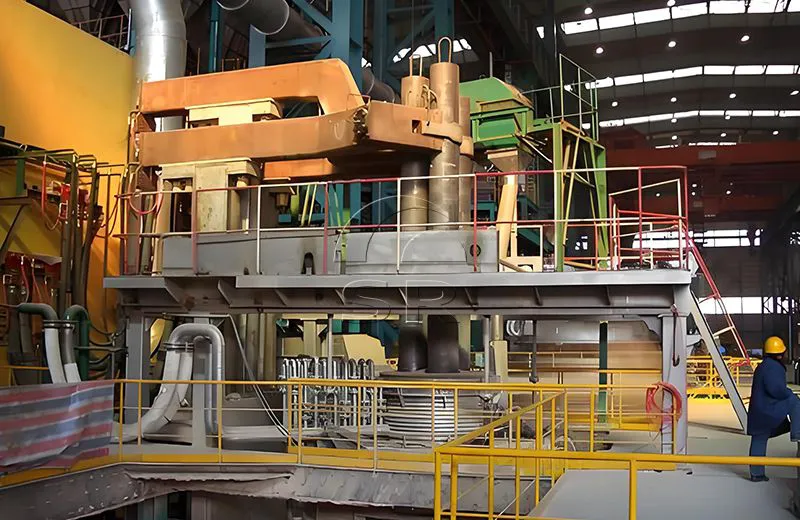
30 Ton electric arc furnace is used for steelmaking short process smelting, using 100% scrap steel or scrap steel + molten iron (pig iron), or scrap steel + sponge iron (DRI) as raw materials for steelmaking.
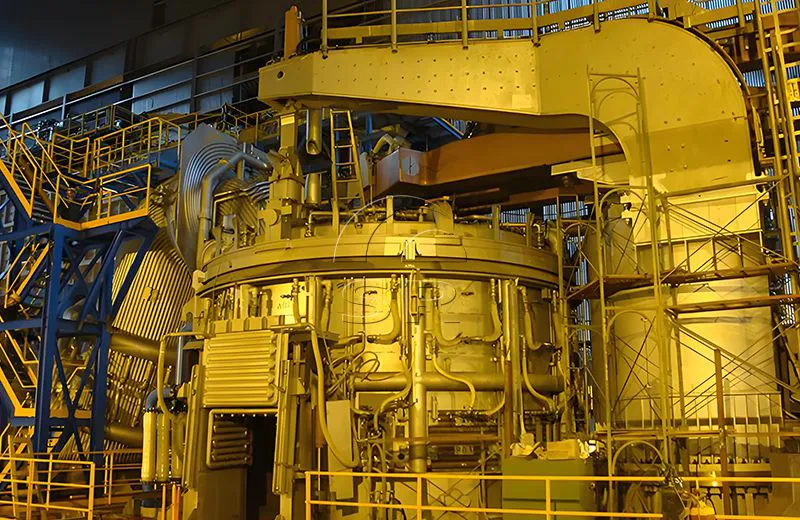
The 50-ton ultra-high power electric arc furnace (50TUPH EAF) adopts ultra-high power, high impedance technology, bottom tapping technology (ETB), furnace wall oxygen oil burner and furnace door carbon-oxygen gun technology.
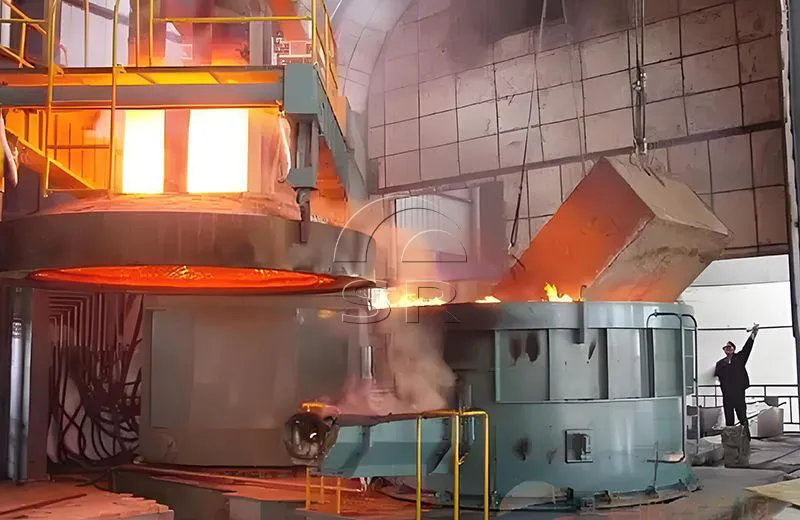
DC electric arc furnace is an electric arc furnace supplying electric energy with DC power supply. There is only one electrode on the top of the DC arc furnace, which is the negative electrode, and the bottom electrode is the positive electrode.
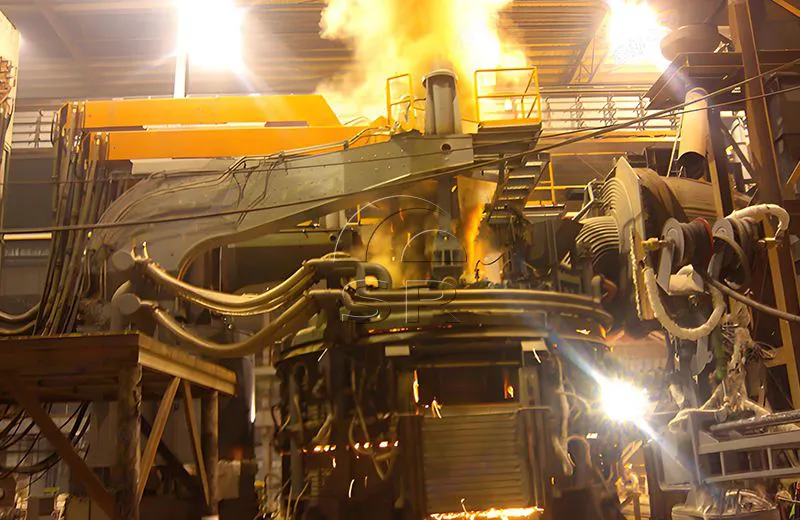
Electric arc furnaces are used to melt scrap steel for steel production. Electrical energy is used to melt scrap steel. An arc forms between the charged material and the electrode. The heat generated by the arc melts the scrap.
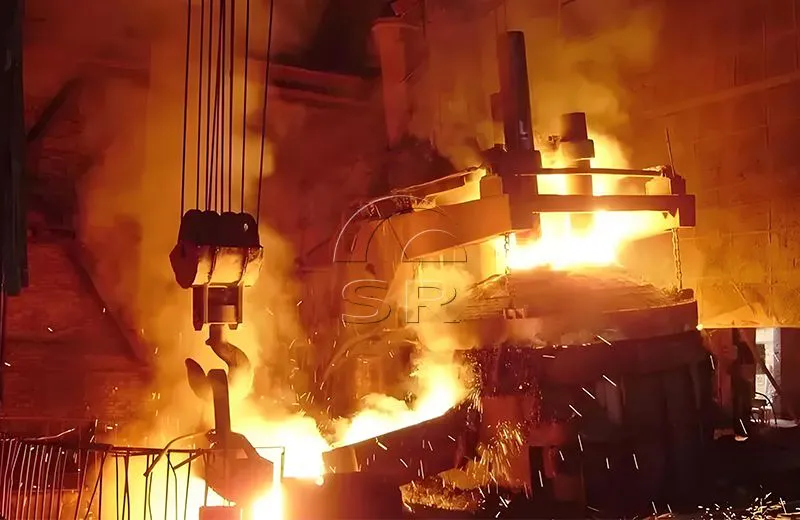
Electric arc furnace steel making is a steelmaking method that uses the thermal effect of electric arc to heat the charge for melting.
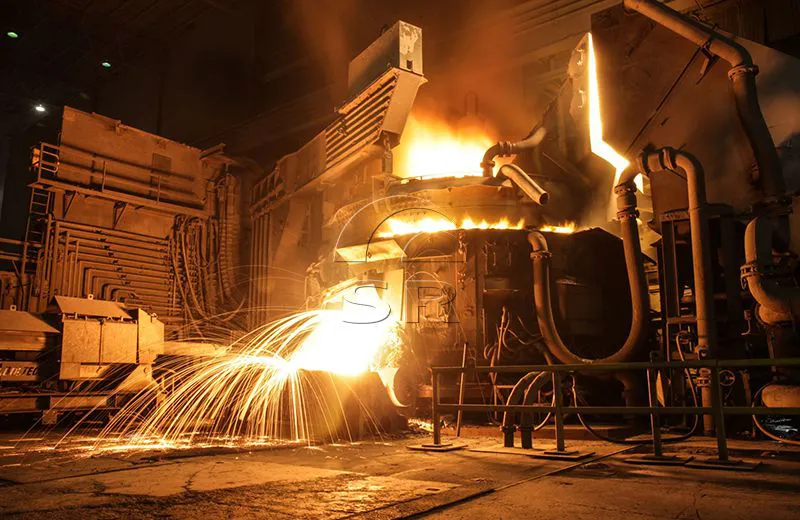
Ultra-high power electric arc furnace mainly changes the arc characteristics of high voltage and long arc to the arc characteristics of high current, low voltage and short arc
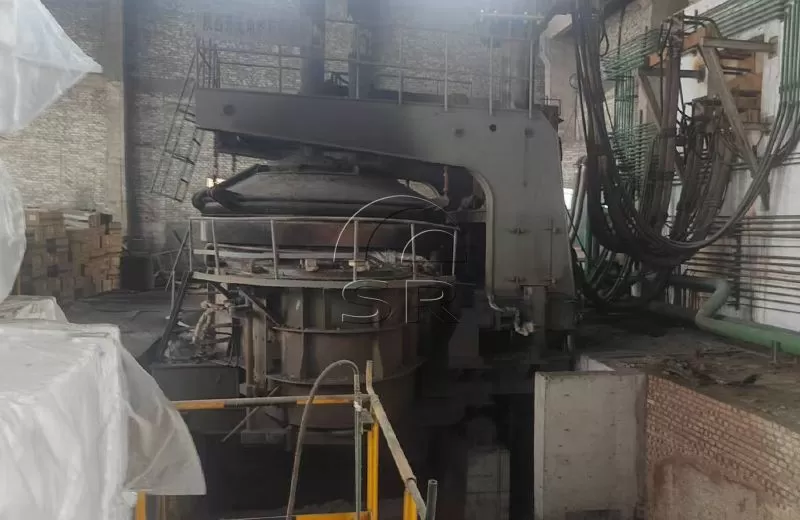
1 ton electric arc furnace is used for melting steel and titanium scrap metal. The principle of electric arc furnace is based on the generation of direct current, which converts electrical energy into heat energy through electrodes to melt the metal.
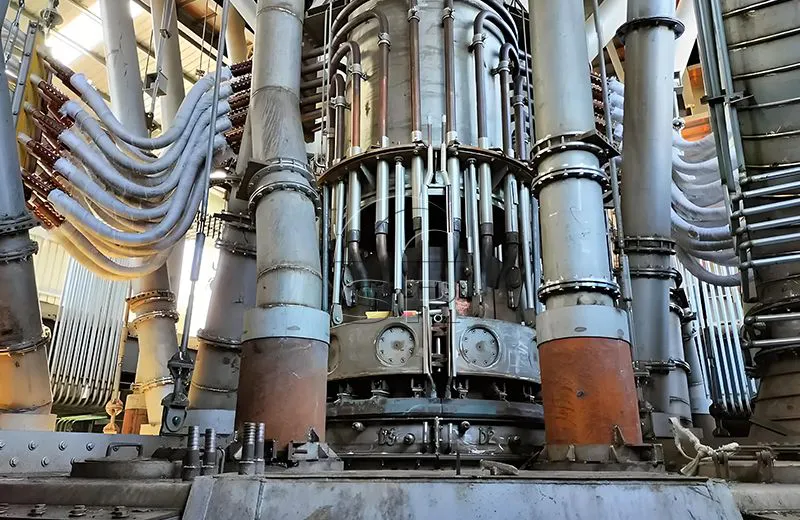
The closed pig iron furnace (submerged arc furnace iron making) is a non-blast furnace iron making method. Under the premise of guaranteeing the power supply, it is easy to solve the problem by using the reducing agent required by the submerged arc furnace iron making.
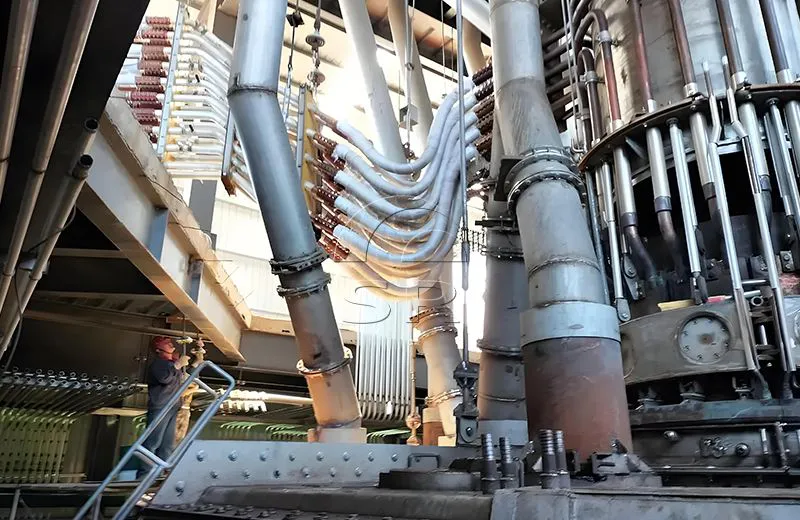
The main mechanical device design of Sanui ferroalloy refining furnace combines China's national conditions and draws on international advanced technologies such as Demark and Pyremate.
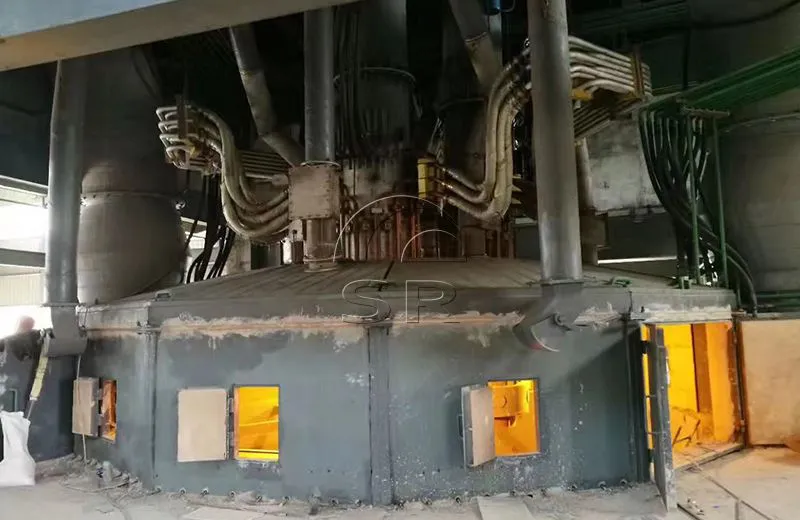
The Ferronickel submerged arc furnace is a special submerged arc furnace used for smelting nickel-iron alloy. Its main function is to add nickel ore, carbonaceous reducing agent (such as coke) and limestone and other raw materials into the furnace in a certain proportion
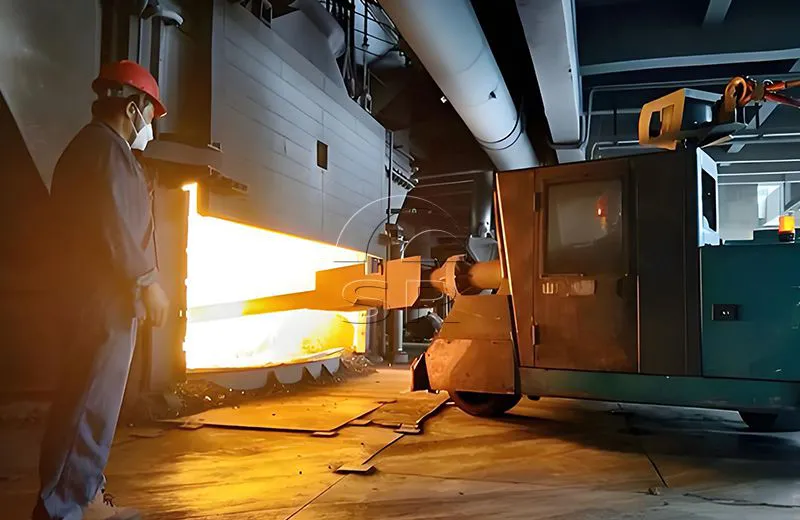
The main mechanical device design of Sanui ferrosilicon furnace combines China's national conditions and draws on international advanced technologies such as Demark and Pyremate.
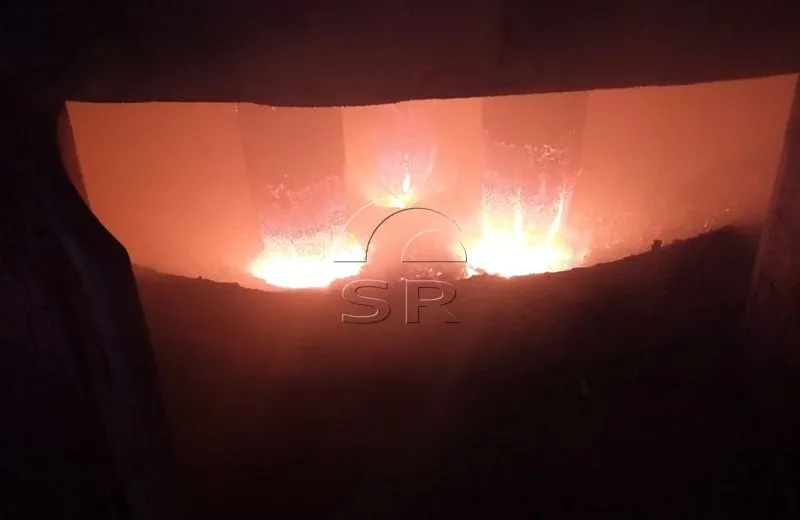
The main mechanical device design of Sanui high carbon ferrochrome furnace combines China's national conditions and draws on international advanced technologies such as Demark and Pyremate.
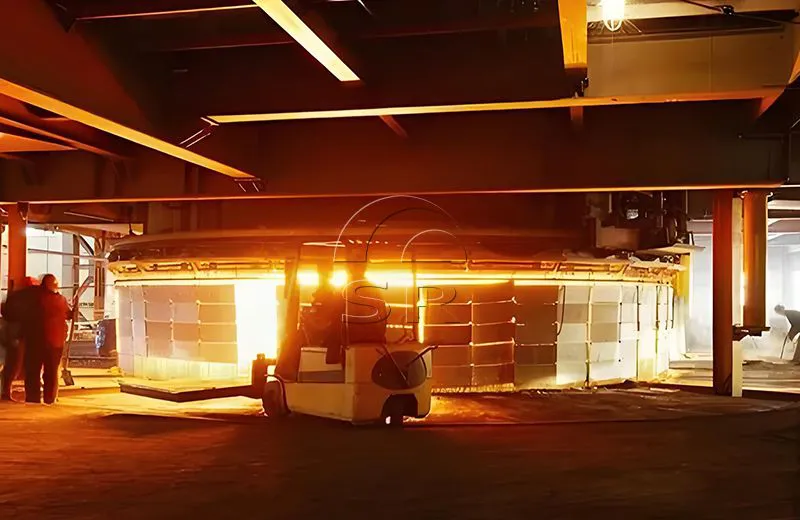
Industrial silicon submerged arc furnace is an important equipment in silicon ore processing, playing a key role in the silicon industry.
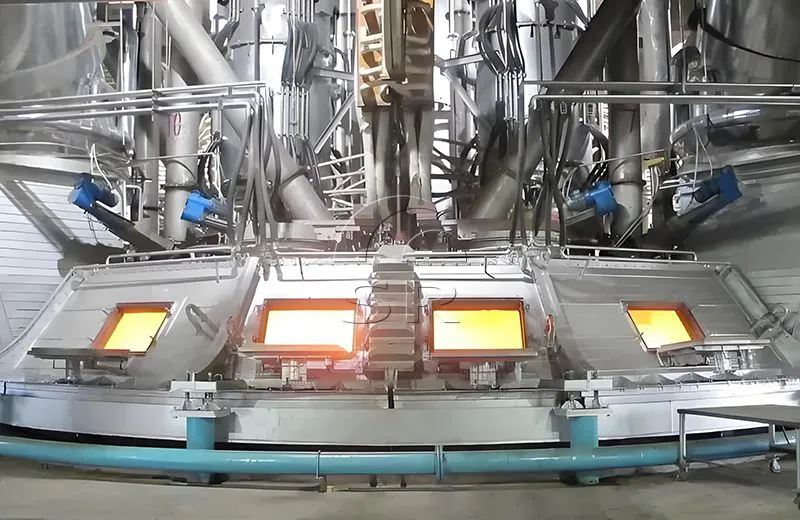
The manganese silicon alloy furnace is mainly used to smelt silicon-manganese alloy, which is an alloy containing silicon and manganese.
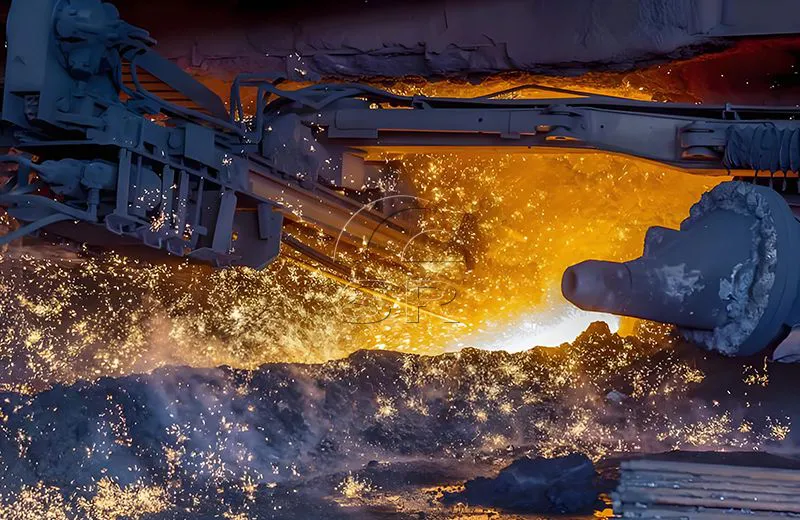
The design of the submerged arc furnace main mechanical device by Sanui is based on China's national conditions and draws on international advanced technologies such as Demark and Perlmutter.
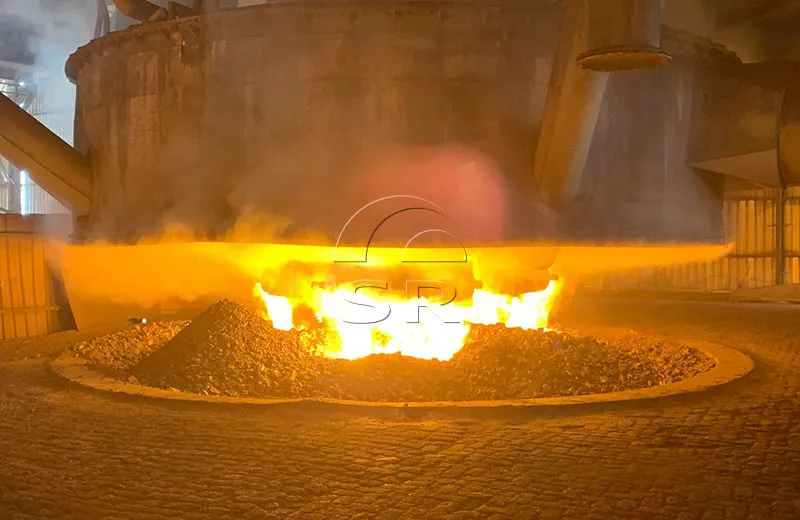
Submerged electric arc furnace is mainly used for reducing and smelting raw materials such as ore, carbonaceous reducing agent and solvent. It mainly produces ferroalloys such as ferrosilicon, ferromanganese, ferrochrome, ferrotungsten, silicon-manganese alloy, etc.
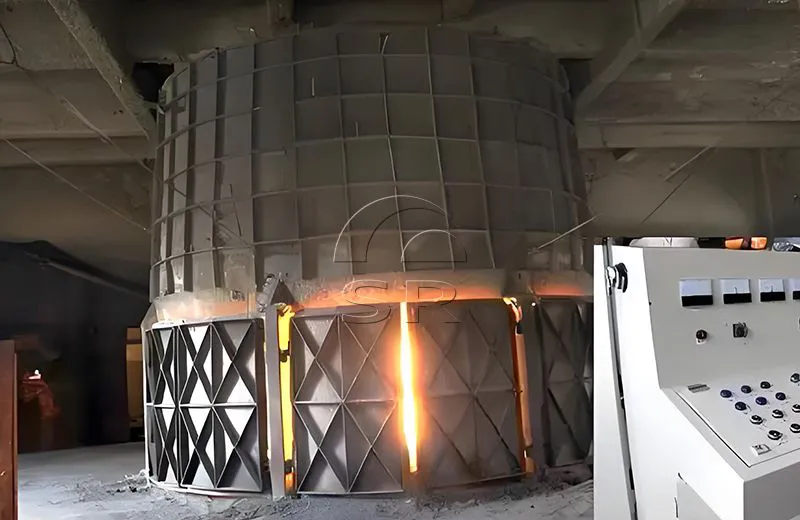
Titanium slag production adopts titanium slag electric furnace (circular furnace and rectangular furnace according to its shape) smelting process.
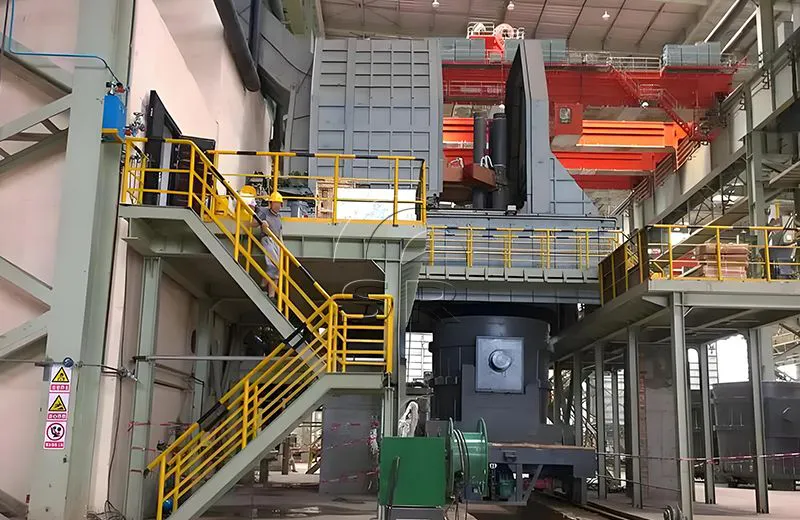
The LF 20 T ladle refining furnace has the functions of arc heating under normal pressure, argon blowing and stirring at the bottom of the ladle, and reducing slag making in the ladle.
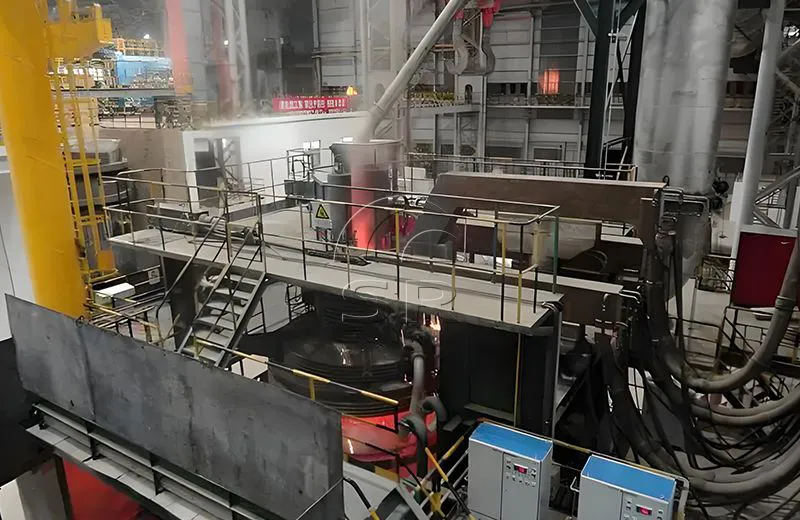
LF ladle refining furnace is a bottom-blown argon ladle furnace with three-phase submerged arc heating under normal pressure. It is a device for refining molten steel in a ladle.
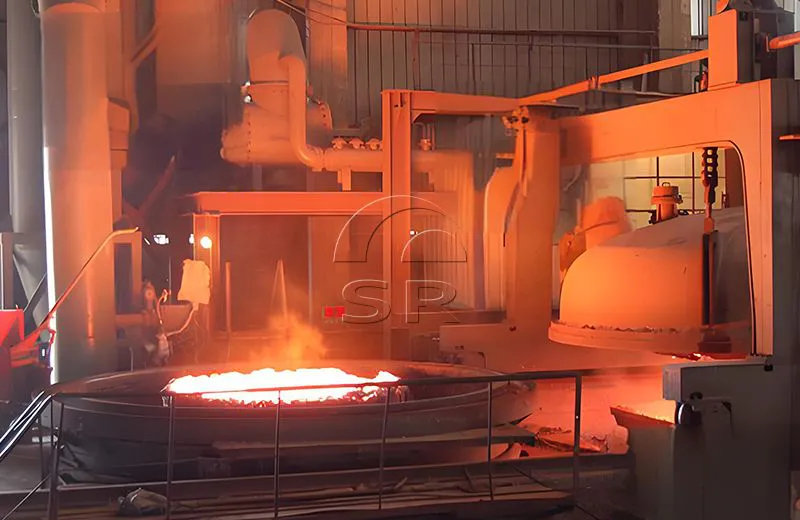
VD vacuum refining furnace is a commonly used refining process equipment, mainly used for deoxidation, impurity removal and other operations of molten steel, so as to obtain high purity, low impurity content of high quality steel.
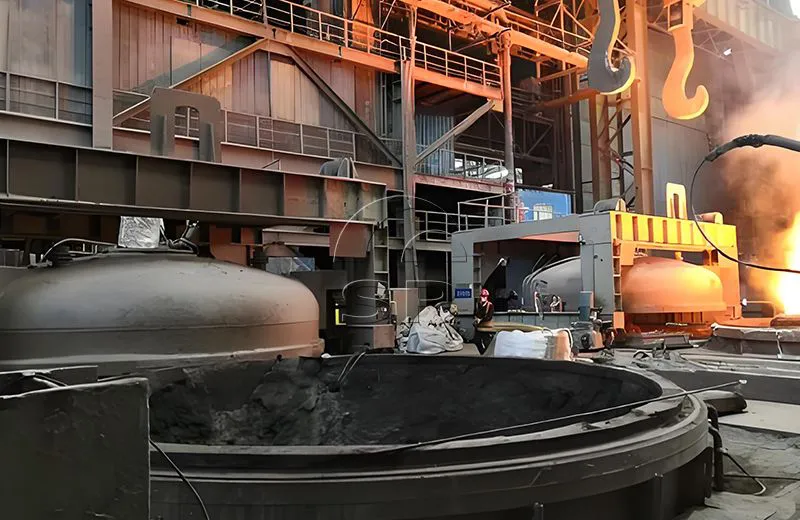
VOD vacuum refining furnace has multiple functions such as vacuum degassing, oxygen blowing decarburization, vacuum charging, argon blowing stirring, non-vacuum temperature measurement sampling, wire feeding, etc.
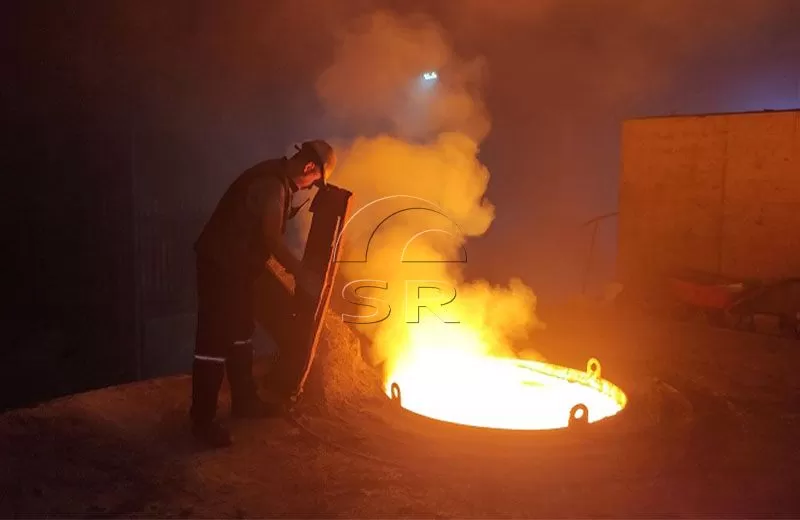
The cast steel melting induction furnace has outstanding advantages in heat penetration or melting soft magnetic alloys, high resistance alloys, platinum group alloys, heat-resistant, corrosion-resistant, wear-resistant alloys and pure metals.
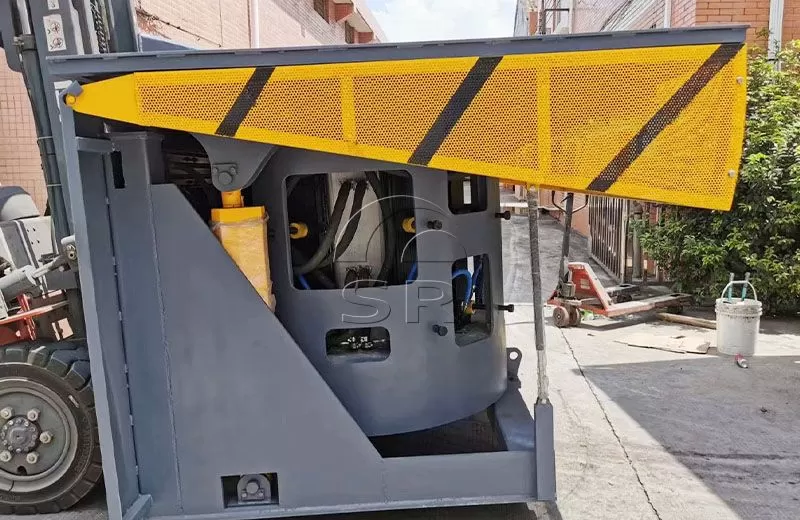
Metal silicon smelting furnace is a metal silicon medium frequency melting furnace, which consists of furnace body, water and electricity introduction system, furnace tilting device, etc. It has fast melting temperature rise, easy to control furnace temperature and high production efficiency.
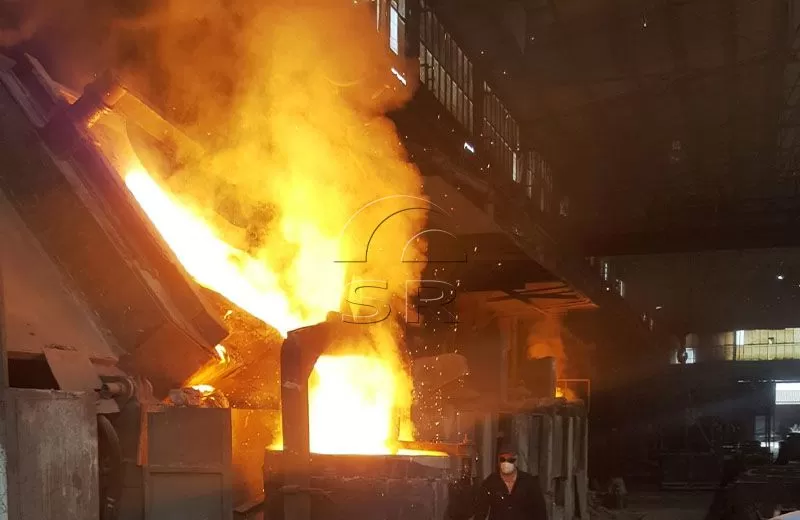
Medium frequency induction furnace mainly used for melting steel, alloy steel, special steel, stainless steel, and can also be used for melting and casting non-ferrous metals such as copper, aluminum, lead, zinc, etc. The customized range of induction furnaces sold by Sanrui ranges from 0.1 tons to 10 tons.
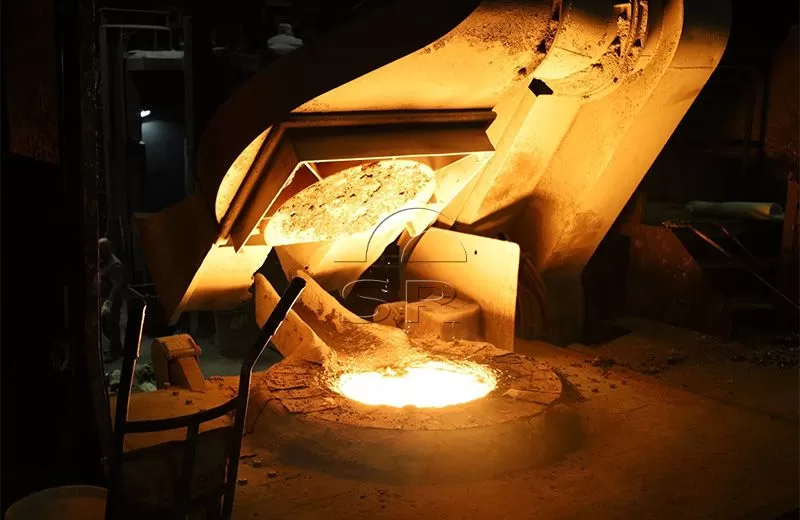
Medium frequency induction furnaces are mainly used for melting steel, alloy steel, special steel, stainless steel, and can also be used for melting and casting non-ferrous metals such as copper, aluminum, lead, and zinc.
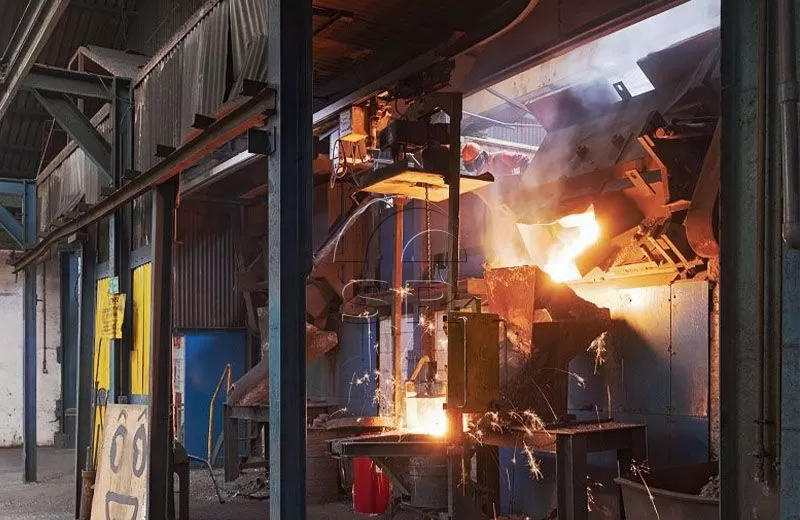
Medium frequency aluminum melting furnace is used for melting and heating aluminum, scrap aluminum, aluminum ingots, and aluminum alloys; The melting capacity ranges from 100KG to 3000KG.
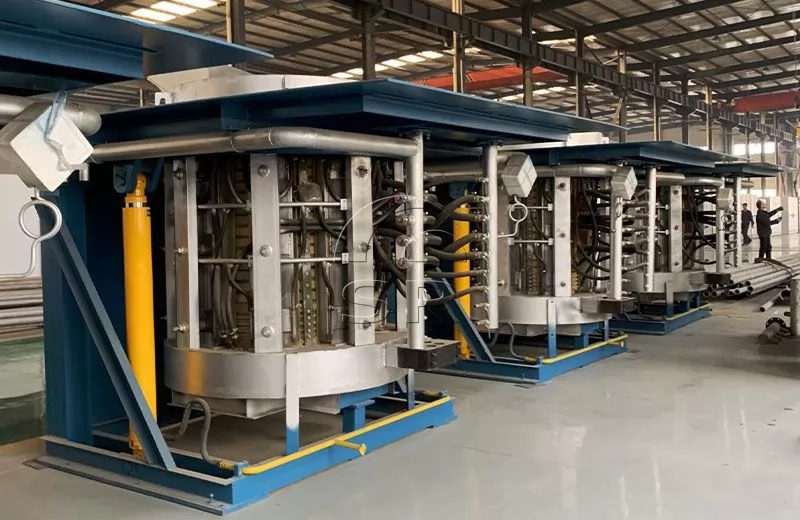
An induction furnace is an electric furnace that uses the induction electrothermal effect of the material to heat or melt the material. The main components of an induction furnace are sensors, furnace body, power supply, capacitors and control system.
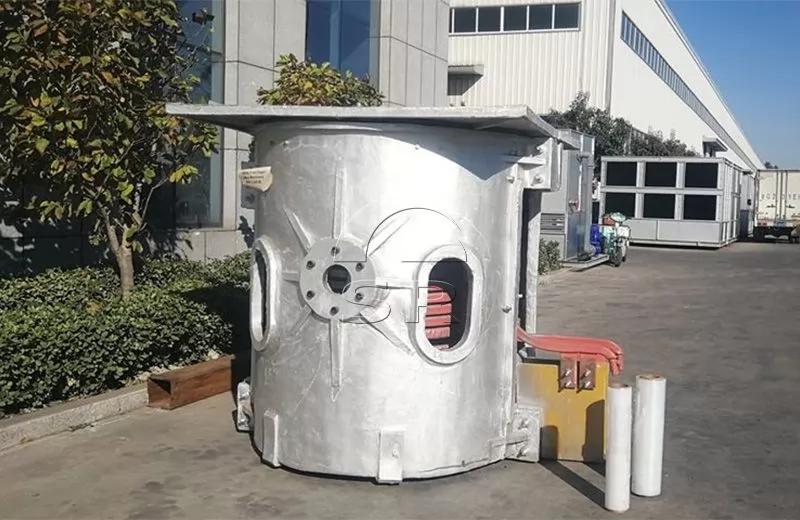
The 3-ton medium frequency coreless induction furnace adopts a 6-phase 12-pulse double rectifier control system. A 2000KVA special rectifier transformer is used for the 2000KW medium frequency power supply.
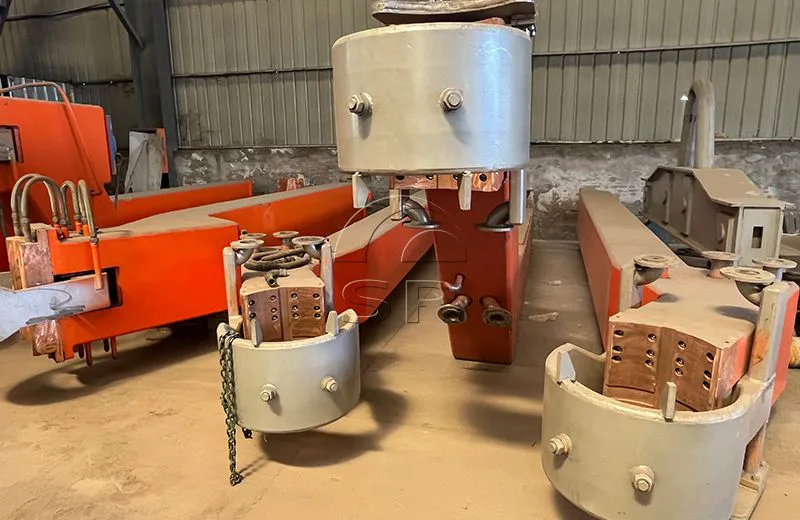
The conductive arm of an electric arc furnace (EAF) is primarily composed of the front electrode conductive arm holder, a water-cooled clamping ring, the arm body, and the rear conductive copper plate.
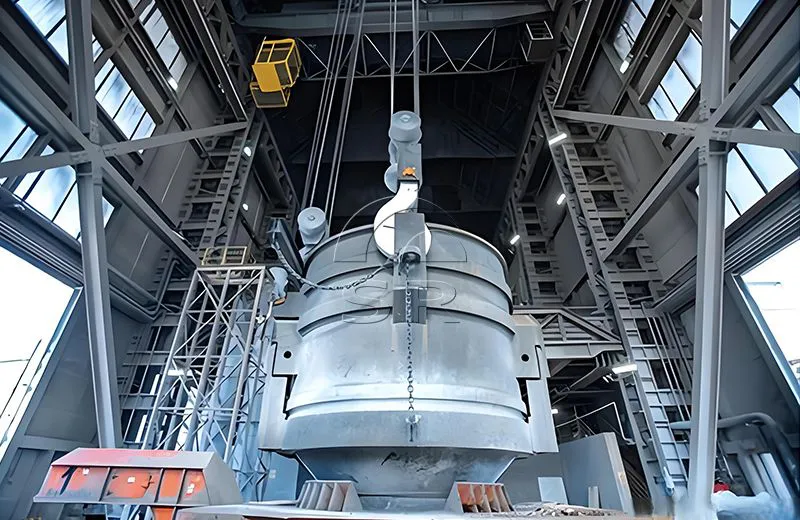
The scrap charging basket of the electric arc furnace is mainly used for loading and conveying raw materials such as scrap steel into the electric arc furnace for smelting.
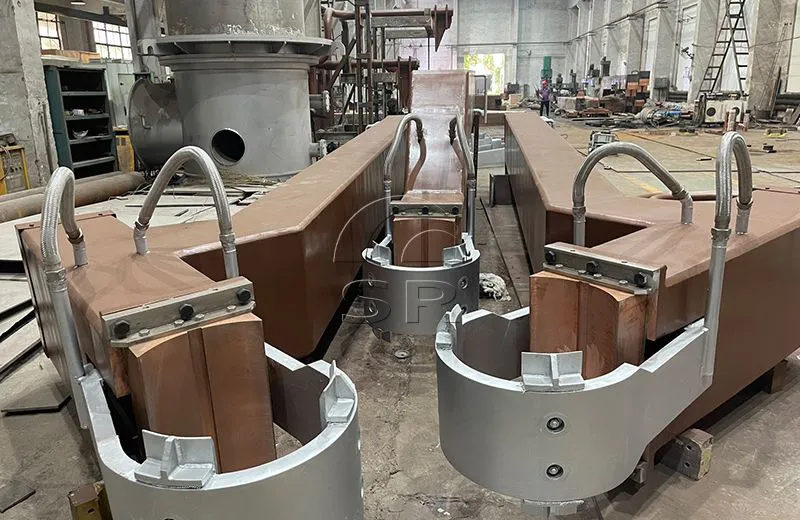
There are many insulation links between the EAF electrode holder and the conductive cross arm body, which greatly simplifies the cconductive cross arm structure and is a new type of electrode arm on the ultra-high power arc furnace.
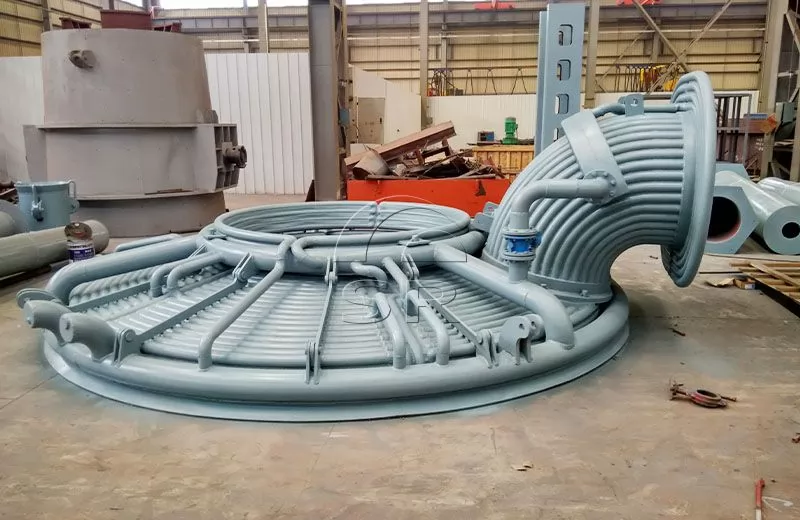
Generally, the furnace cover of the electric arc furnace adopts the tubular water-cooled closed tube furnace cover structure.
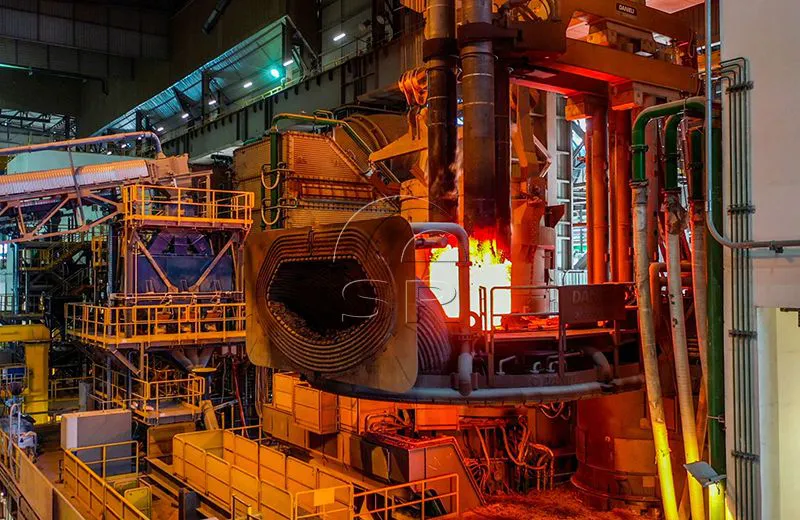
The electrode lifting mechanism of electric arc furnace is composed of conductive cross arm and electrode column device.
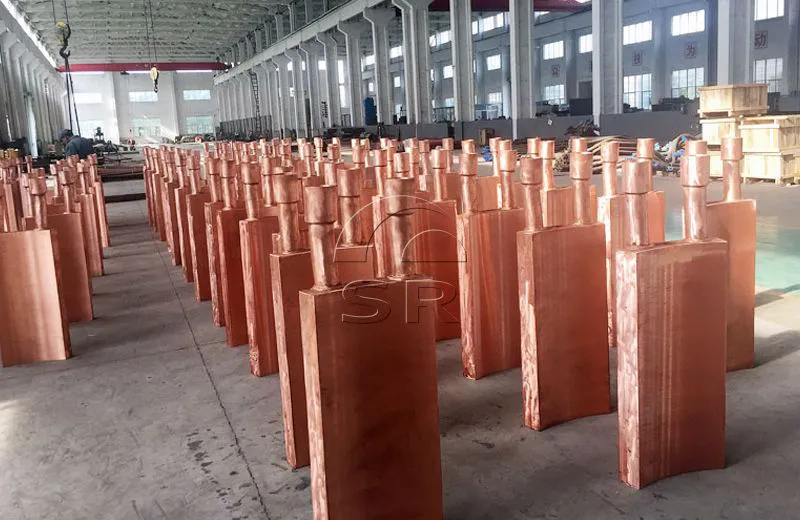
Forged copper tile is one of the main accessories in submerged arc furnace (silicon metal furnace, calcium carbide furnace and iron alloy furnace). It generates heat energy due to passing through large current at high temperature, and is easy to be damaged due to poor working environment.
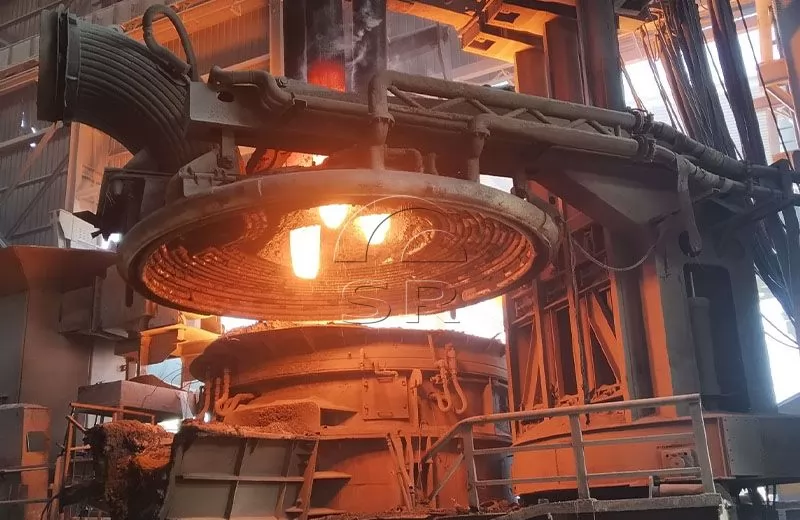
The furnace cover lifting and rotating device consists of a furnace cover lifting mechanism, a rotating mechanism and a rotating frame.
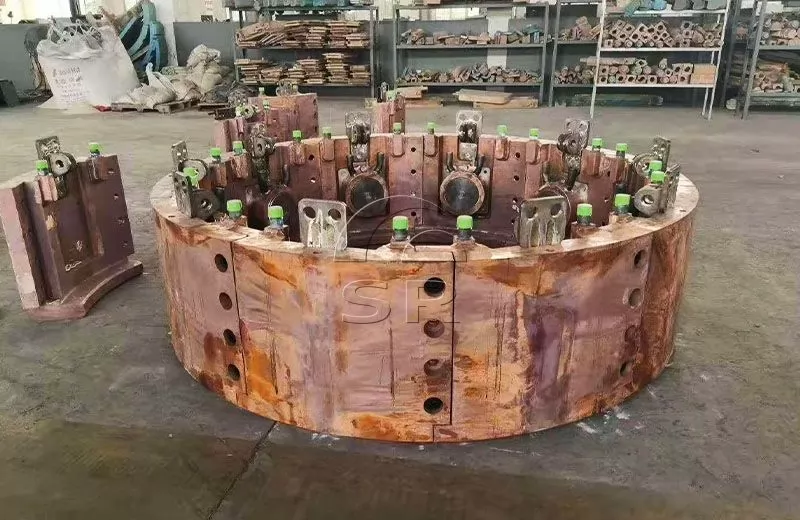
Submerged arc furnace pressure ring is used to monitor the change of air pressure in the furnace in real time, and adjust the air pressure automatically or manually according to the preset parameters to ensure the stability of air pressure in the furnace
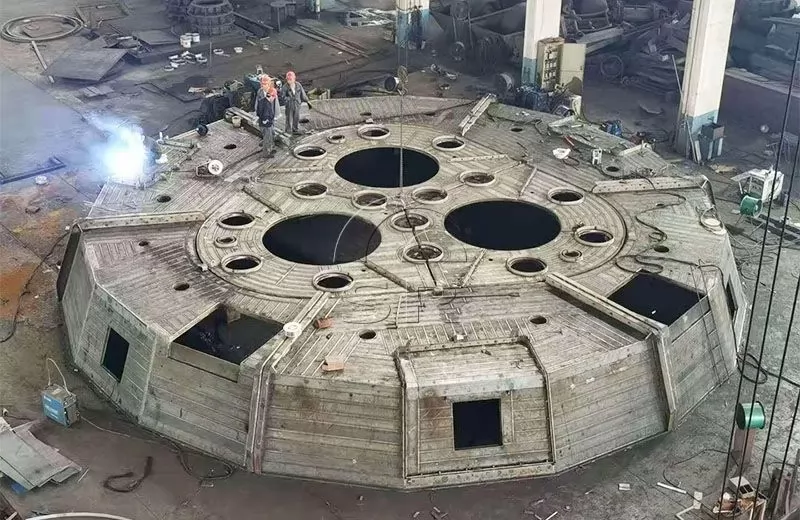
Submerged arc furnace water-cooled Roof is an important part of submerged arc furnace (also known as electric arc furnace, calcium carbide furnace or mining furnace), which is mainly used to close the top of furnace body and bear the high temperature and pressure in the furnace.
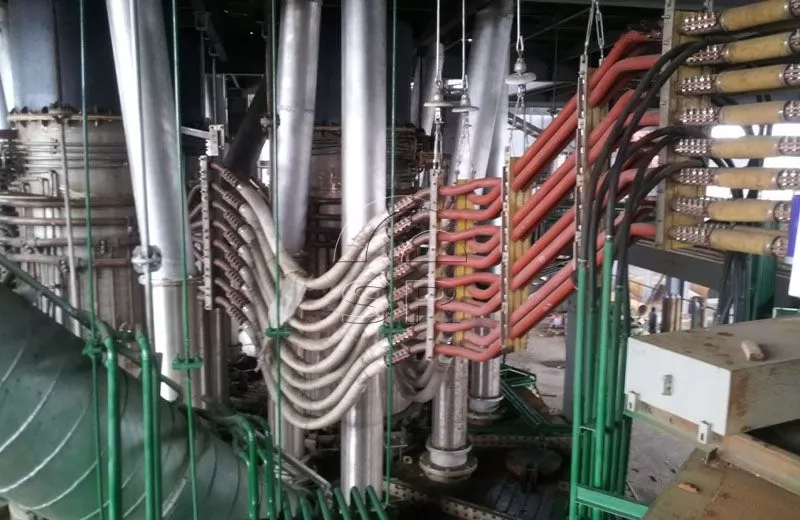
Short network bus systems), also known as high current line, refers to the general term of the carrier fluid from the secondary outlet terminal of the transformer to the electrode (including the electrode).
Navigation
E-mail: anna@srfurnace.com
Tel: +86 159 2955 5868
WhatsApp: +86 159 2955 5868
Add:
Room 422, 4th Floor, Building D, No. 5, Phase I, Fengdong Free Trade Industrial Park, Xixian New District, Shaanxi Province