Apr. 07, 2025
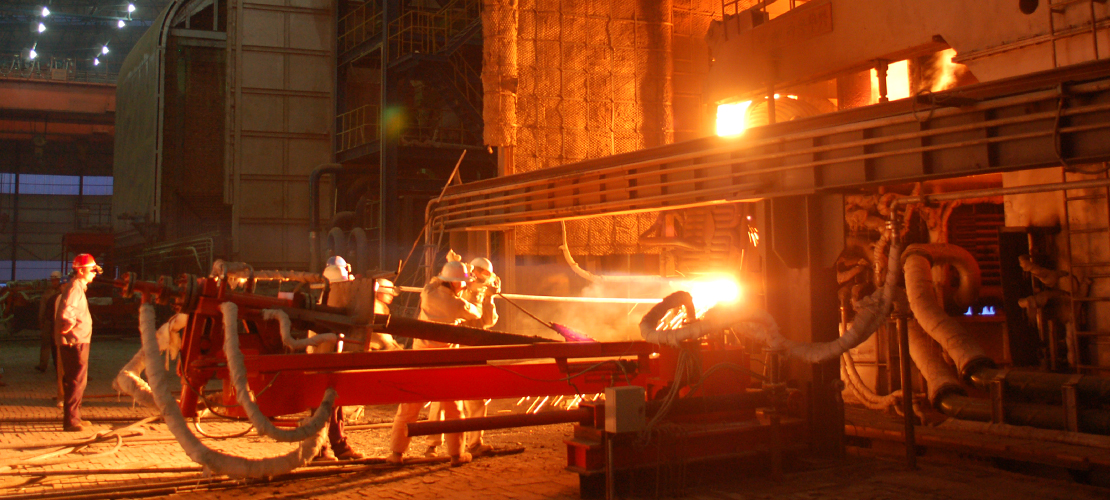
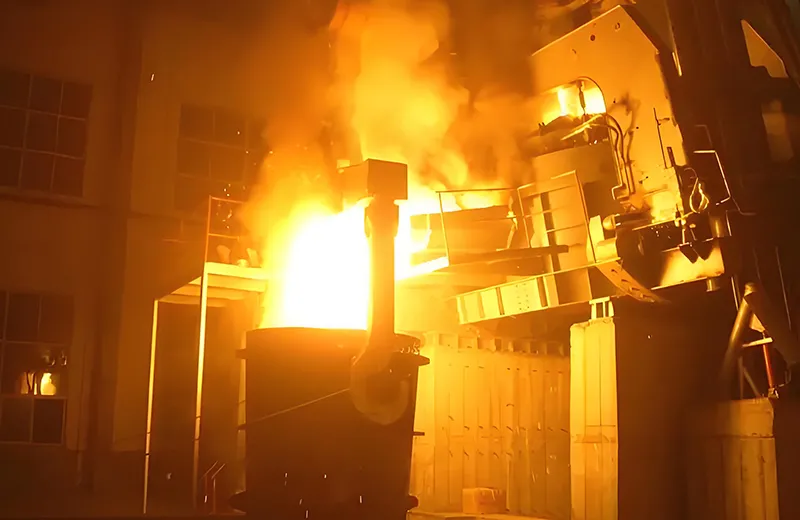
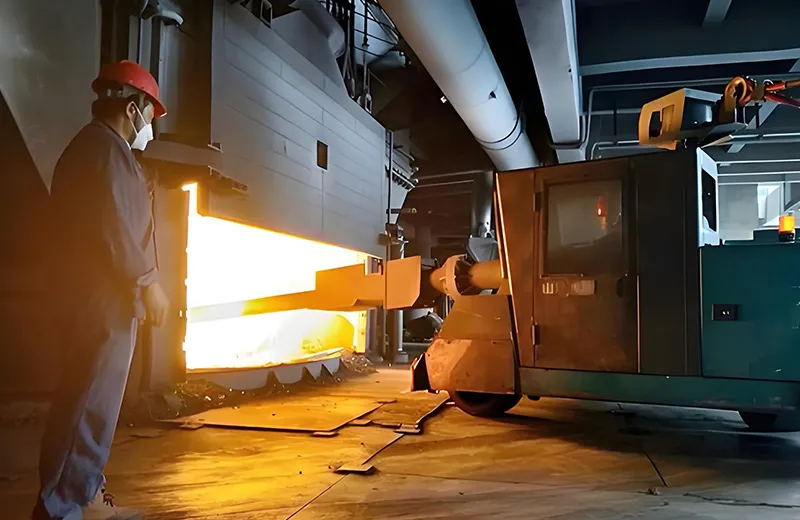
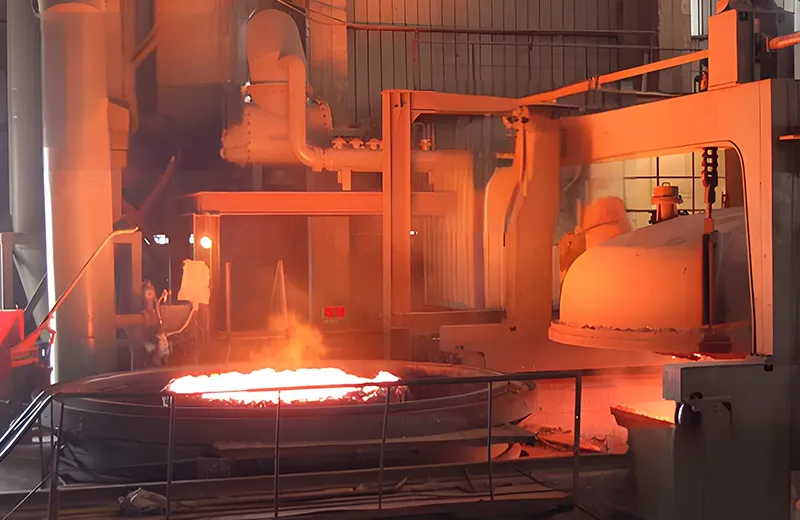
An Electric Arc Furnace (EAF) is a type of steelmaking furnace that uses electric arcs as the primary heat source to melt metal.
It is widely used in modern steel production due to its flexibility, high energy efficiency, and ability to utilize recycled materials.
Unlike traditional blast furnaces, which rely on fossil fuels for chemical reduction, electric arc furnaces mainly use electricity to melt scrap steel or direct reduced iron (DRI).
An electric arc furnace generates heat by creating an electric arc between graphite electrodes and the metal charge inside the furnace.
The basic process includes:
Charging scrap steel or DRI into the furnace
Lowering graphite electrodes to create electric arcs
Using intense arc heat (up to several thousand degrees Celsius) to melt the metal
Refining the molten steel before tapping
Because the electric arc provides concentrated and controllable heat, EAFs can achieve rapid melting and precise temperature control.
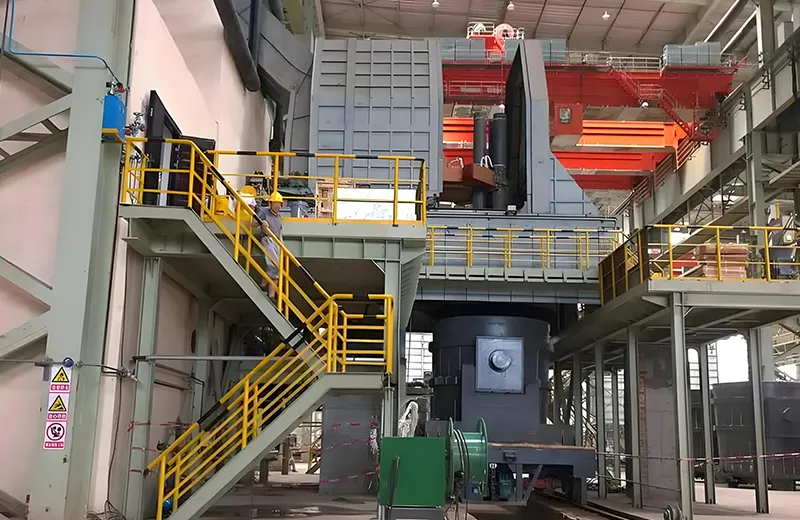
A typical electric arc furnace consists of several key components:
Furnace shell and refractory lining, designed to withstand extreme temperatures
Graphite electrodes, which generate the electric arc
Power supply and transformer, providing high-voltage electrical energy
Electrode regulation system, controlling arc stability and power input
Off-gas and dust collection system, improving energy recovery and environmental performance
These components work together to ensure efficient power usage and stable furnace operation.
Electric arc furnaces are widely used in:
Scrap-based steelmaking
Mini-mills and specialty steel plants
Production of carbon steel, alloy steel, and stainless steel
Facilities aiming to reduce carbon emissions and energy consumption
Thanks to their operational flexibility, EAFs can be easily started, stopped, and adjusted to match production demand, making them well-suited for modern steelmaking environments.
Because electric arc furnaces rely primarily on electricity rather than chemical fuels, power consumption is the most critical operating parameter when evaluating EAF performance.
Understanding what an electric arc furnace is — and how it works — provides essential context for analyzing:
How much power an EAF requires
Why power demand varies by furnace size and operation
How EAF power consumption can be optimized
The power demand of an electric arc furnace depends on the type, capacity, smelting materials and process stages of the industrial electric furnaces. Let's understand and analyze it together below:
In the steel industry, electric arc furnaces (EAFs) have become an important method in modern steel production due to their energy-saving, flexible, and suitability for scrap processing. According to industry research and statistics, the electricity consumption of EAFs has a defined range, and these data have become important benchmarks for technology evaluation and cost analysis.
The energy consumption of modern electric arc furnaces is typically between 300 and 700 kWh/ton. This range depends on factors such as furnace size, operating practices, and raw material conditions. 【1】
In most industrial EAFs, the typical level is concentrated in the range of 400-500 kWh/ton, which is also the core data used by most steel companies for internal energy efficiency benchmarking. 【2】
This energy consumption level is significantly advantageous compared to traditional blast furnace steelmaking, which has a total average energy demand of 5,500+ kWh/ton. 【3】
From a thermodynamic perspective, the theoretical minimum electricity requirement for melting 1 ton of scrap steel is approximately 300 kWh. However, in actual operation, factors such as heat loss within the furnace, slag formation, and auxiliary heating must also be considered.【4】
Ordinary electric arc melting furnace (30~100 tons capacity)
Unit power consumption: 350~600 kWh/ton steel
Total power demand: 40~100 MW (depending on the size of the furnace and the capacity of the transformer)
Smelting time: about 60~90 minutes/furnace (including melting, refining and other stages)
Large steelmaking electric arc furnace (more than 100 tons)
Power consumption may be as low as 300~450 kWh/ton (due to scale effect and efficient technology).
EAF consumes more electricity, but significantly less than ore-based steelmaking. The global average energy consumption for crude steel production is approximately 5,555 kWh/ton, while EAF requires only about 400 kWh/ton.
Electric arc furnaces rely on electricity (usually from the grid), while blast furnace steelmaking relies on fossil fuels such as coal and coke, resulting in very different energy mixes and cost structures.
Melting Period (Highest Power Consumption):
Accounting for 60%~70% of the total power consumption, and the power peak can reach 80%~100% of the rated capacity of the industrial electric furnaces.
For example, a 50-ton electric arc furnaces may require 60-80 MW of instantaneous power during the melting period.
Refining Period:
The power is reduced to 30%-50%, mainly for temperature control and composition adjustment.
Raw material quality: High-purity, dense scrap steel is easier to melt and consumes less energy; while scrap steel mixed with impurities increases energy consumption. High purity scrap or hot-charged hot metal (DRI/HBI) can reduce power consumption by 10%-20%.
Process configuration: Modern EAF uses technologies such as preheated scrap steel and intelligent arc control, which can significantly reduce energy consumption per unit of production capacity.
Oxygen-fuel melting and scrap preheating (such as Consteel process) can reduce power consumption to 280-400 kWh/ton.
Ultra-high power (UHP) electric arc furnace shorten time and improve energy efficiency through high current.
A stable power supply can improve arc stability and reduce energy loss. Stable high-voltage power supply (usually 10-35 kV) is required, and dynamic reactive power compensation (SVC) is equipped to suppress flicker.
Reducing power consumption is a key objective for electric arc furnace (EAF) operators, as electricity represents a major portion of steelmaking operating costs.
Modern EAF technology and optimized operating practices can significantly lower specific energy consumption without sacrificing productivity or steel quality.
Scrap quality has a direct impact on EAF power consumption.
Clean, dense, and well-classified scrap melts more efficiently and reduces arc time.
Key best practices include:
Using high-density scrap to improve heat transfer
Minimizing contaminants such as rust, moisture, and non-metallic materials
Optimizing scrap mix to ensure stable melting behavior
Poor scrap quality increases melting time and energy losses, leading to higher electricity consumption per ton of steel.
Scrap preheating is one of the most effective methods to reduce EAF electricity demand.
By recovering waste heat from off-gas systems, preheated scrap enters the furnace at elevated temperatures, reducing the energy required for melting.
Technologies such as:
Shaft furnaces
Consteel or continuous charging systems
can reduce electrical energy consumption by 10–20% compared to conventional batch charging.
Advanced arc control systems improve the stability and efficiency of the electric arc.
Energy savings can be achieved by:
Maintaining optimal arc length
Reducing arc flare and power fluctuations
Using intelligent electrode regulation systems
Stable arc conditions improve heat transfer to the scrap and shorten tap-to-tap time, directly lowering power consumption.
Heat losses through furnace walls, roof, and openings contribute significantly to total energy waste.
Power consumption can be reduced by:
Using high-performance refractory materials
Minimizing roof opening and door opening time
Improving furnace sealing and insulation
Modern furnace designs focus on retaining heat inside the furnace and maximizing energy utilization.
Operational discipline plays a critical role in energy efficiency.
Best practices include:
Optimizing tap-to-tap time
Coordinating oxygen injection and carbon addition
Using real-time process monitoring and automation systems
Consistent and well-controlled operations reduce unnecessary energy input and improve overall furnace efficiency.
By combining optimized raw materials, advanced furnace technology, and disciplined operating practices, steel producers can significantly reduce electric arc furnace power consumption.
Lower energy use not only reduces operating costs but also supports environmental and sustainability goals.
Electric Arc Furnaces (EAFs) rely almost entirely on electrical energy to melt scrap steel or direct reduced iron, making electricity consumption the most significant component of their operating cost. In industrial practice, modern EAFs typically consume approximately 350–600 kWh of electricity per ton of liquid steel, depending on furnace size, raw material quality, and process efficiency.
Assuming an average electricity price of USD 0.10 per kWh, the direct electricity cost for EAF steelmaking can be estimated as follows:
350 kWh/t × $0.10/kWh ≈ $35 per ton of steel
450 kWh/t × $0.10/kWh ≈ $45 per ton of steel
600 kWh/t × $0.10/kWh ≈ $60 per ton of steel
This indicates that, under typical operating conditions, electricity alone contributes approximately USD 35–60 per ton of steel. Variations within this range are primarily driven by furnace efficiency, arc stability, power input control, and the proportion of auxiliary electrical equipment such as ladle furnaces and scrap preheating systems.
From an environmental perspective, the carbon footprint of an Electric Arc Furnace is closely linked to its electricity consumption and the carbon intensity of the power grid. Unlike combustion-based processes, the EAF itself does not directly generate large quantities of CO₂; instead, emissions are associated with upstream power generation.
For a typical EAF consuming 350–600 kWh per ton of steel, and depending on whether the electricity is sourced from fossil-fuel-dominated or cleaner energy grids, the resulting carbon emissions generally fall within the range of approximately 0.4–0.6 tons of CO₂ per ton of steel.
Lower values are achievable when electricity is supplied by low-carbon or renewable energy sources.
Higher values occur when the power grid relies heavily on coal-fired generation.
Because the EAF’s emissions scale almost linearly with electricity consumption, improvements in energy efficiency directly translate into both cost savings and emission reductions, making energy optimization a critical focus in modern EAF operations.
In Electric Arc Furnace steelmaking, energy efficiency directly links economic performance with environmental impact. Measures such as improved arc control, optimized power input profiles, high-quality scrap selection, and reduced melting time can simultaneously:
Lower total electricity consumption per ton of steel
Reduce operating costs
Decrease indirect CO₂ emissions associated with electricity generation
As a result, reducing EAF-specific energy consumption is one of the most effective strategies for improving both the economic and environmental performance of electric steelmaking operations.
Understanding how much power an electric arc furnace requires becomes more meaningful when compared with traditional steelmaking technologies.
The blast furnace route and the electric arc furnace route differ fundamentally in energy source, process complexity, and overall efficiency.
Electric Arc Furnaces primarily use electricity to melt scrap steel or direct reduced iron (DRI).
Because the raw material is already in metallic form, the process focuses mainly on melting rather than chemical reduction.
Typical energy consumption for modern EAF steelmaking ranges from 350 to 500 kWh per ton of steel, which corresponds to approximately 1.3–1.8 GJ per ton.
Advanced EAF systems with scrap preheating, optimized furnace design, and intelligent arc control can achieve even lower specific energy consumption.
Blast furnace steelmaking relies on coke and coal to chemically reduce iron ore into molten iron.
This process involves multiple high-temperature stages, including coking, sintering, ironmaking, and basic oxygen refining.
As a result, the total energy consumption of the blast furnace route typically reaches 18–22 GJ per ton of steel, equivalent to approximately 5,000–6,100 kWh per ton.
Significant thermal losses are inherent to this process, making it far more energy-intensive than EAF steelmaking.
| Parameter | Electric Arc Furnace (EAF) | Blast Furnace Route |
|---|---|---|
| Primary energy source | Electricity | Coke and coal |
| Energy consumption | 350–500 kWh/t | 5,000–6,100 kWh/t |
| Total energy input | 1.3–1.8 GJ/t | 18–22 GJ/t |
| Energy efficiency | High | Relatively low |
| CO₂ emission intensity | Low (depends on power mix) | High |
On a per-ton basis, electric arc furnace steelmaking typically consumes 60–75% less total energy than the traditional blast furnace route.
The key reason for the energy advantage of EAF lies in raw material and process differences:
Blast furnaces must chemically reduce iron ore, a reaction that consumes large amounts of energy.
EAFs primarily melt scrap steel, eliminating the need for energy-intensive reduction reactions.
In addition, EAF steelmaking involves fewer process steps and lower heat losses, resulting in higher overall energy efficiency.
Because electric arc furnaces mainly rely on electricity, their environmental impact depends largely on the power source.
When supplied with low-carbon or renewable electricity, EAF steelmaking can achieve very low direct CO₂ emissions.
In contrast, blast furnace steelmaking is inherently dependent on fossil fuels, making deep decarbonization more challenging.
This energy and emissions advantage is one of the main reasons why EAF technology is increasingly favored in modern and sustainable steel production.
The power requirement of an Electric Arc Furnace (EAF) depends on multiple technical and operational factors, including raw material quality, furnace size and design, arc stability, operating practices, and electrical supply conditions. Clean and dense scrap, stable arcs, efficient process control, and modern furnace designs generally result in lower electricity consumption per ton of steel.
A typical industrial electric arc furnace consumes approximately 350–600 kWh of electricity per ton of liquid steel. High-efficiency EAFs operating under optimized conditions can achieve values closer to the lower end of this range, while older or less optimized furnaces may consume more.
Electric arc furnaces require very high instantaneous power input. Depending on furnace capacity, the transformer rating typically ranges from 20 MW to over 150 MW. Larger furnaces use higher power levels to reduce melting time and improve productivity, even if total energy consumption per ton remains controlled.
Larger electric arc furnaces usually have lower specific energy consumption (kWh per ton) due to better thermal efficiency and reduced relative heat losses. Smaller furnaces often show higher energy consumption per ton because fixed losses represent a larger share of total input energy.
EAF power consumption can be reduced through:
High-quality and well-prepared scrap
Optimized power input and arc control systems
Scrap preheating and hot heel operation
Oxygen injection and chemical energy utilization
Shorter tap-to-tap times and improved process automation
Energy efficiency improvements directly lower operating costs and carbon emissions.
If electricity costs USD 0.10 per kWh, and the EAF consumes 350–600 kWh per ton, the electricity cost is approximately USD 35–60 per ton of steel. Actual costs vary depending on local electricity prices and furnace efficiency.
Electric arc furnace steelmaking typically emits about 0.4–0.6 tons of CO₂ per ton of steel, depending on the carbon intensity of the electricity grid. Since emissions are closely tied to electricity use, cleaner power sources and higher energy efficiency significantly reduce the EAF carbon footprint.
Latest News
Latest Products
Customized metallurgical machinery and equipment range: Electric Arc Furnace, Submerged Arc Furnace, LF Refining Furnace, Vacuum Furnace, Induction Furnace, Dust Remove System, Water Treatment Equipment, etc. Providing the most advanced equipment integration services, metallurgical equipment can be customized according to different needs of customers, and production capacity can be adjusted according to customer requirements.
Electric Arc Furnace
Submerged Arc Furnace
LF Refining Furnace
VD / VOD Vacuum Refining Furnace
Induction Furnace
Furnace Accessories
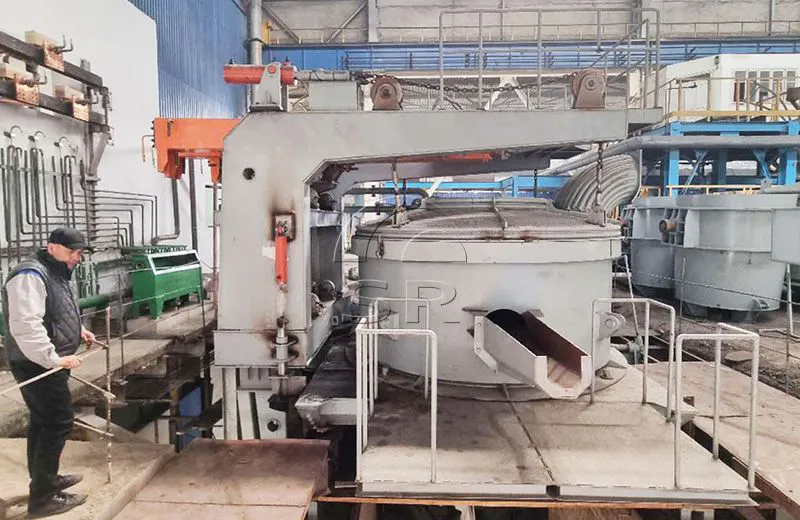
The 5 ton electric arc furnace for steel-making is a special purpose equipment that makes ordinary steel, quality carbon steel, alloy steel and non-corrosive steel with electric arc as heat source and scrap steel (iron) as raw material.
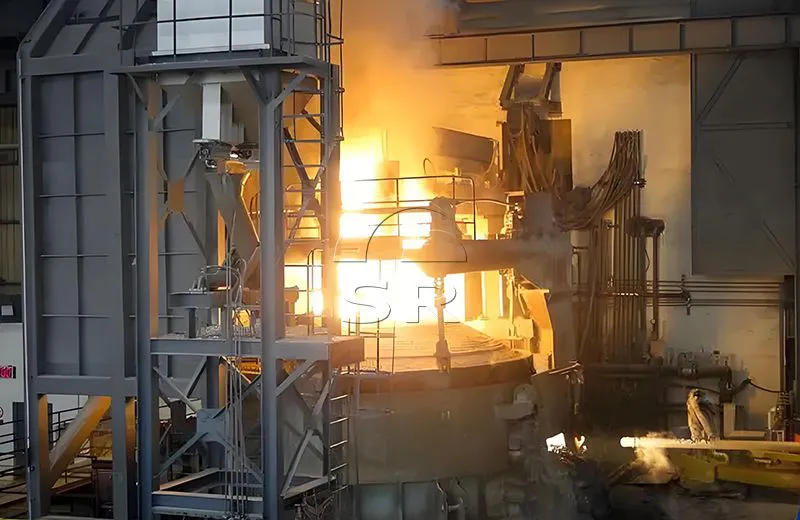
15-ton electric arc furnace is used for the short-process steelmaking process, using 100% scrap steel or scrap steel + molten iron (pig iron), or scrap steel + sponge iron (DRI) as raw materials for steelmaking.
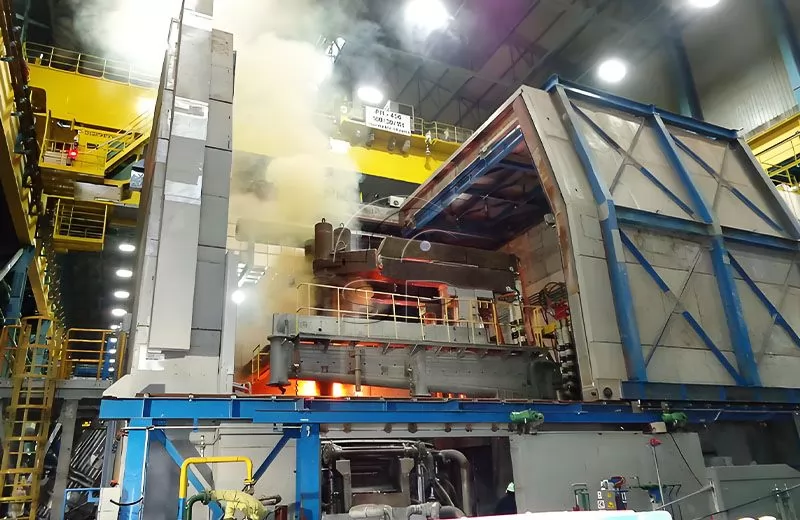
The 30-ton AC electric arc furnace is used to melt scrap steel to produce steel. Electrical energy is used to melt scrap steel. An arc forms between the charged material and the electrode.
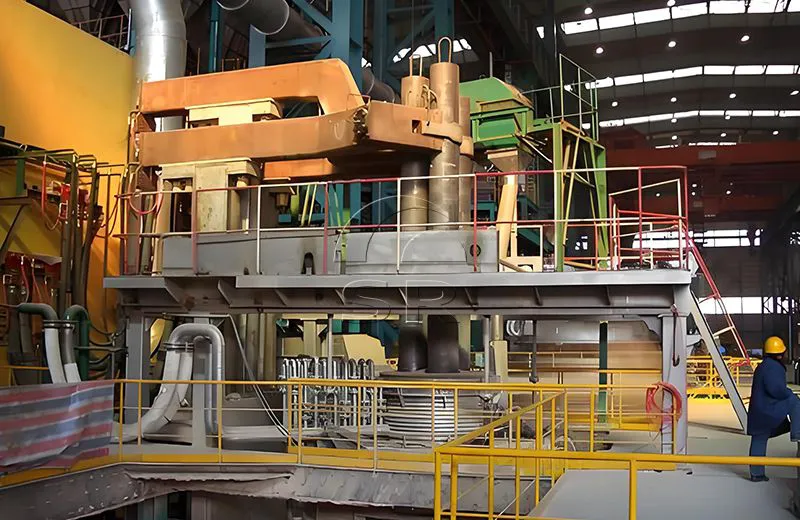
30 Ton electric arc furnace is used for steelmaking short process smelting, using 100% scrap steel or scrap steel + molten iron (pig iron), or scrap steel + sponge iron (DRI) as raw materials for steelmaking.
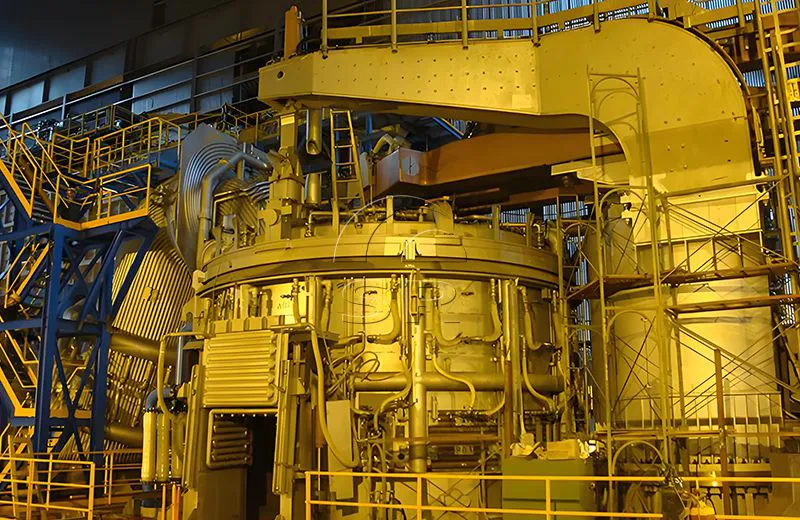
The 50-ton ultra-high power electric arc furnace (50TUPH EAF) adopts ultra-high power, high impedance technology, bottom tapping technology (ETB), furnace wall oxygen oil burner and furnace door carbon-oxygen gun technology.
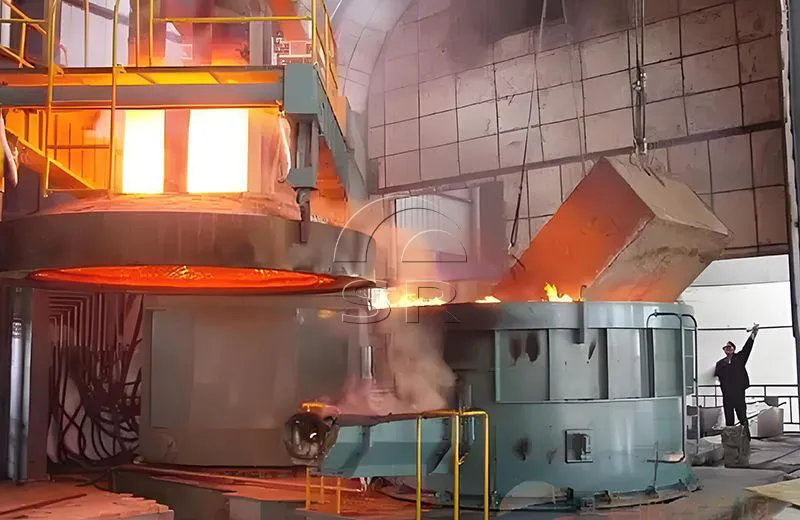
DC electric arc furnace is an electric arc furnace supplying electric energy with DC power supply. There is only one electrode on the top of the DC arc furnace, which is the negative electrode, and the bottom electrode is the positive electrode.
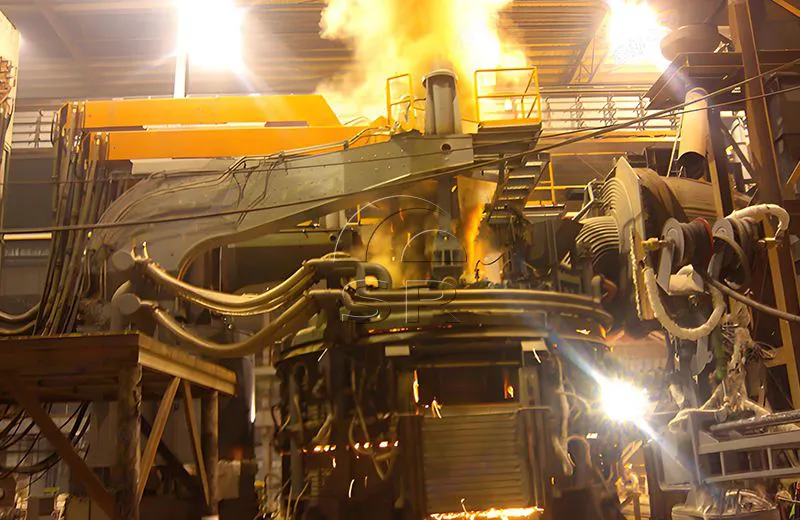
Electric arc furnaces are used to melt scrap steel for steel production. Electrical energy is used to melt scrap steel. An arc forms between the charged material and the electrode. The heat generated by the arc melts the scrap.
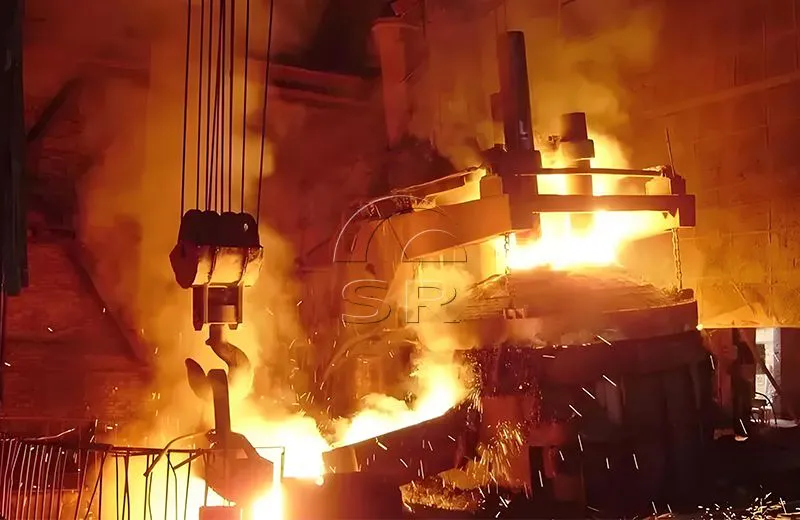
Electric arc furnace steel making is a steelmaking method that uses the thermal effect of electric arc to heat the charge for melting.
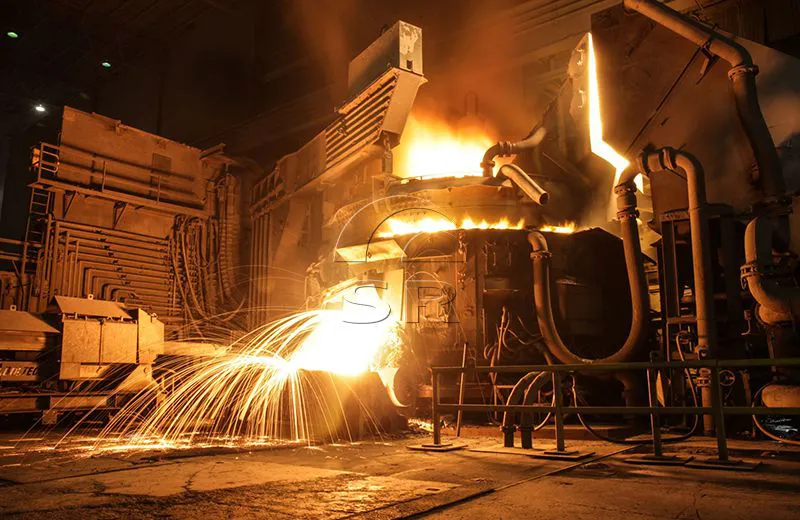
Ultra-high power electric arc furnace mainly changes the arc characteristics of high voltage and long arc to the arc characteristics of high current, low voltage and short arc
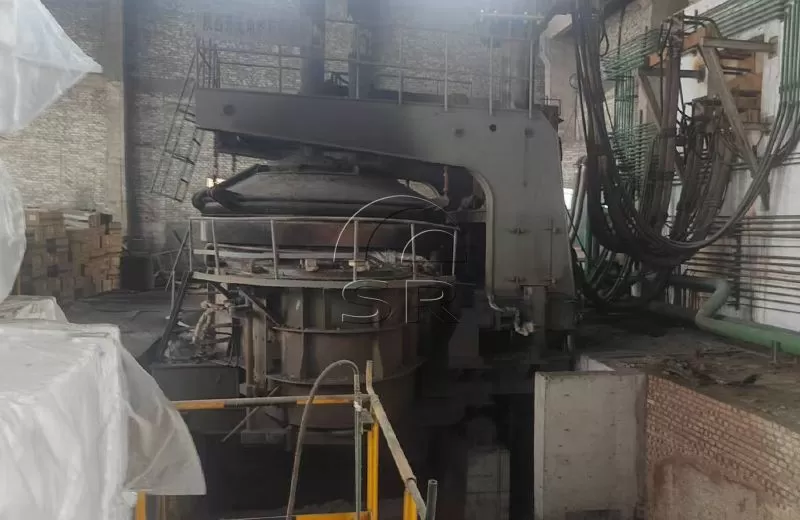
1 ton electric arc furnace is used for melting steel and titanium scrap metal. The principle of electric arc furnace is based on the generation of direct current, which converts electrical energy into heat energy through electrodes to melt the metal.
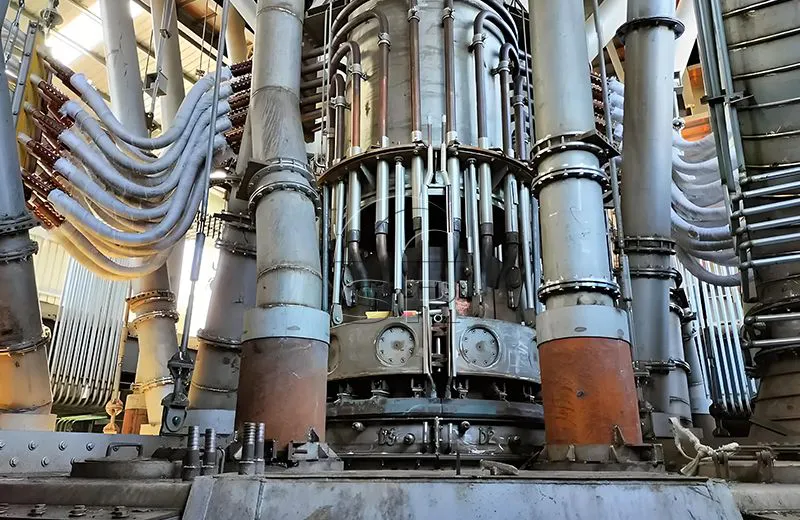
The closed pig iron furnace (submerged arc furnace iron making) is a non-blast furnace iron making method. Under the premise of guaranteeing the power supply, it is easy to solve the problem by using the reducing agent required by the submerged arc furnace iron making.
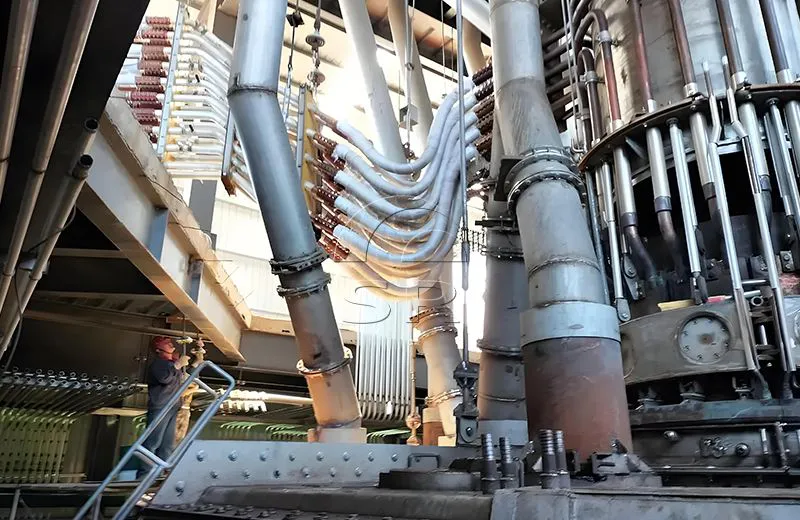
The main mechanical device design of Sanui ferroalloy refining furnace combines China's national conditions and draws on international advanced technologies such as Demark and Pyremate.
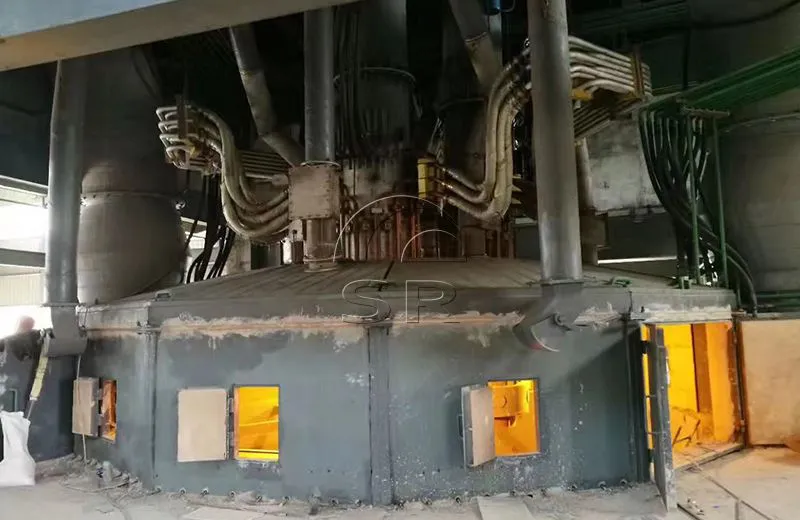
The Ferronickel submerged arc furnace is a special submerged arc furnace used for smelting nickel-iron alloy. Its main function is to add nickel ore, carbonaceous reducing agent (such as coke) and limestone and other raw materials into the furnace in a certain proportion
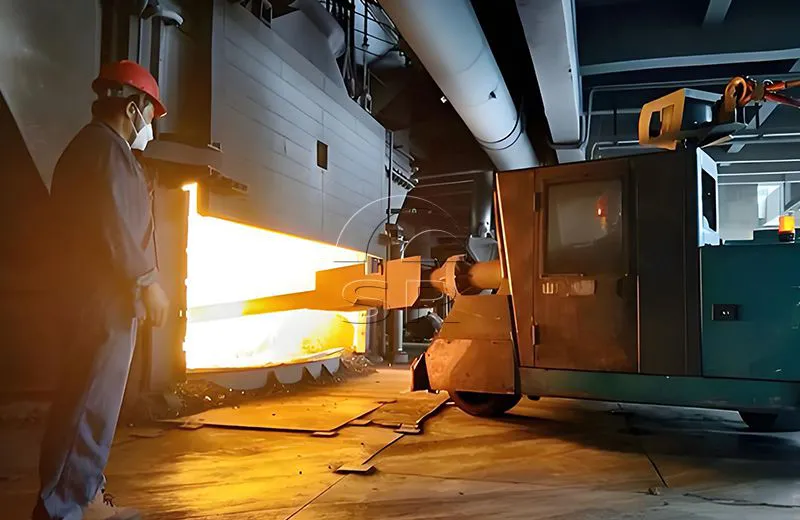
The main mechanical device design of Sanui ferrosilicon furnace combines China's national conditions and draws on international advanced technologies such as Demark and Pyremate.
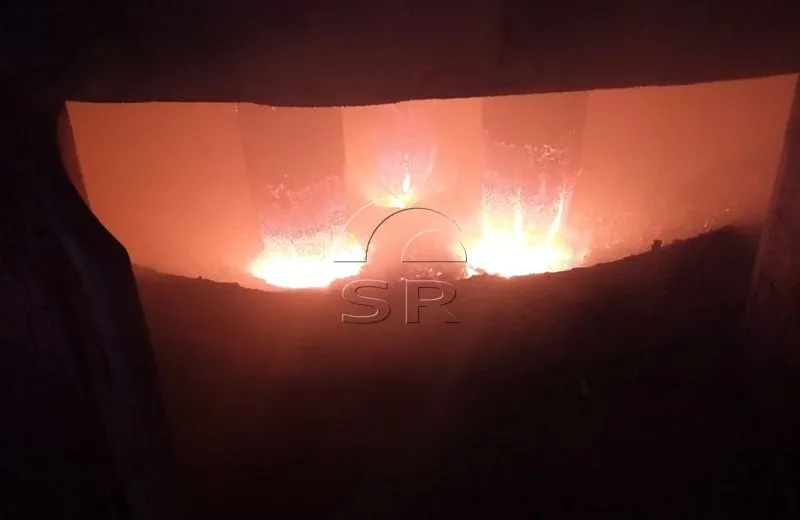
The main mechanical device design of Sanui high carbon ferrochrome furnace combines China's national conditions and draws on international advanced technologies such as Demark and Pyremate.
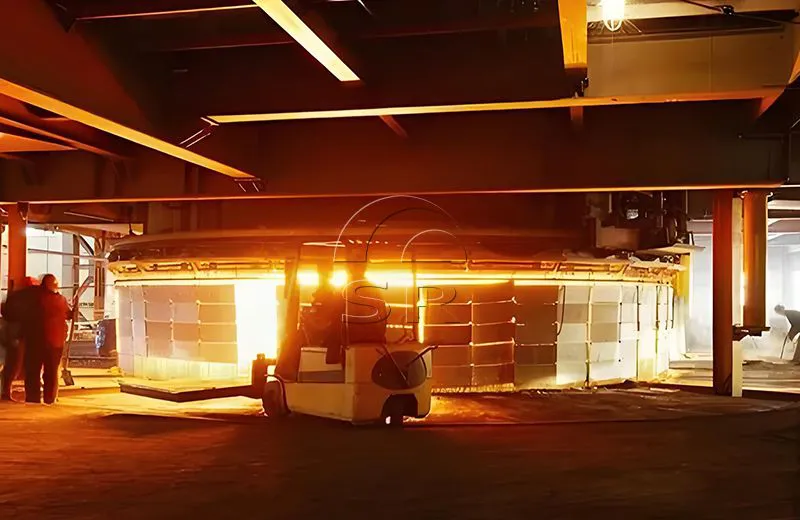
Industrial silicon submerged arc furnace is an important equipment in silicon ore processing, playing a key role in the silicon industry.
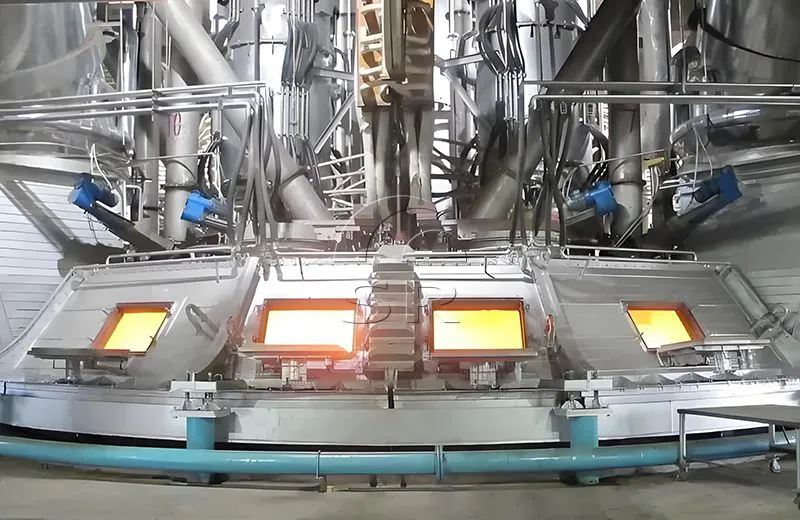
The manganese silicon alloy furnace is mainly used to smelt silicon-manganese alloy, which is an alloy containing silicon and manganese.
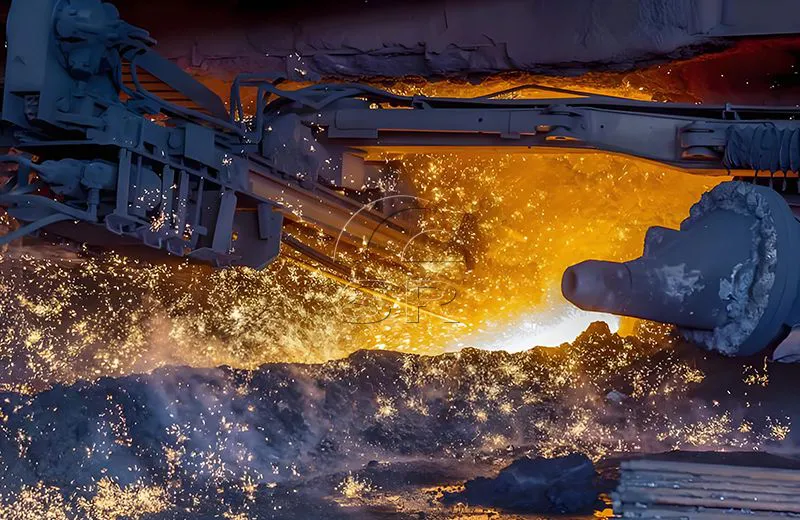
The design of the submerged arc furnace main mechanical device by Sanui is based on China's national conditions and draws on international advanced technologies such as Demark and Perlmutter.
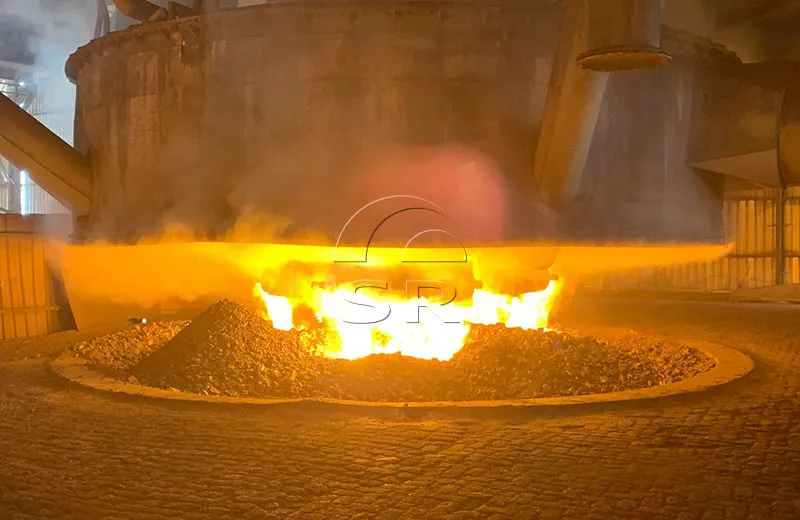
Submerged electric arc furnace is mainly used for reducing and smelting raw materials such as ore, carbonaceous reducing agent and solvent. It mainly produces ferroalloys such as ferrosilicon, ferromanganese, ferrochrome, ferrotungsten, silicon-manganese alloy, etc.
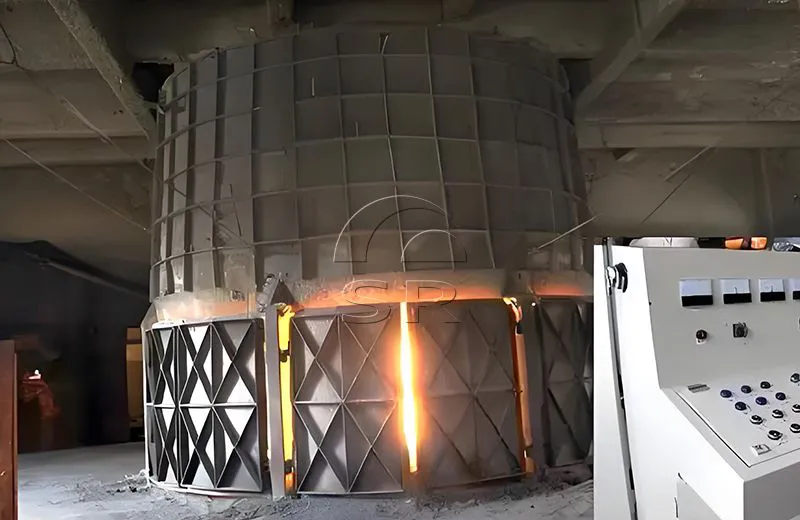
Titanium slag production adopts titanium slag electric furnace (circular furnace and rectangular furnace according to its shape) smelting process.
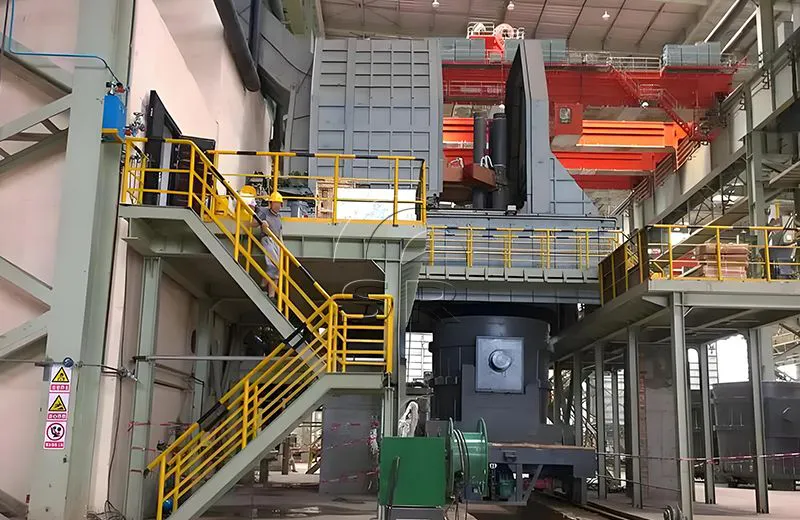
The LF 20 T ladle refining furnace has the functions of arc heating under normal pressure, argon blowing and stirring at the bottom of the ladle, and reducing slag making in the ladle.
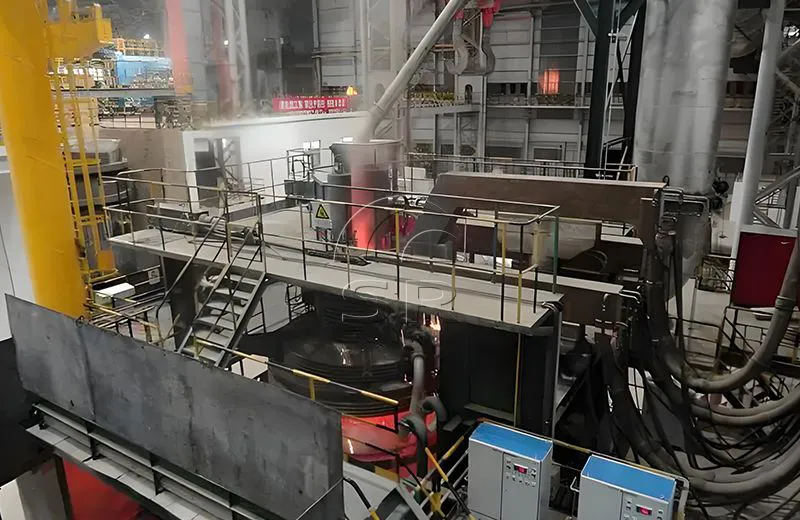
LF ladle refining furnace is a bottom-blown argon ladle furnace with three-phase submerged arc heating under normal pressure. It is a device for refining molten steel in a ladle.
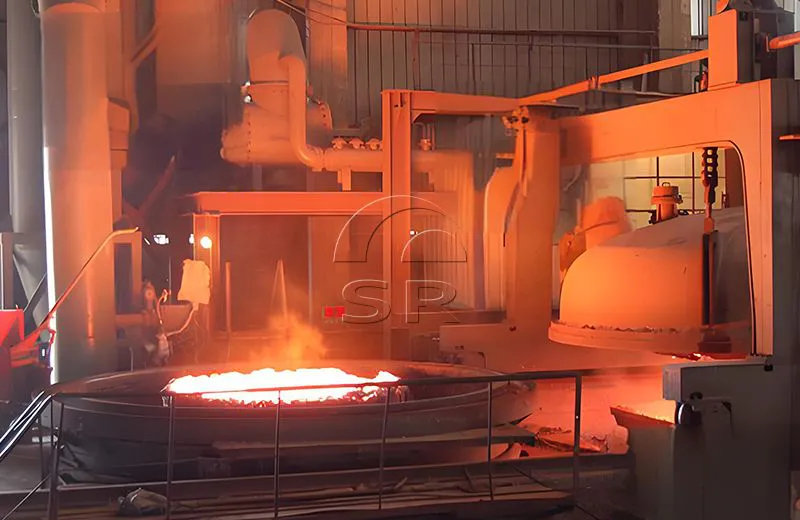
VD vacuum refining furnace is a commonly used refining process equipment, mainly used for deoxidation, impurity removal and other operations of molten steel, so as to obtain high purity, low impurity content of high quality steel.
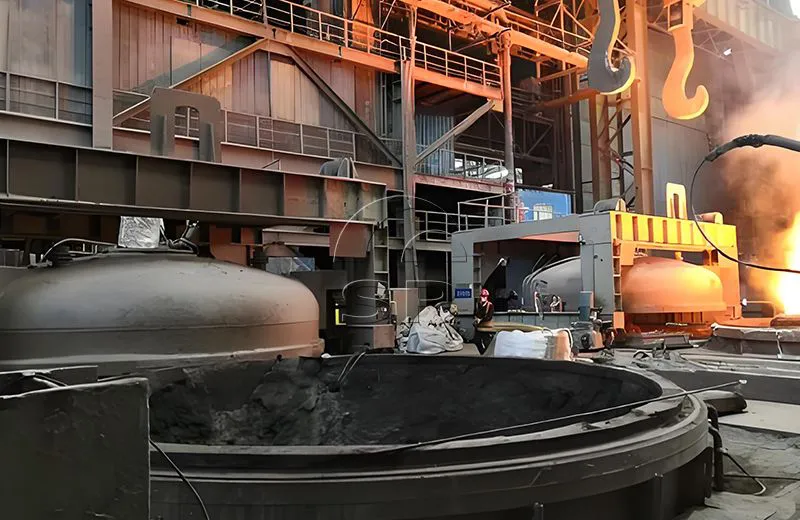
VOD vacuum refining furnace has multiple functions such as vacuum degassing, oxygen blowing decarburization, vacuum charging, argon blowing stirring, non-vacuum temperature measurement sampling, wire feeding, etc.
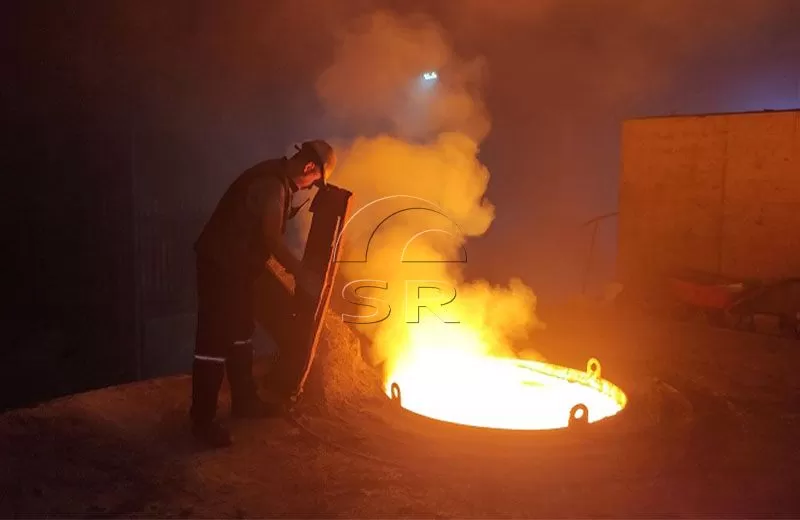
The cast steel melting induction furnace has outstanding advantages in heat penetration or melting soft magnetic alloys, high resistance alloys, platinum group alloys, heat-resistant, corrosion-resistant, wear-resistant alloys and pure metals.
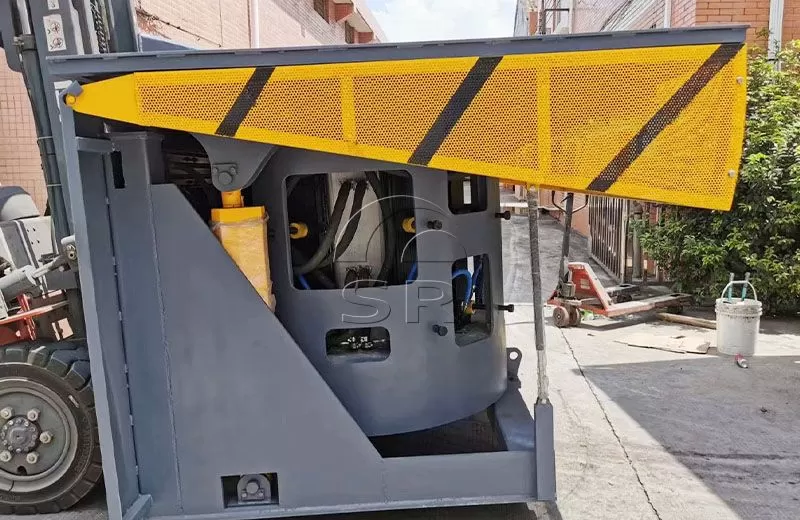
Metal silicon smelting furnace is a metal silicon medium frequency melting furnace, which consists of furnace body, water and electricity introduction system, furnace tilting device, etc. It has fast melting temperature rise, easy to control furnace temperature and high production efficiency.
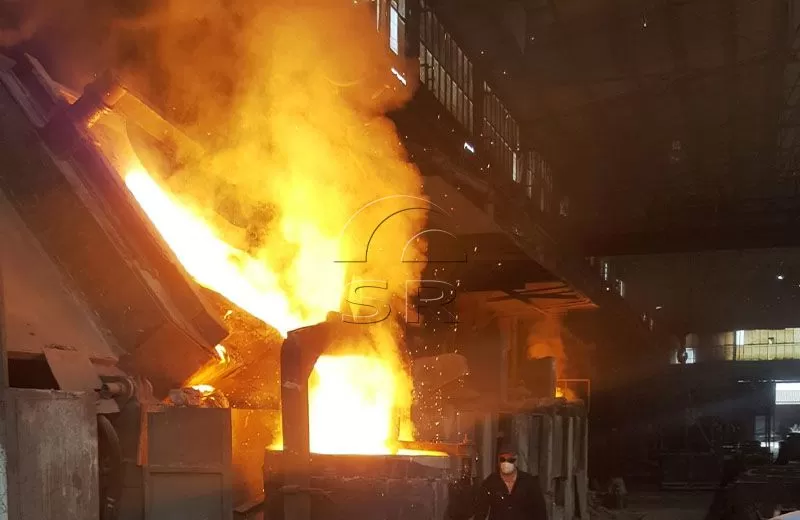
Medium frequency induction furnace mainly used for melting steel, alloy steel, special steel, stainless steel, and can also be used for melting and casting non-ferrous metals such as copper, aluminum, lead, zinc, etc. The customized range of induction furnaces sold by Sanrui ranges from 0.1 tons to 10 tons.
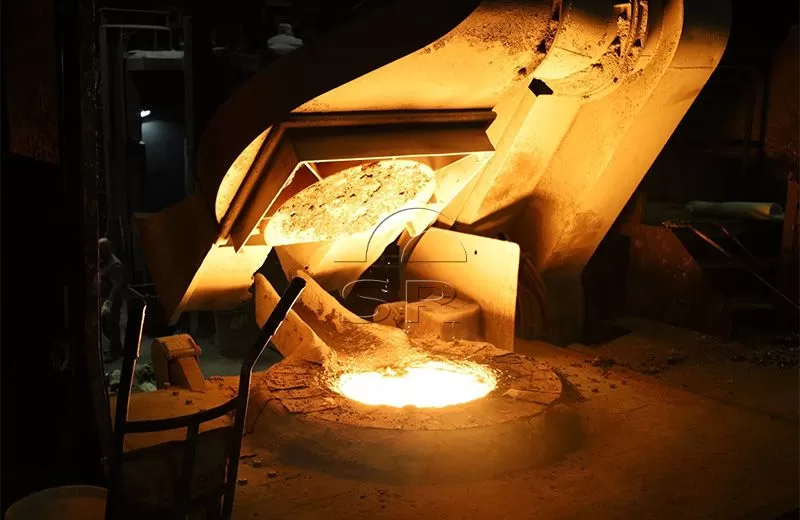
Medium frequency induction furnaces are mainly used for melting steel, alloy steel, special steel, stainless steel, and can also be used for melting and casting non-ferrous metals such as copper, aluminum, lead, and zinc.
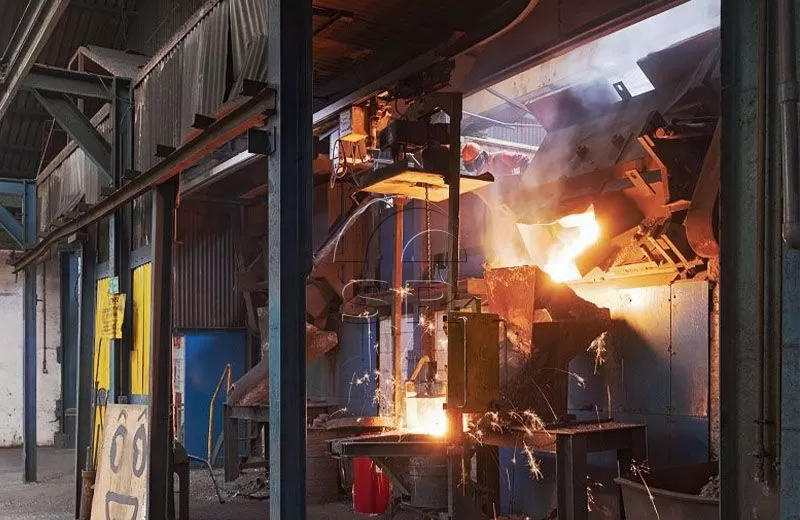
Medium frequency aluminum melting furnace is used for melting and heating aluminum, scrap aluminum, aluminum ingots, and aluminum alloys; The melting capacity ranges from 100KG to 3000KG.
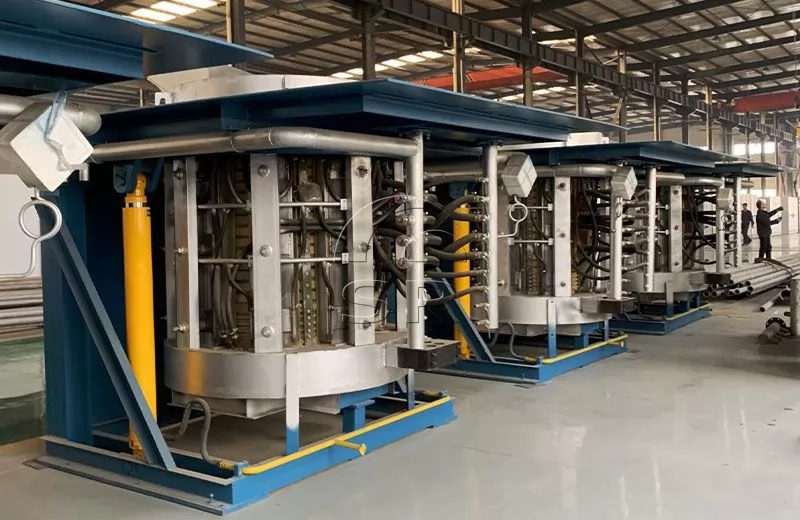
An induction furnace is an electric furnace that uses the induction electrothermal effect of the material to heat or melt the material. The main components of an induction furnace are sensors, furnace body, power supply, capacitors and control system.
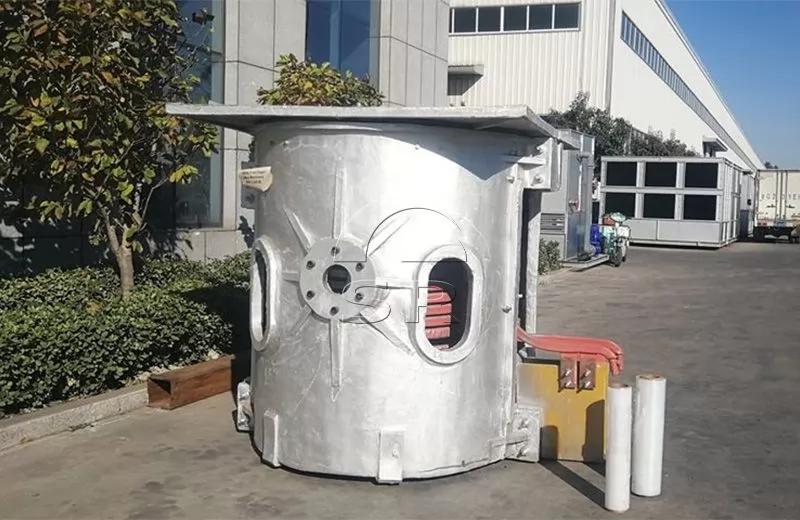
The 3-ton medium frequency coreless induction furnace adopts a 6-phase 12-pulse double rectifier control system. A 2000KVA special rectifier transformer is used for the 2000KW medium frequency power supply.
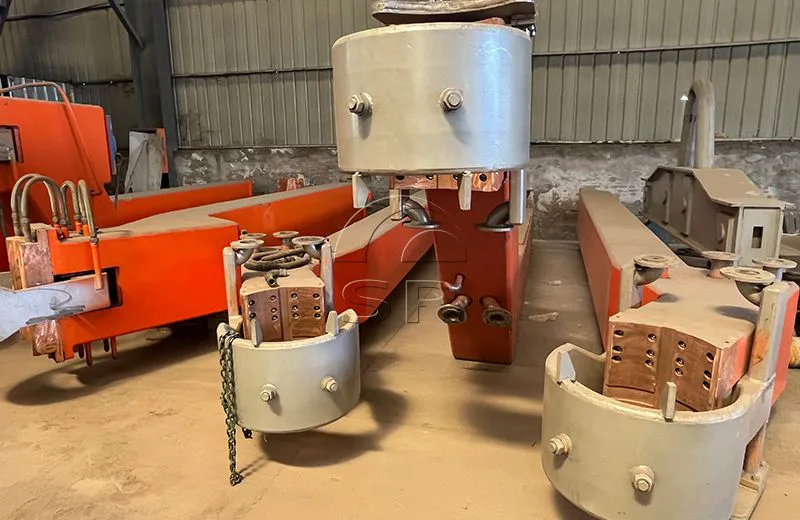
The conductive arm of an electric arc furnace (EAF) is primarily composed of the front electrode conductive arm holder, a water-cooled clamping ring, the arm body, and the rear conductive copper plate.
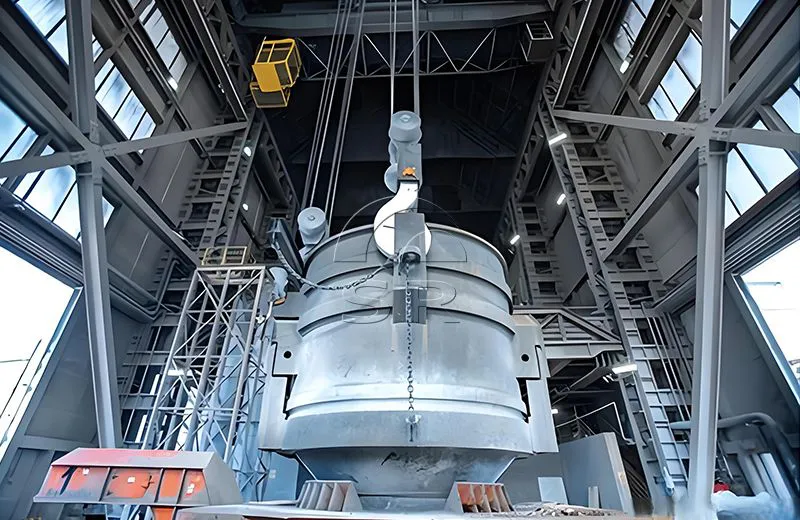
The scrap charging basket of the electric arc furnace is mainly used for loading and conveying raw materials such as scrap steel into the electric arc furnace for smelting.
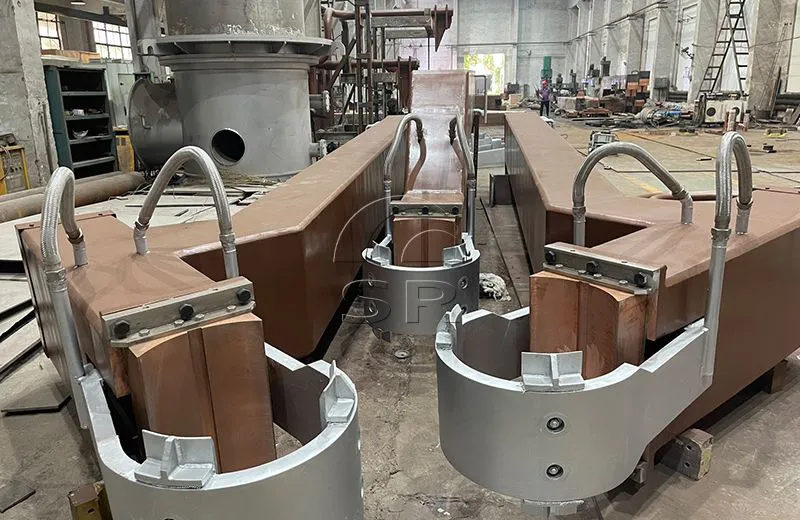
There are many insulation links between the EAF electrode holder and the conductive cross arm body, which greatly simplifies the cconductive cross arm structure and is a new type of electrode arm on the ultra-high power arc furnace.
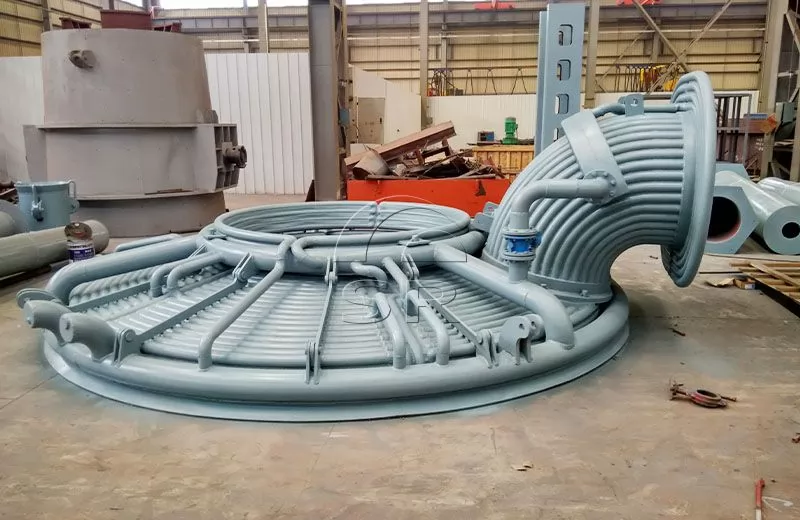
Generally, the furnace cover of the electric arc furnace adopts the tubular water-cooled closed tube furnace cover structure.
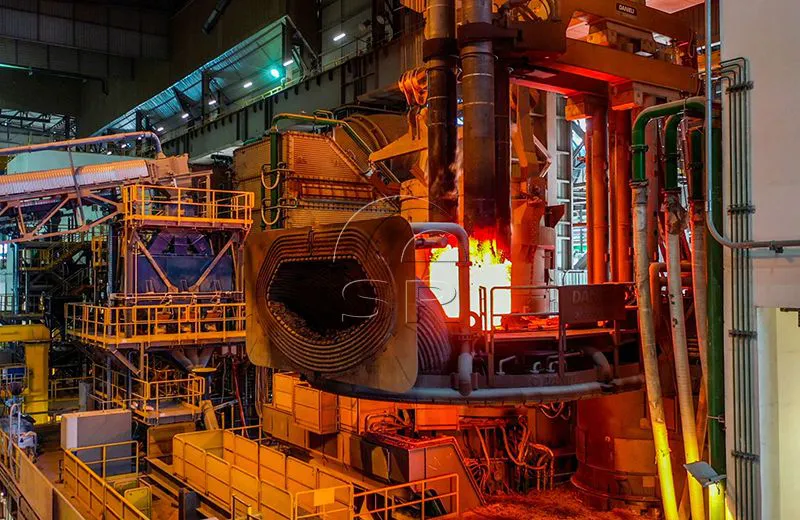
The electrode lifting mechanism of electric arc furnace is composed of conductive cross arm and electrode column device.
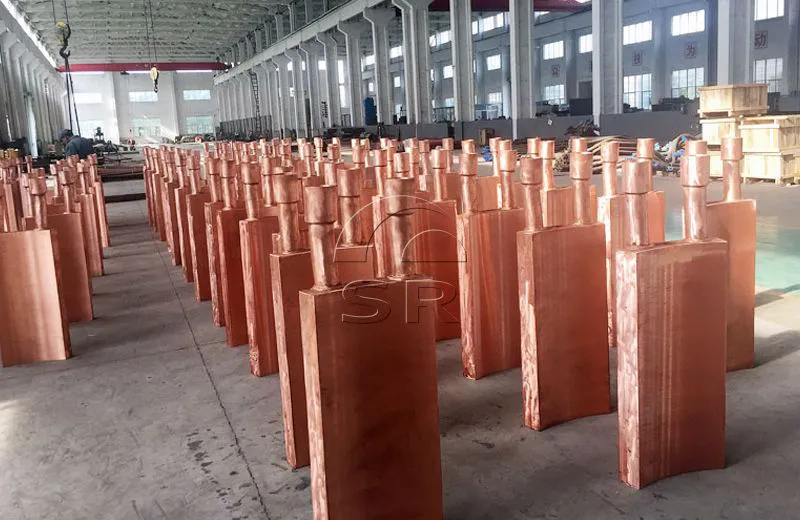
Forged copper tile is one of the main accessories in submerged arc furnace (silicon metal furnace, calcium carbide furnace and iron alloy furnace). It generates heat energy due to passing through large current at high temperature, and is easy to be damaged due to poor working environment.
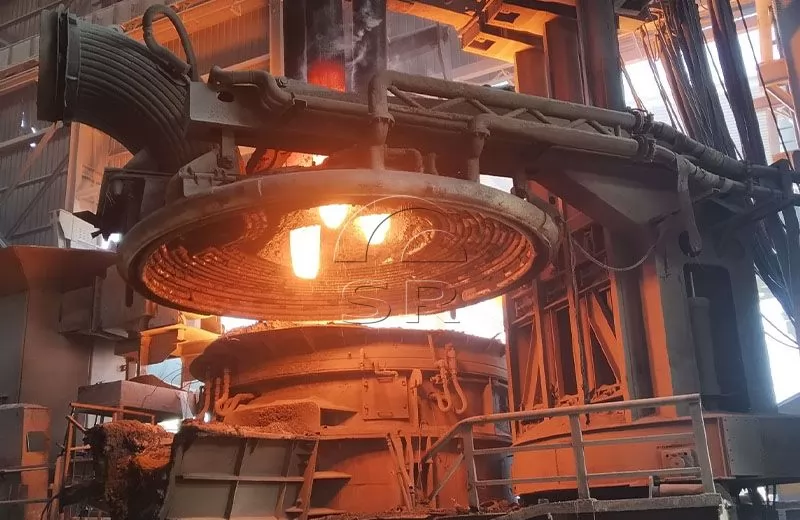
The furnace cover lifting and rotating device consists of a furnace cover lifting mechanism, a rotating mechanism and a rotating frame.
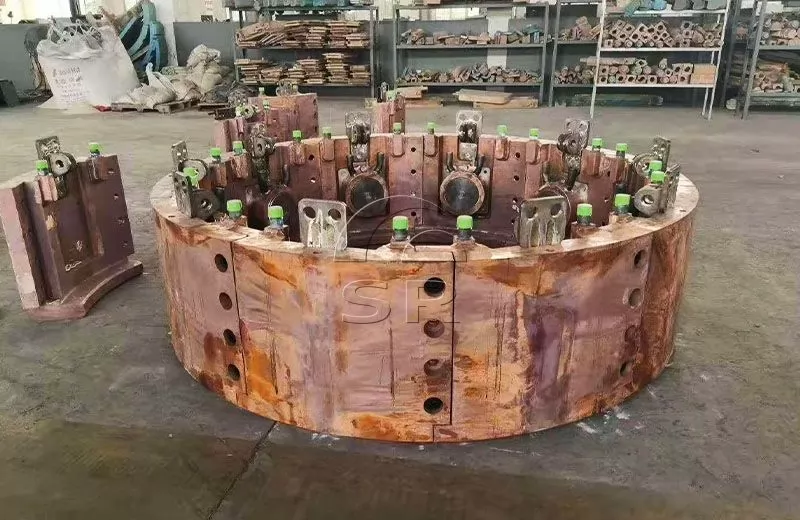
Submerged arc furnace pressure ring is used to monitor the change of air pressure in the furnace in real time, and adjust the air pressure automatically or manually according to the preset parameters to ensure the stability of air pressure in the furnace
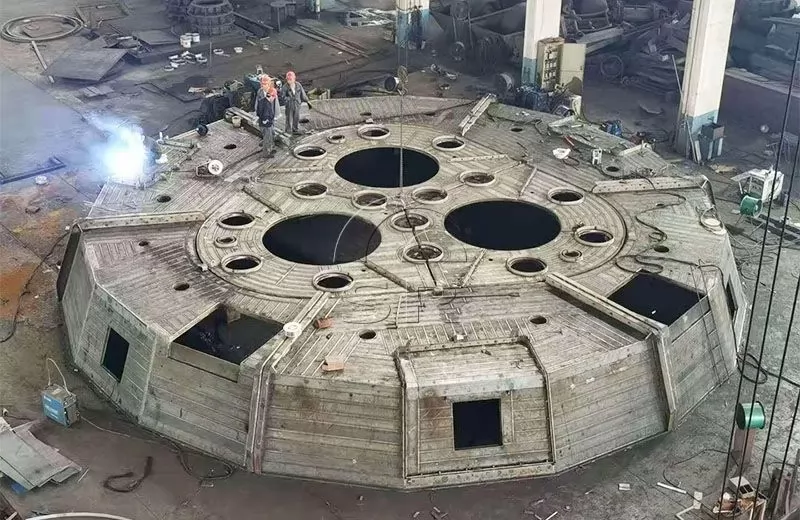
Submerged arc furnace water-cooled Roof is an important part of submerged arc furnace (also known as electric arc furnace, calcium carbide furnace or mining furnace), which is mainly used to close the top of furnace body and bear the high temperature and pressure in the furnace.
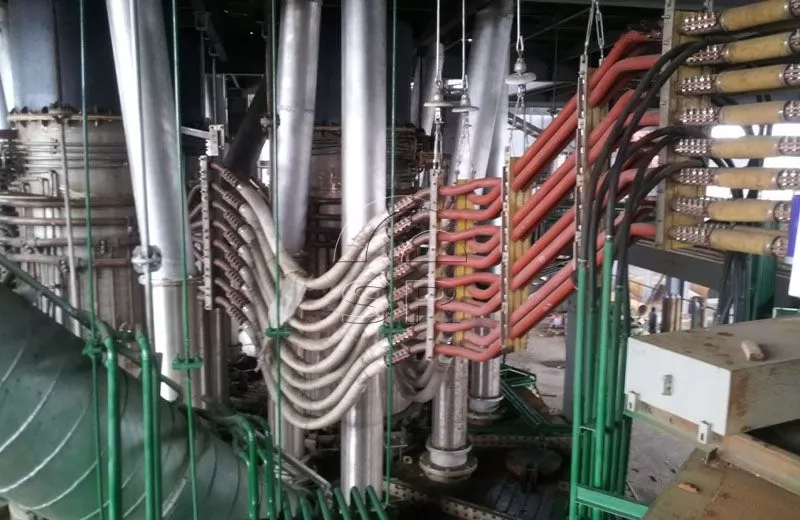
Short network bus systems), also known as high current line, refers to the general term of the carrier fluid from the secondary outlet terminal of the transformer to the electrode (including the electrode).
Navigation
E-mail: anna@srfurnace.com
Tel: +86 159 2955 5868
WhatsApp: +86 159 2955 5868
Add:
Room 422, 4th Floor, Building D, No. 5, Phase I, Fengdong Free Trade Industrial Park, Xixian New District, Shaanxi Province