Jan. 07, 2026
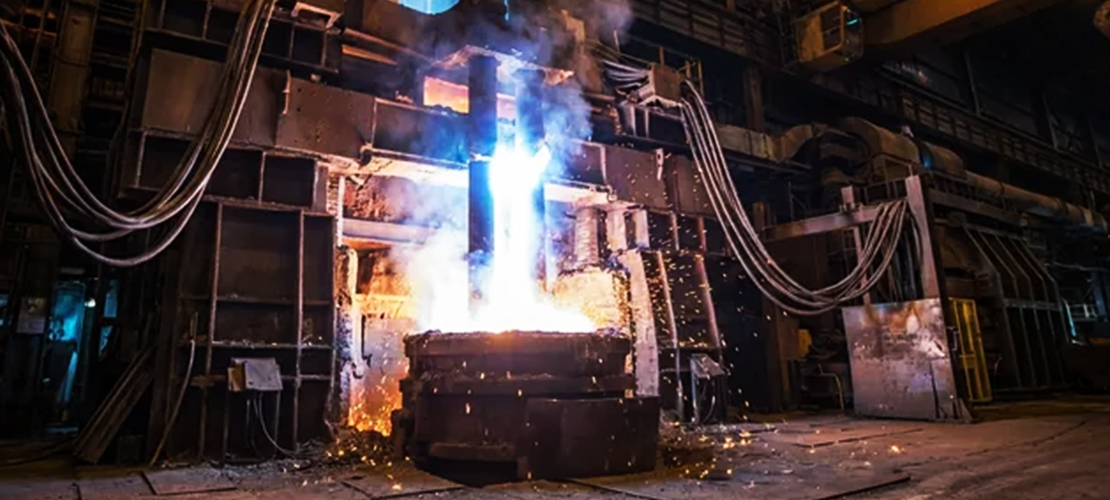
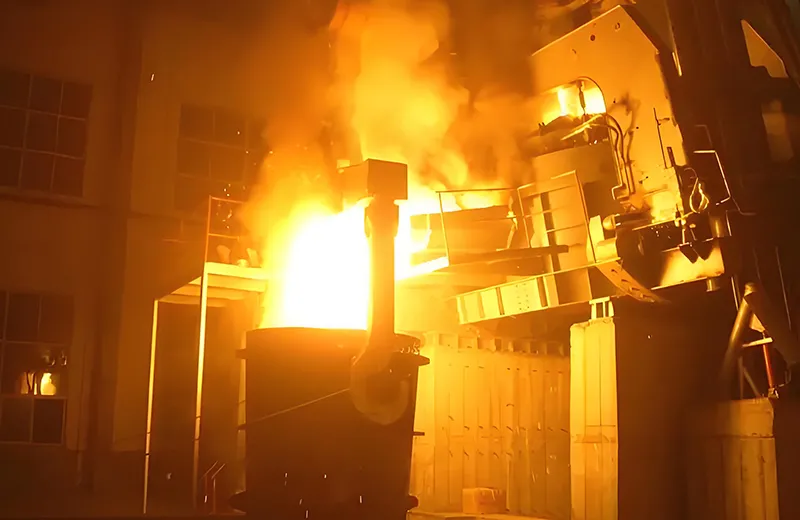
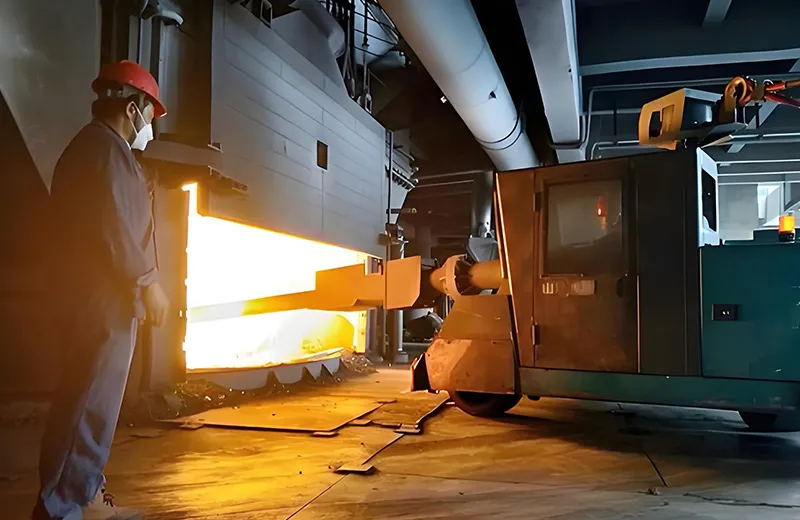
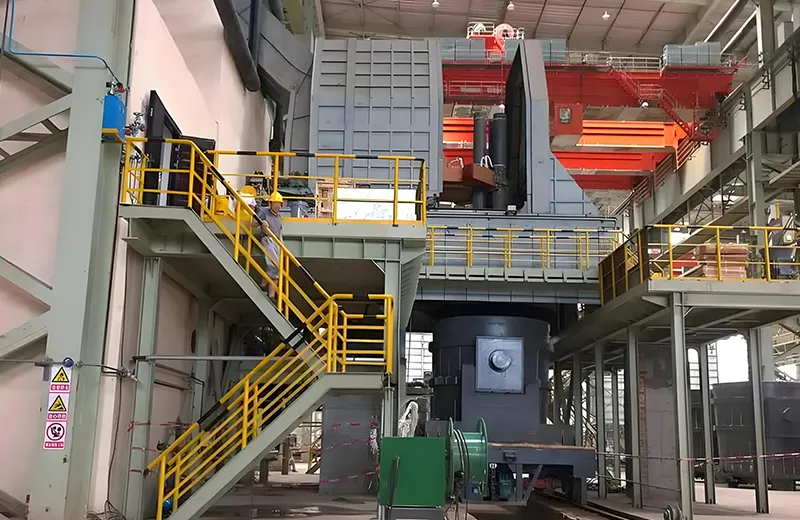
The electric arc furnace is the core smelting equipment in short-process steelmaking, melting scrap steel through a high-temperature electric arc generated between three-phase electrodes and the furnace charge. The electrode regulation system, as the "intelligent hub" of the EAF, has the core task of dynamically adjusting the electrode position to maintain stable arc length and arc power, thereby ensuring efficient, energy-saving, and stable operation of the smelting process and protecting critical equipment.
Modern electrode regulation system generally adopt closed-loop control systems based on programmable logic controllers (PLCs) or dedicated controllers, executed by hydraulic or fully electric drive mechanisms. The system monitors the secondary voltage and arc current (i.e., arc resistance) in real time and automatically adjusts the electrode lifting accordingly. Currently, this system is developing towards intelligence, high precision, and synergistic optimization with the entire smelting process.
Modern EAF electrode regulation integrates automatic detection and closed-loop control functions. Its core feature is its ability to monitor and intelligently respond to complex furnace condition changes in real time. Specifically, the system possesses automatic identification capability for the conductivity of the furnace charge. That is, when the electrode descends to touch unmelted, non-conductive furnace charge (scrap steel), it can quickly determine this based on detection signals and automatically adjust the descent strategy to prevent mechanical damage or short circuits to the electrode.
The main hardware of this system includes:
Control Unit:
Centered on a programmable logic controller (PLC) or dedicated controller, responsible for signal processing, logic judgment, and control command output.
Detection Unit:
The key component is a pressure sensor. Its oil pressure probe is precisely installed at the pressure measurement point of the outlet oil circuit of the proportional valve or servo valve to monitor the oil pressure changes of the drive system in real time. The sensor's electrical signal output terminal is directly connected to the PLC control system, forming a feedback loop.
Actuation Unit:
Mainly includes a proportional valve (or servo valve), hydraulic cylinder, oil pipes, and electrode lifting mechanism. The control signal output from the PLC drives the proportional valve, adjusting the flow and direction of hydraulic oil to the hydraulic cylinder, thereby precisely controlling the lifting speed and position of the electrode. The electrode is rigidly connected to the piston rod of the hydraulic cylinder via a mechanical connector.
Objectives:
Under rapidly changing furnace conditions such as charge collapse, melting, and stirring, the arc current or arc resistance is stabilized near the set value by rapidly raising and lowering the electrodes.
Importance:
Maximize energy efficiency: A stable arc means optimal input power, which can shorten melting time and significantly reduce power consumption per ton of steel.
Ensure grid friendliness: Smooth current fluctuations, effectively suppress voltage flicker, and reduce interference to the public power grid.
Protect equipment: Prevent electrodes from breaking due to mechanical collisions or current surges, reduce excessive erosion of the furnace lining by the arc, and extend equipment life.
Improve production efficiency: Make the smelting process more controllable and uniform, thereby improving production rhythm and steel quality. [1]
A typical electrode adjustment system of electric furnaces consists of the following 3 components:
Electrical quantity detection: Real-time detection of the secondary voltage and secondary current of the three phases. This is the most critical input signal of the control system.
Source/Principle: Acquired through current transformers and voltage transformers. Early systems mainly relied on these electrical signals. [2]
Function: Based on the deviation between the detected signal and the set value, it uses specific control algorithms (such as PID, adaptive, fuzzy logic, etc.) to calculate and output the command and speed signal for electrode lifting and lowering.
Technological Evolution: It has evolved from early analog amplifiers and magnetic amplifiers to modern digital controllers with PLCs and dedicated microprocessors as the core, and gradually incorporates intelligent control algorithms. [2]
Hydraulic System: The current mainstream method. The controller outputs electrical signals to drive electro-hydraulic servo valves or proportional valves, adjusting the flow and pressure of the hydraulic cylinder, thereby driving the electrode lifting and lowering with high thrust and fast response.
All-Electric Drive System: An emerging solution. It uses high-power servo motors and high-precision ball screws/gear racks to directly drive the electrode. Its advantages are maintenance-free, no risk of hydraulic oil leakage, higher positioning accuracy, and better compliance with green factory requirements.
Control algorithms are the decisive factor in system performance, and their development history is as follows:
Principle: Based on the deviation of arc current (or impedance), linear operations of proportional (P), integral (I), and derivative (D) are performed. Due to its simple structure and high reliability, it is still the control basis of many systems.
Limitations: The electric arc furnace is a complex object with strong nonlinearity, time-varying characteristics, and three-phase coupling. It is difficult for PID with fixed parameters to maintain the best control effect throughout the entire process cycle, including arc initiation, well penetration, and melting. [3]
Principle: The control system can identify changes in key process parameters such as arc resistance online in real time and automatically adjust the parameters or structure of the controller itself to adapt to different smelting conditions and improve the overall control quality.
(B.R. Copeland and T.R. Jenkins, among others, discussed the application of adaptive control in improving the stability of electric arc furnaces in detail in their papers from the 1980s and 1990s.)
Multi-objective Coordinated Optimization: Modern advanced systems not only pursue arc stability but also incorporate multiple objectives such as power factor optimization, flicker suppression, three-phase power balance, and electrode consumption minimization into a unified optimization framework.
Integration with Advanced Process Control (APC): Electrode regulation, as a key execution sub-module, is integrated into the whole-furnace APC system. Based on intelligent models and global optimization algorithms, the optimal power curve is dynamically set to achieve optimal economic efficiency throughout the smelting process.
The electric arc furnace electrode regulation system is a complex industrial system that deeply integrates detection technology, advanced control theory, and highly dynamic actuators. Its development has evolved from initial constant current regulation to a key core technology centered on intelligent control algorithms, guaranteed by highly reliable actuators, and oriented towards multi-objective coordinated optimization throughout the entire process. The performance of this system directly determines the efficiency, cost, quality, and impact on the power grid of EAF electric furnaces smelting. Its an indispensable core link for the intelligent and green upgrading of modern electric arc furnaces.
References:
[1] Wang Zhaomin, Liu Xiaohe. Electric Arc Furnace Steelmaking Equipment and its Automation [M]. Metallurgical Industry Press, 2010.
[2] Yu Yong, Tang Haiyan, Li Jing. Advances in Modern Electric Arc Furnace Steelmaking Technology [J]. Iron and Steel, 2019, 54(1): 1-10.
[3] Li Chongjian, Li Yaohua. Intelligent Control Technology of High-Power Electric Arc Furnace [J]. China Metallurgy, 2008, 18(12): 1-5.
Latest News
Submerged Arc Furnace: Structural Design, Operating Principles, and Core Equipment Analysis
Jun. 09, 2026
May. 27, 2026
Latest Products
Customized metallurgical machinery and equipment range: Electric Arc Furnace, Submerged Arc Furnace, LF Refining Furnace, Vacuum Furnace, Induction Furnace, Dust Remove System, Water Treatment Equipment, etc. Providing the most advanced equipment integration services, metallurgical equipment can be customized according to different needs of customers, and production capacity can be adjusted according to customer requirements.
Electric Arc Furnace
Submerged Arc Furnace
LF Refining Furnace
VD / VOD Vacuum Refining Furnace
Induction Furnace
Furnace Accessories
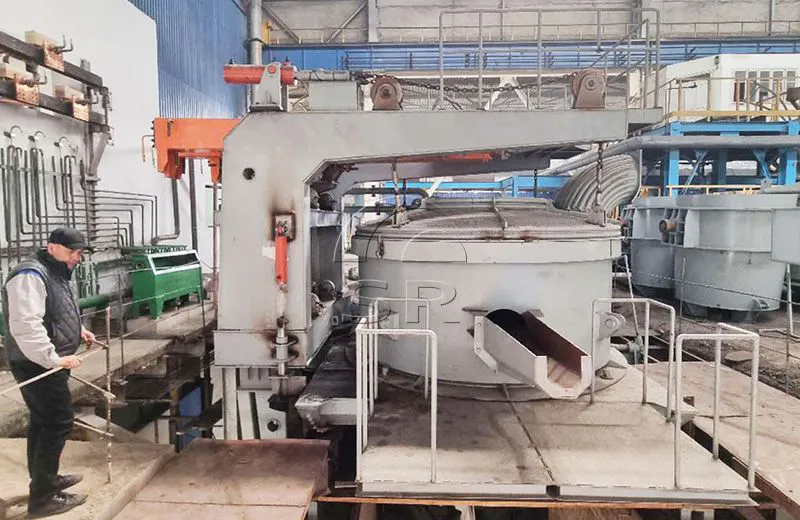
The 5 ton electric arc furnace for steel-making is a special purpose equipment that makes ordinary steel, quality carbon steel, alloy steel and non-corrosive steel with electric arc as heat source and scrap steel (iron) as raw material.
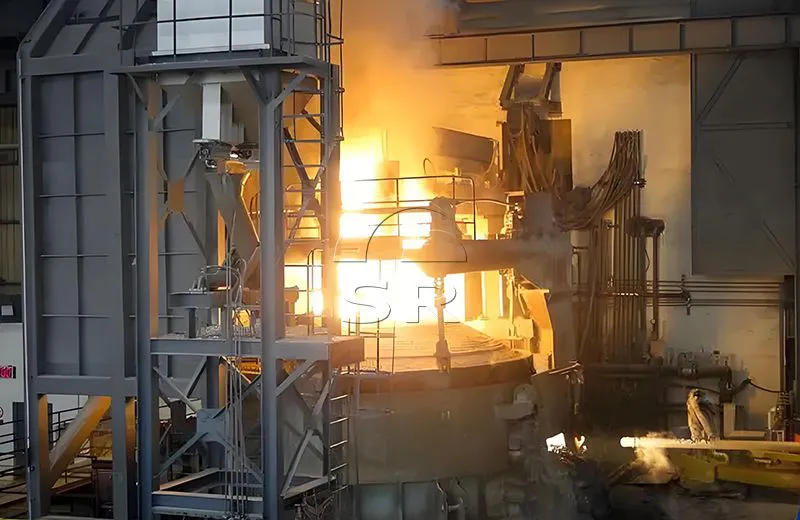
15-ton electric arc furnace is used for the short-process steelmaking process, using 100% scrap steel or scrap steel + molten iron (pig iron), or scrap steel + sponge iron (DRI) as raw materials for steelmaking.
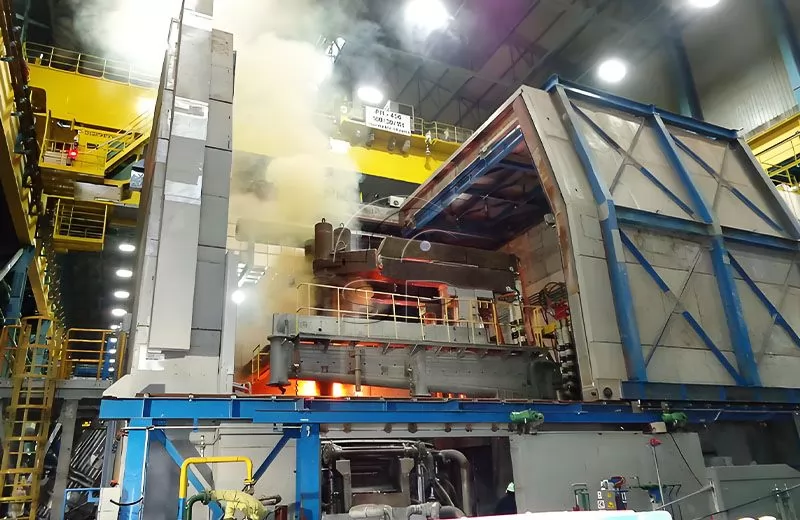
The 30-ton AC electric arc furnace is used to melt scrap steel to produce steel. Electrical energy is used to melt scrap steel. An arc forms between the charged material and the electrode.
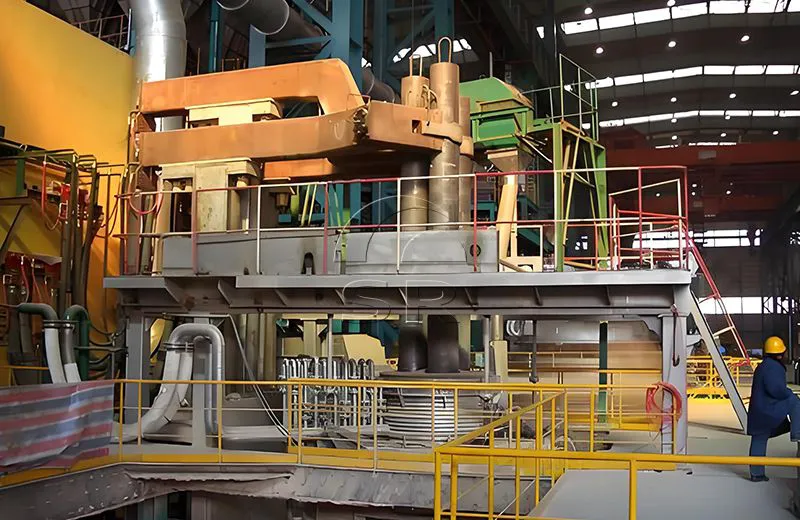
30 Ton electric arc furnace is used for steelmaking short process smelting, using 100% scrap steel or scrap steel + molten iron (pig iron), or scrap steel + sponge iron (DRI) as raw materials for steelmaking.
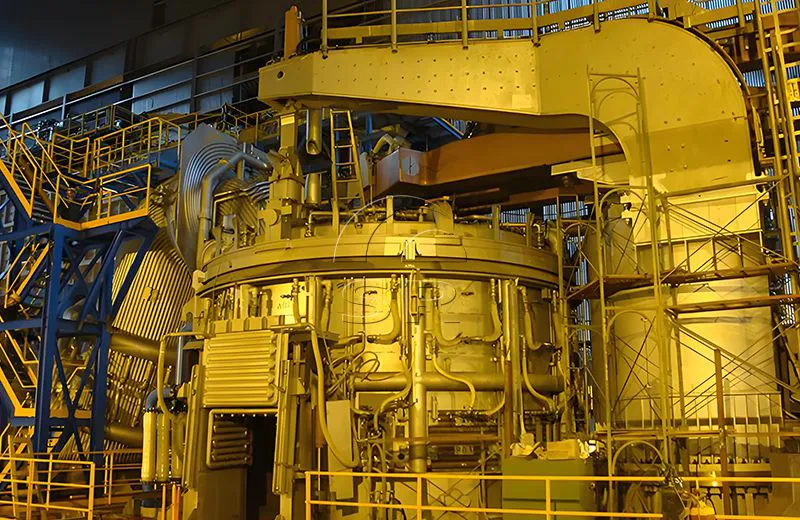
The 50-ton ultra-high power electric arc furnace (50TUPH EAF) adopts ultra-high power, high impedance technology, bottom tapping technology (ETB), furnace wall oxygen oil burner and furnace door carbon-oxygen gun technology.
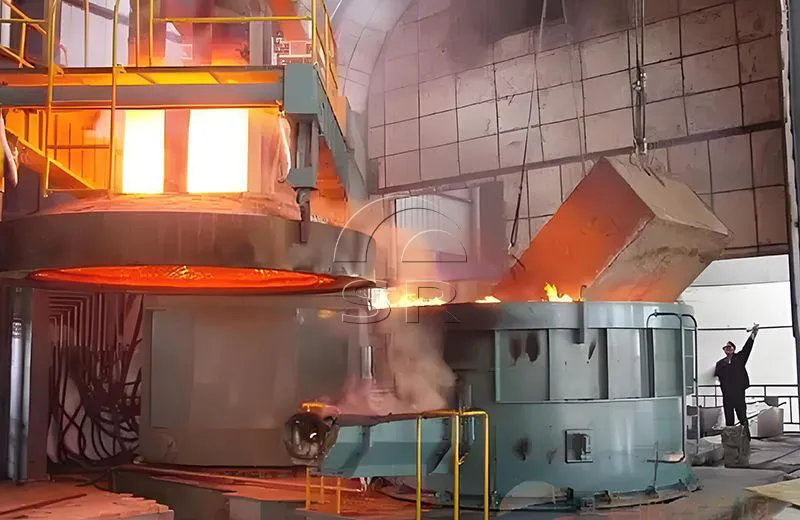
DC electric arc furnace is an electric arc furnace supplying electric energy with DC power supply. There is only one electrode on the top of the DC arc furnace, which is the negative electrode, and the bottom electrode is the positive electrode.
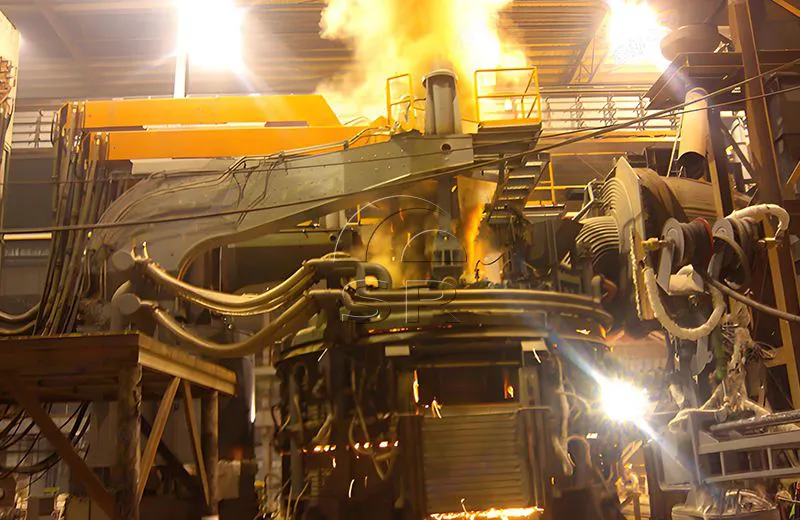
Electric arc furnaces are used to melt scrap steel for steel production. Electrical energy is used to melt scrap steel. An arc forms between the charged material and the electrode. The heat generated by the arc melts the scrap.
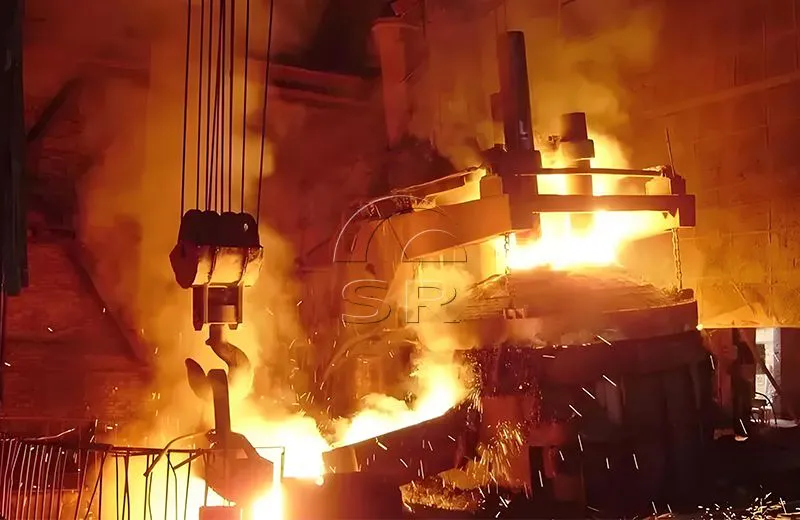
Electric arc furnace steel making is a steelmaking method that uses the thermal effect of electric arc to heat the charge for melting.
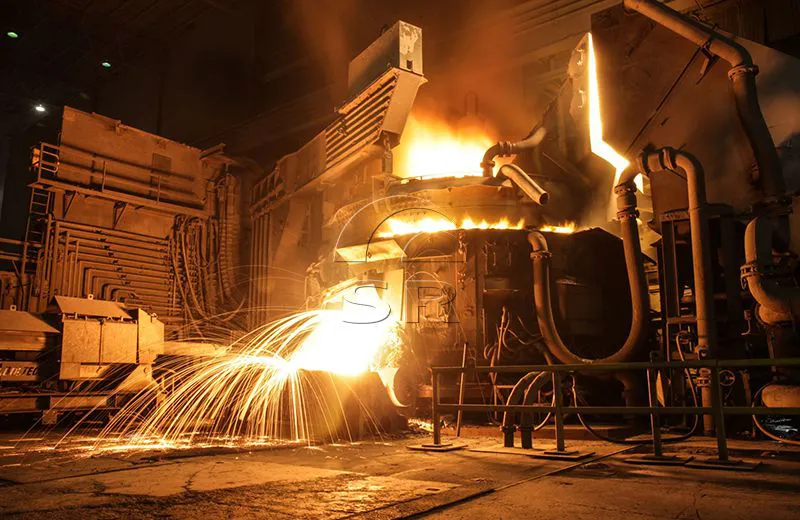
Ultra-high power electric arc furnace mainly changes the arc characteristics of high voltage and long arc to the arc characteristics of high current, low voltage and short arc
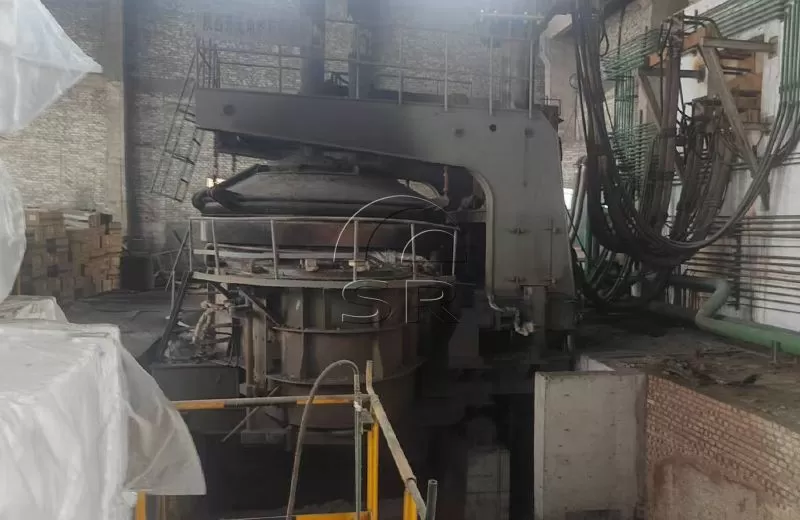
1 ton electric arc furnace is used for melting steel and titanium scrap metal. The principle of electric arc furnace is based on the generation of direct current, which converts electrical energy into heat energy through electrodes to melt the metal.
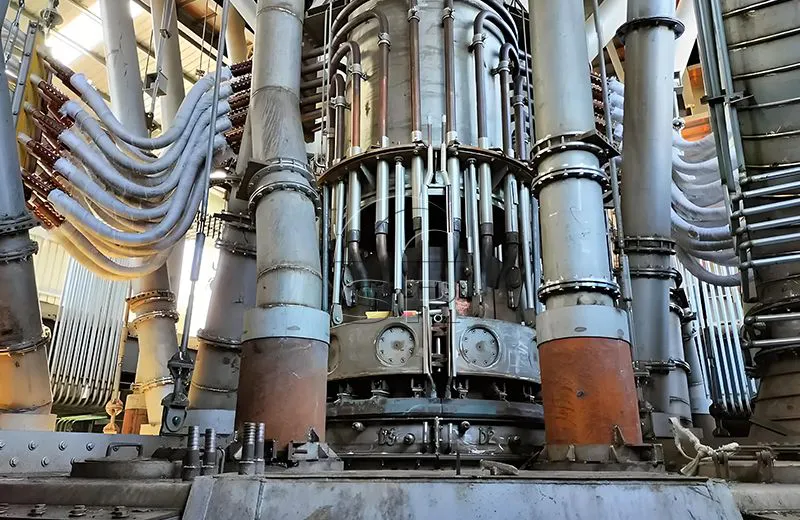
The closed pig iron furnace (submerged arc furnace iron making) is a non-blast furnace iron making method. Under the premise of guaranteeing the power supply, it is easy to solve the problem by using the reducing agent required by the submerged arc furnace iron making.
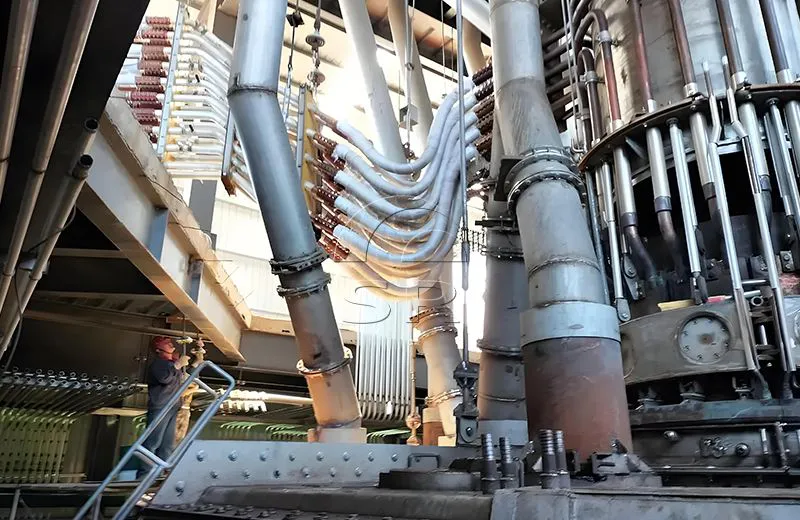
The main mechanical device design of Sanui ferroalloy refining furnace combines China's national conditions and draws on international advanced technologies such as Demark and Pyremate.
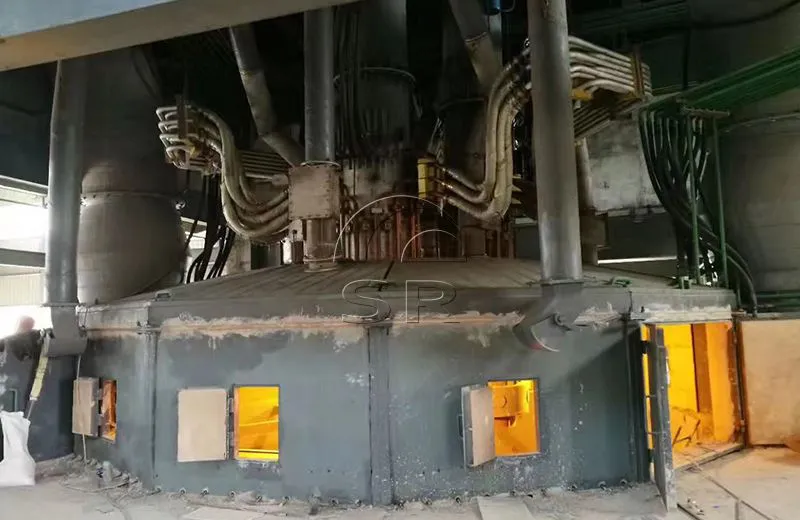
The Ferronickel submerged arc furnace is a special submerged arc furnace used for smelting nickel-iron alloy. Its main function is to add nickel ore, carbonaceous reducing agent (such as coke) and limestone and other raw materials into the furnace in a certain proportion
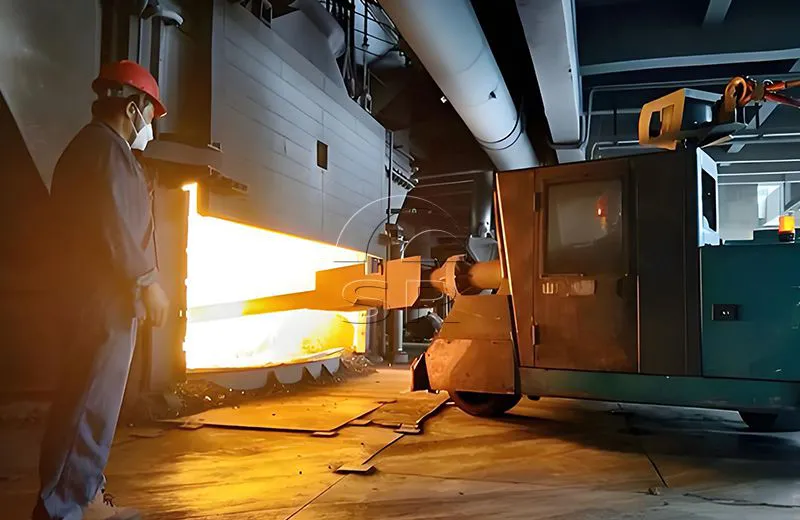
The main mechanical device design of Sanui ferrosilicon furnace combines China's national conditions and draws on international advanced technologies such as Demark and Pyremate.
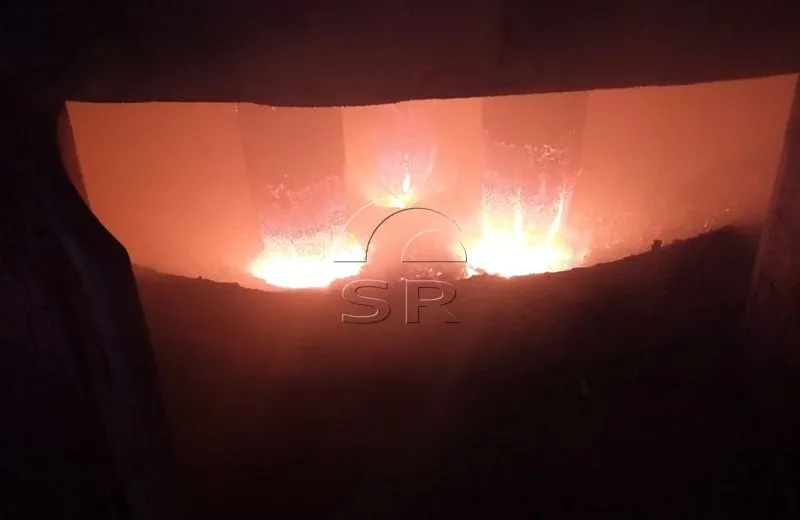
The main mechanical device design of Sanui high carbon ferrochrome furnace combines China's national conditions and draws on international advanced technologies such as Demark and Pyremate.
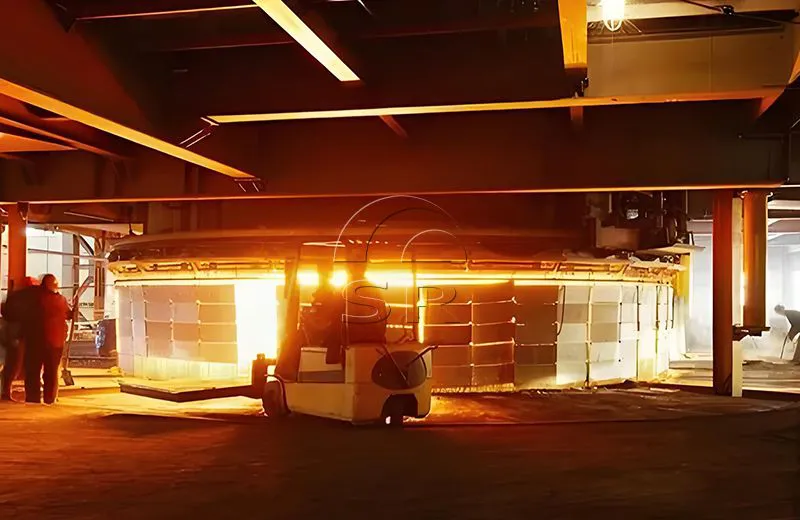
Industrial silicon submerged arc furnace is an important equipment in silicon ore processing, playing a key role in the silicon industry.
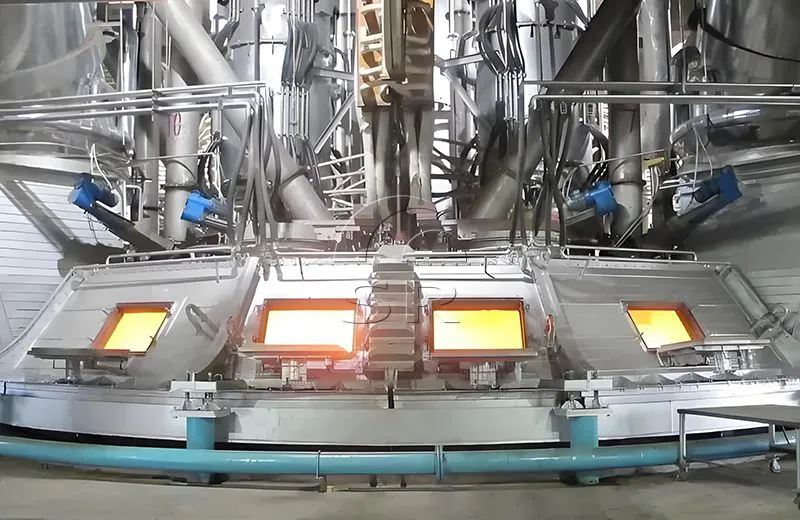
The manganese silicon alloy furnace is mainly used to smelt silicon-manganese alloy, which is an alloy containing silicon and manganese.
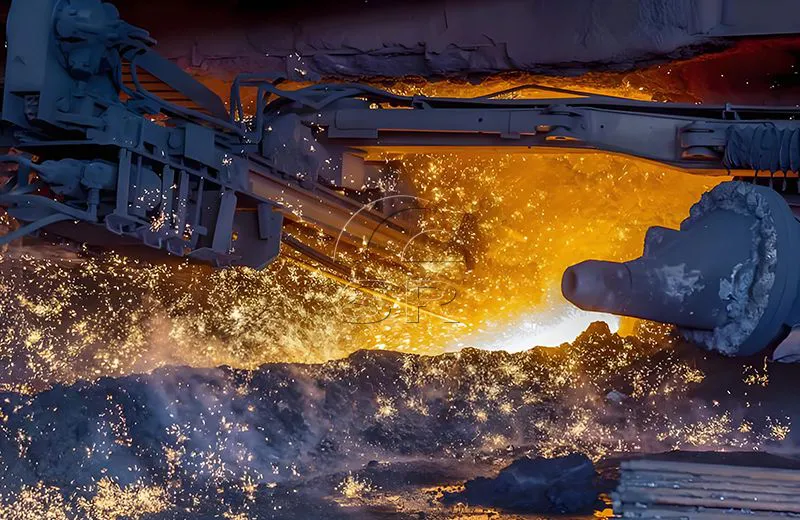
The design of the submerged arc furnace main mechanical device by Sanui is based on China's national conditions and draws on international advanced technologies such as Demark and Perlmutter.
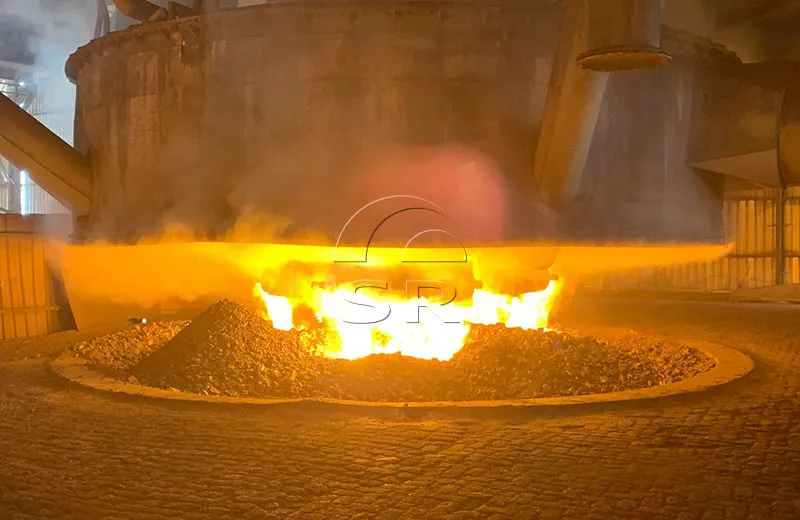
Submerged electric arc furnace is mainly used for reducing and smelting raw materials such as ore, carbonaceous reducing agent and solvent. It mainly produces ferroalloys such as ferrosilicon, ferromanganese, ferrochrome, ferrotungsten, silicon-manganese alloy, etc.
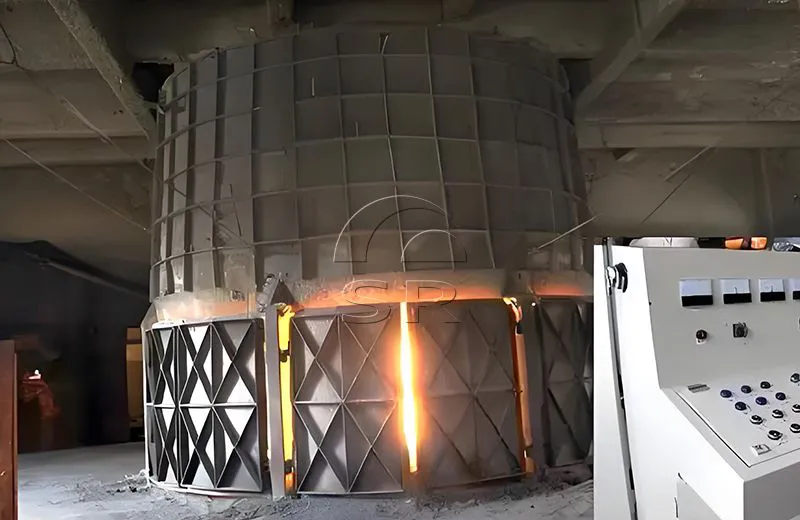
Titanium slag production adopts titanium slag electric furnace (circular furnace and rectangular furnace according to its shape) smelting process.
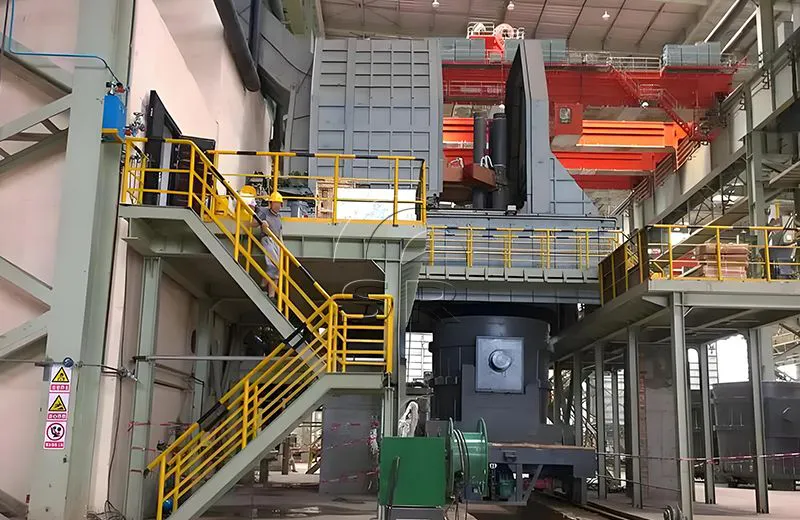
The LF 20 T ladle refining furnace has the functions of arc heating under normal pressure, argon blowing and stirring at the bottom of the ladle, and reducing slag making in the ladle.
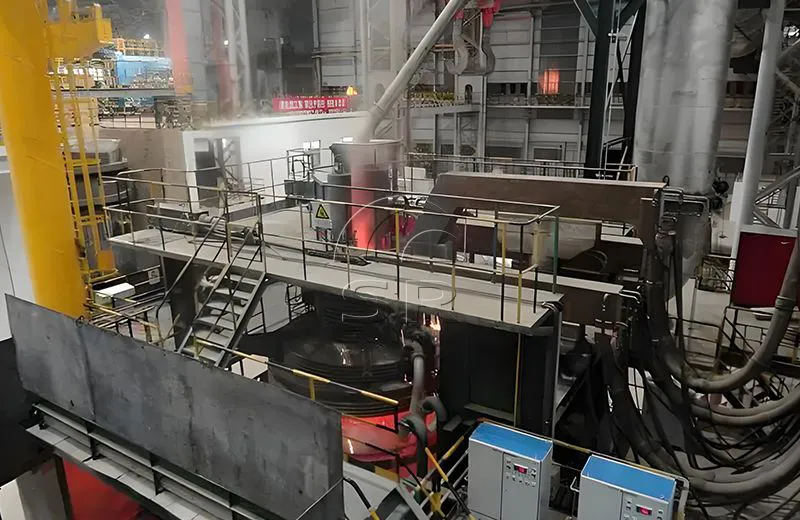
LF ladle refining furnace is a bottom-blown argon ladle furnace with three-phase submerged arc heating under normal pressure. It is a device for refining molten steel in a ladle.
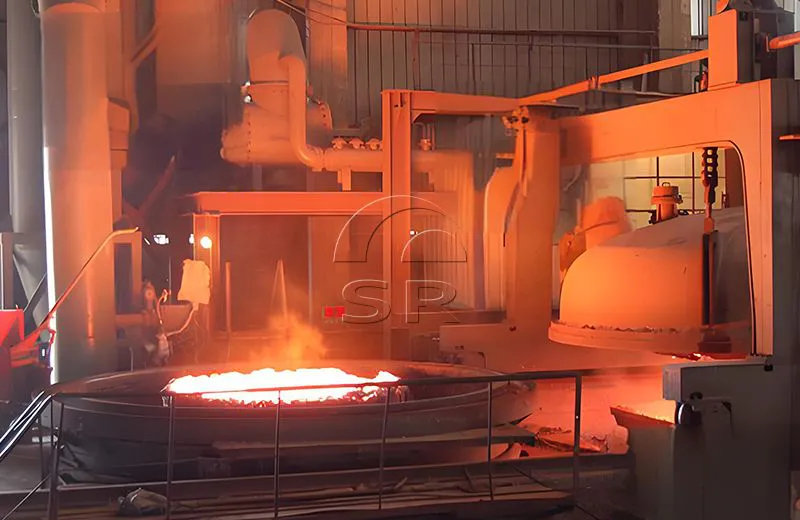
VD vacuum refining furnace is a commonly used refining process equipment, mainly used for deoxidation, impurity removal and other operations of molten steel, so as to obtain high purity, low impurity content of high quality steel.
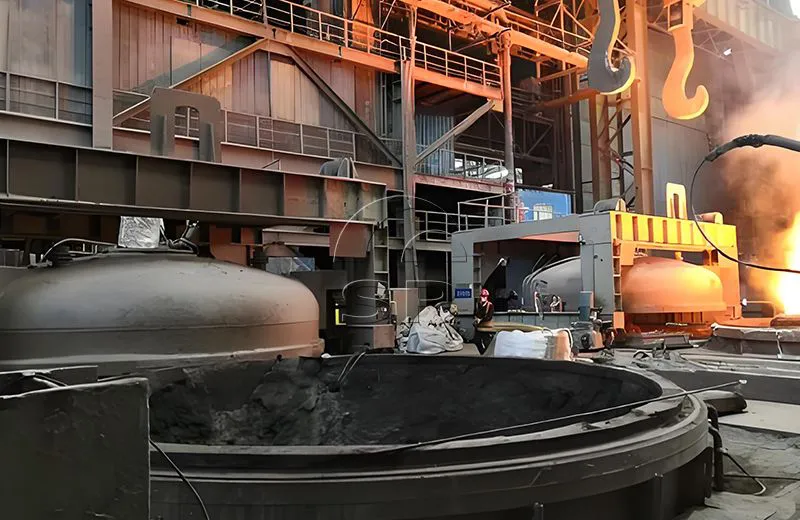
VOD vacuum refining furnace has multiple functions such as vacuum degassing, oxygen blowing decarburization, vacuum charging, argon blowing stirring, non-vacuum temperature measurement sampling, wire feeding, etc.
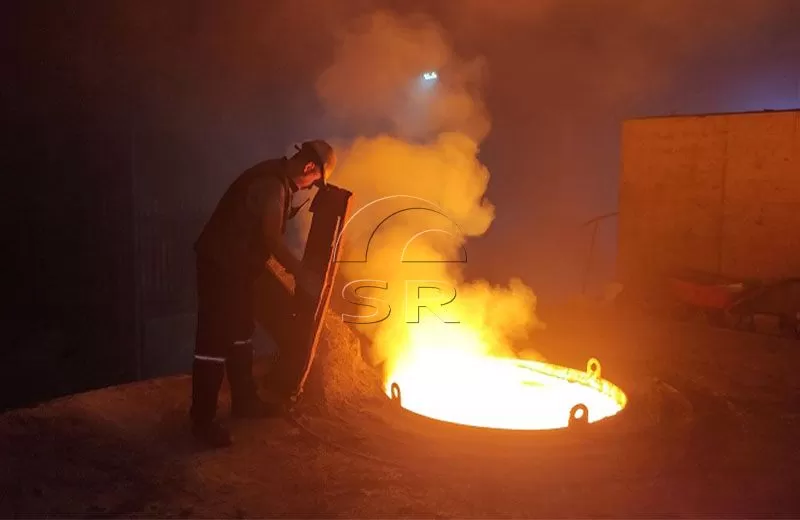
The cast steel melting induction furnace has outstanding advantages in heat penetration or melting soft magnetic alloys, high resistance alloys, platinum group alloys, heat-resistant, corrosion-resistant, wear-resistant alloys and pure metals.
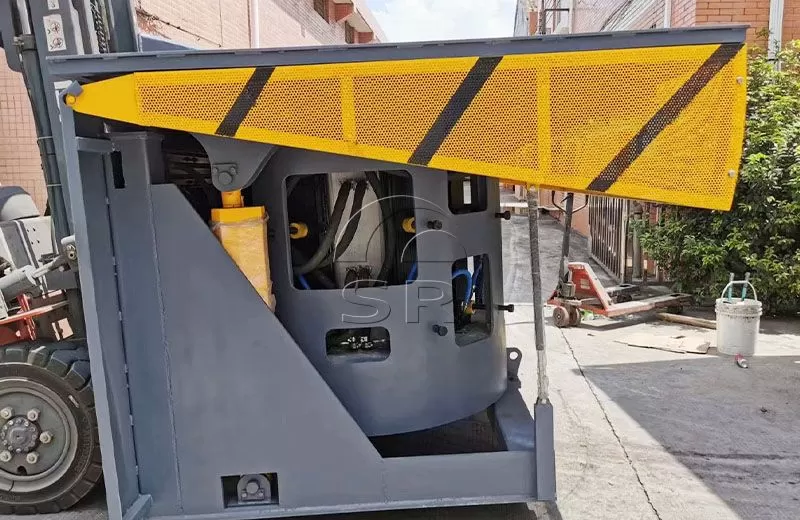
Metal silicon smelting furnace is a metal silicon medium frequency melting furnace, which consists of furnace body, water and electricity introduction system, furnace tilting device, etc. It has fast melting temperature rise, easy to control furnace temperature and high production efficiency.
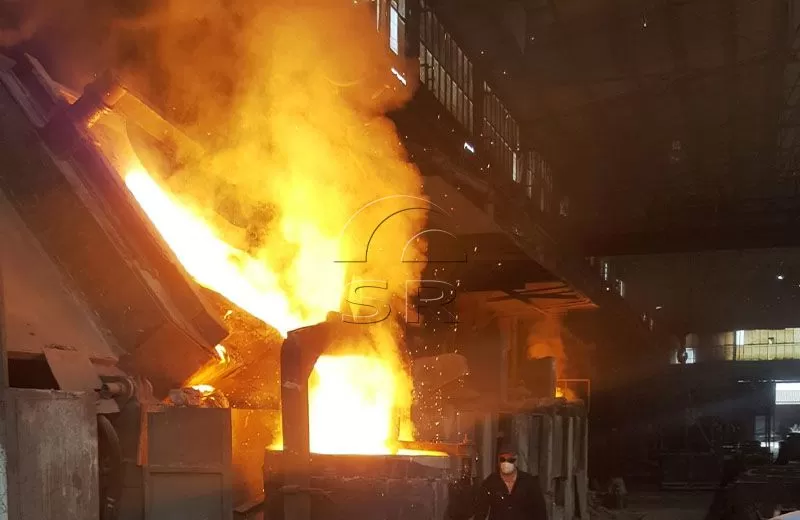
Medium frequency induction furnace mainly used for melting steel, alloy steel, special steel, stainless steel, and can also be used for melting and casting non-ferrous metals such as copper, aluminum, lead, zinc, etc. The customized range of induction furnaces sold by Sanrui ranges from 0.1 tons to 10 tons.
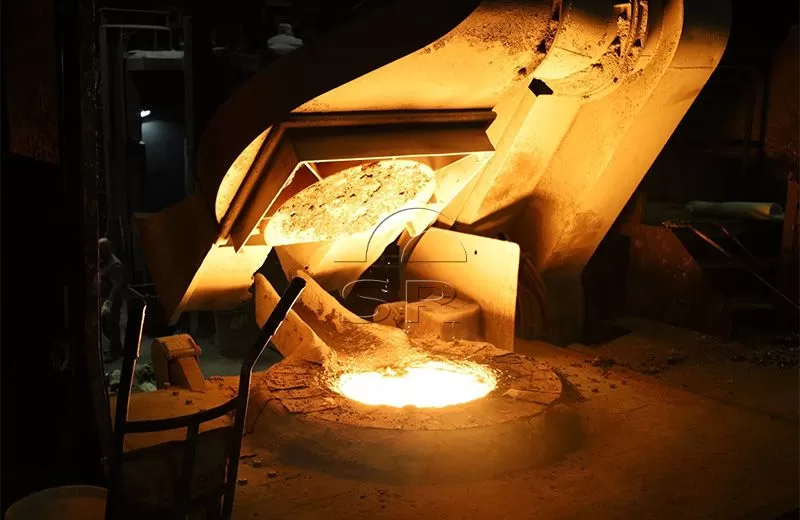
Medium frequency induction furnaces are mainly used for melting steel, alloy steel, special steel, stainless steel, and can also be used for melting and casting non-ferrous metals such as copper, aluminum, lead, and zinc.
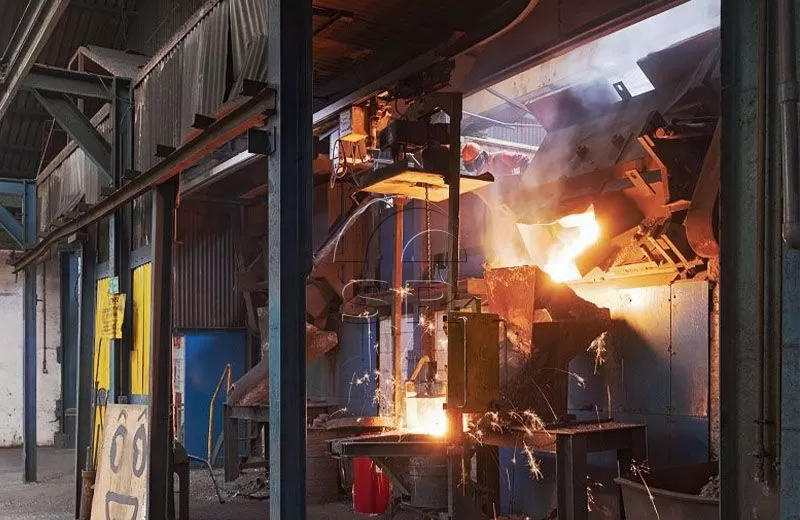
Medium frequency aluminum melting furnace is used for melting and heating aluminum, scrap aluminum, aluminum ingots, and aluminum alloys; The melting capacity ranges from 100KG to 3000KG.
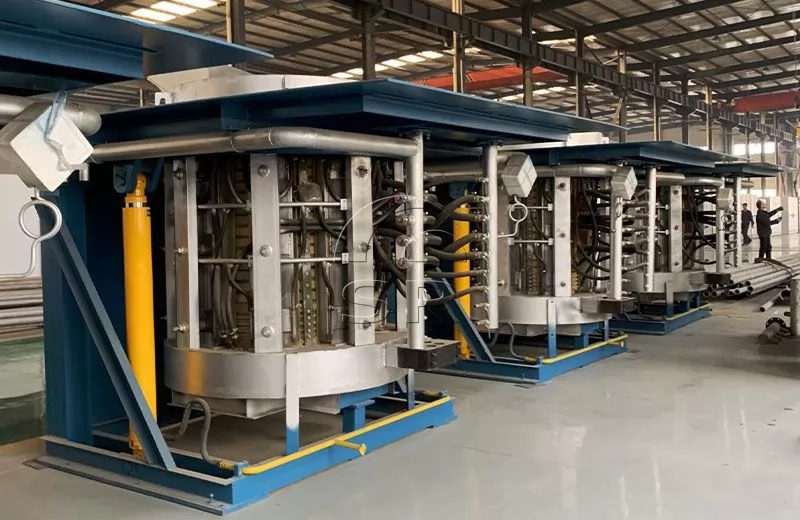
An induction furnace is an electric furnace that uses the induction electrothermal effect of the material to heat or melt the material. The main components of an induction furnace are sensors, furnace body, power supply, capacitors and control system.
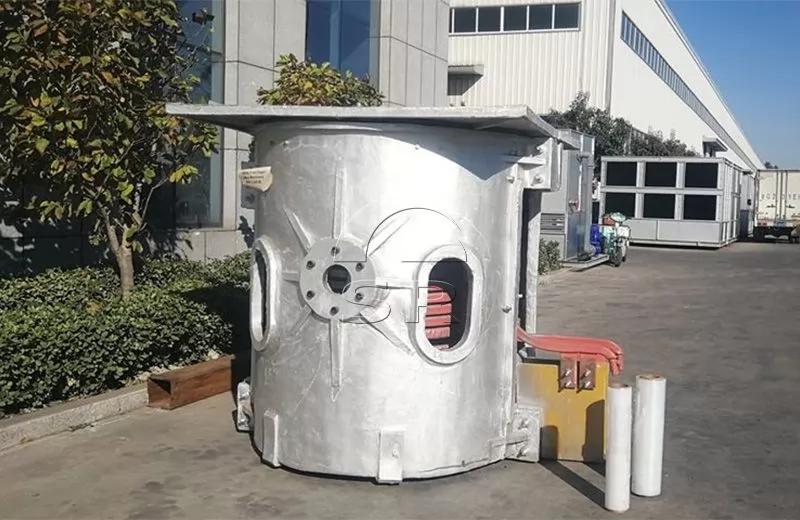
The 3-ton medium frequency coreless induction furnace adopts a 6-phase 12-pulse double rectifier control system. A 2000KVA special rectifier transformer is used for the 2000KW medium frequency power supply.
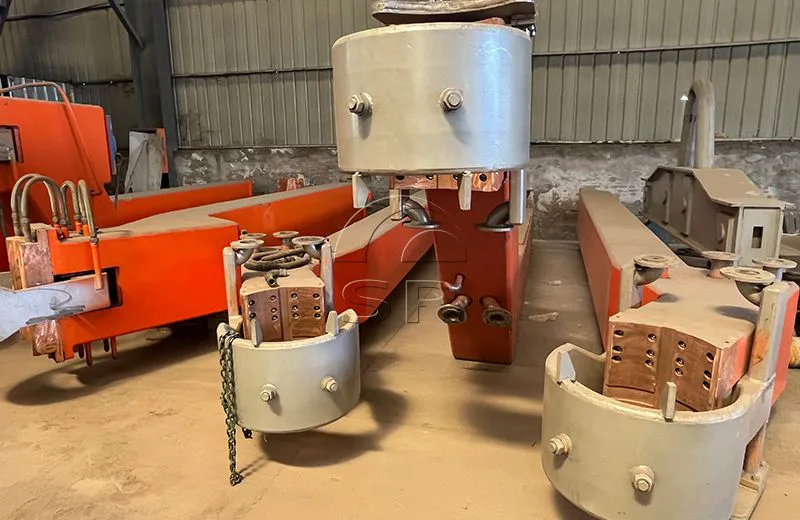
The conductive arm of an electric arc furnace (EAF) is primarily composed of the front electrode conductive arm holder, a water-cooled clamping ring, the arm body, and the rear conductive copper plate.
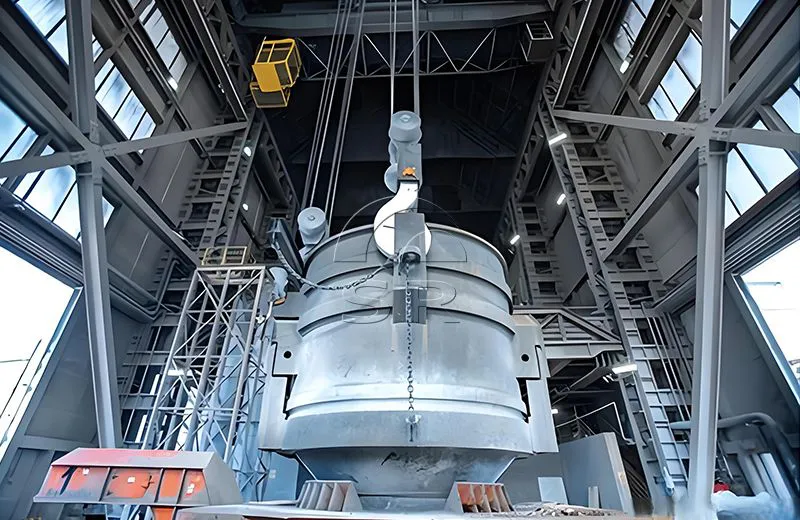
The scrap charging basket of the electric arc furnace is mainly used for loading and conveying raw materials such as scrap steel into the electric arc furnace for smelting.
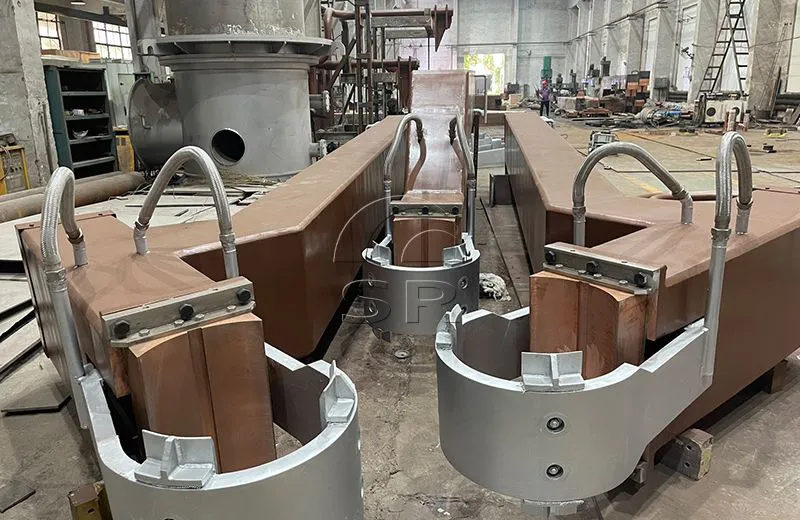
There are many insulation links between the EAF electrode holder and the conductive cross arm body, which greatly simplifies the cconductive cross arm structure and is a new type of electrode arm on the ultra-high power arc furnace.
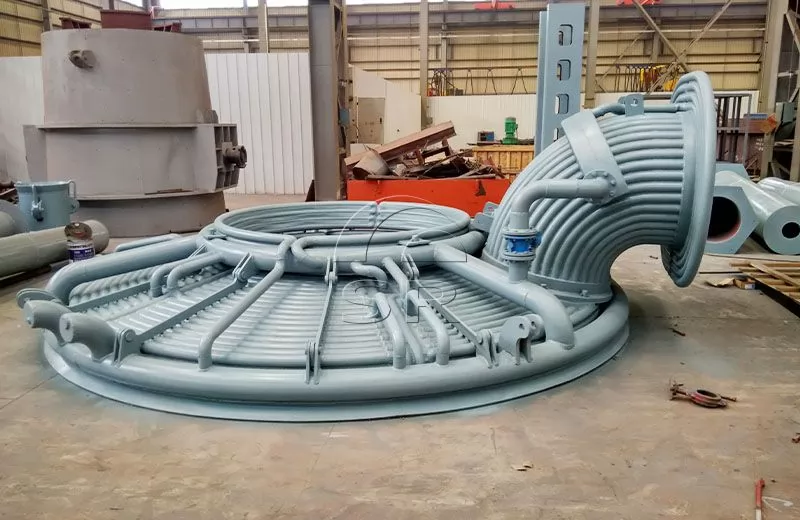
Generally, the furnace cover of the electric arc furnace adopts the tubular water-cooled closed tube furnace cover structure.
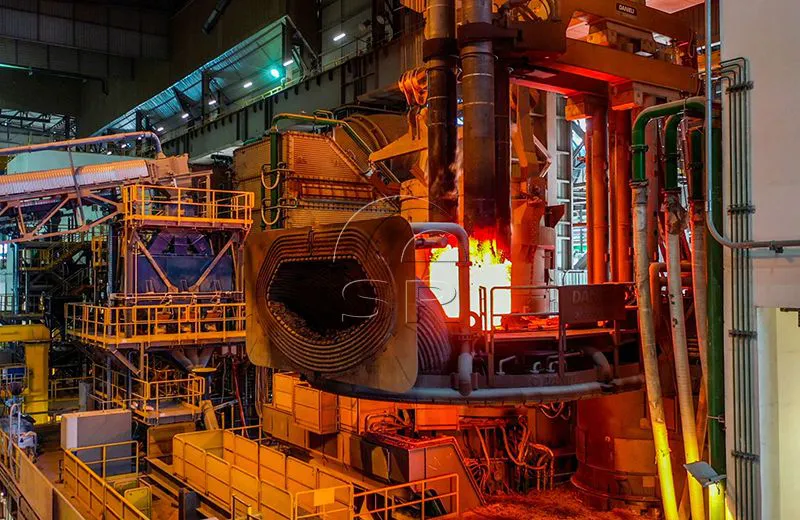
The electrode lifting mechanism of electric arc furnace is composed of conductive cross arm and electrode column device.
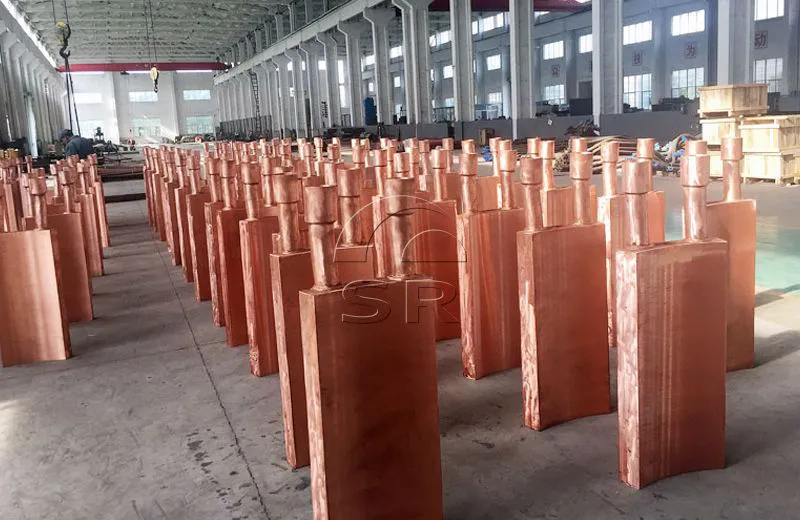
Forged copper tile is one of the main accessories in submerged arc furnace (silicon metal furnace, calcium carbide furnace and iron alloy furnace). It generates heat energy due to passing through large current at high temperature, and is easy to be damaged due to poor working environment.
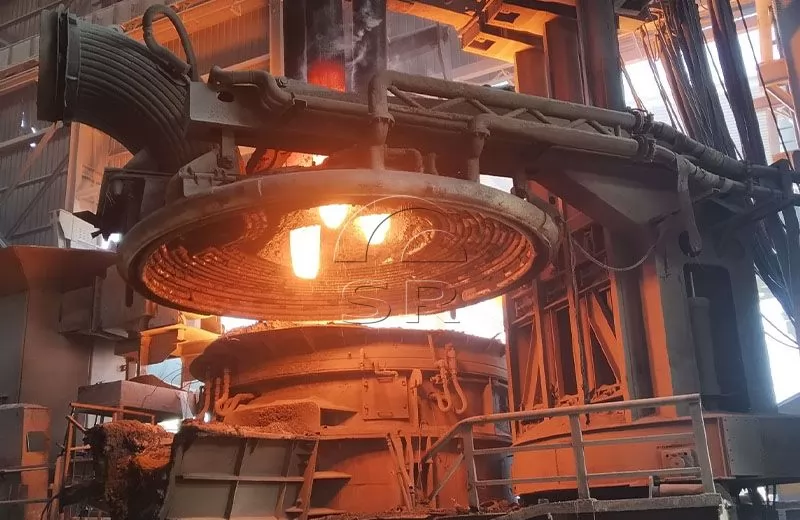
The furnace cover lifting and rotating device consists of a furnace cover lifting mechanism, a rotating mechanism and a rotating frame.
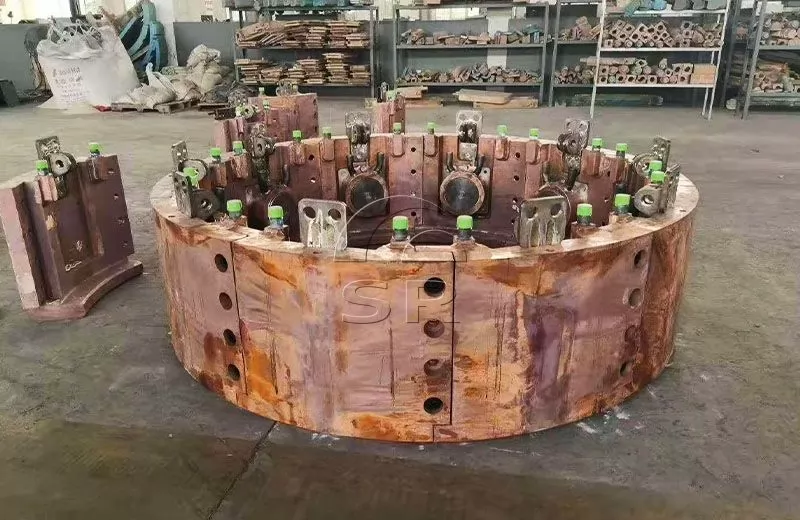
Submerged arc furnace pressure ring is used to monitor the change of air pressure in the furnace in real time, and adjust the air pressure automatically or manually according to the preset parameters to ensure the stability of air pressure in the furnace
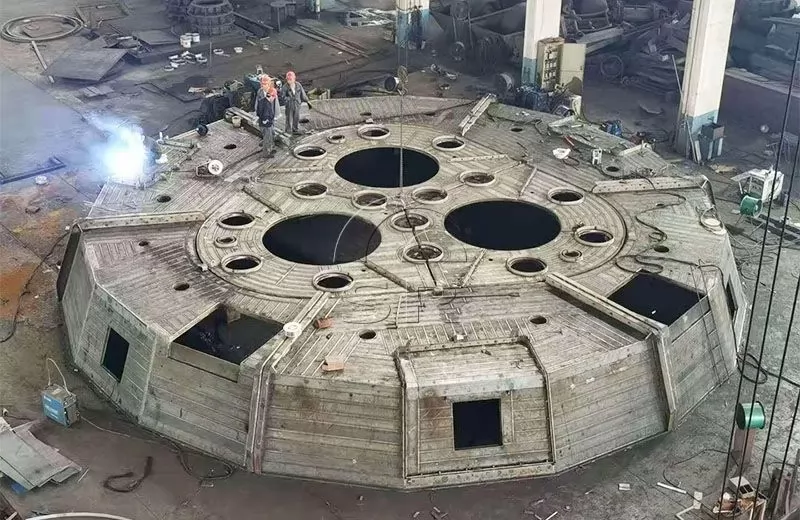
Submerged arc furnace water-cooled Roof is an important part of submerged arc furnace (also known as electric arc furnace, calcium carbide furnace or mining furnace), which is mainly used to close the top of furnace body and bear the high temperature and pressure in the furnace.
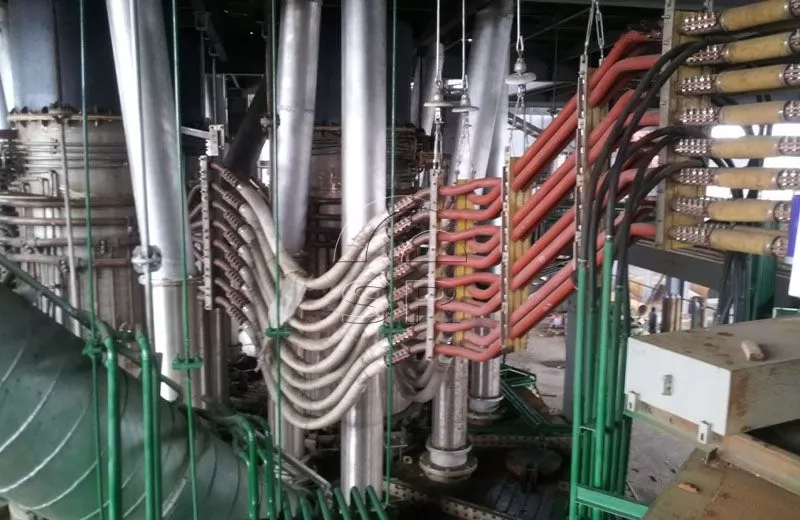
Short network bus systems), also known as high current line, refers to the general term of the carrier fluid from the secondary outlet terminal of the transformer to the electrode (including the electrode).
Navigation
E-mail: anna@srfurnace.com
Tel: +86 159 2955 5868
WhatsApp: +86 159 2955 5868
Add:
Room 422, 4th Floor, Building D, No. 5, Phase I, Fengdong Free Trade Industrial Park, Xixian New District, Shaanxi Province