May. 18, 2026
The heat of chemical reaction accounts for a considerable proportion of the energy input of an electric arc furnace, reaching 20%-30%; especially after the use of molten iron, the proportion of chemical heat reaches 40%-50%, which is a characteristic of modern electric arc furnace steelmaking processes. Oxygen technology is a concentrated embodiment of modern high technology, and the combination of power supply and oxygen supply is an important means for electric arc furnaces to improve production speed and save energy and reduce consumption.
The theoretical calorific values of each element in the molten pool oxidized to 1 kg under oxygen blowing conditions are shown in the table below:
Element | Product | Heat of Reaction | Relative Cost ① (Reference Value)
kJ/kg | Kw·h/kg
Al | Al₂O₃ | 30.995 | 8.61 | 3.7
Si | SiO₂ | 32.157 | 8.93 | 3.2
Mn | MnO | 6.992 | 1.94 | 6.0
Fe | FeO | 4.775 | 1.33 | 1.8
C | CO | 9.159 | 2.54 | 0.5~0.6
C | CO₂ | 32.761 | 9.10 | 0.3~0.6
①Assume the electricity price per kWh is 1.
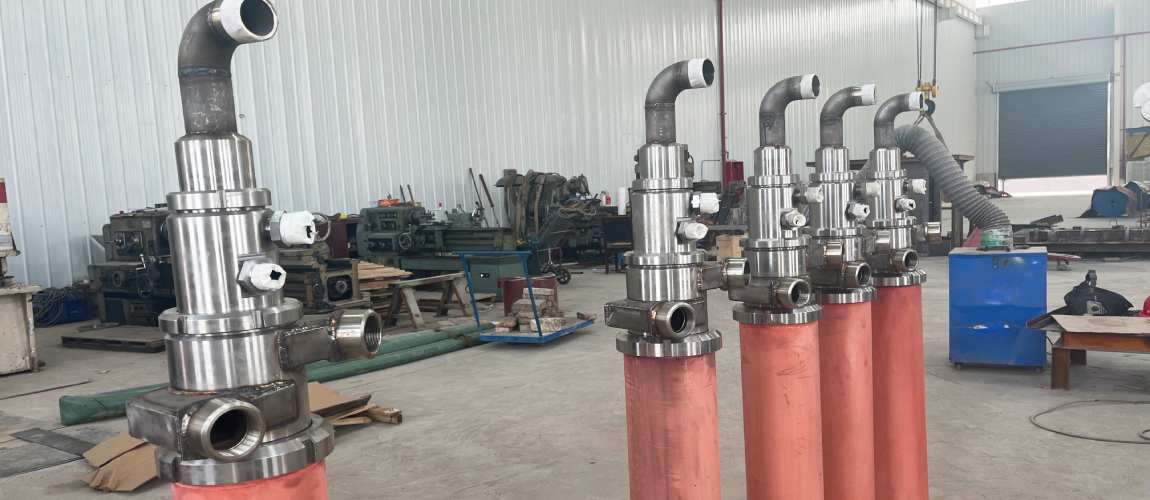
Oxygen blowing in electric arc furnace (EAF) steelmaking is one of the important methods for enhancing EAF smelting. The most common method is to insert a steel pipe into the molten pool to blow oxygen. To fully utilize the chemical energy within the furnace, the oxygen consumption per ton of steel has gradually increased in recent years. Simultaneously, considering the poor working conditions, safety risks, and unstable efficiency of manual oxygen blowing, EAF door lance mechanical devices have been developed. Examples include the consumable oxygen lance device developed by BSE in Germany, and the water-cooled oxygen lance devices developed by Fuchs in Germany, Berry in the United States, and Combustion in the United States.
Because consumable oxygen lances consume a large number of oxygen pipes, they are rarely installed in newly built EAFs. The function of the door lance device is to blow oxygen to aid melting and refining, and to blow carbon powder into the molten pool to create foamy slag.
The overall benefits of using an EAF door lance are: improved oxygen blowing efficiency, shortening smelting time by 5-15 minutes; saving 80%-90% of oxygen pipes, reducing costs per ton of steel by 15-30 yuan; improving workers' working conditions, and replacing 90% of manual oxygen blowing.
The door lance device consists of a water-cooled oxygen lance and a door lance. The mechanical system comprises a boom rotation system, a lance body rotation system, a lance body swing system, and a lifting system. The oxygen lance mounted on the door lance device assists melting during the melting period and decarburizes and refines during the oxidation period. The carbon lance mounted on the door lance device is mainly used for creating foamy slag.
Currently, electric arc furnace door lances are mostly water-cooled. Because water-cooled oxygen lances also have certain drawbacks, Baden Steel has researched and applied a consumable electric arc furnace door lance, which has the function of injecting lime and carbon powder to create foamy slag.
Compared to water-cooled oxygen lances, its advantages are a higher operational safety factor, a larger blowing angle, and the ability to directly cut scrap steel. Its disadvantages are the high cost of the oxygen blowing pipe and the inability to continuously blow oxygen.
As electric arc furnace (EAF) steelmaking both domestically and internationally develops towards larger scale and ultra-high power, manufacturers of large and ultra-high power EAFs have researched various smelting methods and adopted different enhanced smelting technologies and equipment to improve production efficiency and reduce power consumption. The power consumption of EAF smelting largely depends on the melting period, i.e., the speed at which the scrap steel melts. The thermal characteristics of EAF steelmaking during the steel melting process result in three cold zones within the furnace, especially pronounced when using high-power or ultra-high-power power supplies. Statistics show that power consumption during the melting period accounts for 70% of the total power consumption in the entire smelting cycle. Therefore, auxiliary energy-assisted melting technology has been widely introduced both domestically and internationally to eliminate the three cold zones, shorten smelting time, and achieve the goal of improving EAF production efficiency and reducing power consumption. It has been reported that in the 1980s, 50% of EAFs in Europe and 80% in Japan used oxy-fuel assisted melting for steelmaking. In the 1990s, almost 100% of newly commissioned large electric arc furnaces abroad adopted this technology, typically using natural gas and light diesel oil as fuel. In China, coal-to-oil fluxing technology was developed in the 1980s, achieving significant results in electric arc furnaces under 30 tons. However, due to the low calorific value of coal, this technology is not suitable for large electric arc furnaces, especially those requiring high efficiency and fast operation, such as high-power and ultra-high-power furnaces. Therefore, currently, oil or natural gas is mainly used as fluxing fuel in China.
The fuels used in burners are classified into three categories: solid, liquid, and gaseous. Among liquid fuels, light diesel oil is currently preferred due to its ease of use, cleanliness, and simple equipment maintenance, making it the preferred auxiliary fuel. Natural gas is the main gaseous fuel, but its use is limited in my country due to limited resources; coal gas and other gaseous fuels are not used due to their low calorific value and large exhaust volume. my country has developed coal-oxygen technology for solid fuels based on its resource conditions, but the thermal efficiency of the injection is low, the investment is large, and the preparation, storage, transportation, and removal and separation of sulfur and ash residues from the combustion products are quite complicated.
Electric furnaces generate heat to smelt steel by igniting an arc at the electrodes. The steel material melts slowly from the center of the electrode outwards, resulting in significant heat loss and a long smelting time. The oxygen lance, also known as the oxygen burner, is placed on the furnace wall in the cold zone of the electric furnace. It relies on a proper match between the burner and the electric arc power supply to achieve balanced melting of the scrap steel. The efficiency of the burner depends on:
(1) The temperature of the scrap steel and the heating area. If the temperature of the scrap steel is high and the heating area is large in the initial stage of melting, the burner efficiency can reach 80%;
(2) Determining the appropriate oxygen-oil ratio at different stages. When the scrap steel is close to being completely melted, the amount of oil in the burner should be reduced. In addition to oil, the fuel used in the burner can also be natural gas or pulverized coal. Oxygen burners are also used to preheat scrap steel in flues, but environmental protection should be considered.
CoherentJet oxygen lance technology is a new type of oxygen injection technology that solves the shortcomings of traditional supersonic oxygen lances, such as short injection distance, low impact force, and low oxygen utilization. It mainly utilizes a protective envelope formed by the combustion of the medium to protect the main oxygen flow. The outlet Mach number of a CoherentJet oxygen lance can reach approximately 2.0, and the jet distance in technical condition can reach 1.2–2.1 m. It can be directly installed on the furnace wall to achieve functions such as fluxing and decarburization.
The main benefits of applying a CoherentJet oxygen lance to an electric arc furnace are:
(1) It has multiple functions such as oxygen blowing, combustion, and secondary combustion, and achieves centralized automatic control, thereby reducing the facility costs and process costs of setting up and operating each system separately. (2) Due to the combustion function, scrap steel can be preheated and melted, thereby reducing energy consumption (at least 20 kW·h per ton of steel).
(3) Due to its strong impact and stirring capabilities, the utilization rate of oxygen and injected charcoal powder is improved, thus reducing the consumption of oxygen and charcoal powder.
(4) Due to the secondary combustion function, the furnace temperature is increased by fully utilizing CO combustion in the furnace, thereby reducing energy consumption.
(5) Due to reduced splashing, the iron content in the slag is reduced, the metal recovery rate is increased, and the maintenance cost of the furnace body is reduced.
The cluster oxygen lance cuts and melts scrap steel more quickly, and can blow oxygen into the molten pool more effectively, greatly improving the oxygen utilization rate. First, open the auxiliary oxygen system, then open the compressed air system after a certain delay, and then open the fuel oil (or gas) system after another certain delay, while simultaneously supplying the main oxygen. When shutting down, the fuel oil and main oxygen should be shut down first, and then the compressed air and auxiliary oxygen should be shut down sequentially. Automatic alarm processing is implemented to prevent serious safety accidents caused by the oil pressure exceeding the compressed air pressure. 12. What is the metallurgical principle of secondary combustion? Secondary combustion can be divided into the following processes:
2[C] + {O2} = 2{CO}
Where C comes from carbon powder, fuel, pig iron, or molten steel, and O2 comes from oxygen, air, slag, or molten steel.
2[C] + {O2} = 2{CO}
Where O2 theoretically comes from the aforementioned dedicated oxygen source for secondary combustion, but in practice there is no strict source restriction, and the two processes occur simultaneously.
The index for evaluating the degree of reaction is called the secondary combustion rate, expressed by the following formula:
PCR = %CO2 / (%CO + %CO2) × 100% (4.3) Where PCR is the secondary combustion rate; %CO and %CO2 are the volume percentages of CO and CO2 in the combustion products, respectively.
Modern electric arc furnaces all adopt eccentric bottom tapping (EBT) technology to achieve slag-free steelmaking. This not only reduces the amount of slag during tapping but also shortens the smelting cycle and minimizes the temperature drop at tapping. However, it also makes the EBT zone one of the cold zones in the UHP-EAF system, resulting in slower scrap melting and a significant difference in molten pool composition compared to the central area.
To address the EBT cold zone issue, an EBT oxygen lance can be installed above the eccentric furnace side to blow oxygen into this zone for enhanced melting. The EBT oxygen lance promotes scrap melting in this zone and, after the molten pool appears, increases the molten pool temperature, homogenizes the molten pool composition, and facilitates CO re-combustion.
In practical applications, the use of an EBT oxygen lance completely solves the problems of scrap in the EBT zone not melting before tapping and the inability to open the taphole. Simultaneously, the temperature and composition difference between the EBT zone and the furnace door area at tapping is only 0.5% to 1.0%.
The impact force of the EBT oxygen lance needs to be considered in its design. Because the molten pool in the EBT zone is shallow, the penetration depth of the oxygen jet from the EBT oxygen lance is designed not to exceed 2/3 of the molten pool depth, and should also avoid the taphole area. Considering the attenuation of the oxygen jet, a telescopic drive EBT oxygen lance is used, and the lance position is adjusted according to the smelting conditions.
Latest News
Submerged Arc Furnace: Structural Design, Operating Principles, and Core Equipment Analysis
Jun. 09, 2026
May. 27, 2026
Latest Products
Customized metallurgical machinery and equipment range: Electric Arc Furnace, Submerged Arc Furnace, LF Refining Furnace, Vacuum Furnace, Induction Furnace, Dust Remove System, Water Treatment Equipment, etc. Providing the most advanced equipment integration services, metallurgical equipment can be customized according to different needs of customers, and production capacity can be adjusted according to customer requirements.
Electric Arc Furnace
Submerged Arc Furnace
LF Refining Furnace
VD / VOD Vacuum Refining Furnace
Induction Furnace
Furnace Accessories
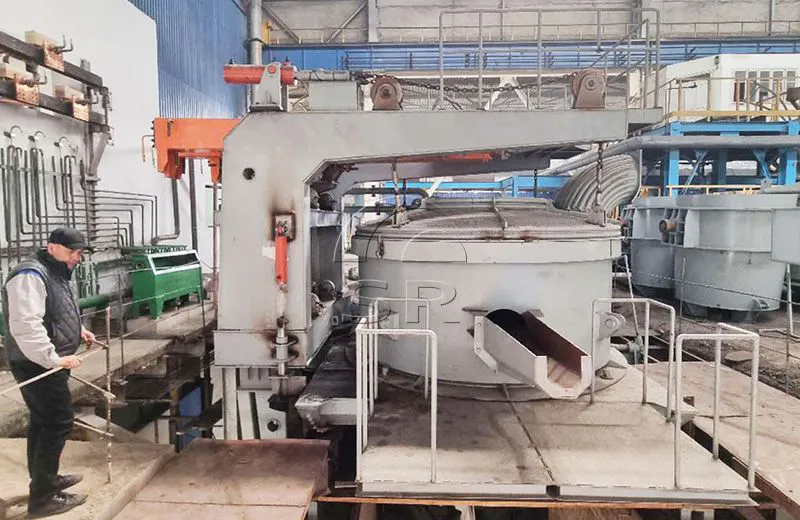
The 5 ton electric arc furnace for steel-making is a special purpose equipment that makes ordinary steel, quality carbon steel, alloy steel and non-corrosive steel with electric arc as heat source and scrap steel (iron) as raw material.
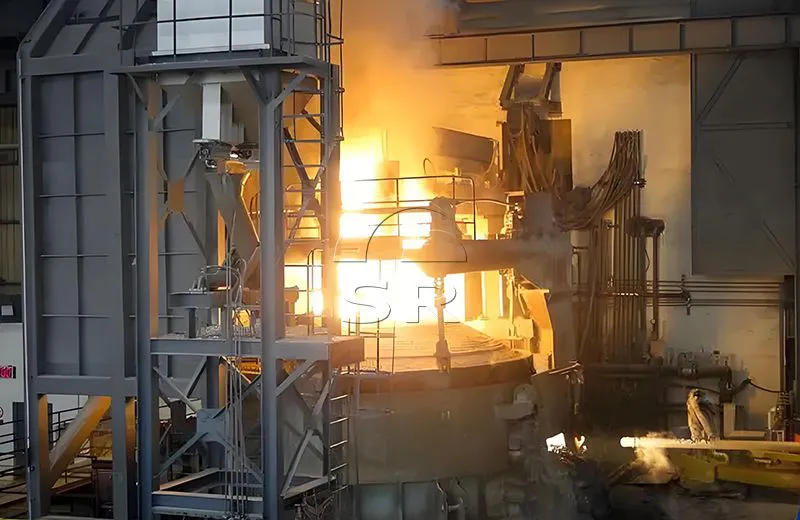
15-ton electric arc furnace is used for the short-process steelmaking process, using 100% scrap steel or scrap steel + molten iron (pig iron), or scrap steel + sponge iron (DRI) as raw materials for steelmaking.
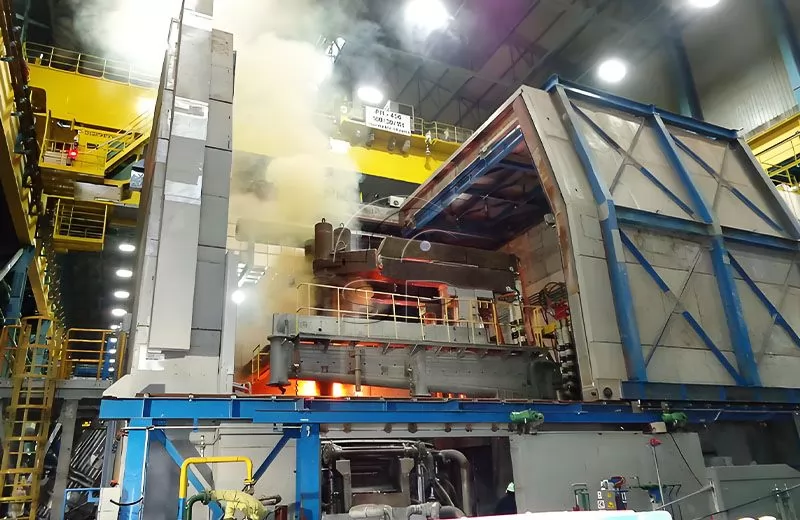
The 30-ton AC electric arc furnace is used to melt scrap steel to produce steel. Electrical energy is used to melt scrap steel. An arc forms between the charged material and the electrode.
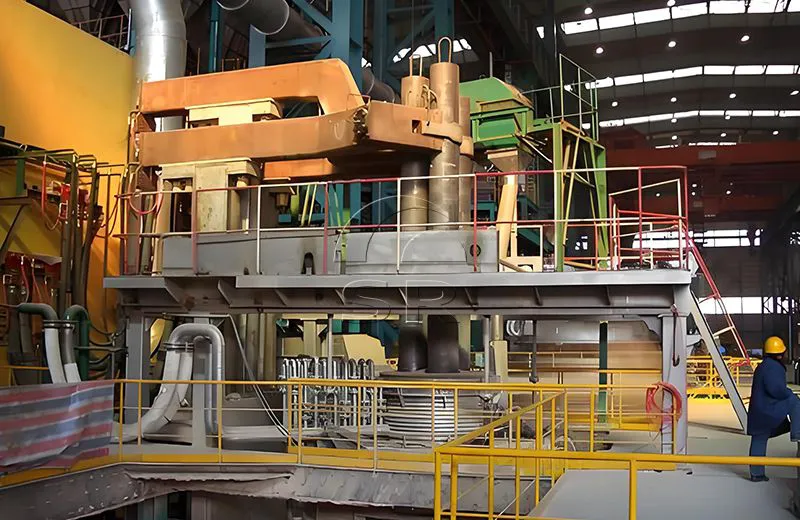
30 Ton electric arc furnace is used for steelmaking short process smelting, using 100% scrap steel or scrap steel + molten iron (pig iron), or scrap steel + sponge iron (DRI) as raw materials for steelmaking.
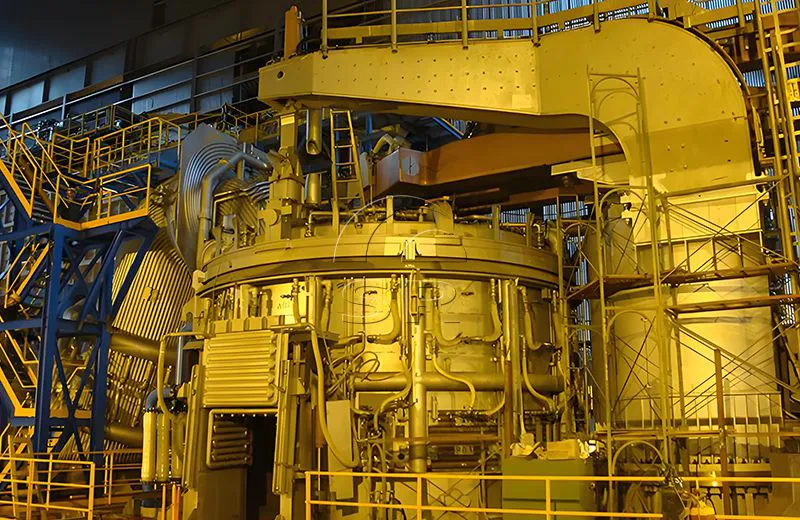
The 50-ton ultra-high power electric arc furnace (50TUPH EAF) adopts ultra-high power, high impedance technology, bottom tapping technology (ETB), furnace wall oxygen oil burner and furnace door carbon-oxygen gun technology.
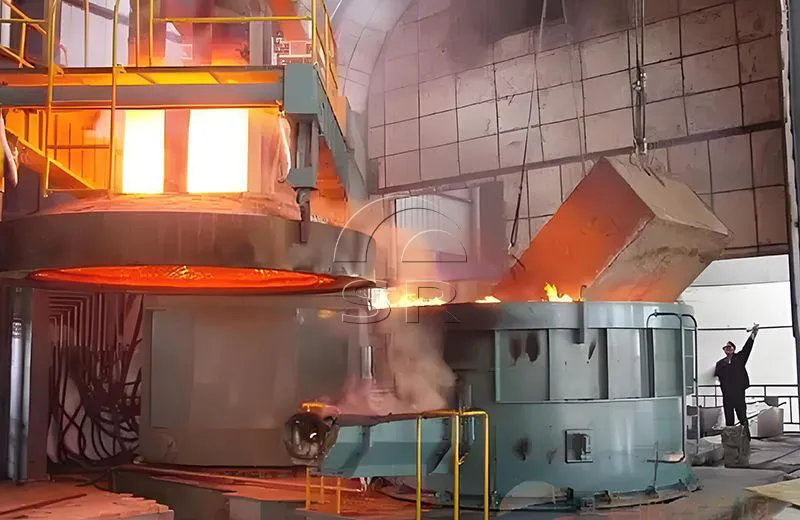
DC electric arc furnace is an electric arc furnace supplying electric energy with DC power supply. There is only one electrode on the top of the DC arc furnace, which is the negative electrode, and the bottom electrode is the positive electrode.
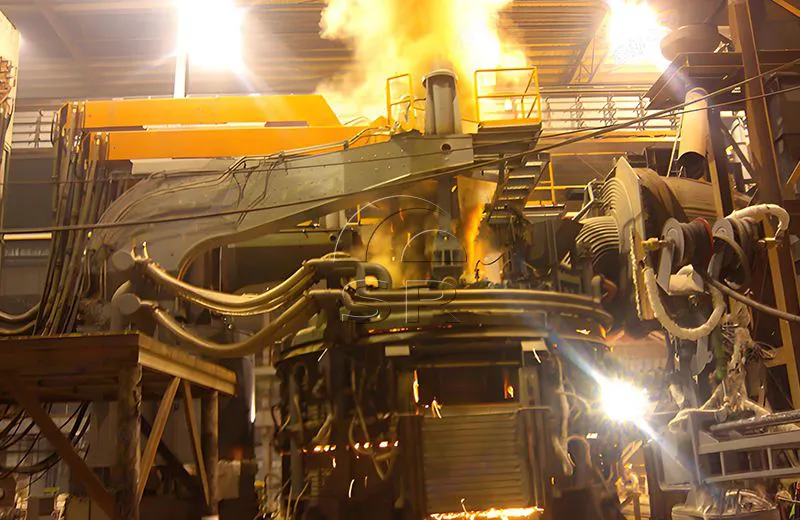
Electric arc furnaces are used to melt scrap steel for steel production. Electrical energy is used to melt scrap steel. An arc forms between the charged material and the electrode. The heat generated by the arc melts the scrap.
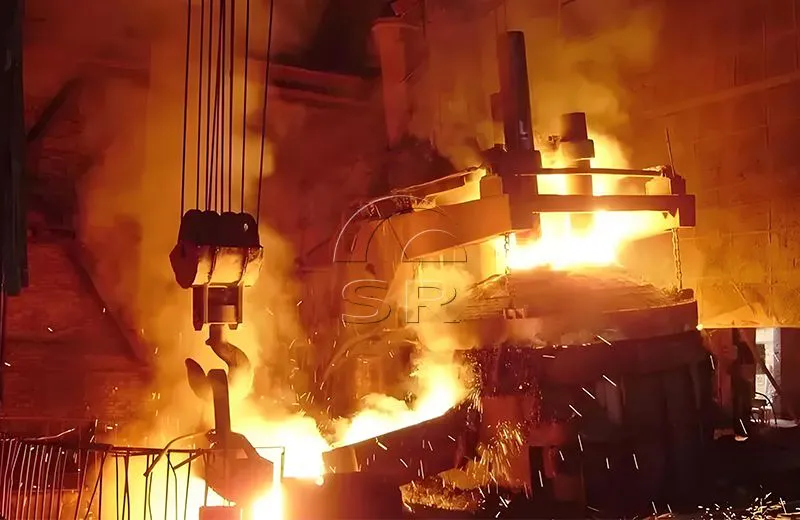
Electric arc furnace steel making is a steelmaking method that uses the thermal effect of electric arc to heat the charge for melting.
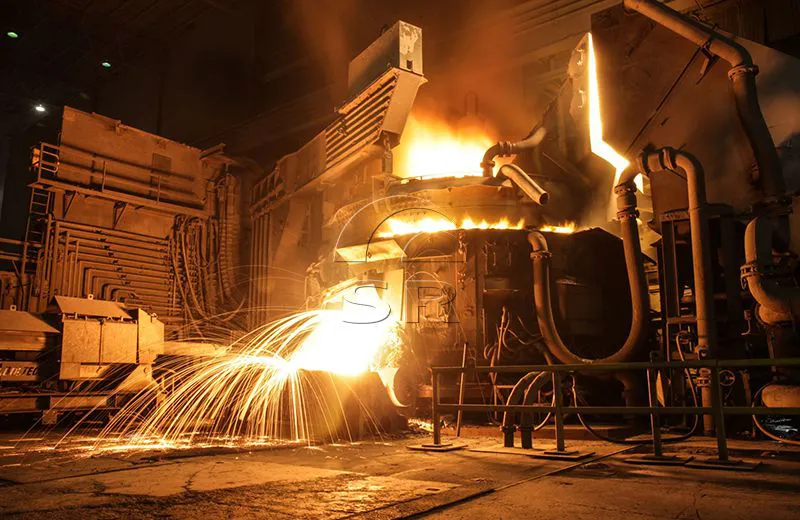
Ultra-high power electric arc furnace mainly changes the arc characteristics of high voltage and long arc to the arc characteristics of high current, low voltage and short arc
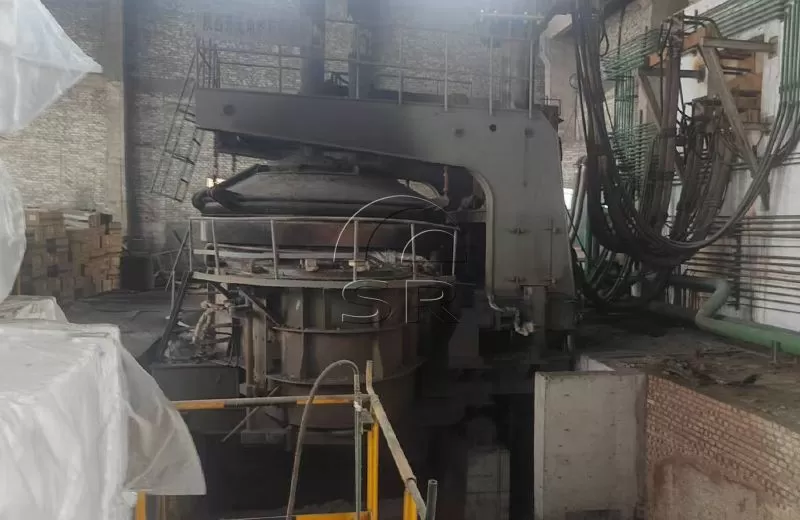
1 ton electric arc furnace is used for melting steel and titanium scrap metal. The principle of electric arc furnace is based on the generation of direct current, which converts electrical energy into heat energy through electrodes to melt the metal.
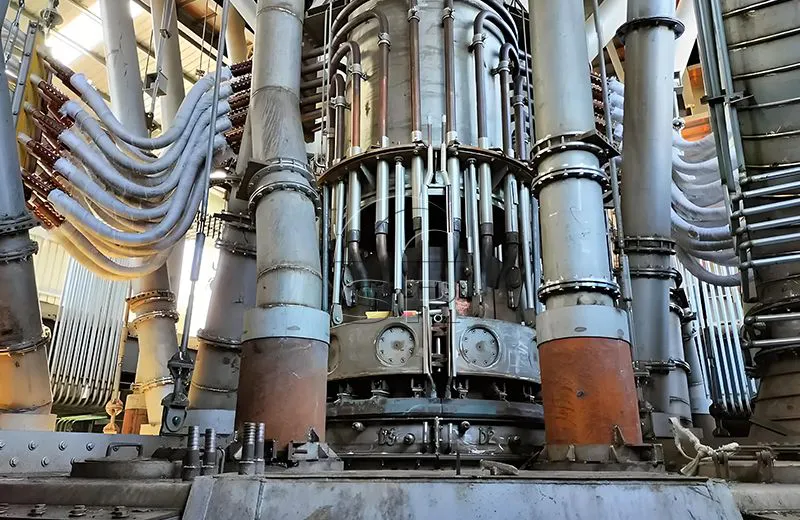
The closed pig iron furnace (submerged arc furnace iron making) is a non-blast furnace iron making method. Under the premise of guaranteeing the power supply, it is easy to solve the problem by using the reducing agent required by the submerged arc furnace iron making.
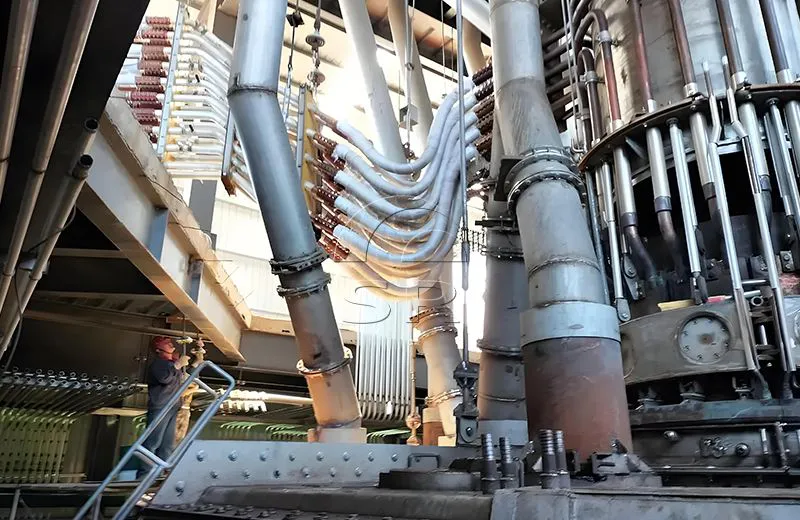
The main mechanical device design of Sanui ferroalloy refining furnace combines China's national conditions and draws on international advanced technologies such as Demark and Pyremate.
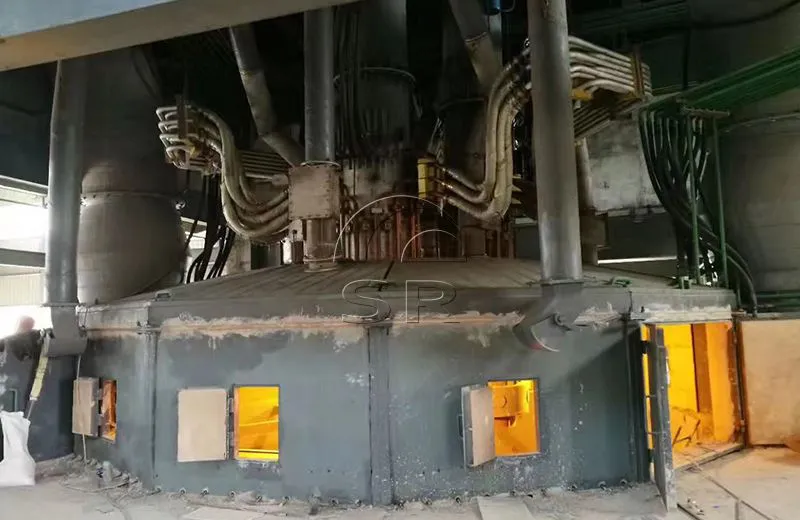
The Ferronickel submerged arc furnace is a special submerged arc furnace used for smelting nickel-iron alloy. Its main function is to add nickel ore, carbonaceous reducing agent (such as coke) and limestone and other raw materials into the furnace in a certain proportion
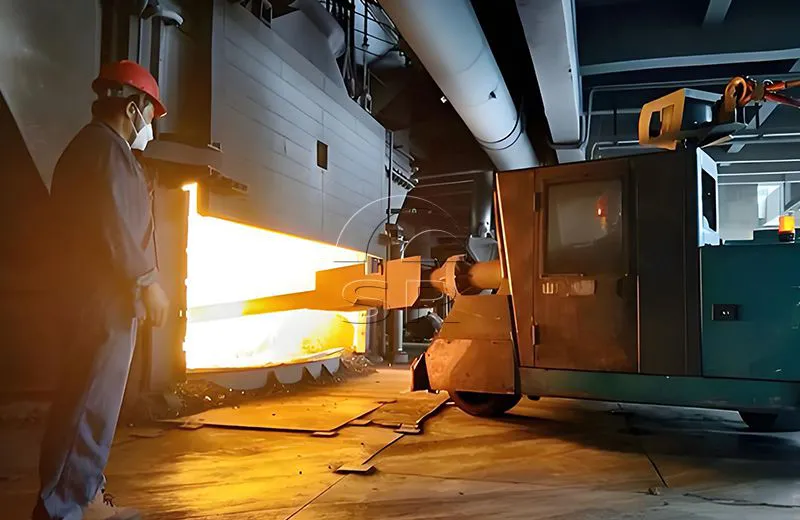
The main mechanical device design of Sanui ferrosilicon furnace combines China's national conditions and draws on international advanced technologies such as Demark and Pyremate.
The main mechanical device design of Sanui high carbon ferrochrome furnace combines China's national conditions and draws on international advanced technologies such as Demark and Pyremate.
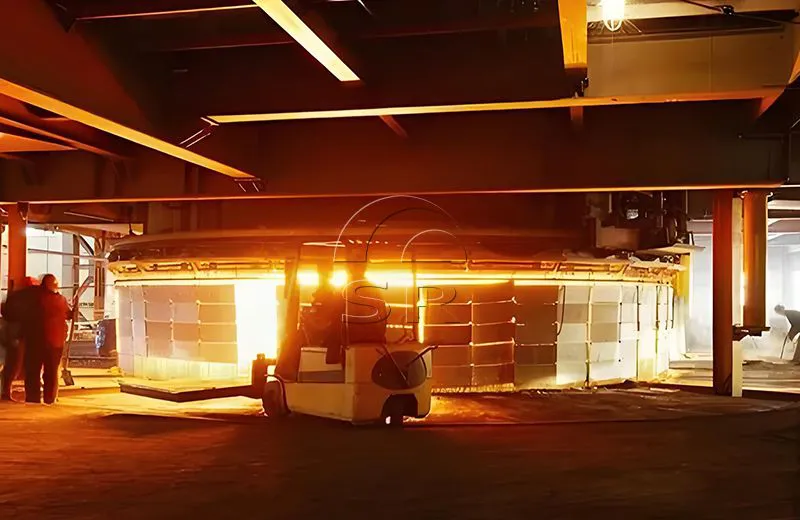
Industrial silicon submerged arc furnace is an important equipment in silicon ore processing, playing a key role in the silicon industry.
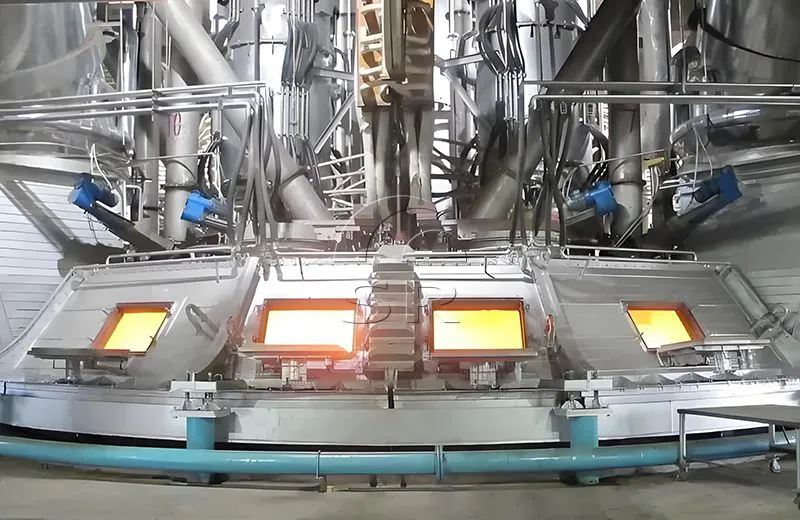
The manganese silicon alloy furnace is mainly used to smelt silicon-manganese alloy, which is an alloy containing silicon and manganese.
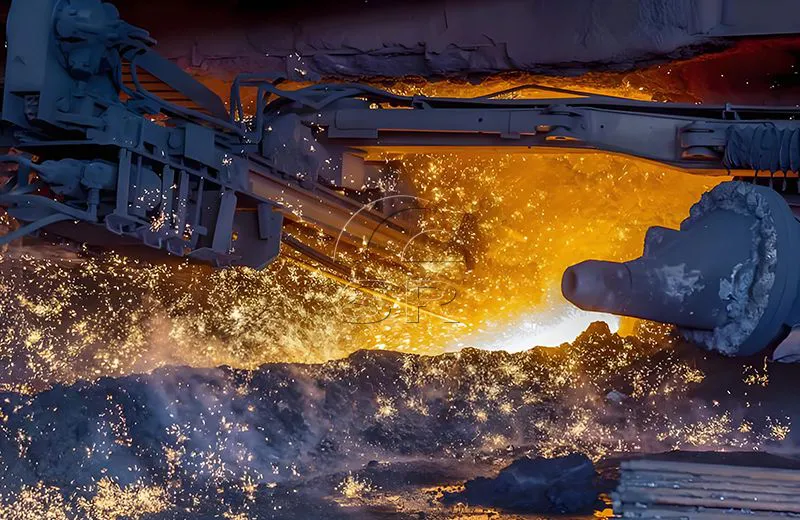
The design of the submerged arc furnace main mechanical device by Sanui is based on China's national conditions and draws on international advanced technologies such as Demark and Perlmutter.
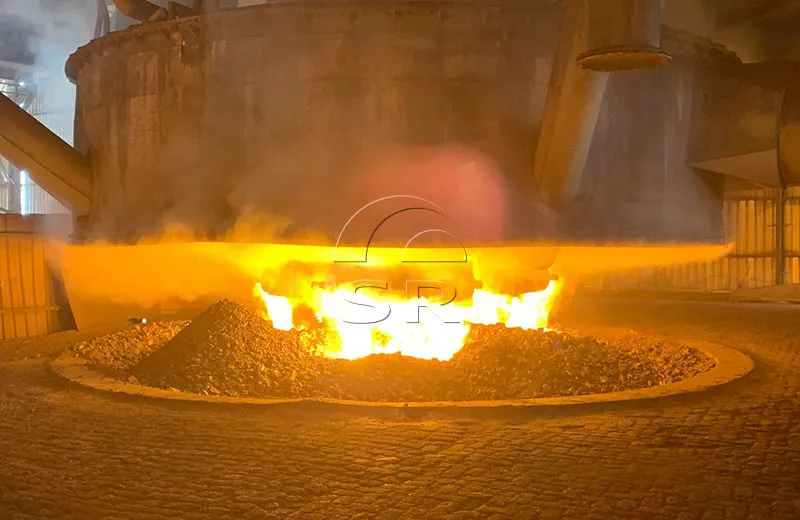
Submerged electric arc furnace is mainly used for reducing and smelting raw materials such as ore, carbonaceous reducing agent and solvent. It mainly produces ferroalloys such as ferrosilicon, ferromanganese, ferrochrome, ferrotungsten, silicon-manganese alloy, etc.
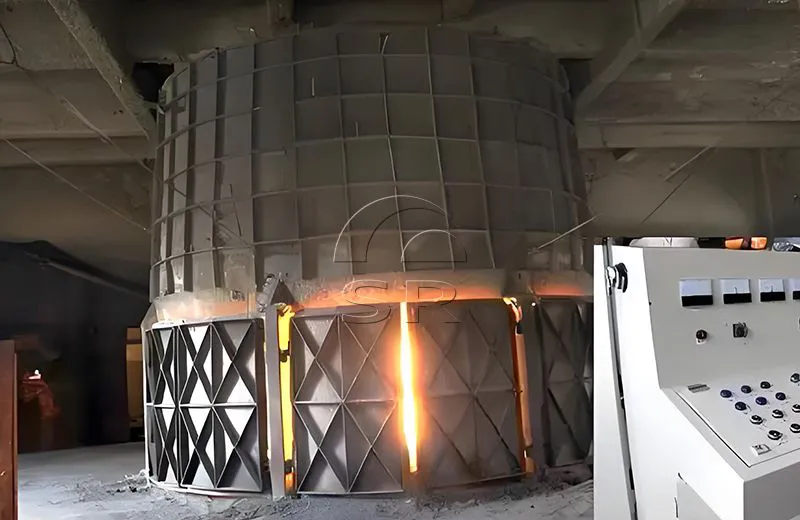
Titanium slag production adopts titanium slag electric furnace (circular furnace and rectangular furnace according to its shape) smelting process.
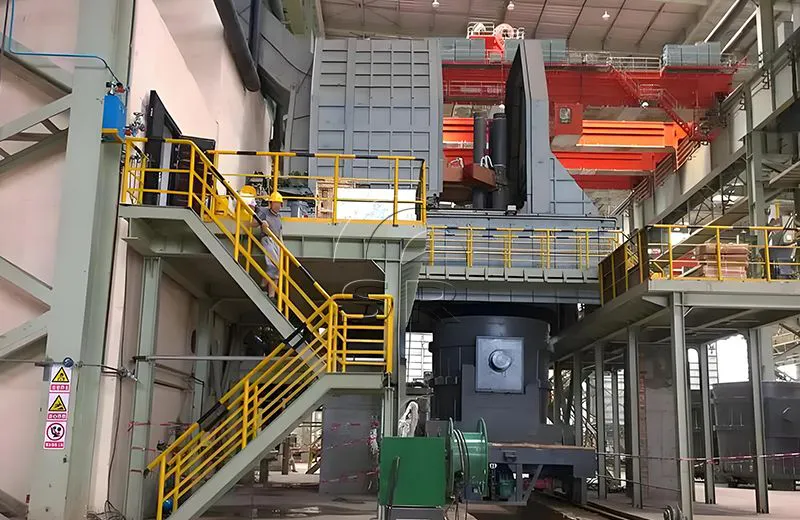
The LF 20 T ladle refining furnace has the functions of arc heating under normal pressure, argon blowing and stirring at the bottom of the ladle, and reducing slag making in the ladle.
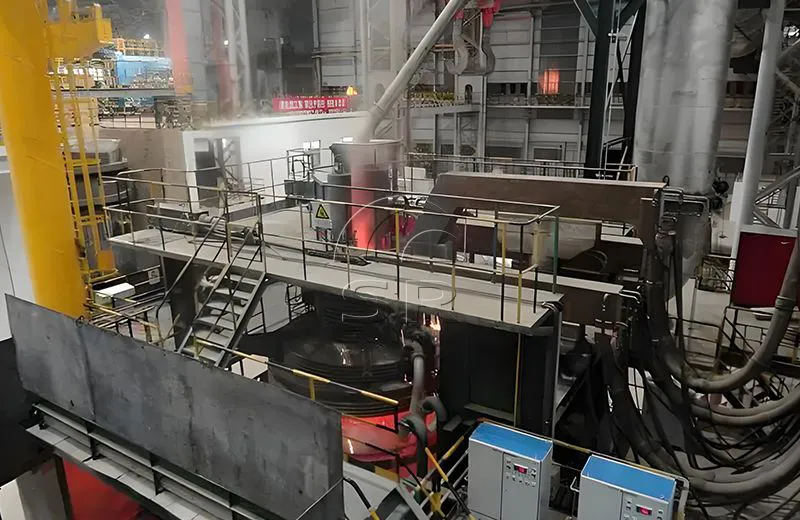
LF ladle refining furnace is a bottom-blown argon ladle furnace with three-phase submerged arc heating under normal pressure. It is a device for refining molten steel in a ladle.
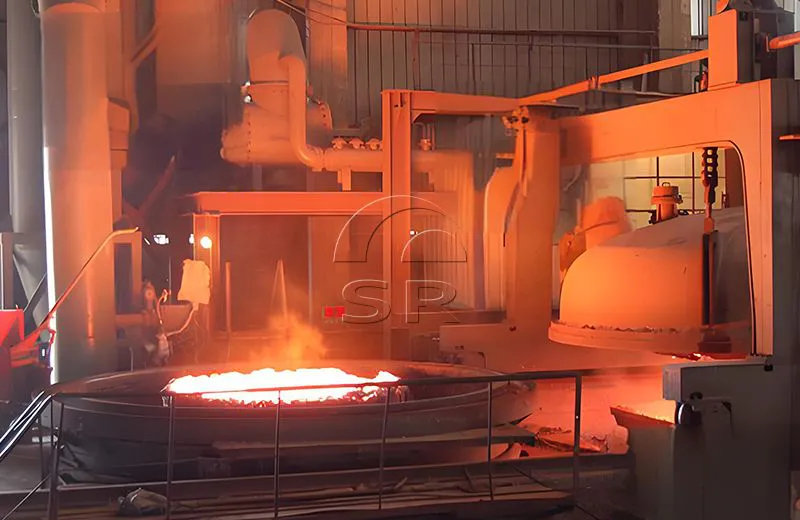
VD vacuum refining furnace is a commonly used refining process equipment, mainly used for deoxidation, impurity removal and other operations of molten steel, so as to obtain high purity, low impurity content of high quality steel.
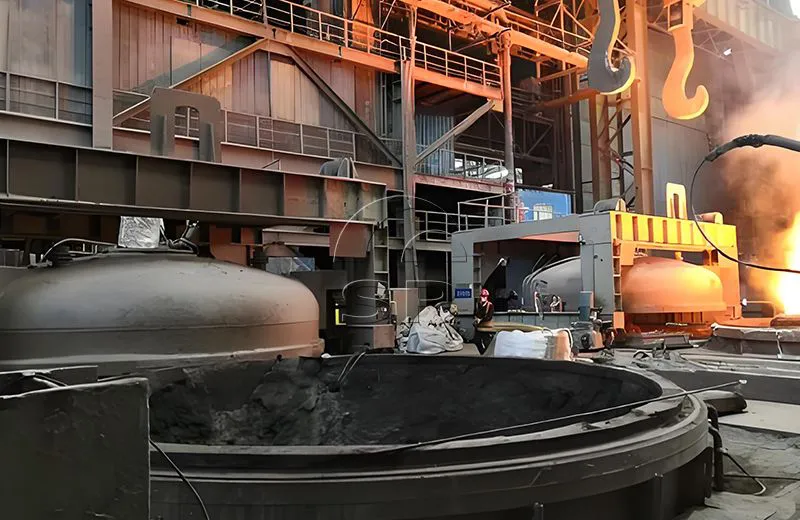
VOD vacuum refining furnace has multiple functions such as vacuum degassing, oxygen blowing decarburization, vacuum charging, argon blowing stirring, non-vacuum temperature measurement sampling, wire feeding, etc.
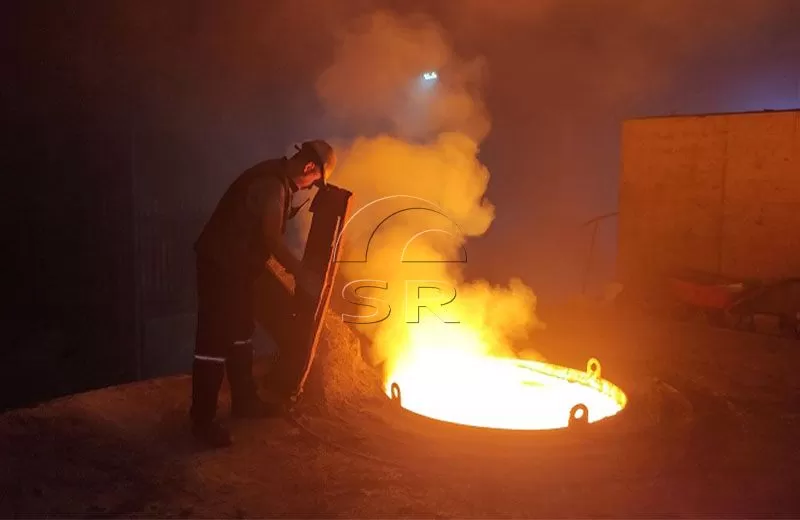
The cast steel melting induction furnace has outstanding advantages in heat penetration or melting soft magnetic alloys, high resistance alloys, platinum group alloys, heat-resistant, corrosion-resistant, wear-resistant alloys and pure metals.
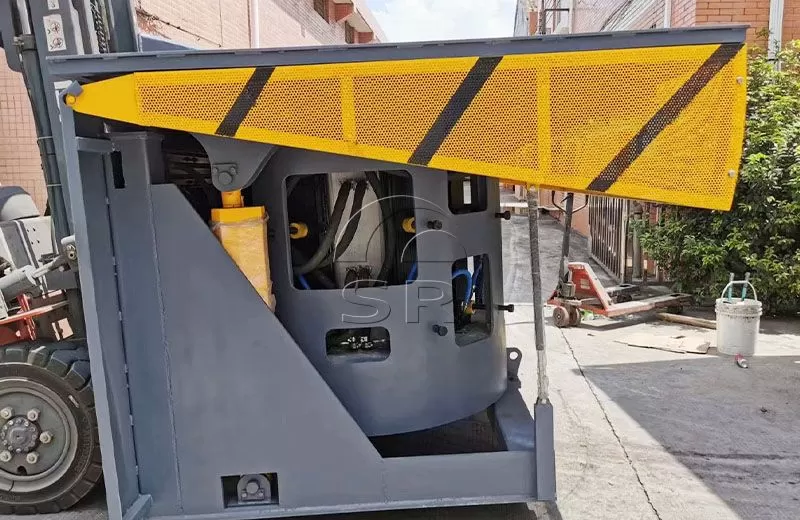
Metal silicon smelting furnace is a metal silicon medium frequency melting furnace, which consists of furnace body, water and electricity introduction system, furnace tilting device, etc. It has fast melting temperature rise, easy to control furnace temperature and high production efficiency.
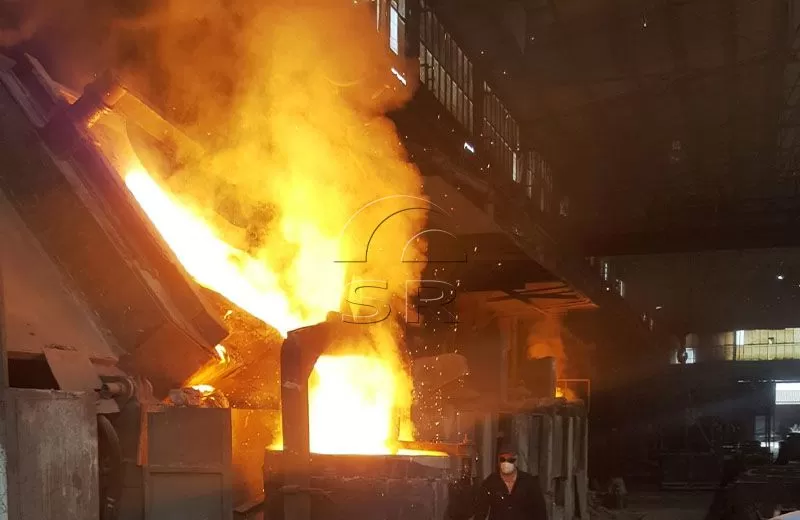
Medium frequency induction furnace mainly used for melting steel, alloy steel, special steel, stainless steel, and can also be used for melting and casting non-ferrous metals such as copper, aluminum, lead, zinc, etc. The customized range of induction furnaces sold by Sanrui ranges from 0.1 tons to 10 tons.
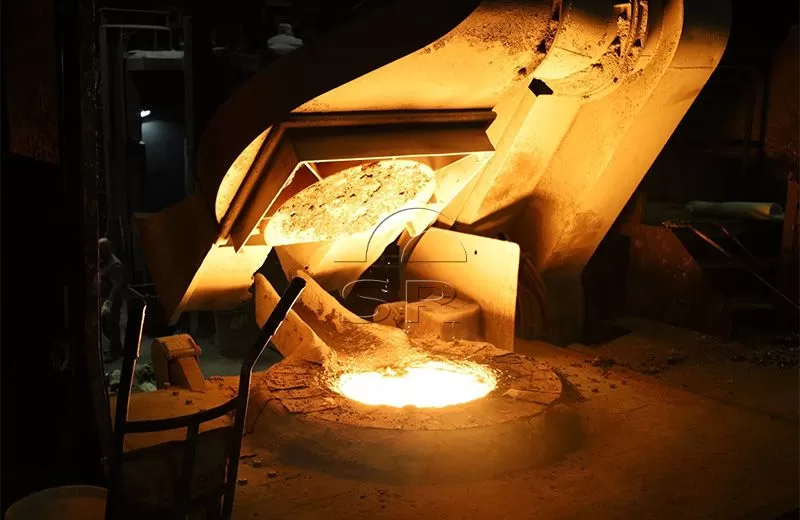
Medium frequency induction furnaces are mainly used for melting steel, alloy steel, special steel, stainless steel, and can also be used for melting and casting non-ferrous metals such as copper, aluminum, lead, and zinc.
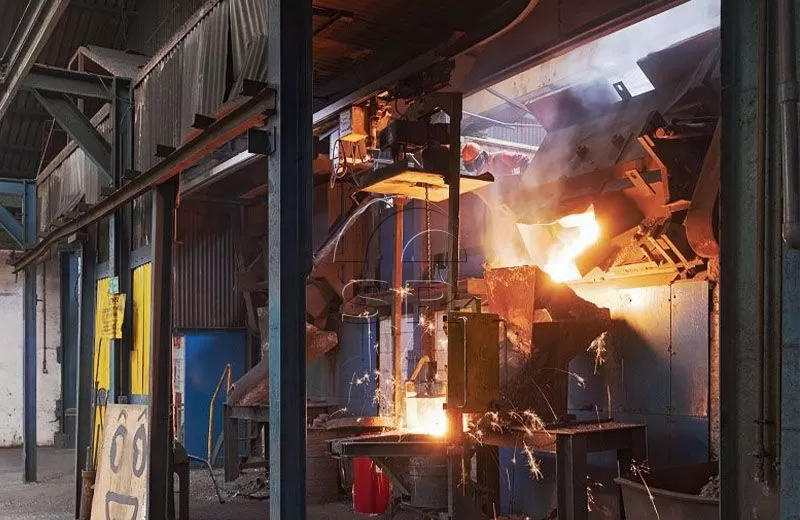
Medium frequency aluminum melting furnace is used for melting and heating aluminum, scrap aluminum, aluminum ingots, and aluminum alloys; The melting capacity ranges from 100KG to 3000KG.
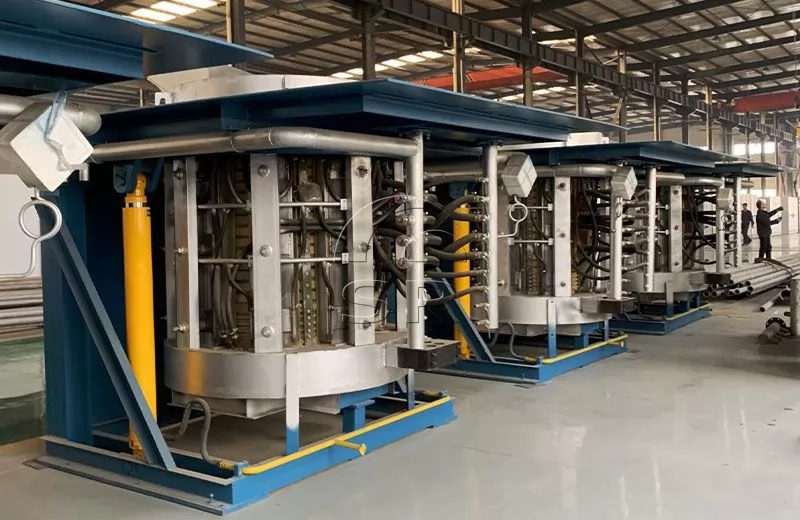
An induction furnace is an electric furnace that uses the induction electrothermal effect of the material to heat or melt the material. The main components of an induction furnace are sensors, furnace body, power supply, capacitors and control system.
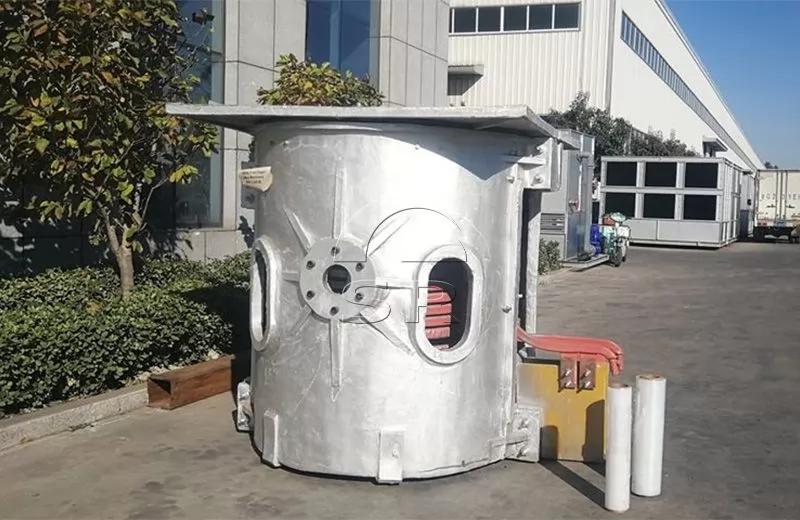
The 3-ton medium frequency coreless induction furnace adopts a 6-phase 12-pulse double rectifier control system. A 2000KVA special rectifier transformer is used for the 2000KW medium frequency power supply.
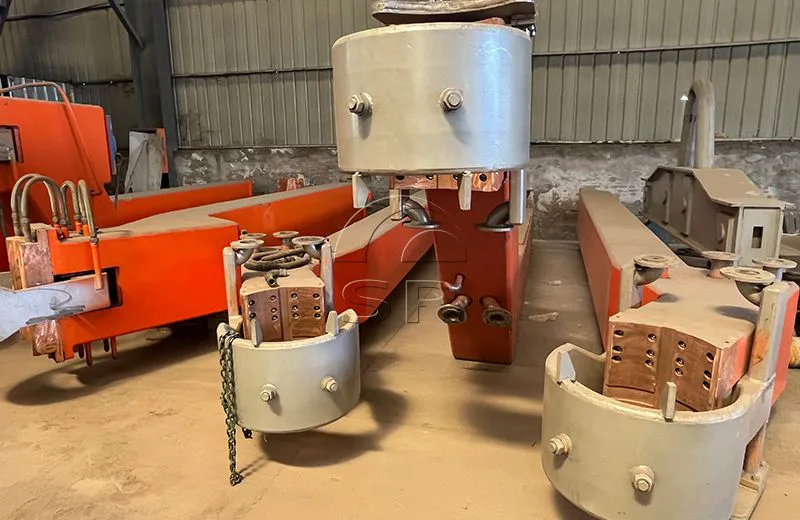
The conductive arm of an electric arc furnace (EAF) is primarily composed of the front electrode conductive arm holder, a water-cooled clamping ring, the arm body, and the rear conductive copper plate.
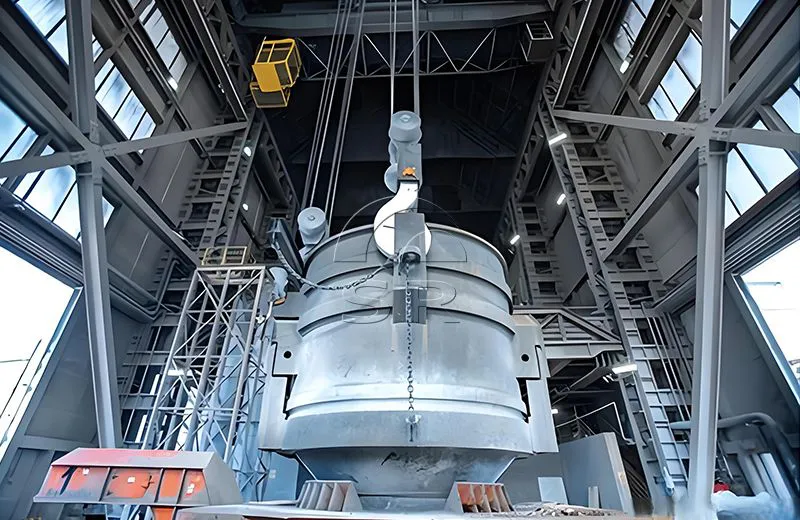
The scrap charging basket of the electric arc furnace is mainly used for loading and conveying raw materials such as scrap steel into the electric arc furnace for smelting.
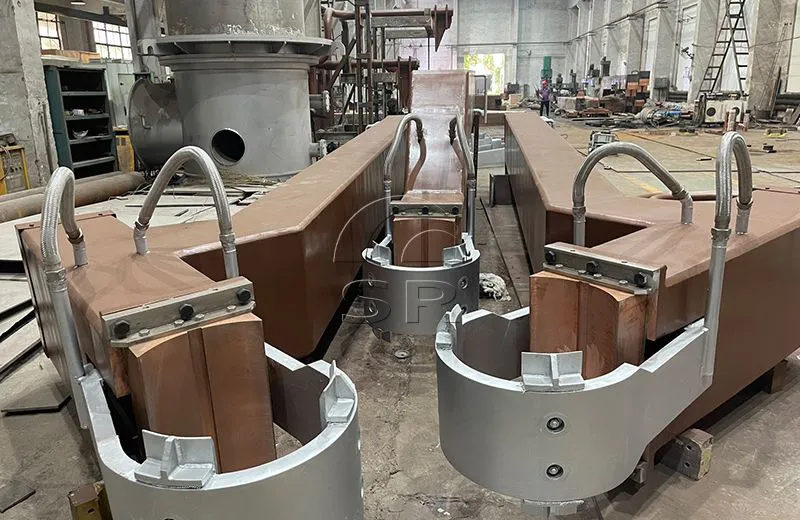
There are many insulation links between the EAF electrode holder and the conductive cross arm body, which greatly simplifies the cconductive cross arm structure and is a new type of electrode arm on the ultra-high power arc furnace.
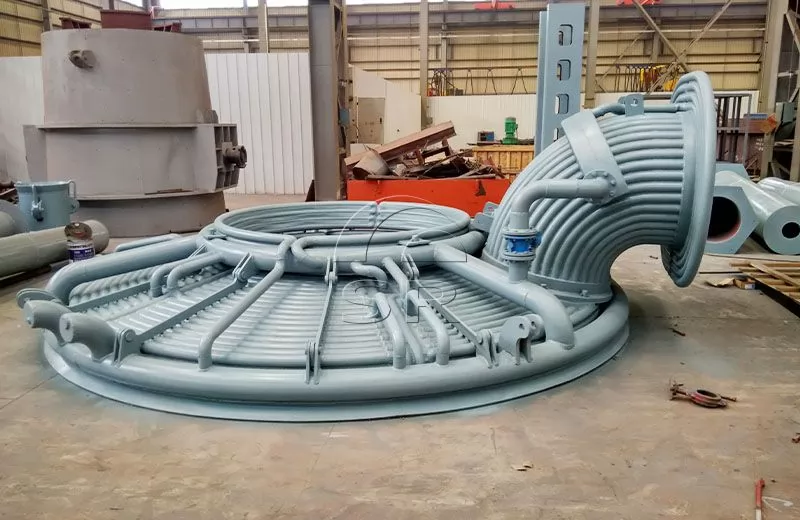
Generally, the furnace cover of the electric arc furnace adopts the tubular water-cooled closed tube furnace cover structure.
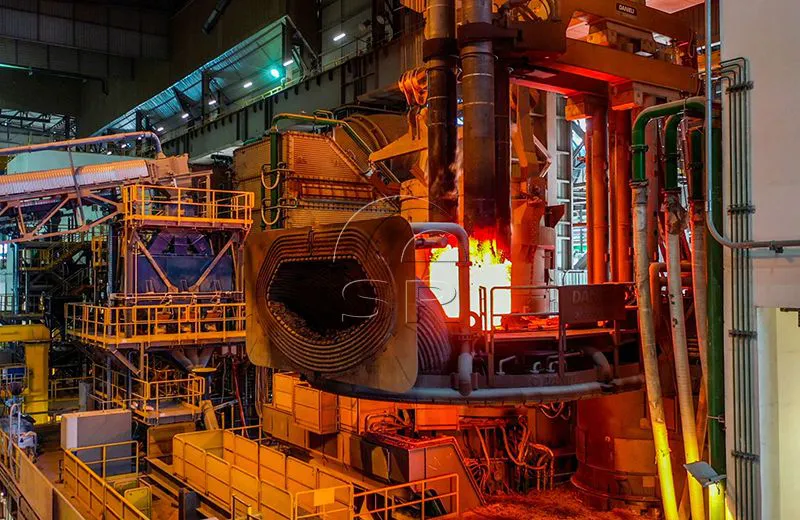
The electrode lifting mechanism of electric arc furnace is composed of conductive cross arm and electrode column device.
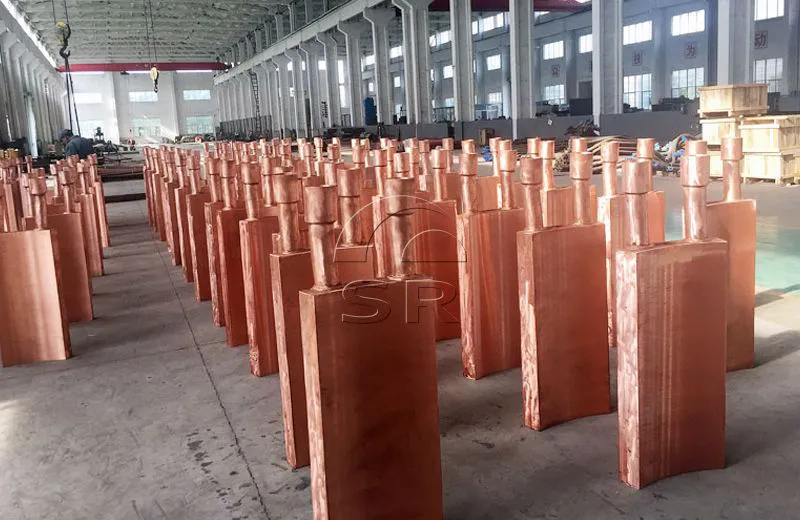
Forged copper tile is one of the main accessories in submerged arc furnace (silicon metal furnace, calcium carbide furnace and iron alloy furnace). It generates heat energy due to passing through large current at high temperature, and is easy to be damaged due to poor working environment.
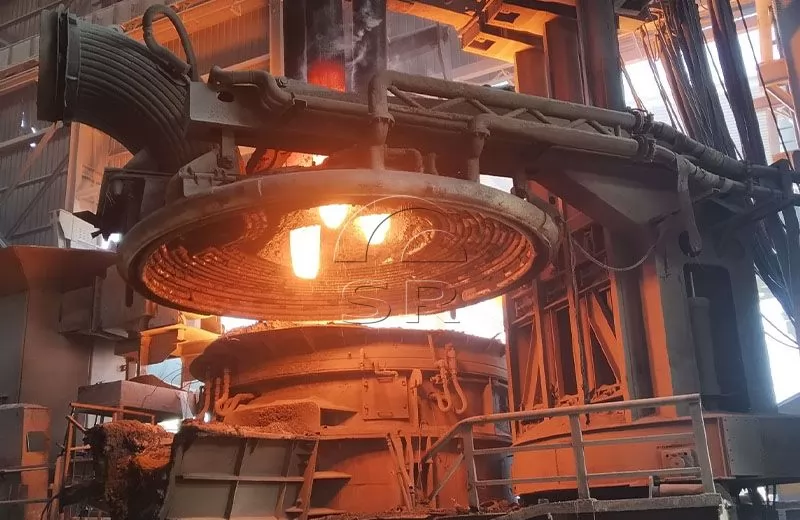
The furnace cover lifting and rotating device consists of a furnace cover lifting mechanism, a rotating mechanism and a rotating frame.
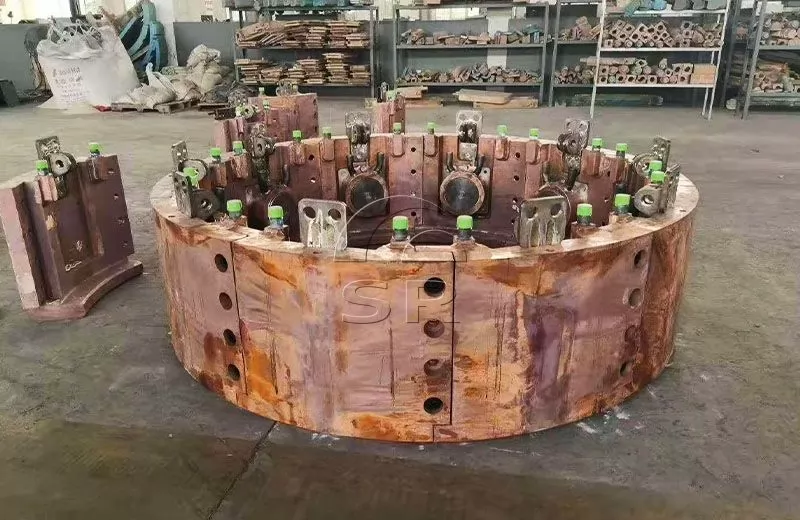
Submerged arc furnace pressure ring is used to monitor the change of air pressure in the furnace in real time, and adjust the air pressure automatically or manually according to the preset parameters to ensure the stability of air pressure in the furnace
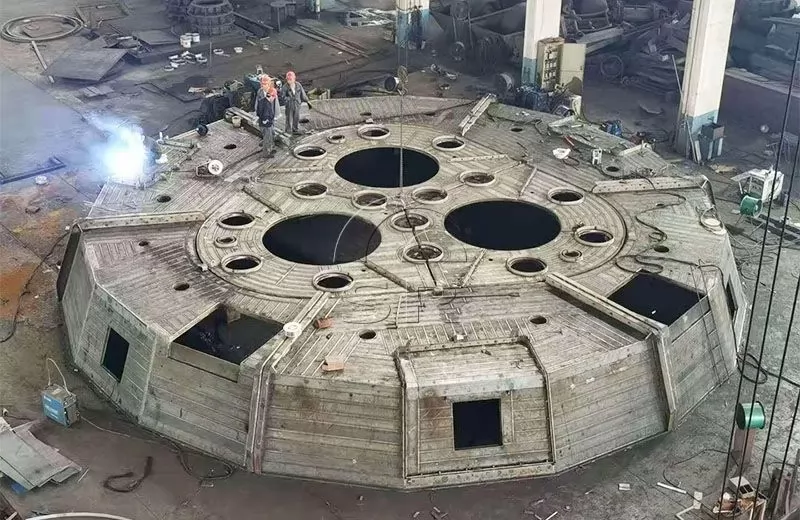
Submerged arc furnace water-cooled Roof is an important part of submerged arc furnace (also known as electric arc furnace, calcium carbide furnace or mining furnace), which is mainly used to close the top of furnace body and bear the high temperature and pressure in the furnace.
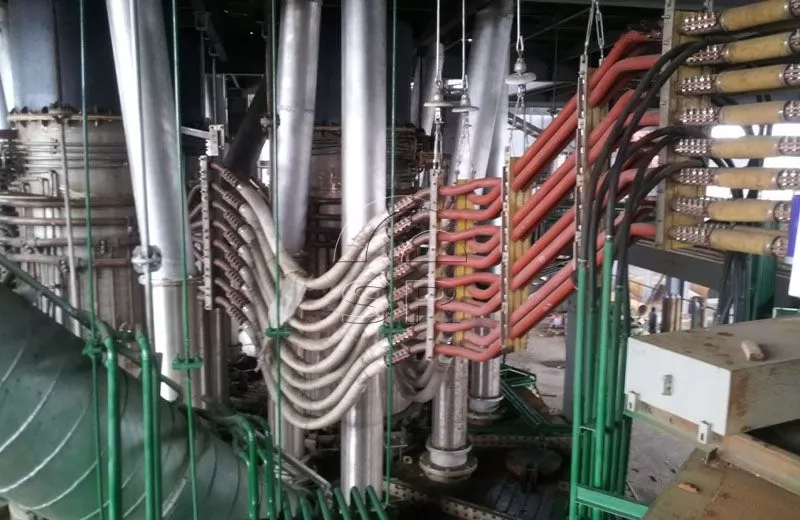
Short network bus systems), also known as high current line, refers to the general term of the carrier fluid from the secondary outlet terminal of the transformer to the electrode (including the electrode).
Navigation
E-mail: anna@srfurnace.com
Tel: +86 159 2955 5868
WhatsApp: +86 159 2955 5868
Add:
Room 422, 4th Floor, Building D, No. 5, Phase I, Fengdong Free Trade Industrial Park, Xixian New District, Shaanxi Province