Jul. 31, 2026
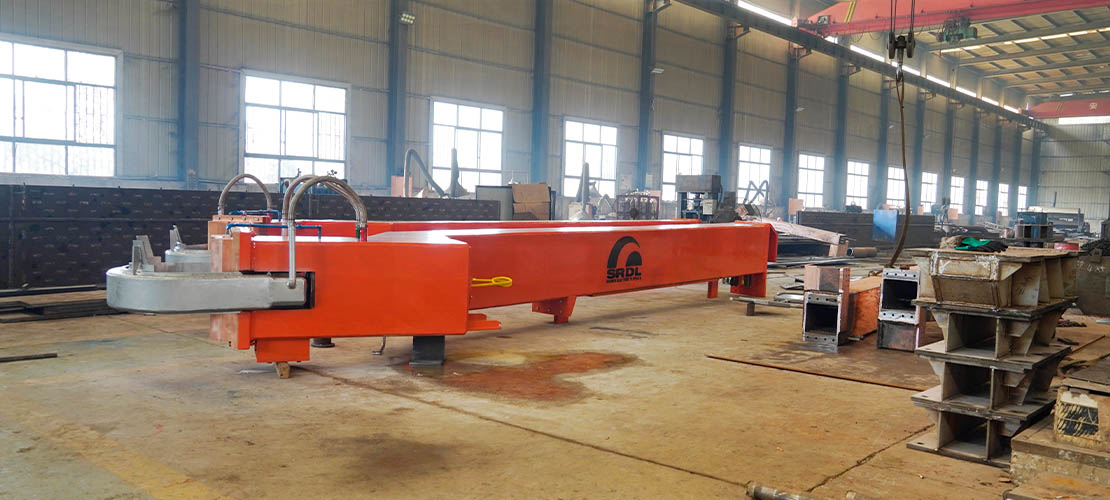
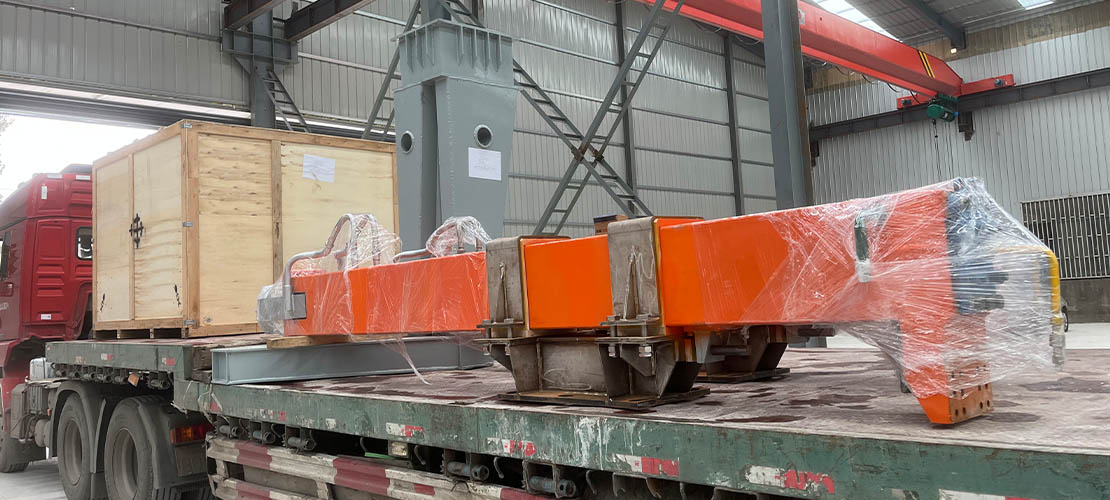
The conductive electrode arm is an important component of metallurgical equipment such as electric arc furnaces (EAFs), ladle refining furnaces (LFs), and electroslag remelting furnaces (ESRs). It integrates the functions of electrical conduction and electrode support into a single structure, replacing the conventional water-cooled conductive copper tube arrangement and many insulating components, thereby simplifying the furnace busbar system.
The conductive electrode arm generally features a rectangular frame or box-beam structure with internal water cooling. Copper-steel composite plate is the main material used, with the outer copper layer providing electrical conductivity and the inner steel layer providing mechanical support. Fully aluminum-alloy profiles are also emerging as an important development trend.
The main advantages of conductive electrode arms include low weight, low impedance, and high structural rigidity. They can reduce power consumption and electrode consumption while increasing power input and improving production efficiency.
In an electric furnace, the conductive electrode arm clamps and supports the electrode while transmitting electrical energy to the electrode, enabling it to generate heat for melting and heating.
By integrating the electrical conduction and electrode-supporting functions of the conventional electrode arm, the conductive electrode arm eliminates the separate conductive copper tubes and many insulating components traditionally used on electrode arms. This simplifies the furnace busbar system and increases the current-carrying area, significantly reducing impedance and maintenance requirements.
A conductive electrode arm generally consists of an arm body, an electrode clamping system such as a butterfly-spring clamp with a pneumatic or hydraulic release mechanism, an electrode holder, a cooling-water system including water inlet and return lines, and water-cooled cable connection plates.
The arm typically has a rectangular cross section, with its height greater than its width. Two main cooling methods are used: hollow-jacket water cooling and integrated water cooling.
Conductive electrode arms are mainly manufactured from copper-steel composite plates, with the outer copper plate providing electrical conductivity and the inner steel plate providing mechanical support. The two materials are bonded by explosive welding, which is a mainstream material solution in China.
In recent years, fully aluminum-alloy conductive electrode arms have emerged as a new technology. They offer advantages such as low weight, high strength, and short manufacturing lead times, making them an important development trend, particularly for DC electric arc furnaces.
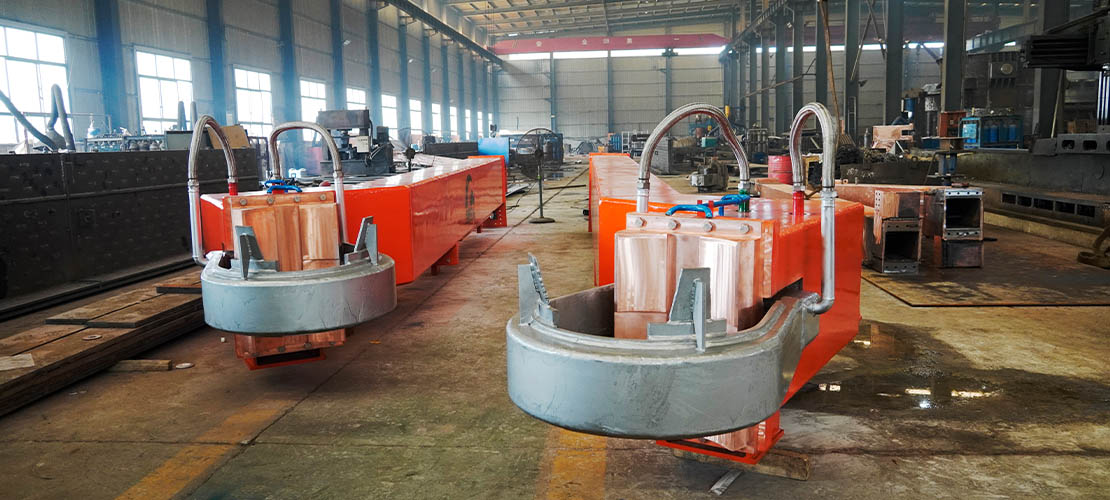
The conductive electrode arm generally features a rectangular frame structure. The outer structure is made of copper-steel composite plate or aluminum alloy, while internal water-cooling passages are provided to remove heat.
By using the outer surface for electrical conduction and internal passages for water cooling, the conductive electrode arm integrates the electrode-supporting and current-carrying functions into one structure, thereby simplifying the conventional furnace busbar system.
A conductive electrode arm generally consists of the following components:
Arm body
Electrode clamping system, including the electrode clamp and electrode holder
Electrode spray ring
Electrode air-blowing and cleaning system
Water-cooled cable connection plate
Water inlet and return lines
Flexible metal hoses
Two main cooling configurations are generally used: hollow-jacket water cooling and integrated water cooling. Most designs adopt an integrated internal and external jacket water-cooling configuration.
For copper-steel composite conductive electrode arms, the outer copper plate provides electrical conductivity, while the inner steel plate provides mechanical support. The two plates are bonded through explosive welding to form the composite structure.
Fully aluminum-alloy conductive electrode arms use aluminum-alloy profiles for the internal core tube, surrounding side plates, and intermediate reinforcing ribs of the arm body. These components are manufactured using a one-piece extrusion process, with copper-aluminum composite plates installed at the front and rear ends.
This technology offers advantages such as low overall weight, high strength, attractive appearance, no welding for the main extruded structure, good corrosion resistance, and short manufacturing lead times.
Fully aluminum-alloy conductive electrode arms have been widely used in Japan, particularly in DC electric arc furnaces.
Modern conductive electrode arm designs increasingly use engineering software such as ANSYS for structural optimization.
The development trend is toward fully aluminum-alloy conductive electrode arms. To further improve performance, new designs such as immersion-cooling structures and patented improvements to components such as electrode-holder connection plates have also been developed.
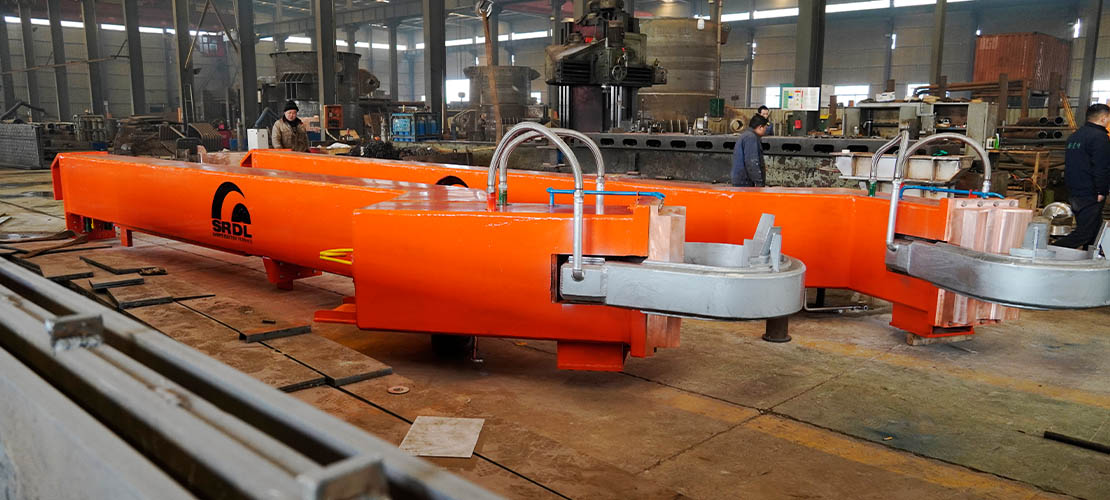
The conductive electrode arm uses a hollow cross section and a double-layer copper-steel composite plate structure, which significantly reduces the skin effect and electrical impedance while improving electrical and thermal efficiency.
The hollow box-section structure and internal water-cooling passages significantly improve the strength and rigidity of the conductive electrode arm.
This helps maintain stable electrode movement and adjustment without excessive vibration and contributes to stable arc operation.
Compared with conventional steel-tube electrode arms, conductive electrode arms have a lower overall weight and lower moving inertia.
This is beneficial for frequent electrode lifting, lowering, and positioning adjustments.
The use of conductive electrode arms can reduce power consumption and electrode consumption, shorten melting time, and reduce thermal downtime, thereby generating significant economic benefits.
Other advantages include:
Low reactance and electrical resistance
Good insulation and cooling performance
Easy installation, removal, and maintenance
High structural rigidity
Improved arc stability
Reduced refractory consumption
Reduced maintenance workload
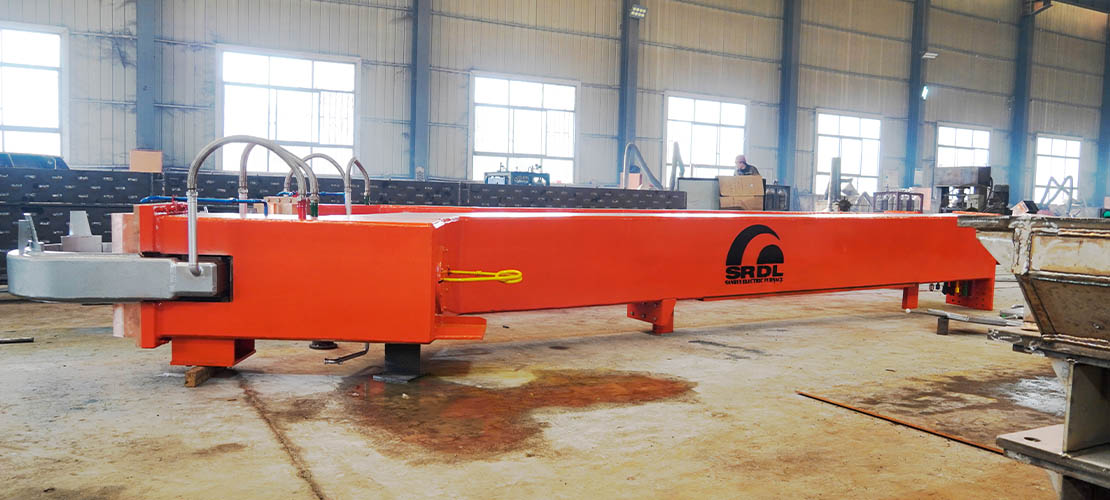
The core technology of the conductive electrode arm lies in the use of specific composite materials, such as copper-steel composite plates or aluminum-steel composite plates, combined with optimized structural design.
These technologies integrate the electrical conduction and electrode-supporting functions of the electrode arm into a single structure, replacing the conventional water-cooled conductive copper tube arrangement.
The main technological solutions include copper-steel composite conductive electrode arms and fully aluminum-alloy conductive electrode arms.
A copper-steel composite conductive electrode arm uses explosive welding to bond the outer copper plate and inner steel plate into a composite structure.
The composite plates are fabricated into a rectangular frame structure with internal water-cooling passages.
This technology significantly increases the current-carrying area and reduces electrical reactance and resistance, allowing power input to increase by approximately 3%–6%.
After adopting a conductive electrode arm, reduced power and electrode consumption and shorter melting times can generate significant direct economic benefits.
For example, the reported annual direct economic benefit can reach approximately RMB 1.5 million for a 10-ton EAF and more than RMB 2.1 million for a 30-ton EAF.
The reported operating improvements include:
For a 10-ton EAF, melting power consumption decreases by approximately 6.5%, while the melting rate increases by approximately 8.9%.
For a 30-ton EAF, melting power consumption decreases by approximately 12.7%, while the melting rate increases by approximately 13.3%.
The copper-steel composite structure provides high rigidity and strong electrode clamping force, allowing rapid electrode adjustment. At the same time, its simplified structure reduces the number of insulating components and maintenance requirements.
In ultra-high-power electric arc furnaces, water-cooled copper-steel composite conductive electrode arms can further reduce the impedance of the high-current furnace busbar system, improve current-carrying efficiency, and reduce power consumption.
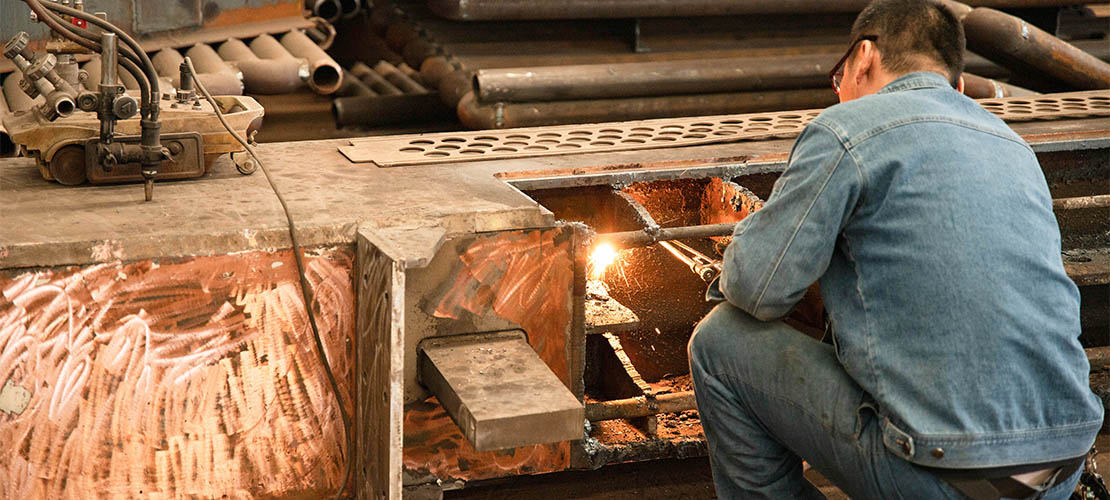
In a fully aluminum-alloy conductive electrode arm, the internal core tube, surrounding side plates, and intermediate reinforcing ribs of the arm body are all made from aluminum-alloy profiles.
These components are manufactured using a one-piece extrusion process, with copper-aluminum composite plates installed at the front and rear ends.
This technology offers advantages such as:
Low overall weight
High strength
Short manufacturing lead time
Attractive appearance
No welding required for the main extruded structure
Good corrosion resistance
Because DC power supply does not have the typical AC skin effect, aluminum-alloy conductive electrode arms offer greater advantages than copper-steel composite conductive electrode arms in DC electric arc furnaces.
Other key technologies include internal water cooling, which enables the conductive electrode arm to withstand the intense heat and flame exposure generated during furnace operation.
For structural optimization, engineering software such as ANSYS can be used for design and analysis.
Other developments include automatic detection technology for conductive electrode arm column positions and furnace busbar optimization software.
These technologies can improve three-phase impedance balance, with the impedance imbalance controlled to ≤2.5%.
Component-level improvements include the use of butterfly-spring clamps for reliable electrode clamping.
Electrode holders may be manufactured from chromium-copper alloys or copper-steel composite plates and equipped with internal water cooling to extend their service life.
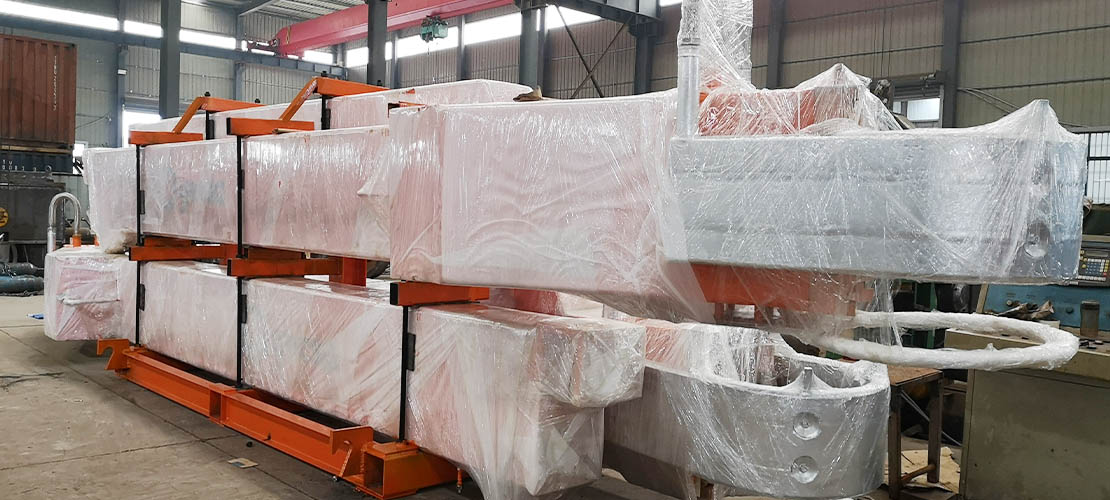
The conductive electrode arm is an important part of the furnace busbar system and should not be considered as an isolated component.
In high-power electric arc furnaces, the arm works together with water-cooled cables, connection plates, electrode holders, and other current-carrying components.
Increasing the effective current-carrying area of the conductive electrode arm can help reduce furnace busbar impedance. At the same time, optimizing the arrangement and connection of the furnace busbars can improve three-phase electrical balance.
Therefore, the electrical performance of a conductive electrode arm depends not only on its own material and cross-sectional design but also on its integration with the complete furnace busbar system.
The conductive electrode arm is an important component of modern electric arc furnaces, ladle refining furnaces, electroslag remelting furnaces, and other metallurgical equipment.
Its core function is to integrate electrode support, electrode clamping, and high-current electrical conduction into a single structure.
By replacing the conventional water-cooled conductive copper tube arrangement and reducing the number of insulating components, the conductive electrode arm simplifies the furnace busbar system, increases the effective current-carrying area, and helps reduce electrical resistance, reactance, and maintenance requirements.
Copper-steel composite conductive electrode arms are a mature solution for high-current furnace applications because they combine excellent electrical conductivity with high mechanical strength.
Fully aluminum-alloy conductive electrode arms, meanwhile, are becoming an important development direction because of their low weight, high strength, short manufacturing lead times, and suitability for applications requiring rapid electrode movement. They are particularly advantageous for DC electric arc furnaces.
With the continued development of high-power electric furnace technology, conductive electrode arms are expected to move toward lower impedance, lighter weight, higher structural rigidity, more efficient water cooling, and greater integration with furnace busbar systems.
Through the coordinated optimization of the conductive electrode arm, electrode clamping system, water-cooled cables, cooling circuit, and furnace busbars, it is possible to improve power transmission efficiency, reduce power and electrode consumption, stabilize arc operation, shorten melting time, and improve overall furnace productivity.
Latest News
Aug. 07, 2026
Conductive Electrode Arm for EAF | Furnace Busbar & Electrode Support
Jul. 31, 2026
Latest Products
Customized metallurgical machinery and equipment range: Electric Arc Furnace, Submerged Arc Furnace, LF Refining Furnace, Vacuum Furnace, Induction Furnace, Dust Remove System, Water Treatment Equipment, etc. Providing the most advanced equipment integration services, metallurgical equipment can be customized according to different needs of customers, and production capacity can be adjusted according to customer requirements.
Electric Arc Furnace
Submerged Arc Furnace
LF Refining Furnace
VD / VOD Vacuum Refining Furnace
Induction Furnace
Furnace Accessories
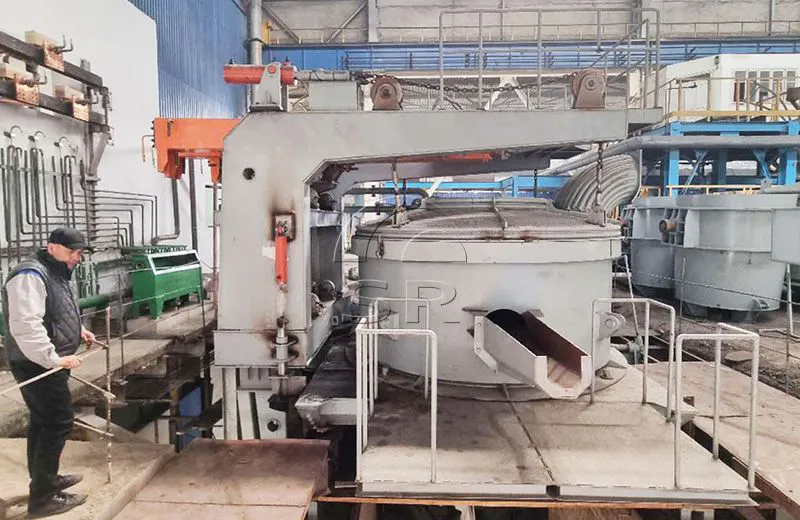
The 5 ton electric arc furnace for steel-making is a special purpose equipment that makes ordinary steel, quality carbon steel, alloy steel and non-corrosive steel with electric arc as heat source and scrap steel (iron) as raw material.
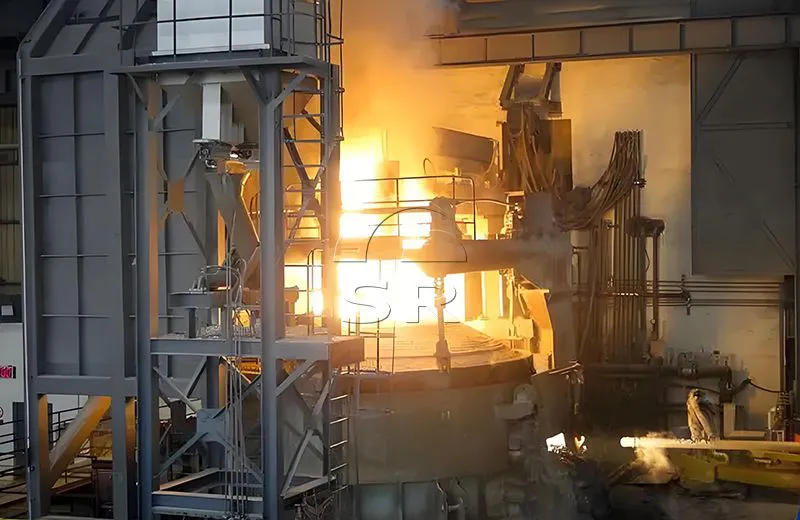
15-ton electric arc furnace is used for the short-process steelmaking process, using 100% scrap steel or scrap steel + molten iron (pig iron), or scrap steel + sponge iron (DRI) as raw materials for steelmaking.
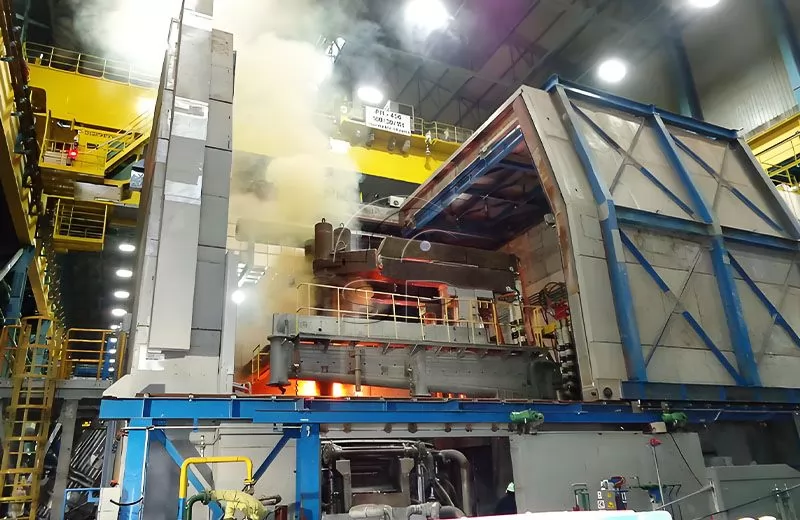
The 30-ton AC electric arc furnace is used to melt scrap steel to produce steel. Electrical energy is used to melt scrap steel. An arc forms between the charged material and the electrode.
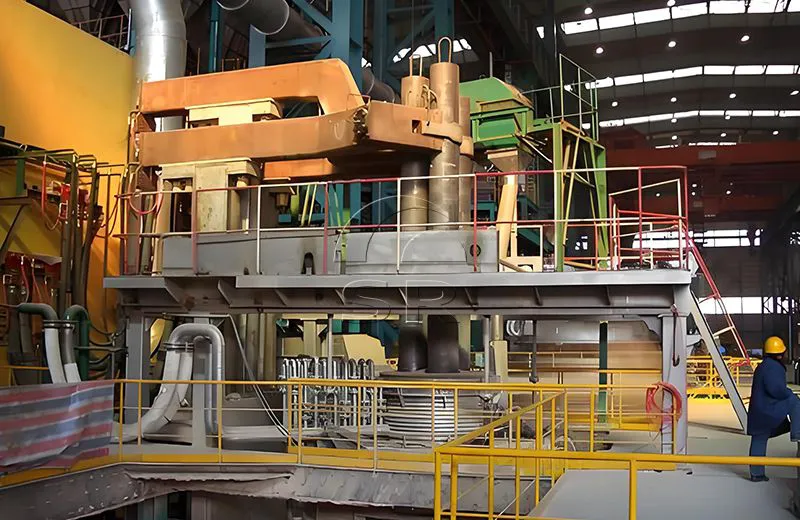
30 Ton electric arc furnace is used for steelmaking short process smelting, using 100% scrap steel or scrap steel + molten iron (pig iron), or scrap steel + sponge iron (DRI) as raw materials for steelmaking.
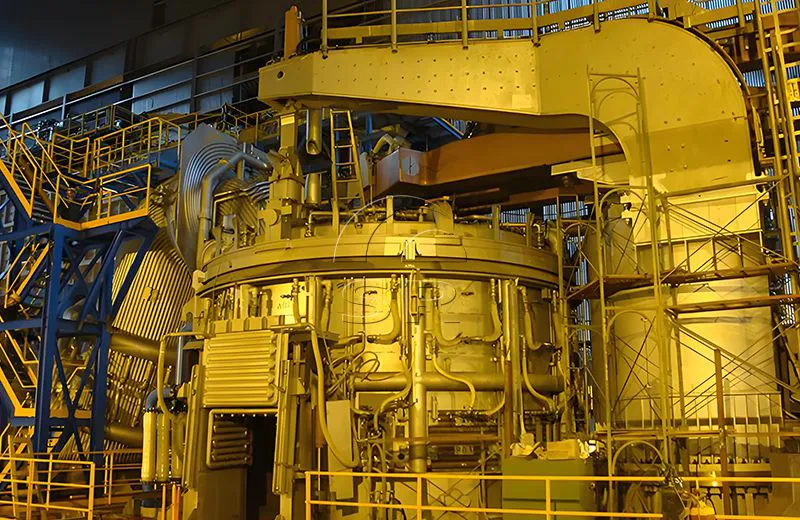
The 50-ton ultra-high power electric arc furnace (50TUPH EAF) adopts ultra-high power, high impedance technology, bottom tapping technology (ETB), furnace wall oxygen oil burner and furnace door carbon-oxygen gun technology.
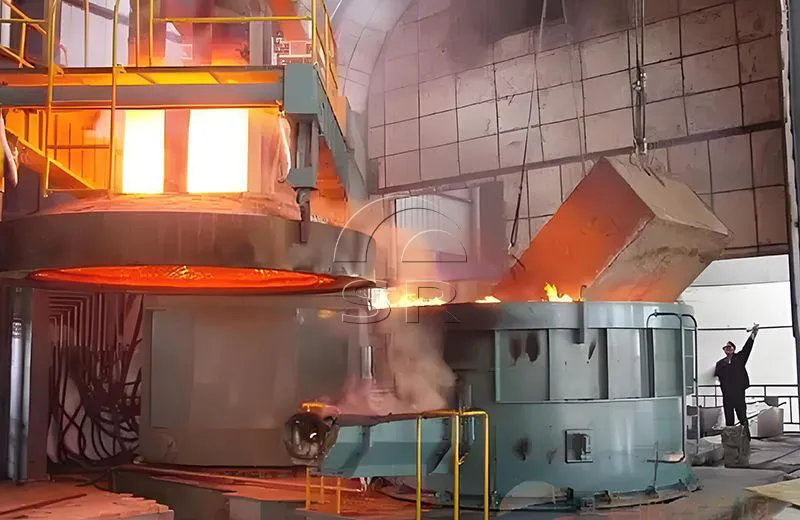
DC electric arc furnace is an electric arc furnace supplying electric energy with DC power supply. There is only one electrode on the top of the DC arc furnace, which is the negative electrode, and the bottom electrode is the positive electrode.
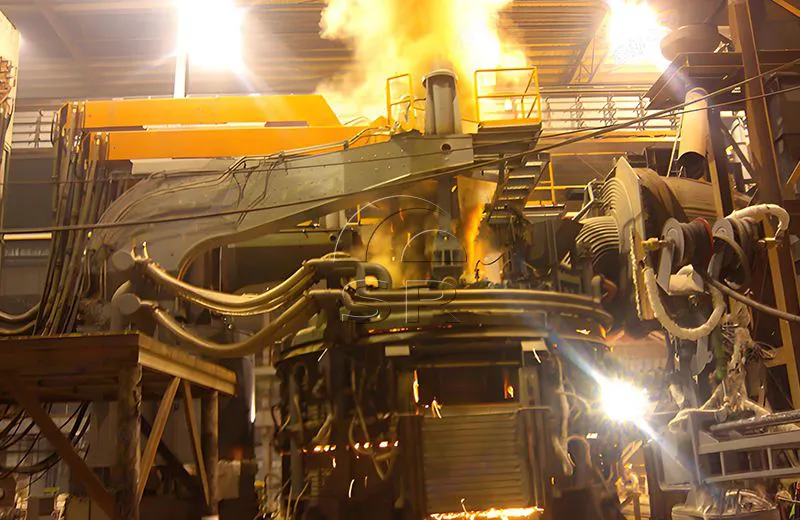
Electric arc furnaces are used to melt scrap steel for steel production. Electrical energy is used to melt scrap steel. An arc forms between the charged material and the electrode. The heat generated by the arc melts the scrap.
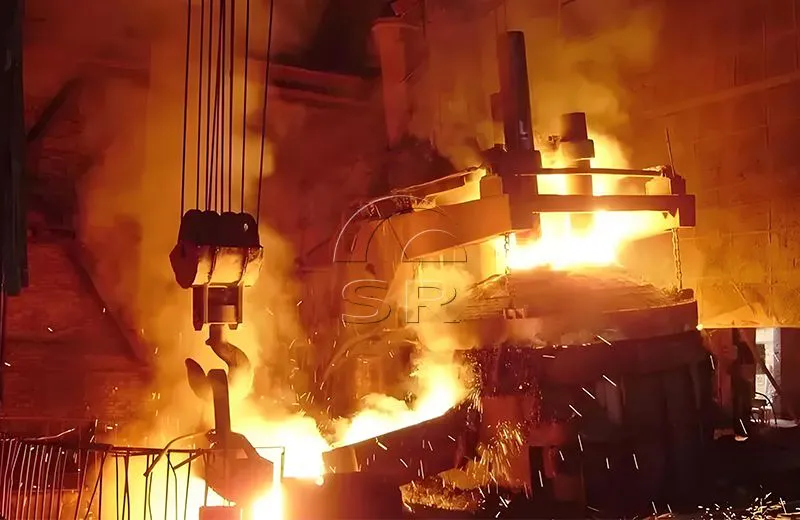
Electric arc furnace steel making is a steelmaking method that uses the thermal effect of electric arc to heat the charge for melting.
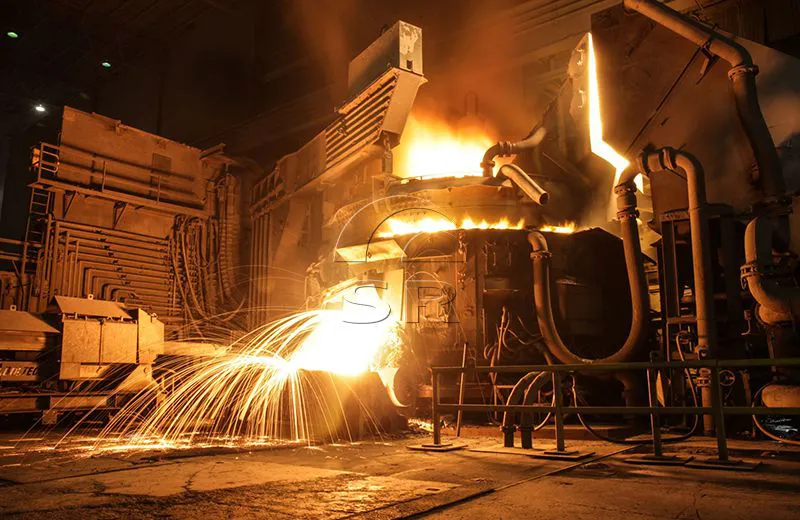
Ultra-high power electric arc furnace mainly changes the arc characteristics of high voltage and long arc to the arc characteristics of high current, low voltage and short arc
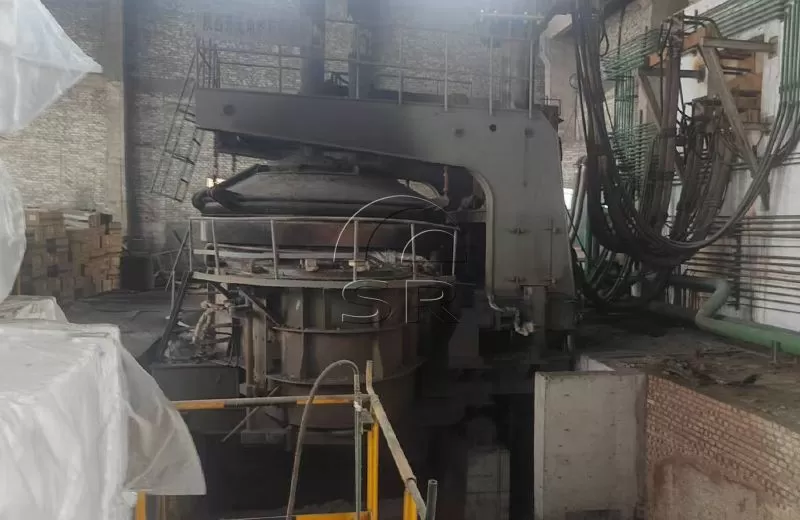
1 ton electric arc furnace is used for melting steel and titanium scrap metal. The principle of electric arc furnace is based on the generation of direct current, which converts electrical energy into heat energy through electrodes to melt the metal.
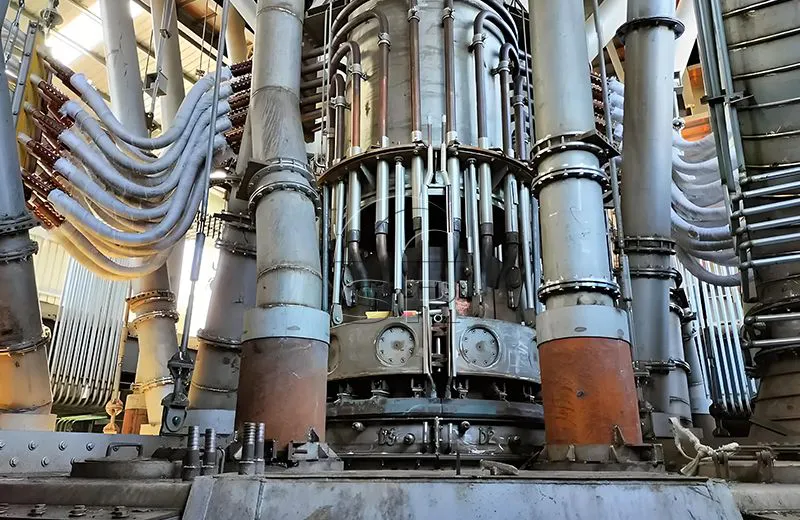
The closed pig iron furnace (submerged arc furnace iron making) is a non-blast furnace iron making method. Under the premise of guaranteeing the power supply, it is easy to solve the problem by using the reducing agent required by the submerged arc furnace iron making.
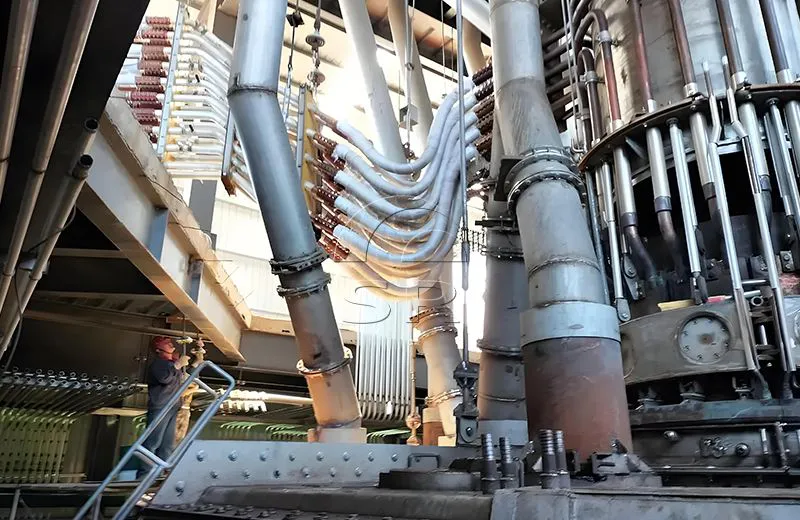
The main mechanical device design of Sanui ferroalloy refining furnace combines China's national conditions and draws on international advanced technologies such as Demark and Pyremate.
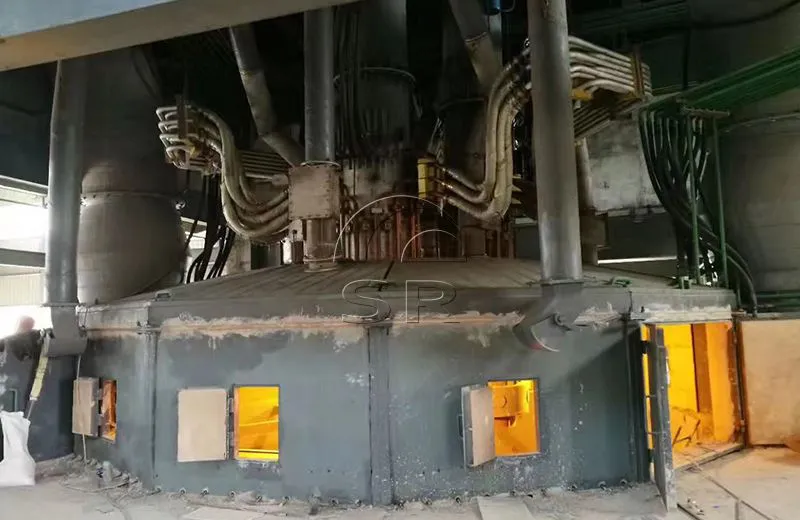
The Ferronickel submerged arc furnace is a special submerged arc furnace used for smelting nickel-iron alloy. Its main function is to add nickel ore, carbonaceous reducing agent (such as coke) and limestone and other raw materials into the furnace in a certain proportion
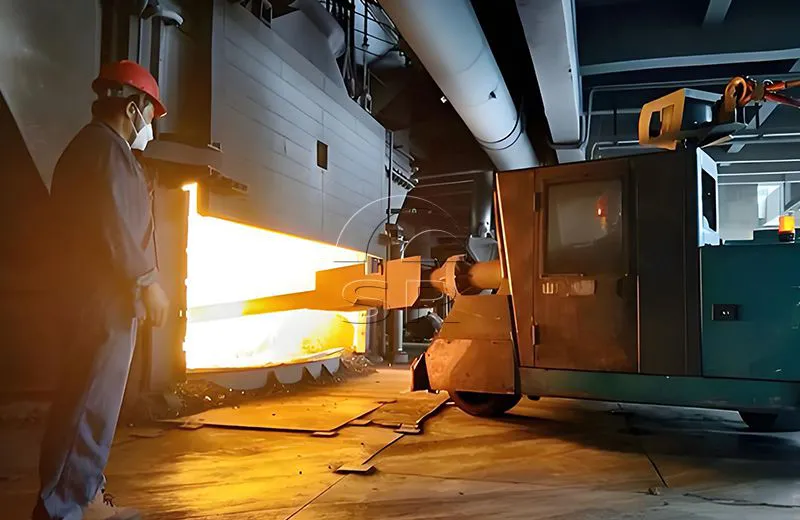
The main mechanical device design of Sanui ferrosilicon furnace combines China's national conditions and draws on international advanced technologies such as Demark and Pyremate.
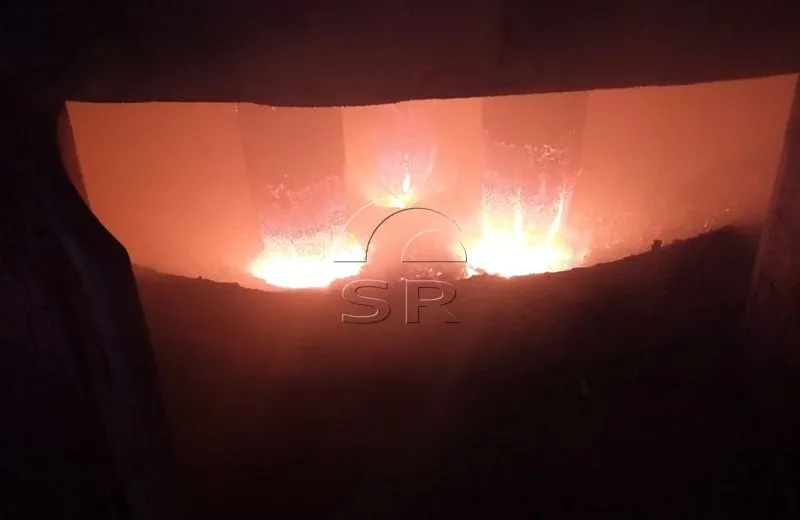
The main mechanical device design of Sanui high carbon ferrochrome furnace combines China's national conditions and draws on international advanced technologies such as Demark and Pyremate.
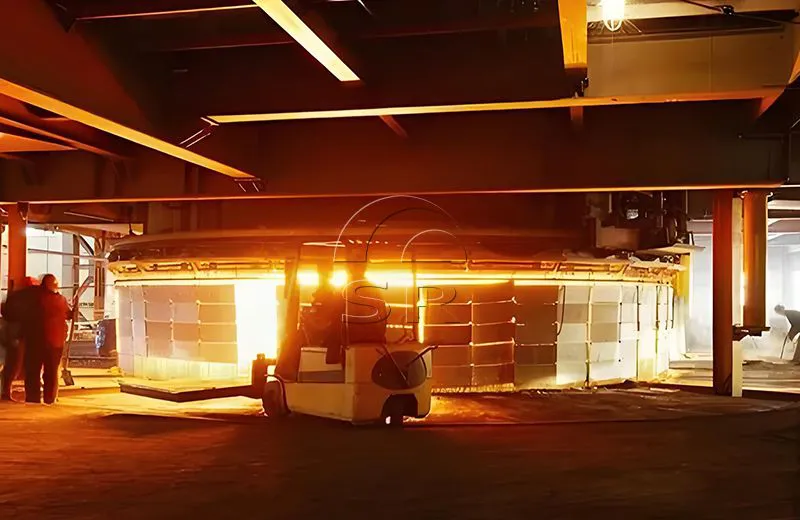
Industrial silicon submerged arc furnace is an important equipment in silicon ore processing, playing a key role in the silicon industry.
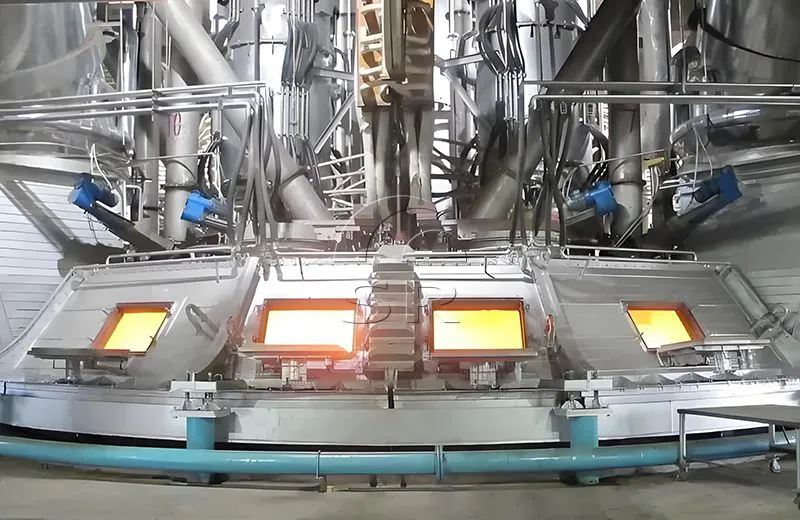
The manganese silicon alloy furnace is mainly used to smelt silicon-manganese alloy, which is an alloy containing silicon and manganese.
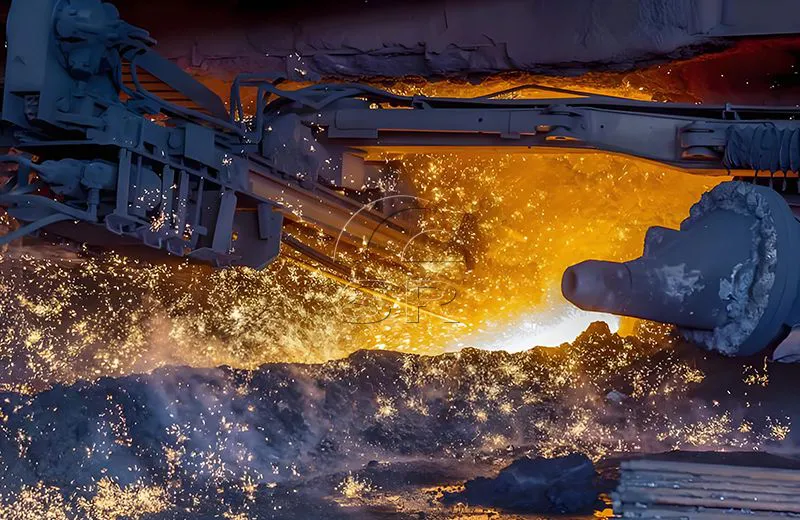
The design of the submerged arc furnace main mechanical device by Sanui is based on China's national conditions and draws on international advanced technologies such as Demark and Perlmutter.
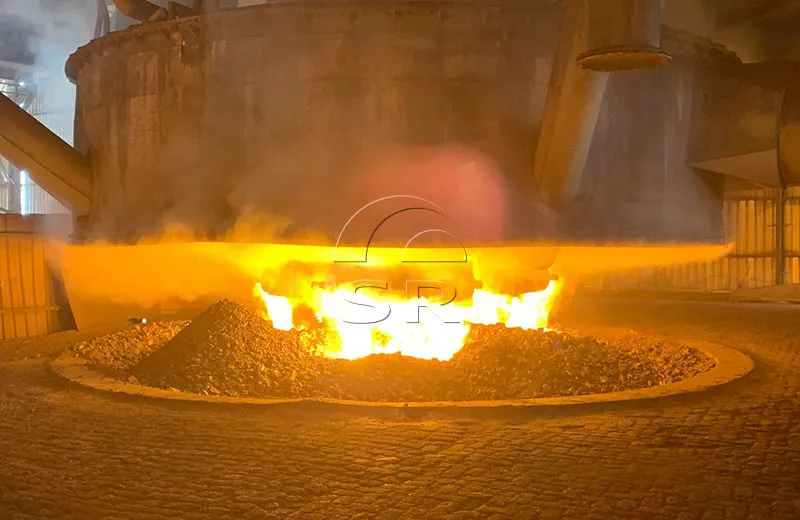
Submerged electric arc furnace is mainly used for reducing and smelting raw materials such as ore, carbonaceous reducing agent and solvent. It mainly produces ferroalloys such as ferrosilicon, ferromanganese, ferrochrome, ferrotungsten, silicon-manganese alloy, etc.
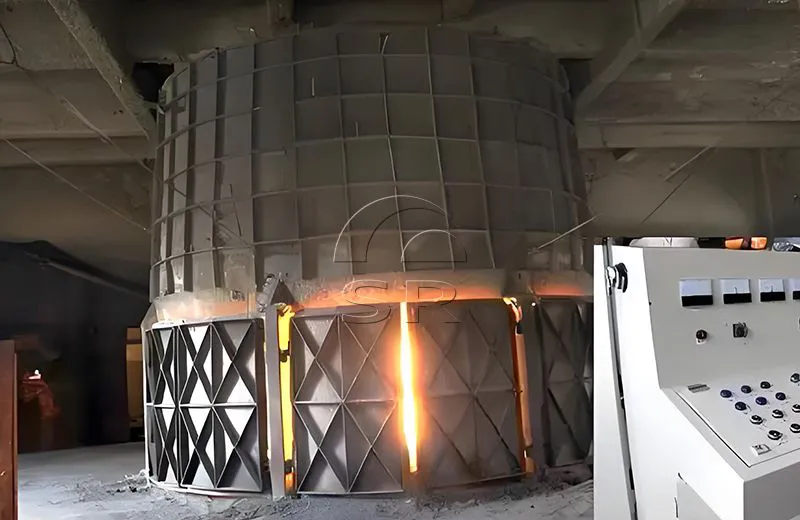
Titanium slag production adopts titanium slag electric furnace (circular furnace and rectangular furnace according to its shape) smelting process.
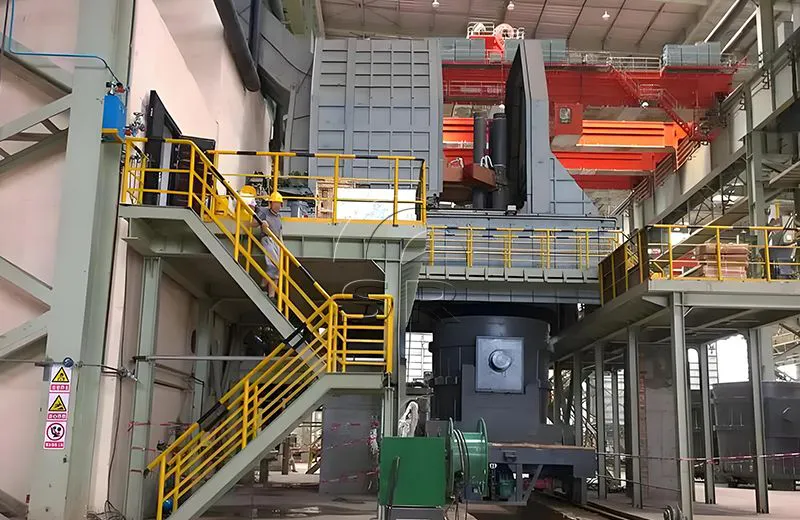
The LF 20 T ladle refining furnace has the functions of arc heating under normal pressure, argon blowing and stirring at the bottom of the ladle, and reducing slag making in the ladle.
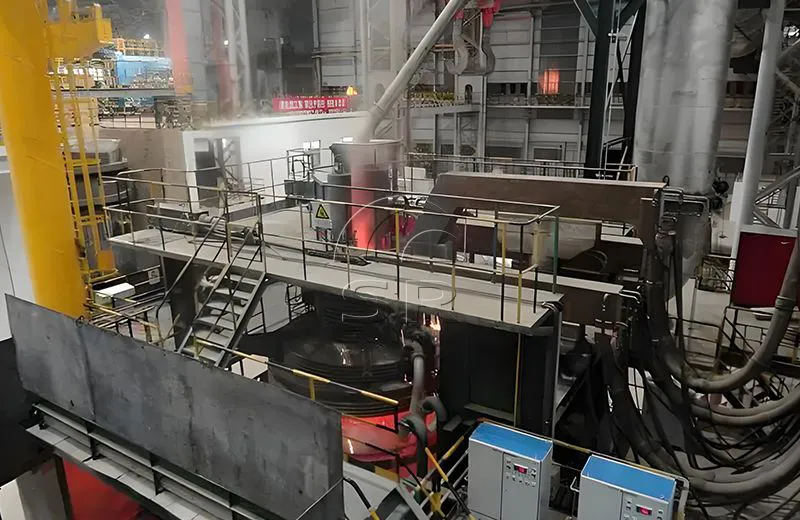
LF ladle refining furnace is a bottom-blown argon ladle furnace with three-phase submerged arc heating under normal pressure. It is a device for refining molten steel in a ladle.
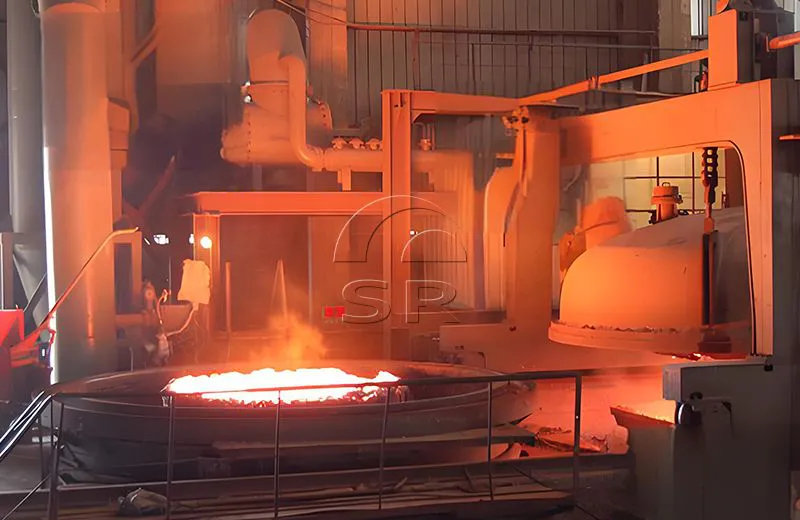
VD vacuum refining furnace is a commonly used refining process equipment, mainly used for deoxidation, impurity removal and other operations of molten steel, so as to obtain high purity, low impurity content of high quality steel.
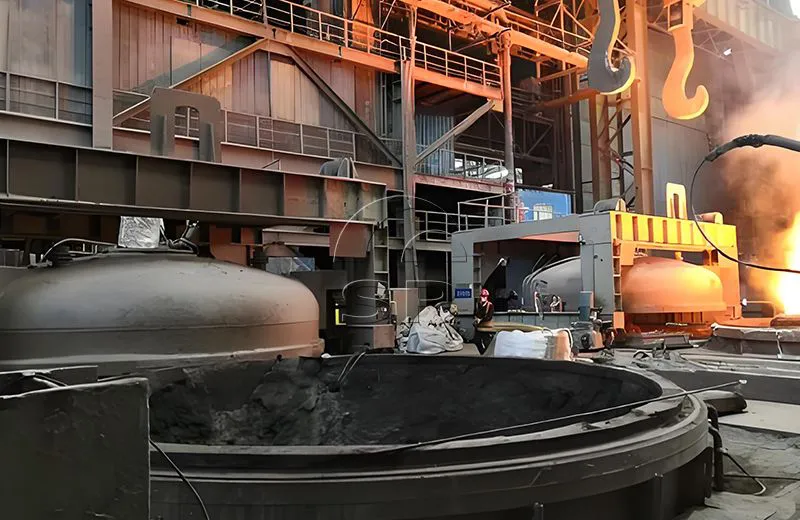
VOD vacuum refining furnace has multiple functions such as vacuum degassing, oxygen blowing decarburization, vacuum charging, argon blowing stirring, non-vacuum temperature measurement sampling, wire feeding, etc.
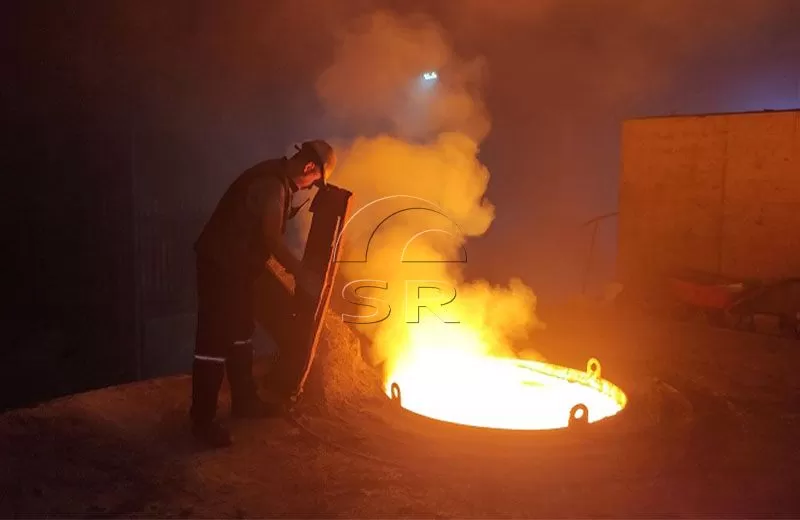
The cast steel melting induction furnace has outstanding advantages in heat penetration or melting soft magnetic alloys, high resistance alloys, platinum group alloys, heat-resistant, corrosion-resistant, wear-resistant alloys and pure metals.
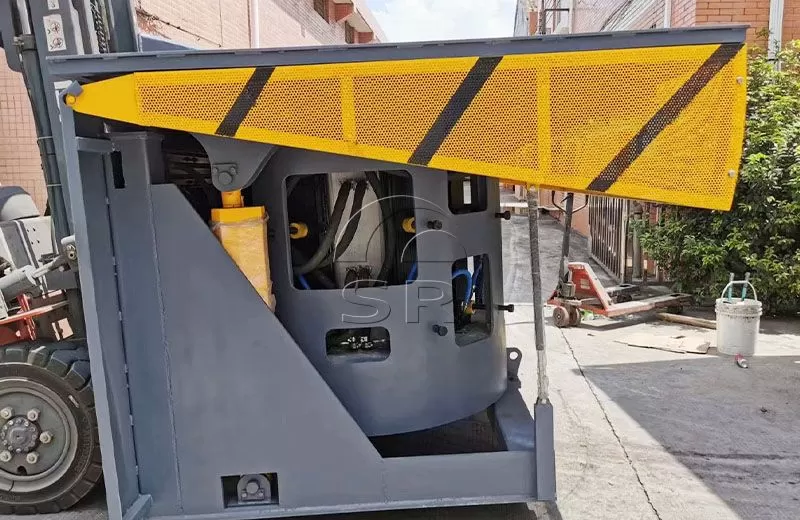
Metal silicon smelting furnace is a metal silicon medium frequency melting furnace, which consists of furnace body, water and electricity introduction system, furnace tilting device, etc. It has fast melting temperature rise, easy to control furnace temperature and high production efficiency.
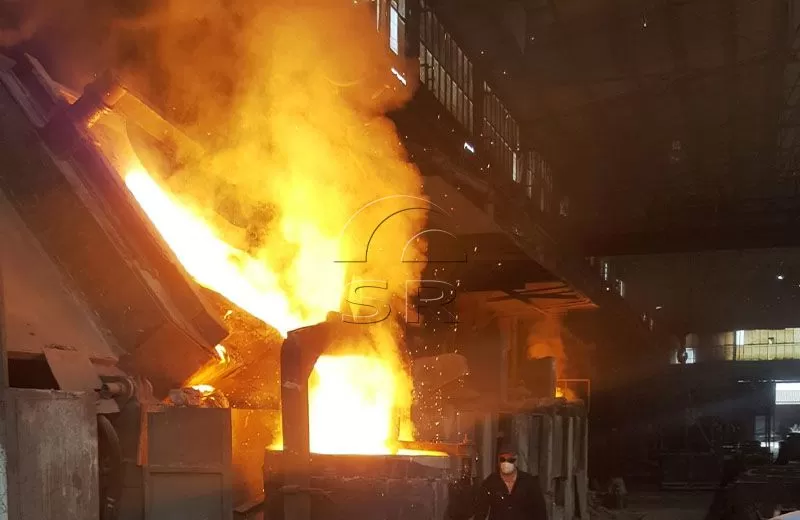
Medium frequency induction furnace mainly used for melting steel, alloy steel, special steel, stainless steel, and can also be used for melting and casting non-ferrous metals such as copper, aluminum, lead, zinc, etc. The customized range of induction furnaces sold by Sanrui ranges from 0.1 tons to 10 tons.
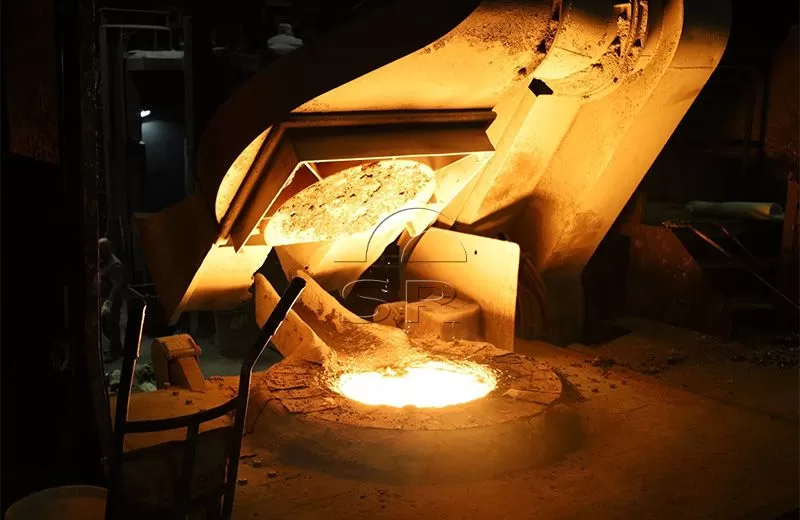
Medium frequency induction furnaces are mainly used for melting steel, alloy steel, special steel, stainless steel, and can also be used for melting and casting non-ferrous metals such as copper, aluminum, lead, and zinc.
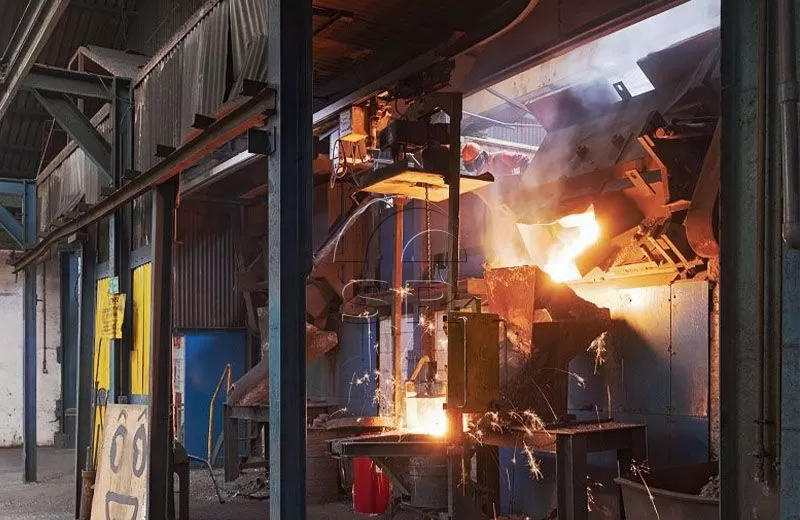
Medium frequency aluminum melting furnace is used for melting and heating aluminum, scrap aluminum, aluminum ingots, and aluminum alloys; The melting capacity ranges from 100KG to 3000KG.
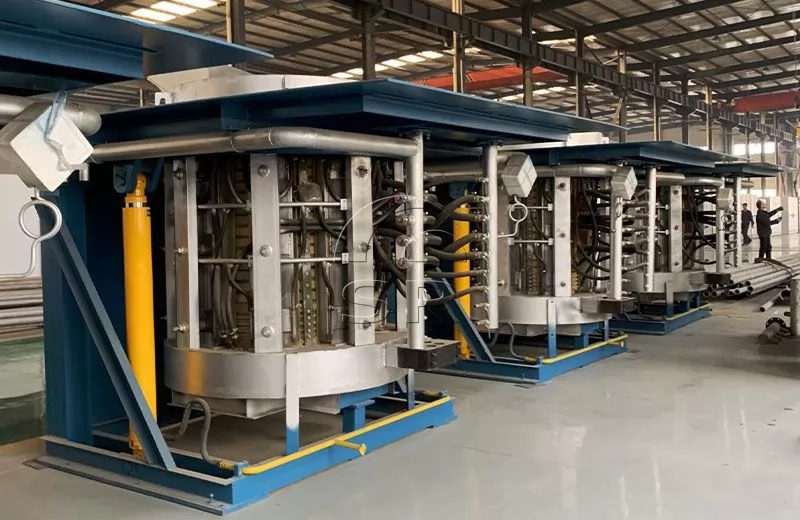
An induction furnace is an electric furnace that uses the induction electrothermal effect of the material to heat or melt the material. The main components of an induction furnace are sensors, furnace body, power supply, capacitors and control system.
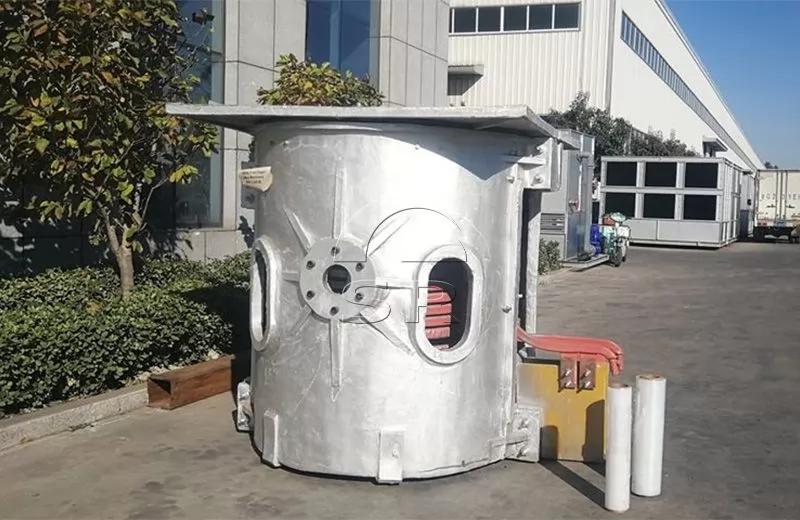
The 3-ton medium frequency coreless induction furnace adopts a 6-phase 12-pulse double rectifier control system. A 2000KVA special rectifier transformer is used for the 2000KW medium frequency power supply.
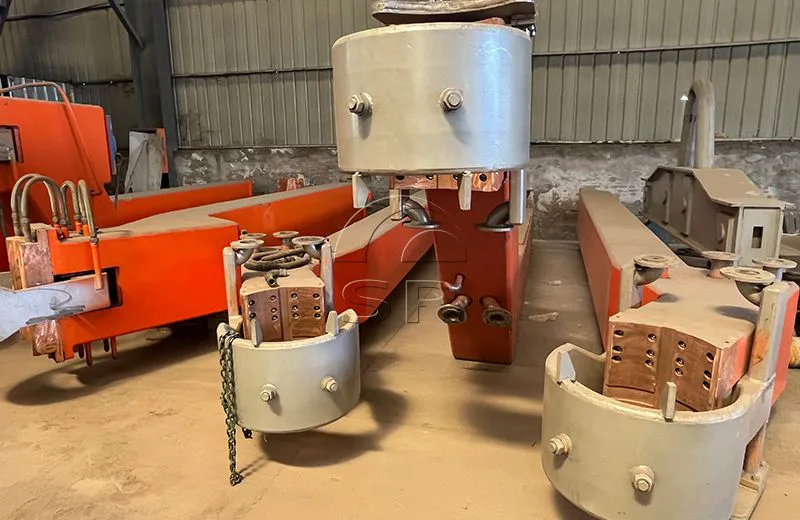
The conductive arm of an electric arc furnace (EAF) is primarily composed of the front electrode conductive arm holder, a water-cooled clamping ring, the arm body, and the rear conductive copper plate.
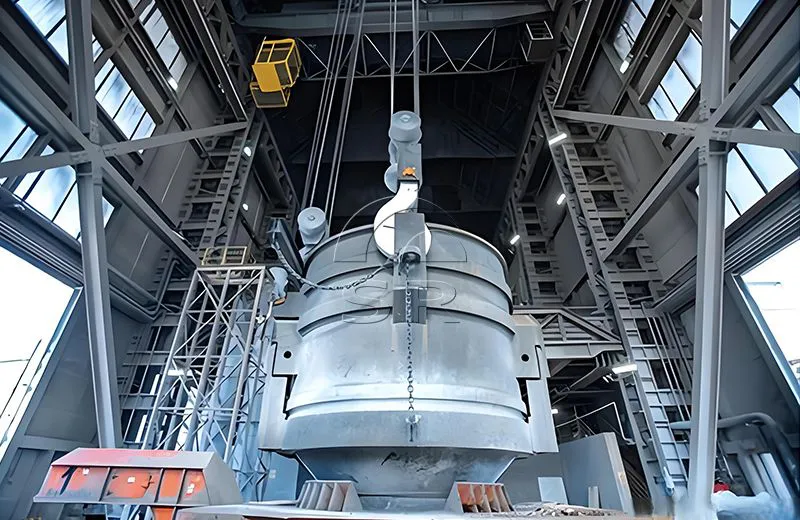
The scrap charging basket of the electric arc furnace is mainly used for loading and conveying raw materials such as scrap steel into the electric arc furnace for smelting.
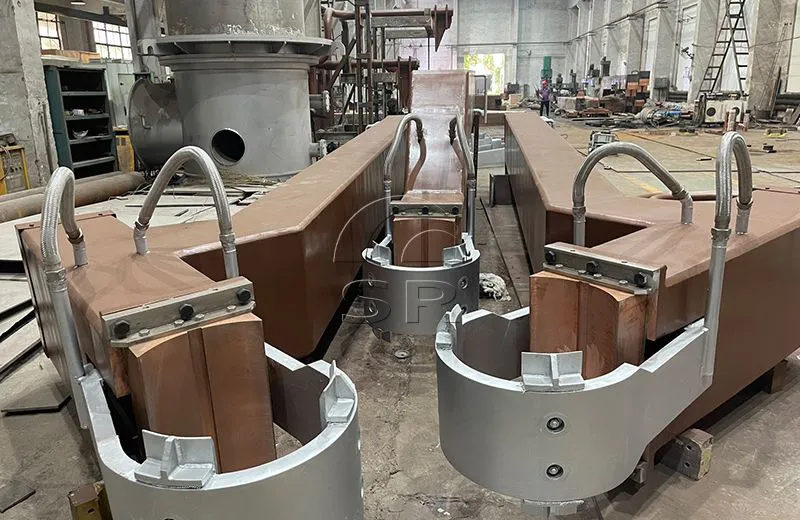
There are many insulation links between the EAF electrode holder and the conductive cross arm body, which greatly simplifies the cconductive cross arm structure and is a new type of electrode arm on the ultra-high power arc furnace.
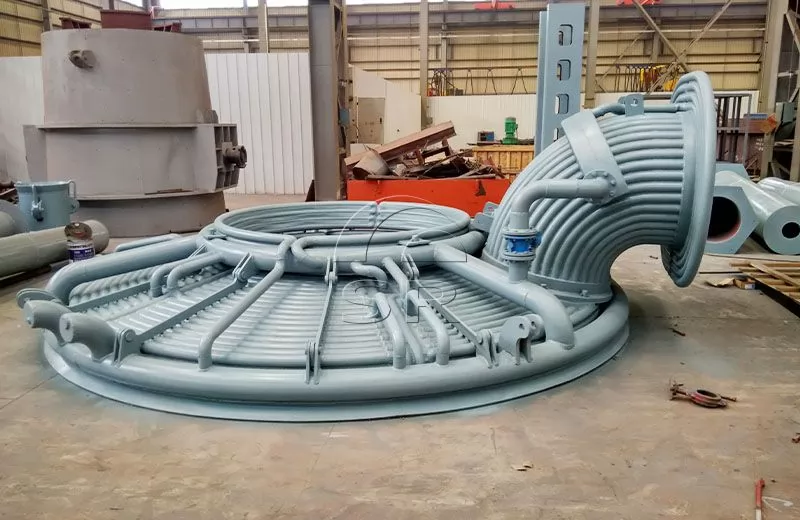
Generally, the furnace cover of the electric arc furnace adopts the tubular water-cooled closed tube furnace cover structure.
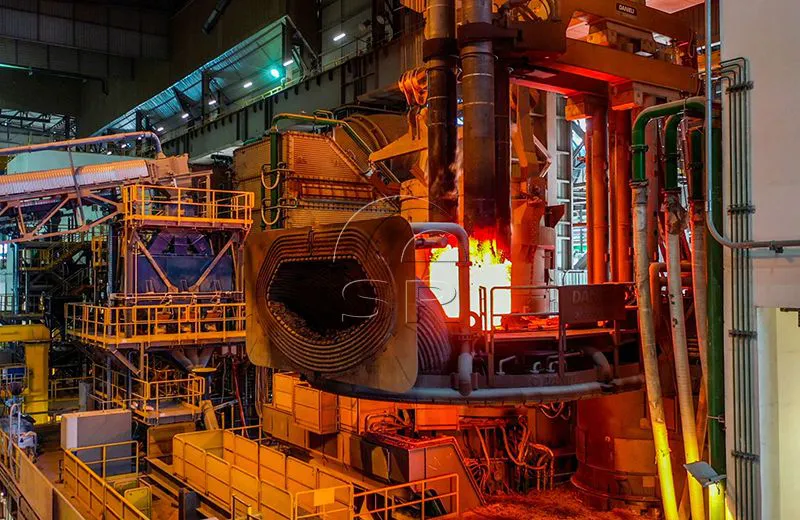
The electrode lifting mechanism of electric arc furnace is composed of conductive cross arm and electrode column device.
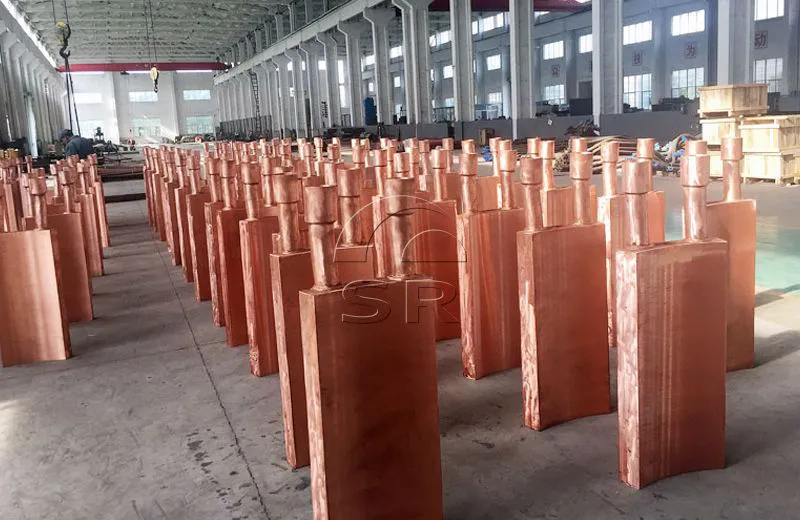
Forged copper tile is one of the main accessories in submerged arc furnace (silicon metal furnace, calcium carbide furnace and iron alloy furnace). It generates heat energy due to passing through large current at high temperature, and is easy to be damaged due to poor working environment.
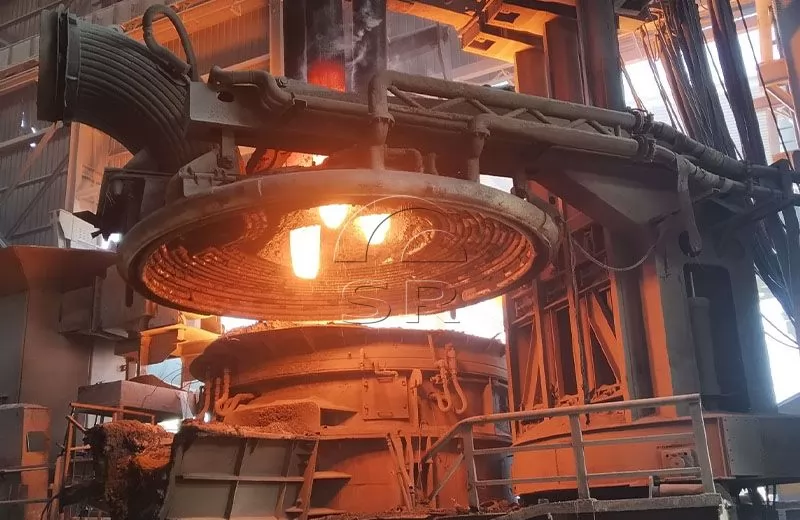
The furnace cover lifting and rotating device consists of a furnace cover lifting mechanism, a rotating mechanism and a rotating frame.
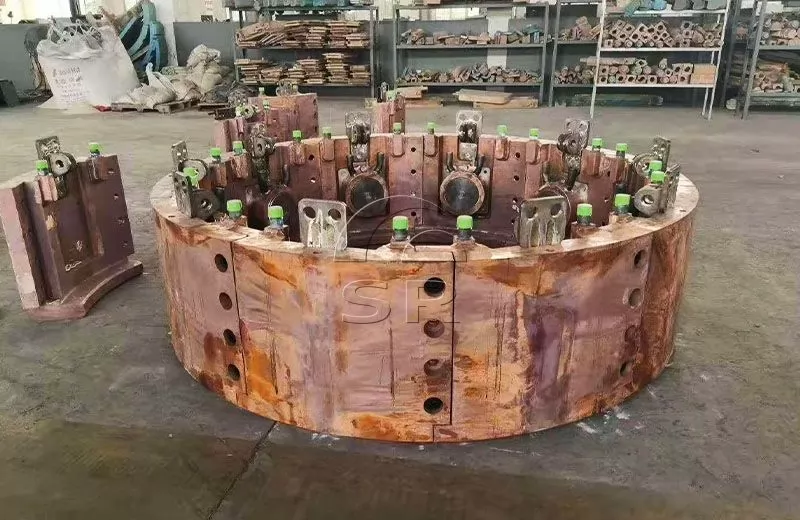
Submerged arc furnace pressure ring is used to monitor the change of air pressure in the furnace in real time, and adjust the air pressure automatically or manually according to the preset parameters to ensure the stability of air pressure in the furnace
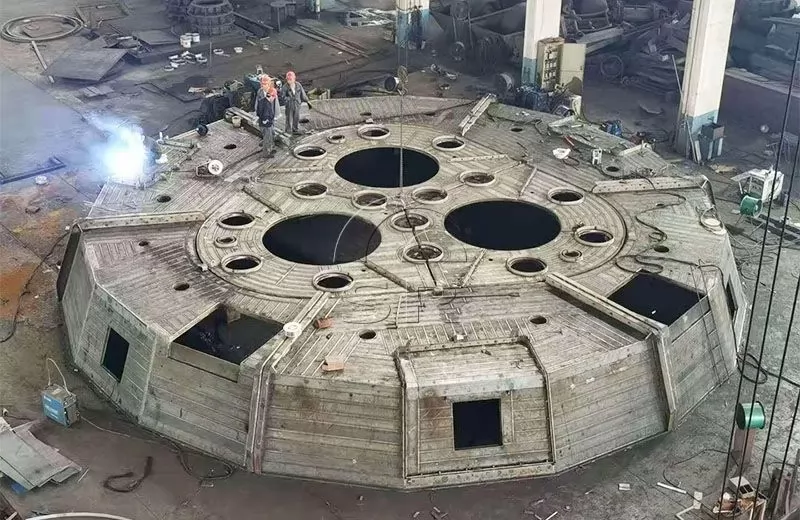
Submerged arc furnace water-cooled Roof is an important part of submerged arc furnace (also known as electric arc furnace, calcium carbide furnace or mining furnace), which is mainly used to close the top of furnace body and bear the high temperature and pressure in the furnace.
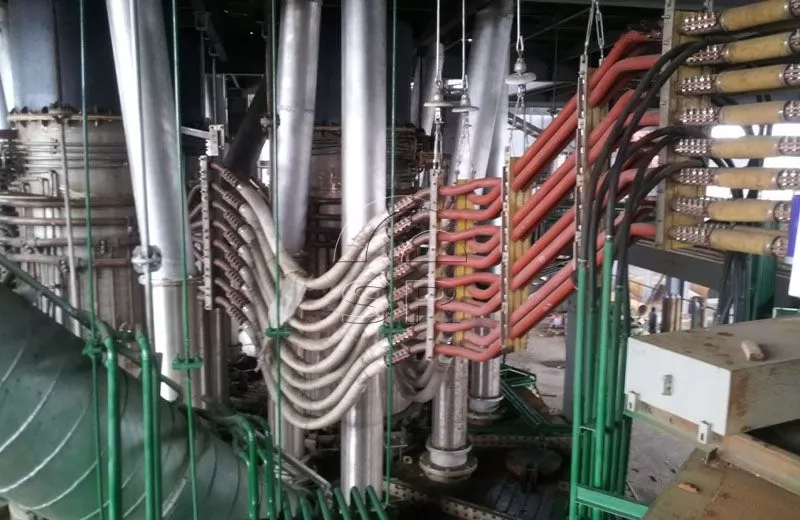
Short network bus systems), also known as high current line, refers to the general term of the carrier fluid from the secondary outlet terminal of the transformer to the electrode (including the electrode).
Navigation
E-mail: anna@srfurnace.com
Tel: +86 159 2955 5868
WhatsApp: +86 159 2955 5868
Add:
Room 422, 4th Floor, Building D, No. 5, Phase I, Fengdong Free Trade Industrial Park, Xixian New District, Shaanxi Province