Apr. 27, 2026
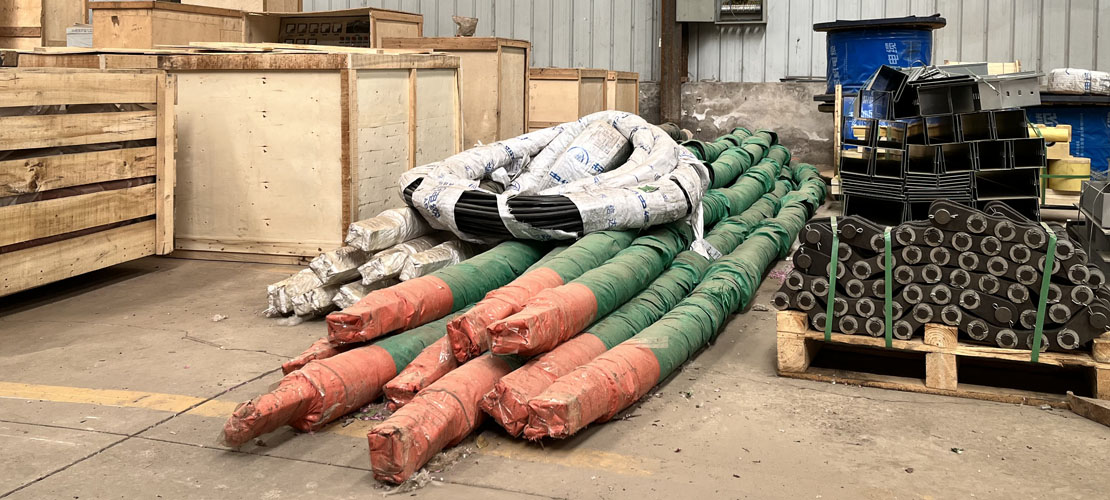
As the critical high-current power transmission component for Submerged Arc Furnaces (SAF), water-cooled cables operate under extreme conditions characterized by strong electromagnetic fields, high temperatures, heavy dust, and continuous high-load cycles. A cable burnout not only results in costly unscheduled downtime but also poses severe safety risks, such as high-pressure cooling water leakage.
The following is a technical analysis of the failure modes across four key dimensions:
The reliability of a water-cooled cable depends on more than just its outer sheath; the integrity of the internal conductor and the termination process are paramount.
Conductor Material: The use of low-grade or recycled copper with high impurity levels increases DC resistance, leading to excessive Joule heating during operation.
Termination Integrity: The interface between the copper strands and the cable lug is a high-failure zone. Poor brazing or crimping (e.g., porosity, cold solder joints) increases contact resistance, triggering localized thermal runaway.
Hose Specification: The outer hose must exhibit superior dielectric strength, thermal resistance, and tear resistance. Inferior synthetic rubbers tend to embrittle and crack under thermal stress, compromising the cable's structural and insulating integrity.
The failure of the "water-cooling" mechanism is the most direct trigger for catastrophic cable burnout.
Scaling and Fouling: High water hardness leads to scale buildup inside the cable. This restricts the effective flow area and significantly reduces the heat transfer coefficient.
Flow Instability and Cavitation: Insufficient flow rates or pressure fluctuations can cause localized boiling, creating "vapor locks." These gas pockets prevent effective heat dissipation, causing the copper strands to reach their melting point rapidly.
Orifice Clogging: Suspended solids in the cooling circuit can block the coolant ports in the cable heads, leading to an immediate loss of thermal control.
Mechanical Fatigue: During SAF operation, frequent electrode adjustment and high-frequency electrodynamic forces cause the cables to oscillate. This leads to work hardening and "strand snapping." As individual strands break, the current density in the remaining strands increases, accelerating failure.
Environmental Corrosion: Intense radiant heat, slag splashing, and acidic off-gases chemically attack the rubber sheath. This degradation reduces insulation resistance, potentially leading to arc tracking or ground faults that instantly sever the cable.
Inadequate Bend Radius: Forcing a cable into a tight radius (below the manufacturer's spec) compresses the internal copper weave and increases flow resistance, creating a thermal bottleneck.
Overload Operation: Driving the furnace beyond its rated current capacity pushes the cable's thermal limit past its design margin, resulting in cumulative insulation damage.
Maintenance Deficiencies: Failure to clean conductive dust from the cable surface or neglecting to monitor water conductivity and temperature differentials allows minor issues to escalate into total failures.
To mitigate the risk of water-cooled cable failure, a strategy focusing on Quality Procurement, Real-time Monitoring, and Predictive Maintenance is essential:
Component Upgrading: Prioritize cables utilizing oxygen-free copper (OFC) strands, integrated high-frequency induction welding, and high-spec EPDM or silicone-based thermal hoses.
Water Quality Management: Implement a closed-loop soft water or deionized water system. Strictly monitor inlet/outlet temperature differentials and install low-flow/high-temperature alarms.
Advanced Diagnostics: Utilize Infrared Thermography for routine inspections of terminal temperature gradients. Conduct periodic borescope or physical inspections of internal strand integrity during major overhauls.
By implementing these rigorous engineering standards and operational protocols, facilities can significantly extend cable service life and ensure the stable, high-efficiency operation of the Submerged Arc Furnace.
Previous: None
Next: Why Ferroalloy Furnaces Are Redefining Efficiency and Stability?
Latest News
Latest Products
Customized metallurgical machinery and equipment range: Electric Arc Furnace, Submerged Arc Furnace, LF Refining Furnace, Vacuum Furnace, Induction Furnace, Dust Remove System, Water Treatment Equipment, etc. Providing the most advanced equipment integration services, metallurgical equipment can be customized according to different needs of customers, and production capacity can be adjusted according to customer requirements.
Electric Arc Furnace
Submerged Arc Furnace
LF Refining Furnace
VD / VOD Vacuum Refining Furnace
Induction Furnace
Furnace Accessories
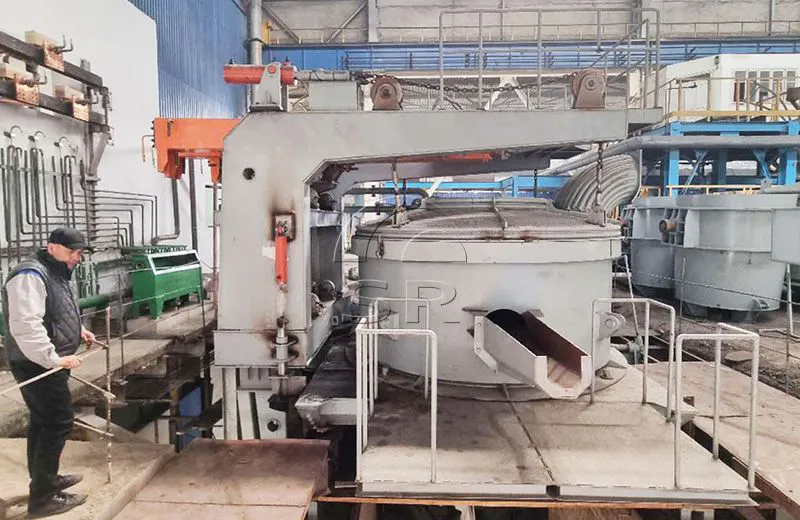
The 5 ton electric arc furnace for steel-making is a special purpose equipment that makes ordinary steel, quality carbon steel, alloy steel and non-corrosive steel with electric arc as heat source and scrap steel (iron) as raw material.
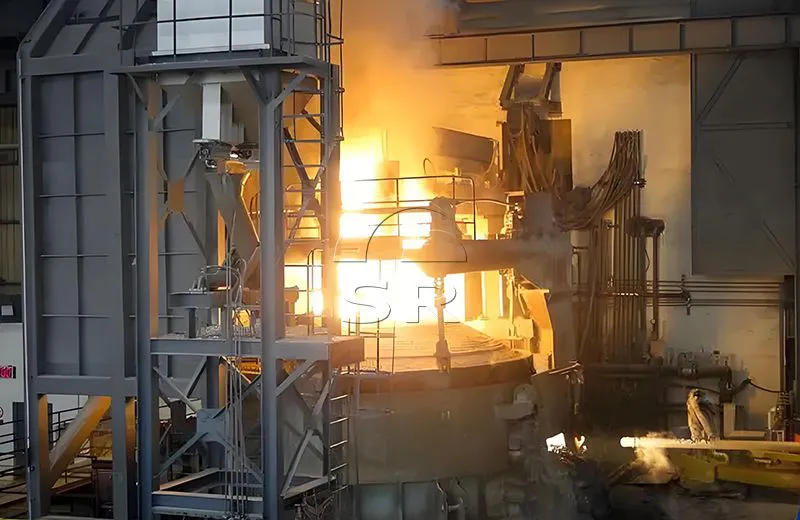
15-ton electric arc furnace is used for the short-process steelmaking process, using 100% scrap steel or scrap steel + molten iron (pig iron), or scrap steel + sponge iron (DRI) as raw materials for steelmaking.
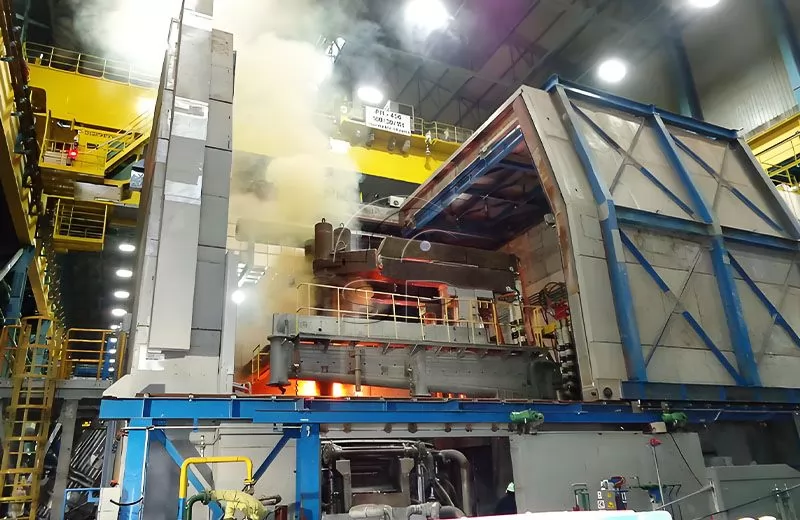
The 30-ton AC electric arc furnace is used to melt scrap steel to produce steel. Electrical energy is used to melt scrap steel. An arc forms between the charged material and the electrode.
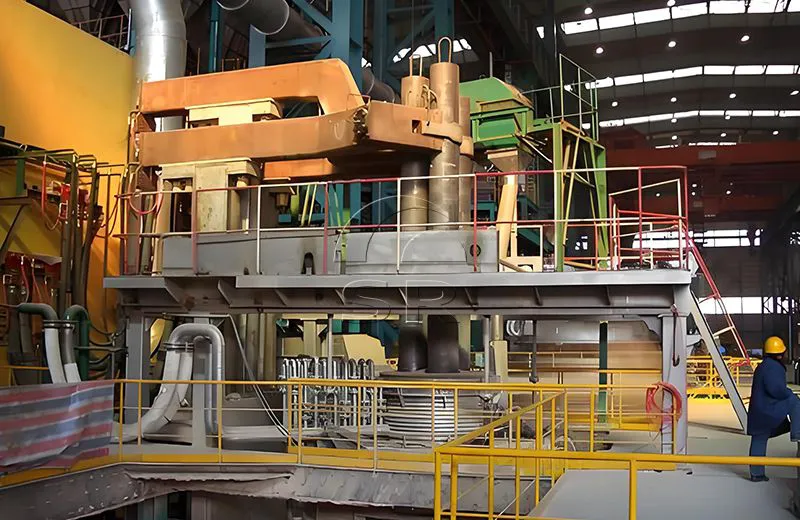
30 Ton electric arc furnace is used for steelmaking short process smelting, using 100% scrap steel or scrap steel + molten iron (pig iron), or scrap steel + sponge iron (DRI) as raw materials for steelmaking.
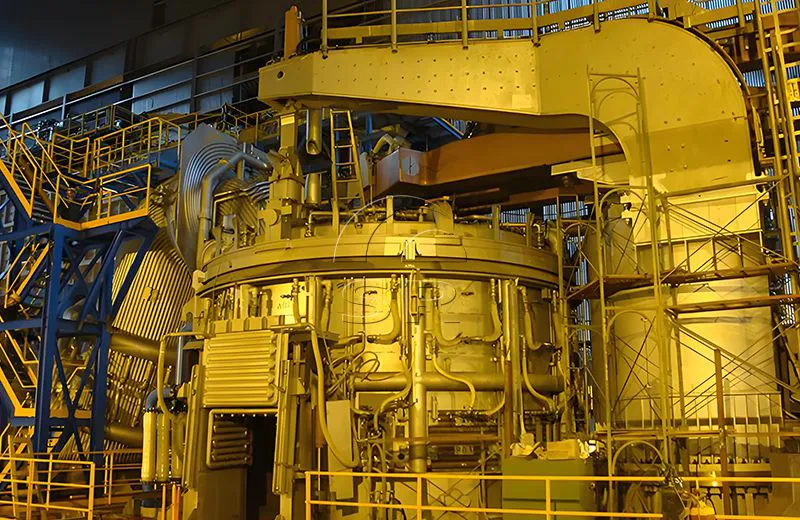
The 50-ton ultra-high power electric arc furnace (50TUPH EAF) adopts ultra-high power, high impedance technology, bottom tapping technology (ETB), furnace wall oxygen oil burner and furnace door carbon-oxygen gun technology.
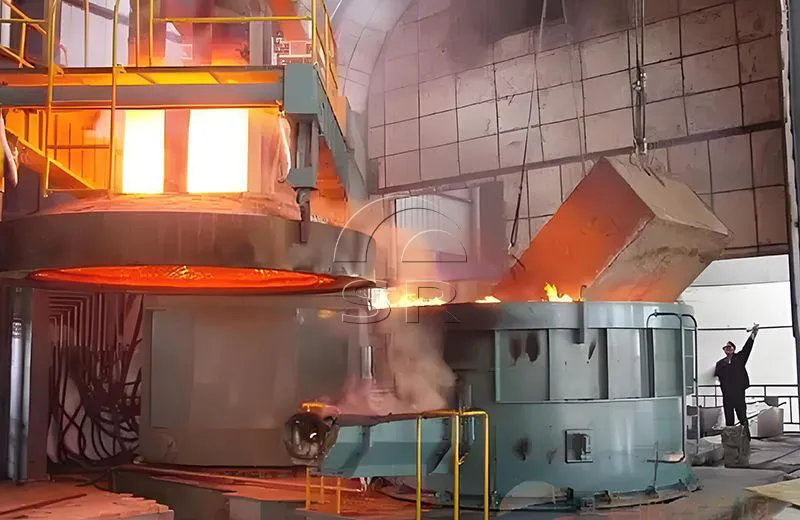
DC electric arc furnace is an electric arc furnace supplying electric energy with DC power supply. There is only one electrode on the top of the DC arc furnace, which is the negative electrode, and the bottom electrode is the positive electrode.
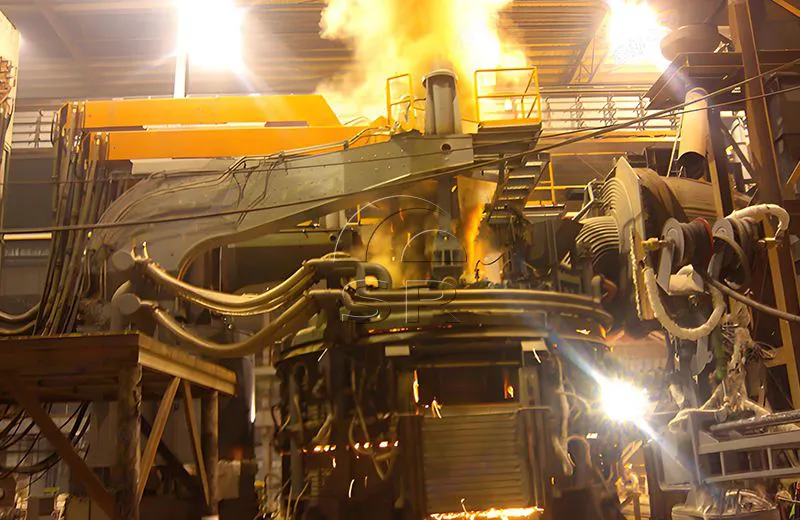
Electric arc furnaces are used to melt scrap steel for steel production. Electrical energy is used to melt scrap steel. An arc forms between the charged material and the electrode. The heat generated by the arc melts the scrap.
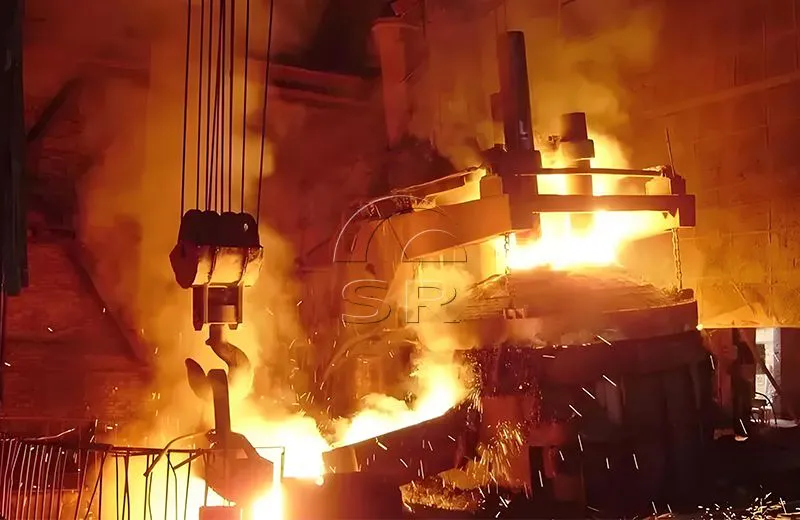
Electric arc furnace steel making is a steelmaking method that uses the thermal effect of electric arc to heat the charge for melting.
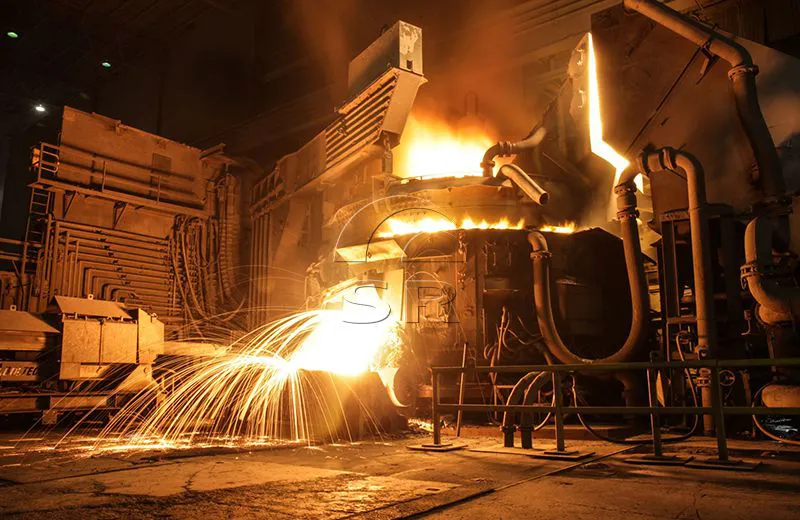
Ultra-high power electric arc furnace mainly changes the arc characteristics of high voltage and long arc to the arc characteristics of high current, low voltage and short arc
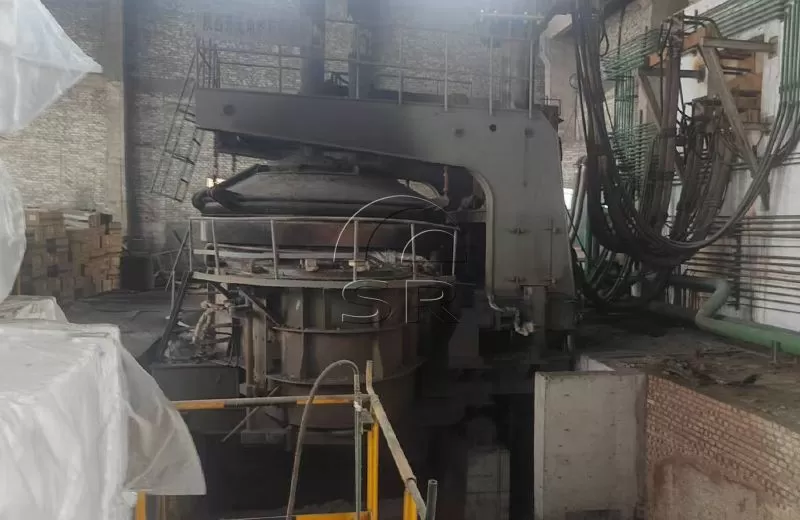
1 ton electric arc furnace is used for melting steel and titanium scrap metal. The principle of electric arc furnace is based on the generation of direct current, which converts electrical energy into heat energy through electrodes to melt the metal.
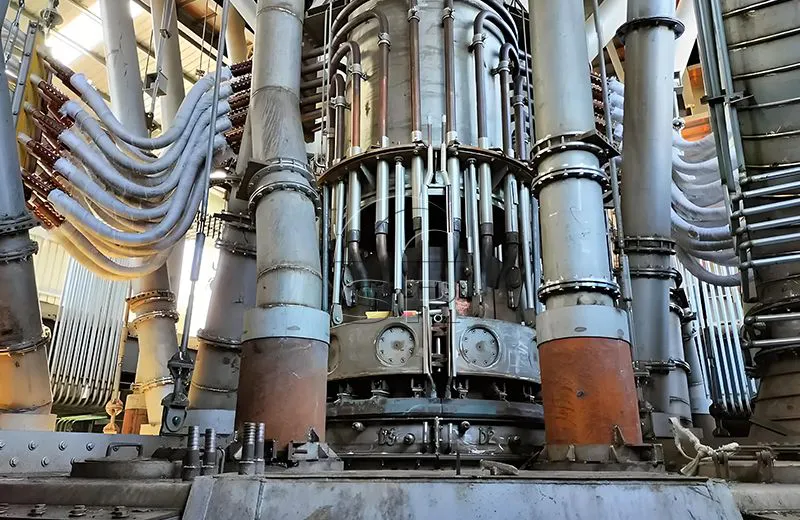
The closed pig iron furnace (submerged arc furnace iron making) is a non-blast furnace iron making method. Under the premise of guaranteeing the power supply, it is easy to solve the problem by using the reducing agent required by the submerged arc furnace iron making.
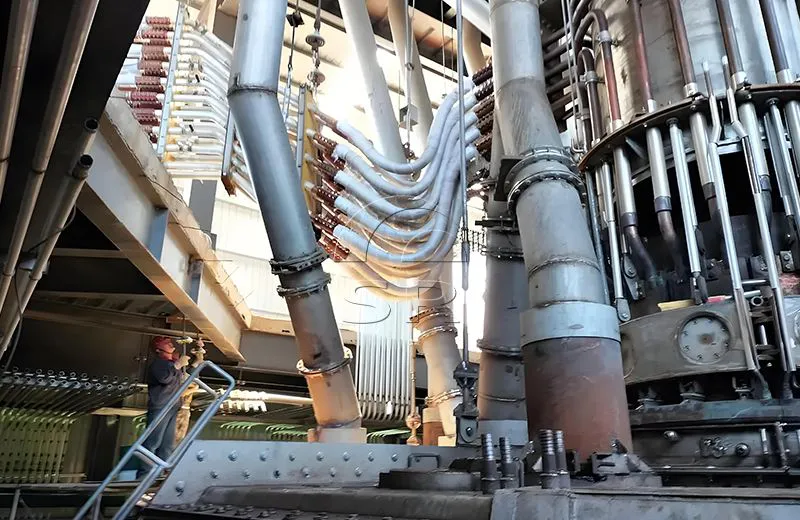
The main mechanical device design of Sanui ferroalloy refining furnace combines China's national conditions and draws on international advanced technologies such as Demark and Pyremate.
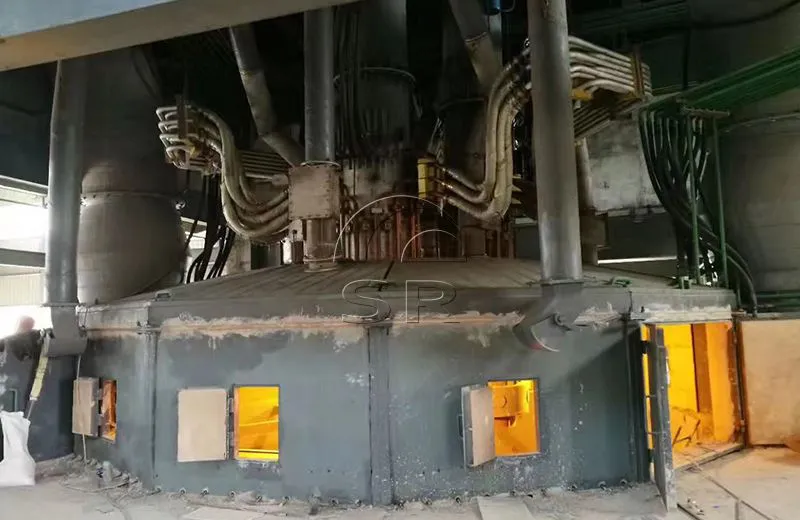
The Ferronickel submerged arc furnace is a special submerged arc furnace used for smelting nickel-iron alloy. Its main function is to add nickel ore, carbonaceous reducing agent (such as coke) and limestone and other raw materials into the furnace in a certain proportion
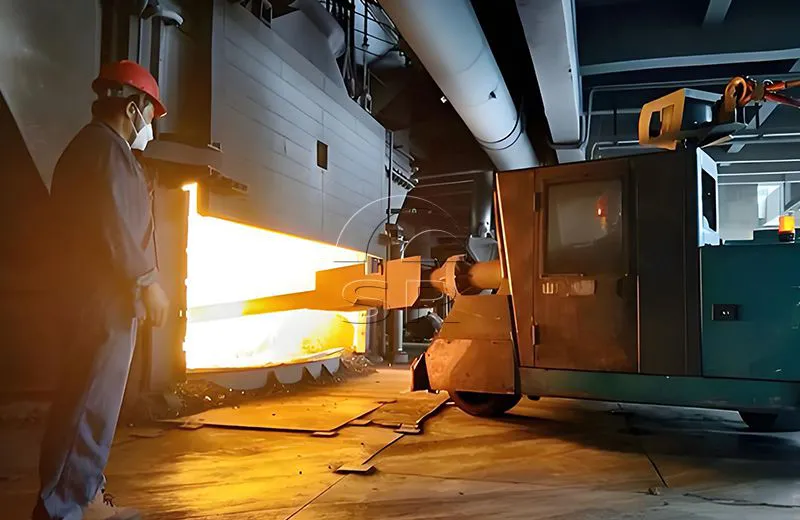
The main mechanical device design of Sanui ferrosilicon furnace combines China's national conditions and draws on international advanced technologies such as Demark and Pyremate.
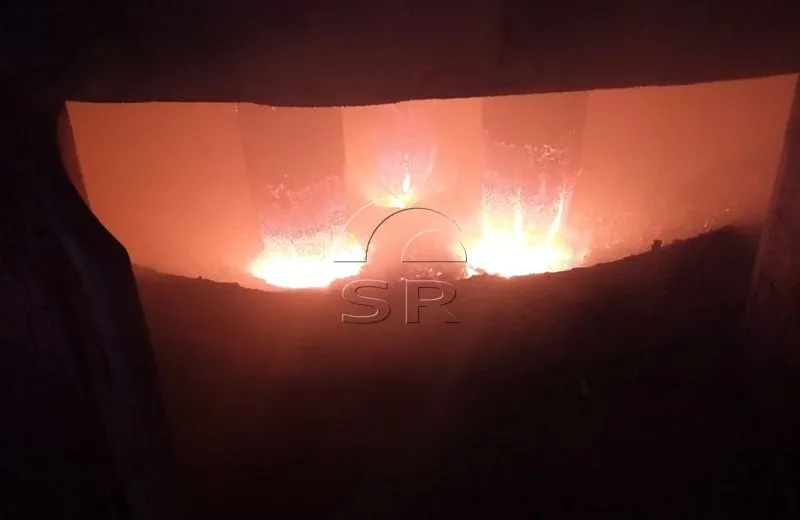
The main mechanical device design of Sanui high carbon ferrochrome furnace combines China's national conditions and draws on international advanced technologies such as Demark and Pyremate.
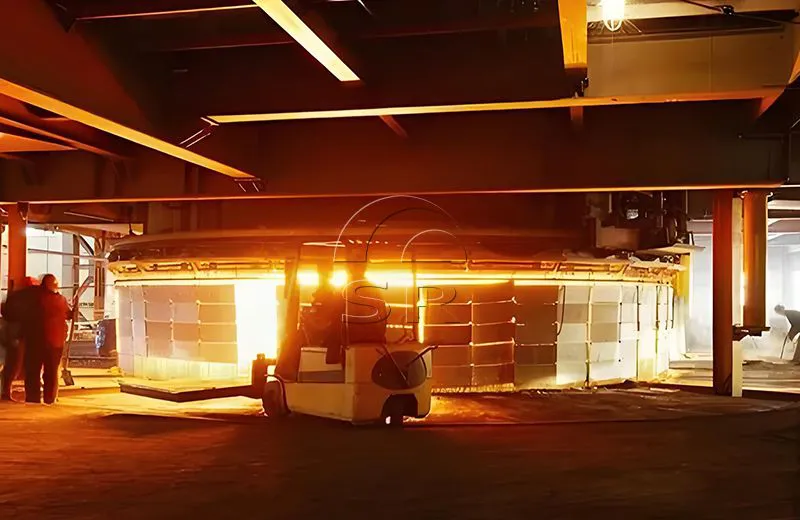
Industrial silicon submerged arc furnace is an important equipment in silicon ore processing, playing a key role in the silicon industry.
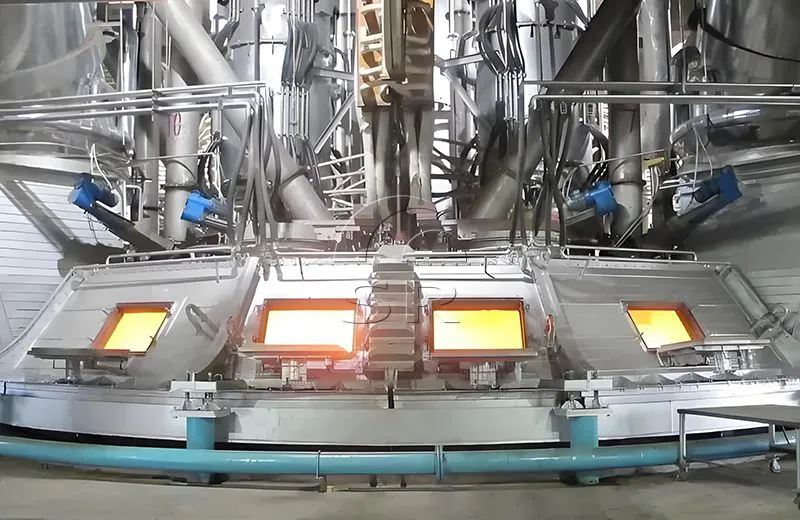
The manganese silicon alloy furnace is mainly used to smelt silicon-manganese alloy, which is an alloy containing silicon and manganese.
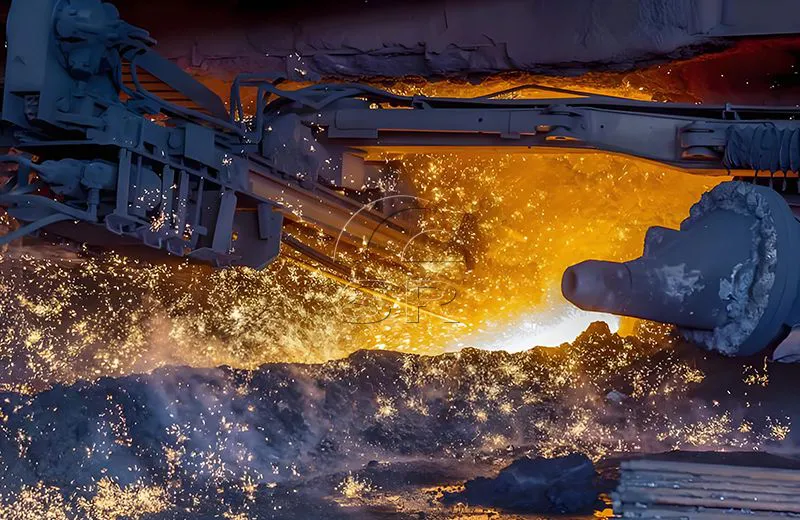
The design of the submerged arc furnace main mechanical device by Sanui is based on China's national conditions and draws on international advanced technologies such as Demark and Perlmutter.
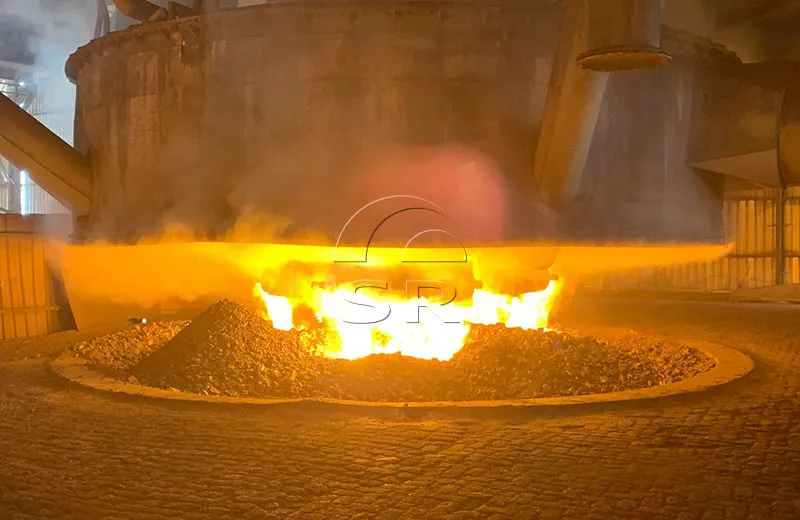
Submerged electric arc furnace is mainly used for reducing and smelting raw materials such as ore, carbonaceous reducing agent and solvent. It mainly produces ferroalloys such as ferrosilicon, ferromanganese, ferrochrome, ferrotungsten, silicon-manganese alloy, etc.
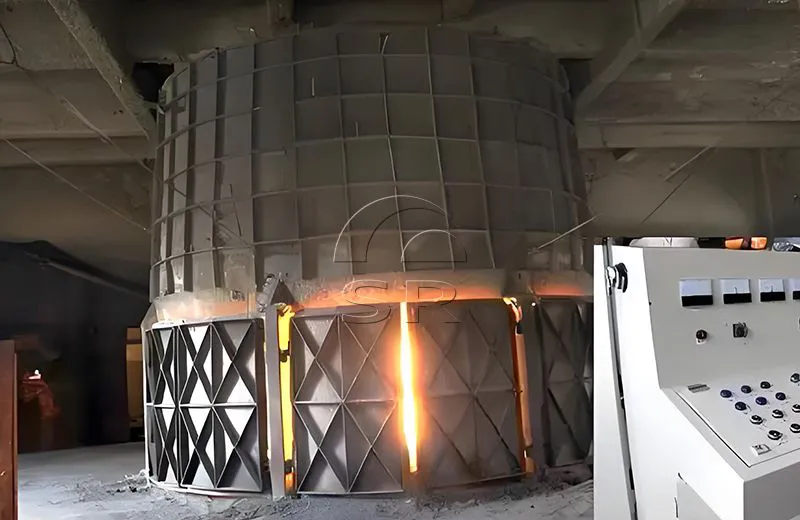
Titanium slag production adopts titanium slag electric furnace (circular furnace and rectangular furnace according to its shape) smelting process.
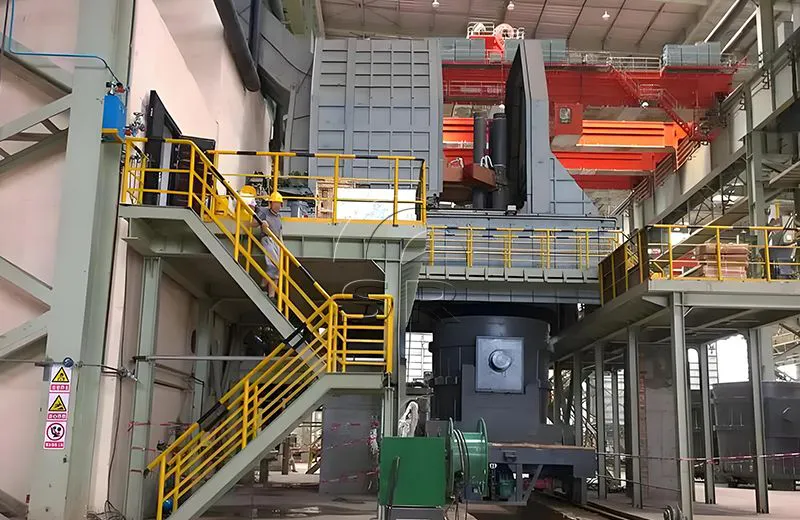
The LF 20 T ladle refining furnace has the functions of arc heating under normal pressure, argon blowing and stirring at the bottom of the ladle, and reducing slag making in the ladle.
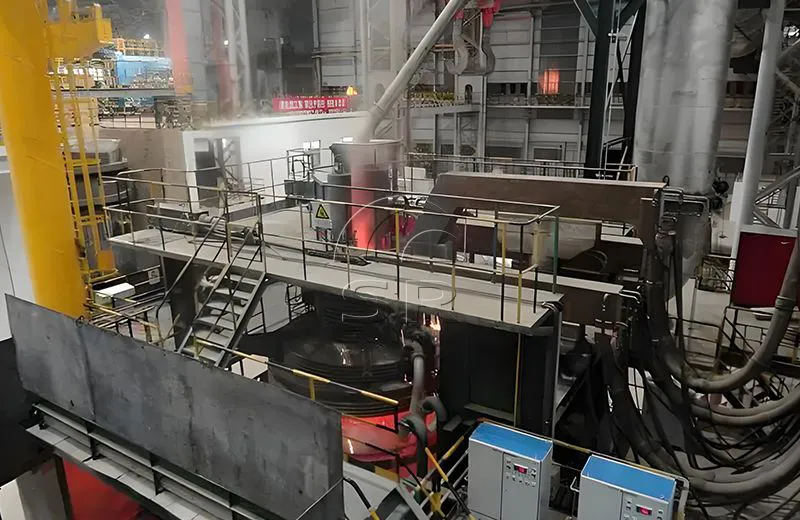
LF ladle refining furnace is a bottom-blown argon ladle furnace with three-phase submerged arc heating under normal pressure. It is a device for refining molten steel in a ladle.
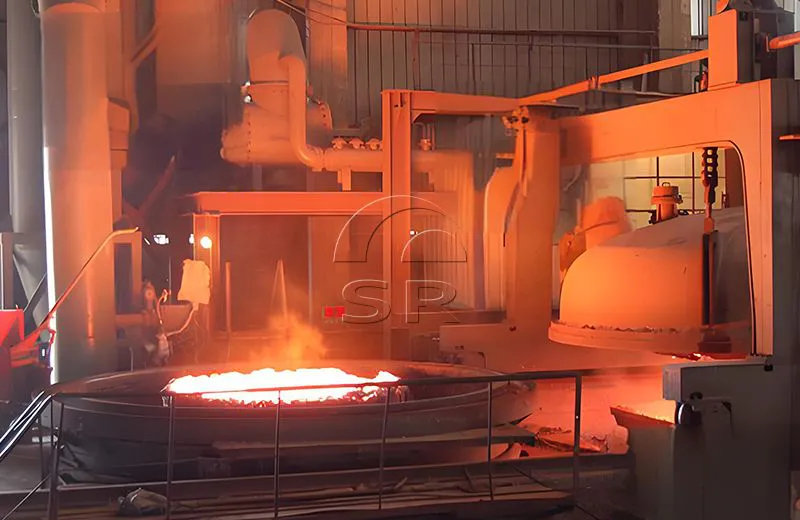
VD vacuum refining furnace is a commonly used refining process equipment, mainly used for deoxidation, impurity removal and other operations of molten steel, so as to obtain high purity, low impurity content of high quality steel.
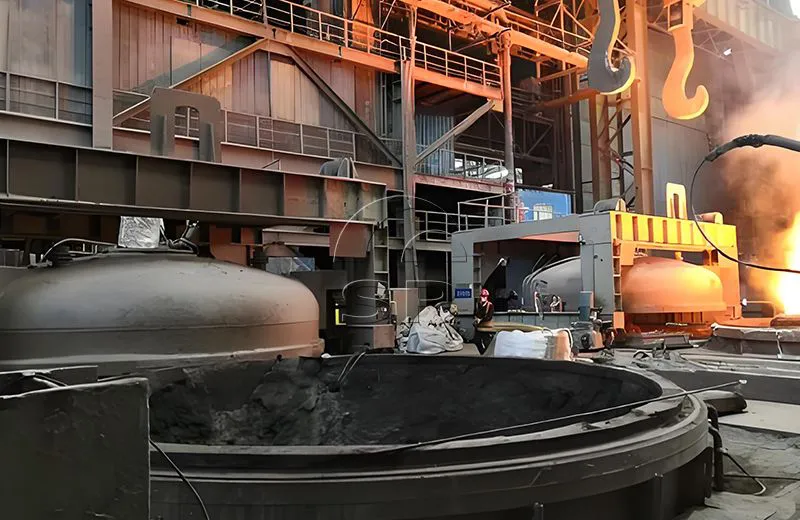
VOD vacuum refining furnace has multiple functions such as vacuum degassing, oxygen blowing decarburization, vacuum charging, argon blowing stirring, non-vacuum temperature measurement sampling, wire feeding, etc.
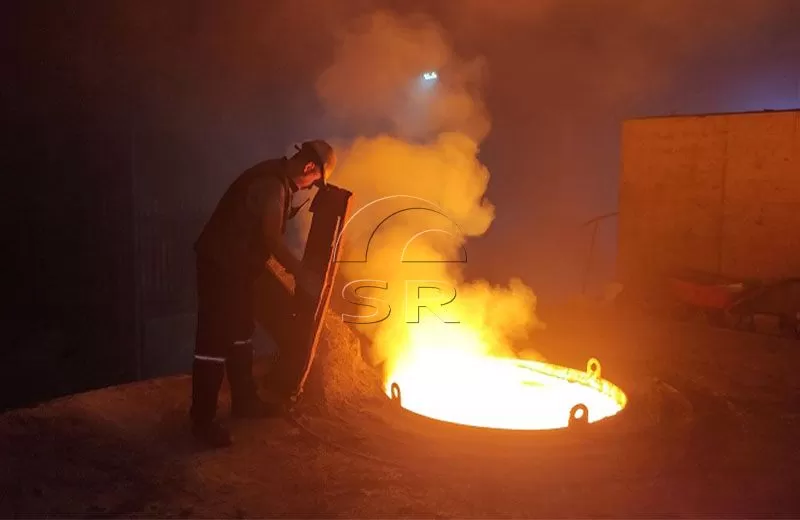
The cast steel melting induction furnace has outstanding advantages in heat penetration or melting soft magnetic alloys, high resistance alloys, platinum group alloys, heat-resistant, corrosion-resistant, wear-resistant alloys and pure metals.
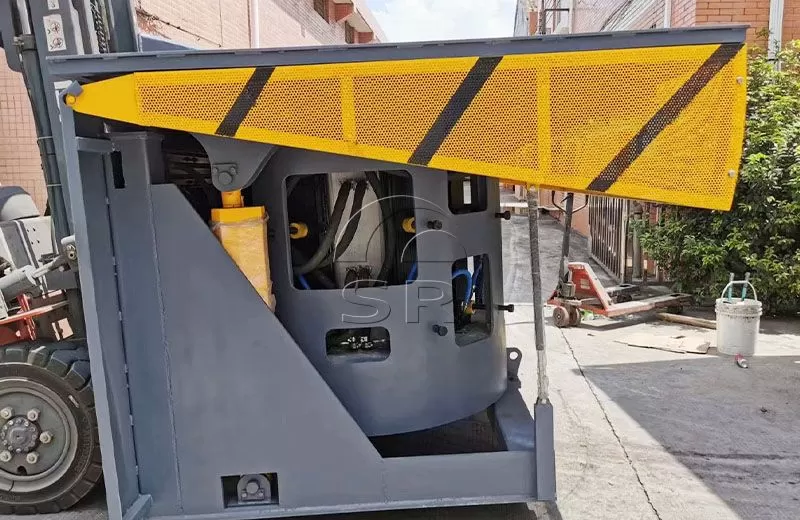
Metal silicon smelting furnace is a metal silicon medium frequency melting furnace, which consists of furnace body, water and electricity introduction system, furnace tilting device, etc. It has fast melting temperature rise, easy to control furnace temperature and high production efficiency.
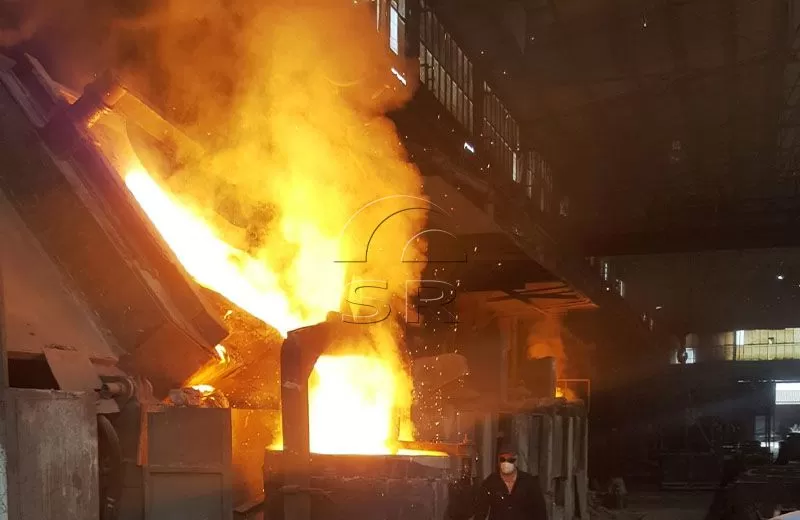
Medium frequency induction furnace mainly used for melting steel, alloy steel, special steel, stainless steel, and can also be used for melting and casting non-ferrous metals such as copper, aluminum, lead, zinc, etc. The customized range of induction furnaces sold by Sanrui ranges from 0.1 tons to 10 tons.
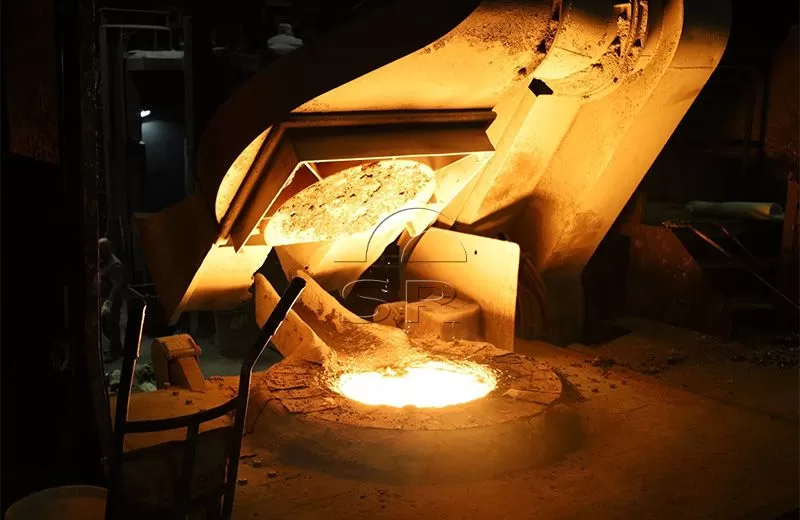
Medium frequency induction furnaces are mainly used for melting steel, alloy steel, special steel, stainless steel, and can also be used for melting and casting non-ferrous metals such as copper, aluminum, lead, and zinc.
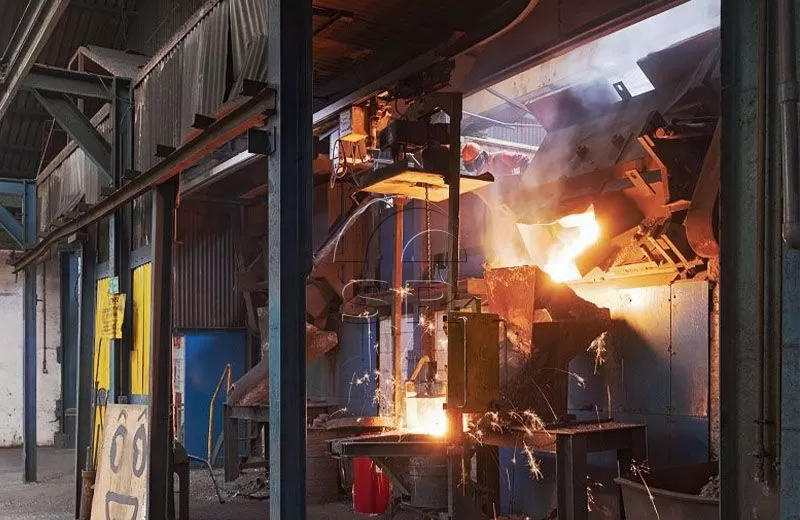
Medium frequency aluminum melting furnace is used for melting and heating aluminum, scrap aluminum, aluminum ingots, and aluminum alloys; The melting capacity ranges from 100KG to 3000KG.
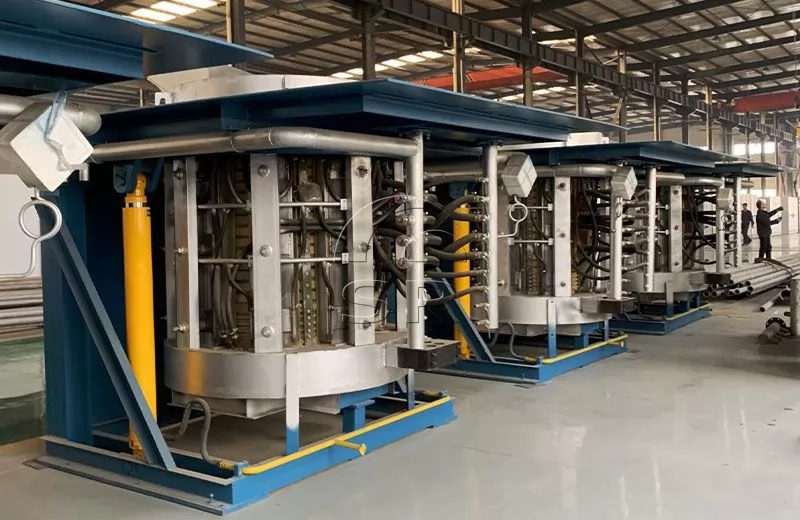
An induction furnace is an electric furnace that uses the induction electrothermal effect of the material to heat or melt the material. The main components of an induction furnace are sensors, furnace body, power supply, capacitors and control system.
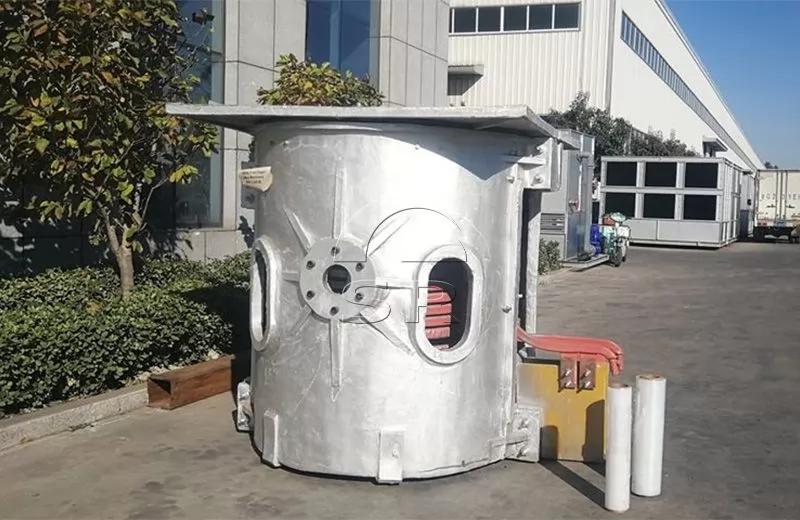
The 3-ton medium frequency coreless induction furnace adopts a 6-phase 12-pulse double rectifier control system. A 2000KVA special rectifier transformer is used for the 2000KW medium frequency power supply.
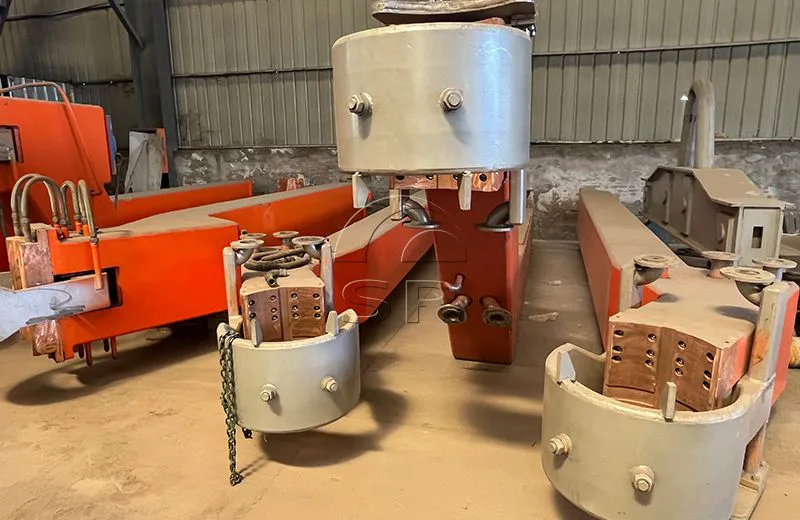
The conductive arm of an electric arc furnace (EAF) is primarily composed of the front electrode conductive arm holder, a water-cooled clamping ring, the arm body, and the rear conductive copper plate.
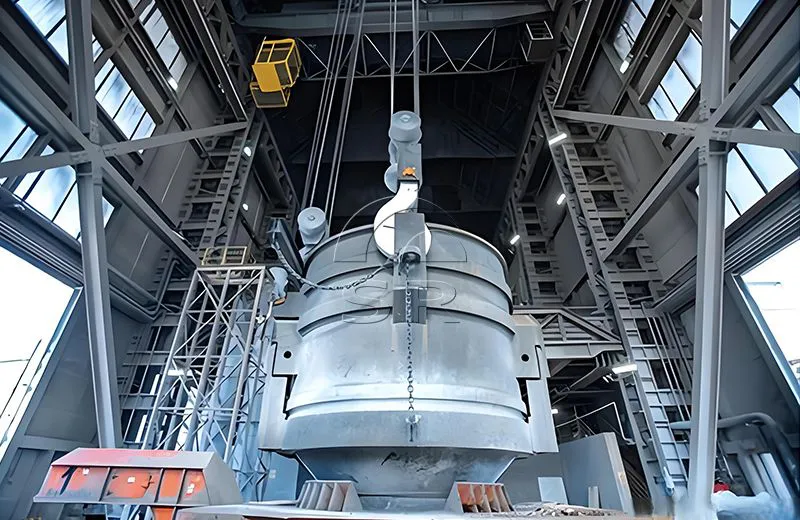
The scrap charging basket of the electric arc furnace is mainly used for loading and conveying raw materials such as scrap steel into the electric arc furnace for smelting.
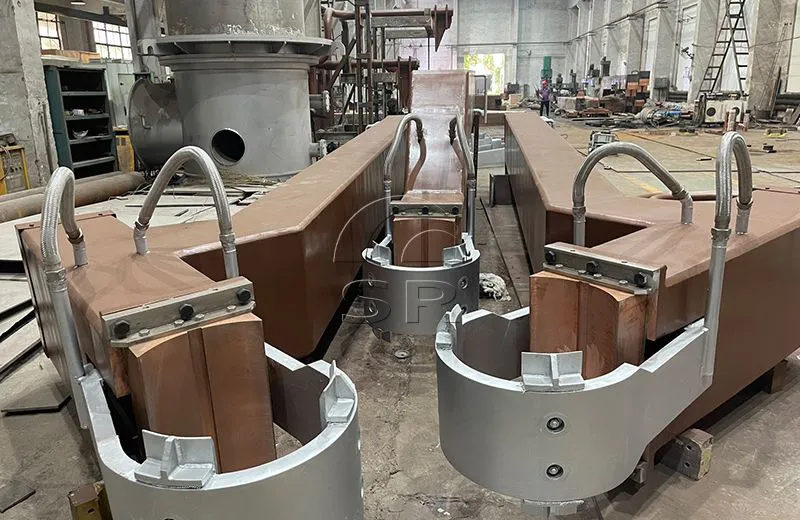
There are many insulation links between the EAF electrode holder and the conductive cross arm body, which greatly simplifies the cconductive cross arm structure and is a new type of electrode arm on the ultra-high power arc furnace.
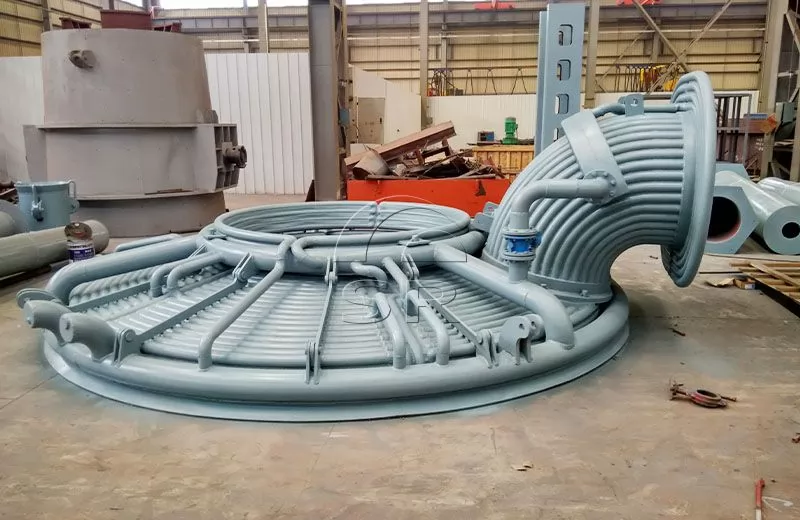
Generally, the furnace cover of the electric arc furnace adopts the tubular water-cooled closed tube furnace cover structure.
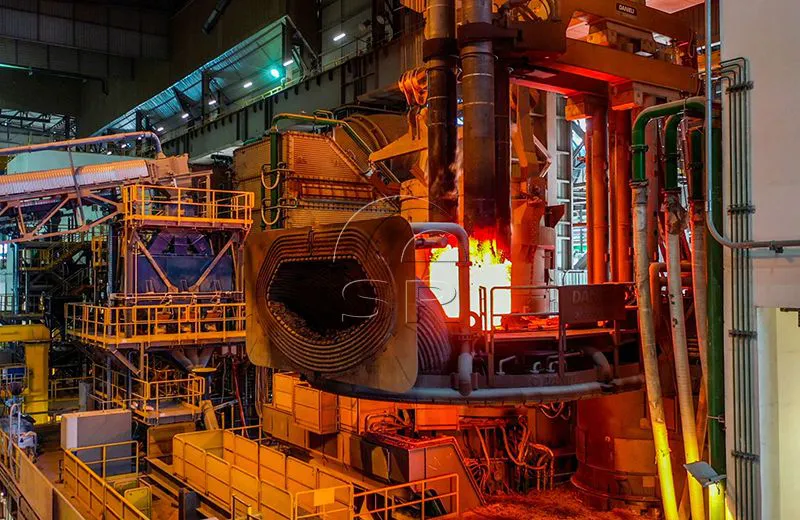
The electrode lifting mechanism of electric arc furnace is composed of conductive cross arm and electrode column device.
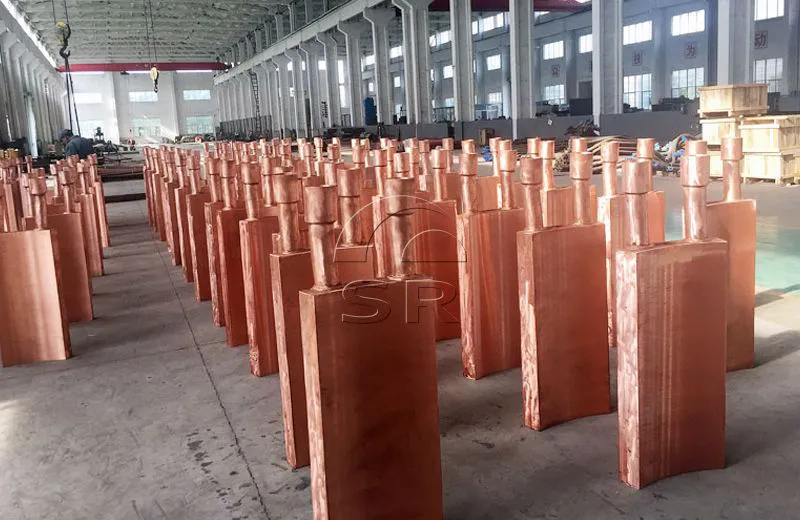
Forged copper tile is one of the main accessories in submerged arc furnace (silicon metal furnace, calcium carbide furnace and iron alloy furnace). It generates heat energy due to passing through large current at high temperature, and is easy to be damaged due to poor working environment.
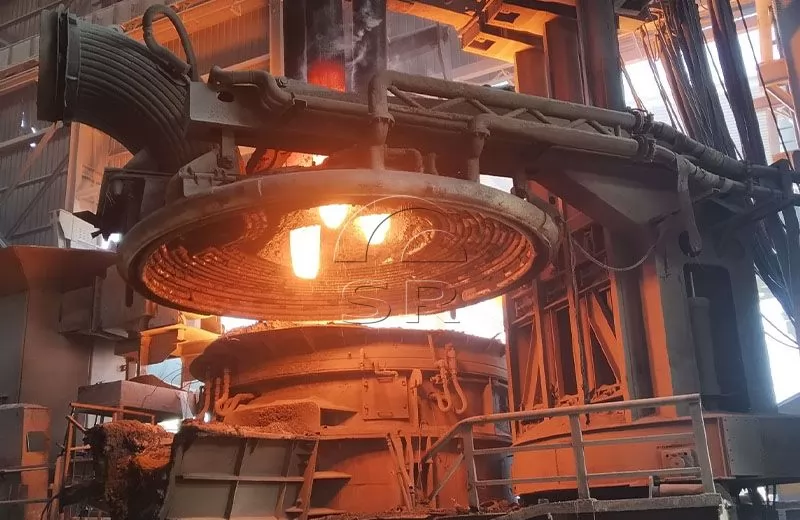
The furnace cover lifting and rotating device consists of a furnace cover lifting mechanism, a rotating mechanism and a rotating frame.
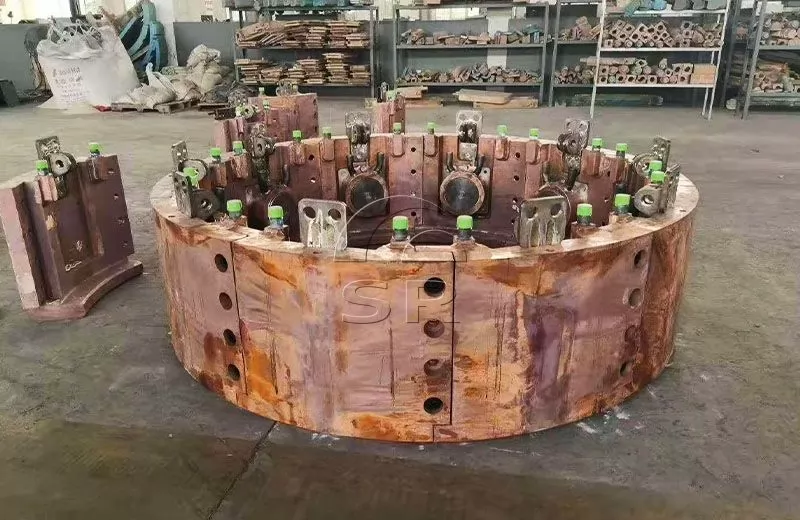
Submerged arc furnace pressure ring is used to monitor the change of air pressure in the furnace in real time, and adjust the air pressure automatically or manually according to the preset parameters to ensure the stability of air pressure in the furnace
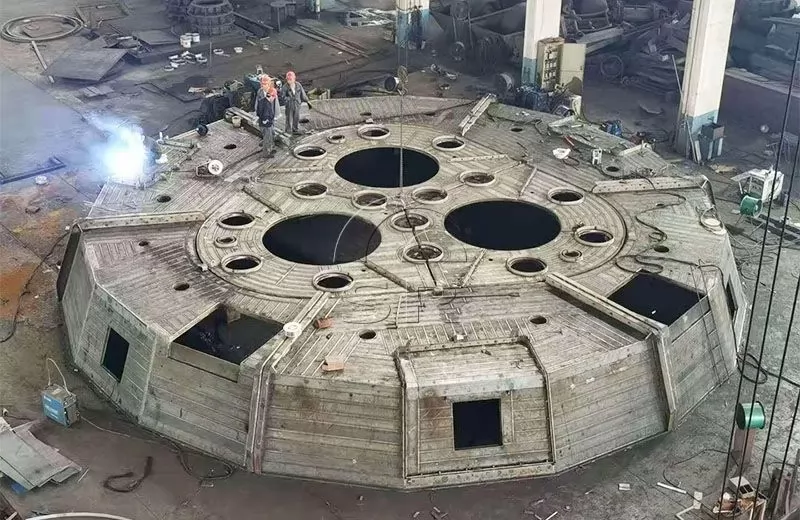
Submerged arc furnace water-cooled Roof is an important part of submerged arc furnace (also known as electric arc furnace, calcium carbide furnace or mining furnace), which is mainly used to close the top of furnace body and bear the high temperature and pressure in the furnace.
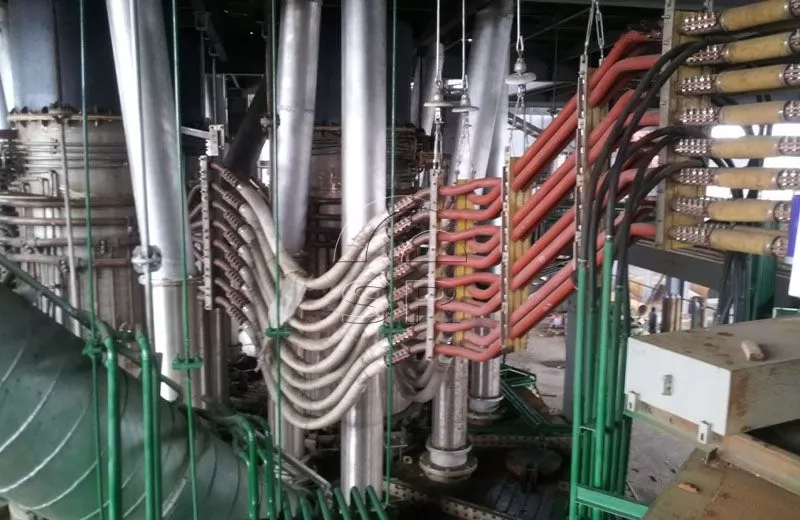
Short network bus systems), also known as high current line, refers to the general term of the carrier fluid from the secondary outlet terminal of the transformer to the electrode (including the electrode).
Navigation
E-mail: anna@srfurnace.com
Tel: +86 159 2955 5868
WhatsApp: +86 159 2955 5868
Add:
Room 422, 4th Floor, Building D, No. 5, Phase I, Fengdong Free Trade Industrial Park, Xixian New District, Shaanxi Province